
How GameZone Helps Players Learn Jili Games Faster
Jili Games has grown into one of the most recognizable names in mobile-first entertainment, especially among players who prefer simple mechanics and quick access to gameplay. But while the games themselves are designed to be easy to understand, many beginners still face the same problem the moment they enter a platform: too many options, not enough direction.
That early moment—when a user is deciding what to click first—often determines whether they stay or leave. GameZone has built its experience around solving exactly that problem. Instead of overwhelming new users, it structures discovery in a way that helps them learn Jili Games faster, with less confusion and more confidence.
This is not just about convenience. It reflects a deeper shift in how players learn, interact, and stay engaged with mobile gaming platforms.
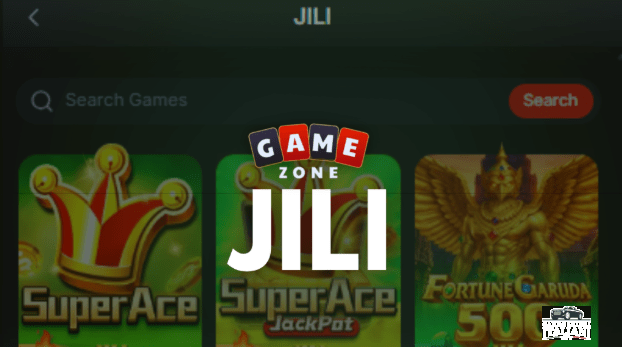
The Real Challenge: Too Many Choices, Not Enough Clarity
At first glance, Jili Games appear straightforward. The mechanics are simple, the interface is mobile-friendly, and the learning curve is generally low. But for beginners, the difficulty rarely comes from the games themselves.
It comes from the environment around them.
A new user entering a platform may see multiple categories, featured titles, demo options, and recommended games all at once. While experienced players can navigate this easily, beginners often pause at this stage.
Not because they are uninterested—but because they are unsure where to start.
GameZone addresses this by reducing cognitive overload. Instead of presenting everything equally, it organizes Jili Games into structured pathways that guide users naturally through exploration.
This small design decision significantly improves how quickly users begin learning.
Why Players Learn Faster Through Experience, Not Instruction
One of the most important insights in modern game design is that users rarely learn by reading instructions. Instead, they learn by interacting.
This is especially true for Jili Games.
A beginner typically starts by entering a game, tapping a few controls, observing outcomes, and adjusting behavior. Within minutes, they begin to understand patterns without ever opening a guide.
GameZone supports this natural learning process by allowing immediate interaction. There are no unnecessary barriers between the user and the game.
The result is a learning style that feels effortless. Users are not told how to play—they discover it.
And that discovery-based learning is significantly faster than traditional instruction-based onboarding.
Demo Play: The Confidence Builder Most Beginners Overlook
One of the most powerful tools for accelerating learning is often the most ignored: demo gameplay.
Jili Games demo features allow users to explore mechanics without pressure. There is no risk of making mistakes, no commitment required, and no performance expectations.
For beginners, this changes everything.
Instead of worrying about understanding everything immediately, they can focus on observation. They learn how the game responds, how features behave, and how interactions flow—all at their own pace.
GameZone integrates demo access directly into its structure, making it easy for users to try games before fully engaging with them.
This creates what designers call “low-stakes learning environments,” which are proven to increase retention and confidence.
When users feel safe experimenting, they learn faster and stay longer.
Cognitive Fluency: Why Familiar Systems Feel Easier to Learn
There is a psychological reason why some platforms feel easier to use than others, even when the content is similar. It is called cognitive fluency.
In simple terms, the brain prefers systems that are easy to process. When navigation is clear and consistent, users spend less mental energy figuring things out and more energy enjoying the experience.
GameZone applies this principle consistently across its Jili Games environment.
Whether users are browsing GameZone online or exploring GameZone online games, the structure remains predictable. Categories are organized. Navigation is consistent. Game entry points are clear.
This consistency reduces mental strain, which directly improves learning speed.
When users don’t have to relearn the interface every time, they focus more on gameplay—and learn faster as a result.
Why Structured Exploration Matters More Than Random Play
A common mistake among beginners is jumping between multiple games too quickly. While curiosity is natural, excessive switching prevents familiarity from forming.
GameZone addresses this through structured exploration pathways.
Instead of encouraging random browsing, it allows users to gradually move through Jili Games in a more intentional way. This helps players build understanding step by step rather than restarting the learning process repeatedly.
A better learning pattern usually looks like this:
Start with one game
Understand its flow
Explore variations
Expand gradually
This method creates stronger retention and reduces confusion.
GameZone’s structure naturally supports this progression without forcing users into rigid steps.
What Makes Certain Jili Games Easier for Beginners
A common mistake among beginners is jumping between multiple games too quickly. While curiosity is natural, excessive switching prevents familiarity from forming.
GameZone addresses this through structured exploration pathways.
Instead of encouraging random browsing, it allows users to gradually move through Jili Games in a more intentional way. This helps players build understanding step by step rather than restarting the learning process repeatedly.
A better learning pattern usually looks like this:
Start with one game
Understand its flow
Explore variations
Expand gradually
This method creates stronger retention and reduces confusion.
GameZone’s structure naturally supports this progression without forcing users into rigid steps.
The Role of Platform Design in Learning Speed
Even the best-designed game can feel difficult if the platform hosting it is confusing.
This is why GameZone’s interface plays such an important role in learning speed.
By maintaining a clean structure, predictable navigation, and fast access points, the platform reduces friction between users and games.
Small design choices—like consistent menu placement or clear category labeling—have a large impact on how quickly users adapt.
When users can find what they need without hesitation, they spend more time learning gameplay instead of figuring out navigation.
That difference significantly improves the overall onboarding experience.
Common Mistakes That Slow Down Learning
Despite the simplicity of Jili Games, beginners often unintentionally slow their own learning process.
One of the most common mistakes is switching games too frequently. This prevents users from building familiarity with any single system.
Another mistake is ignoring demo modes in favor of immediate full engagement. While this may feel efficient, it often leads to confusion later.
Some users also focus too heavily on selecting popular titles instead of understanding their own preferences first.
Each of these behaviors increases cognitive load and slows down learning.
GameZone’s structured environment helps reduce these mistakes by guiding users toward more stable exploration habits.

Expert-Led Learning Approach for Faster Mastery
Experienced players often follow a simple but effective learning strategy:
Focus on one game at a time
Use demo features first
Observe patterns before reacting
Avoid rapid switching between games
Build familiarity before expanding
This approach reduces confusion and builds long-term confidence.
GameZone naturally supports this style of learning by making exploration feel gradual rather than overwhelming.
Users are not forced into advanced gameplay immediately. Instead, they are guided toward comfort first, then complexity.

ABOUT THE AUTHOR
Carrozzieri Italiani Editorial Team
Guides, practical advice and editorial contributions from the Carrozzieri Italiani team.
More stories by Carrozzieri Italiani Editorial Team ↗CONTINUE READING
Posts You Might Like

How Vehicle Design and Defective Components Can Contribute to Serious Car Accidents
A driver can do everything right and still end up in a hospital bed because a tire tread separated at highway speed. Federal crash investigators have spent decades tracing a measurable share…
Read story
How Automotive Induction Heaters Improve Speed and Safety in Collision Repair
Collision repair has long relied on open-flame torches to loosen rusted bolts, soften adhesive, and free stuck body panels, but that approach carries real tradeoffs. Flame-based heating is slow to control precisely,…
Read story
The Key Stages of a Professional Vehicle Paint Repair
Vehicle paintwork has to cope with stone chips, minor collisions, scratches, weather exposure, and everyday wear. When damage occurs, achieving a professional result involves far more than simply spraying fresh color over…
Read story
Il veicolo urbano dopo il viaggio: cosa distingue davvero un buon design per la città
Per gran parte della storia dell’automobile, il progetto di un veicolo è stato raccontato attraverso ciò che accade durante la guida: la velocità, la linea del cofano, il comportamento in curva, la…
Read story
THE CONVERSATION
Comments 0
Share a memory, a period photograph or a documented detail about this story.