
How Does Italy’s Racing History Compare to Its Football History?
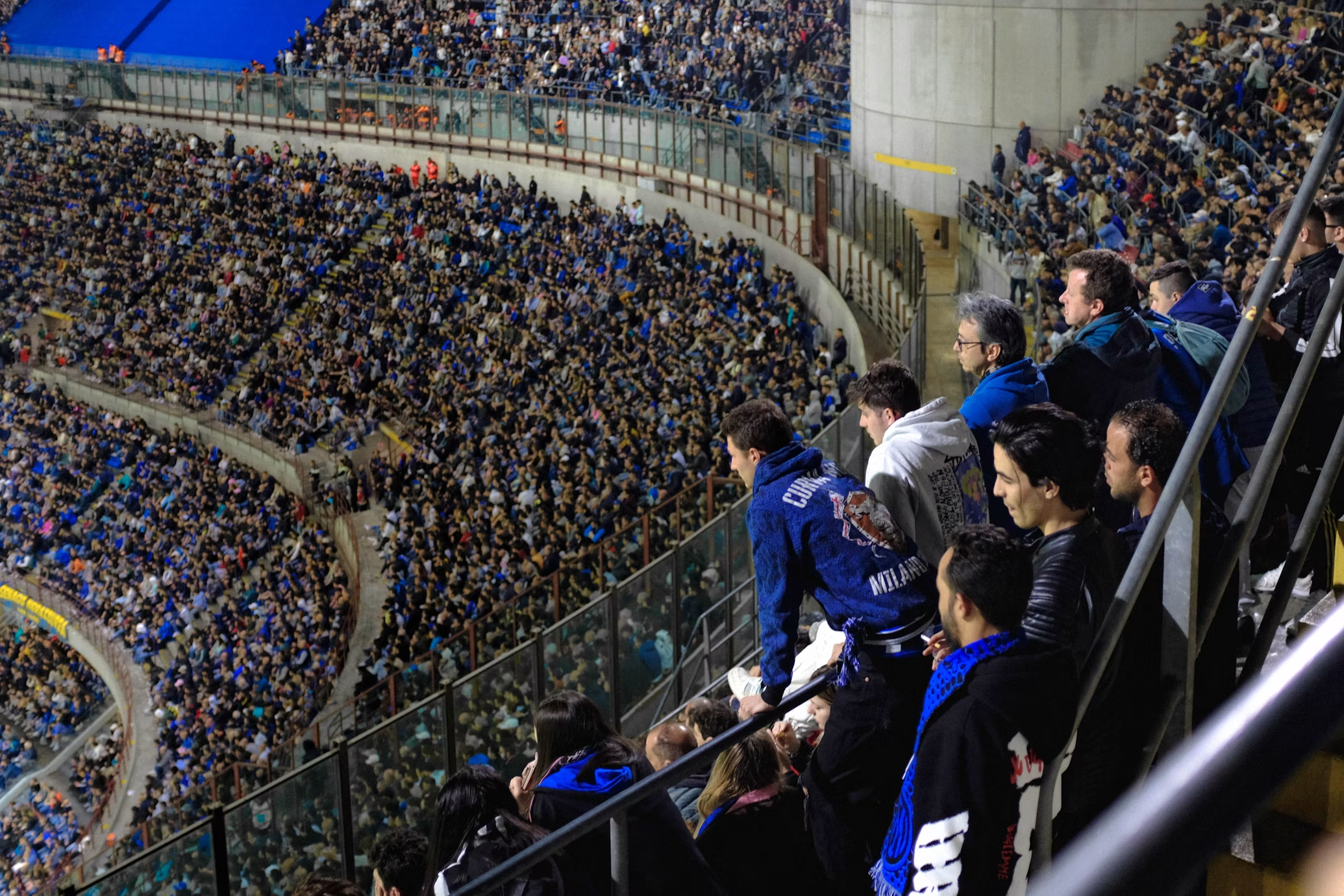
Italy has two major sporting traditions with very different origins and public profiles: motor racing and football. Both have produced internationally recognised champions, famous teams, and moments that shaped national sporting culture. Football, though, has reached a far larger audience and has become more closely connected with everyday life. Racing has had a smaller following but has played an important role in Italian industry, engineering, and national sporting identity.
Italy’s football history stretches back to the late nineteenth century, with the Italian Football Federation founded in 1898. The national team soon became a major force in international football. Italy won its first World Cup in 1934 and retained the title in 1938. Further World Cup victories followed in 1982 and 2006, while the team also won the European Championship in 1968 and 2020. Italian clubs have contributed to this history through European competition, with teams such as Juventus, Milan, and the latter’s neighbours Inter all collecting several major continental trophies.
Racing developed along a different path. Italy became an important centre for automobile competition during the early twentieth century, with events such as the Mille Miglia attracting attention from drivers and manufacturers. Scuderia Ferrari, founded in 1929, became central to the country’s racing story and entered Formula One in 1950. Italian manufacturers including Alfa Romeo, Maserati, and Lancia also competed successfully in different periods.
Football’s wide appeal
Football’s reach is broader partly because it requires relatively little equipment and can be played in parks, streets, and local grounds. Every region has clubs and amateur competitions, while Serie A attracts regular national coverage and significant attention in iGaming. The Italian sports betting markets at platforms like NetBet include corners, penalties, and first and last goalscorers.
Racing depends on expensive machinery, specialised circuits, and organised events, making participation less accessible. Its audience is therefore built, relatively speaking, more around watching professional competition than taking part.
Italian culture
The two sports have influenced Italian culture in different ways. Football clubs are strongly associated with individual cities and regions, and results regularly become subjects of conversation among families and work colleagues.
Racing has a close connection with the mechanical engineering and manufacturing involved. Ferrari’s road cars, for example, have helped link competition technology with Italian automotive design, while the country’s racing circuits have hosted major international events for decades.
Records and achievements
Italy is one of the most successful countries in football history, with four men’s World Cup titles. In Formula One, Ferrari holds the record for the most constructors’ championships, although Italian success has involved several teams and periods rather than one uninterrupted national presence. Italian drivers have also won the Formula One world championship – most recently Alberto Ascari in 1953.
Takeaway
Football has the stronger claim as Italy’s mass spectator sport, supported by its deep roots in communities and national competitions. Racing occupies a different but significant place, combining sporting competition with engineering, automotive manufacturing, and technological development. Together, they illustrate two sides of Italian sporting history: football reflects a broad social tradition, and racing connects competition with the country’s long-standing industrial and automotive expertise.

ABOUT THE AUTHOR
Carrozzieri Italiani Editorial Team
Guides, practical advice and editorial contributions from the Carrozzieri Italiani team.
More stories by Carrozzieri Italiani Editorial Team ↗CONTINUE READING
Posts You Might Like

How Vehicle Design and Defective Components Can Contribute to Serious Car Accidents
A driver can do everything right and still end up in a hospital bed because a tire tread separated at highway speed. Federal crash investigators have spent decades tracing a measurable share…
Read story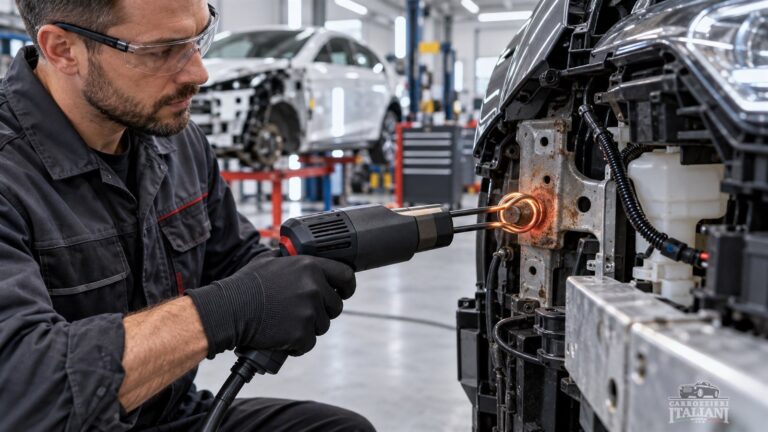
How Automotive Induction Heaters Improve Speed and Safety in Collision Repair
Collision repair has long relied on open-flame torches to loosen rusted bolts, soften adhesive, and free stuck body panels, but that approach carries real tradeoffs. Flame-based heating is slow to control precisely,…
Read story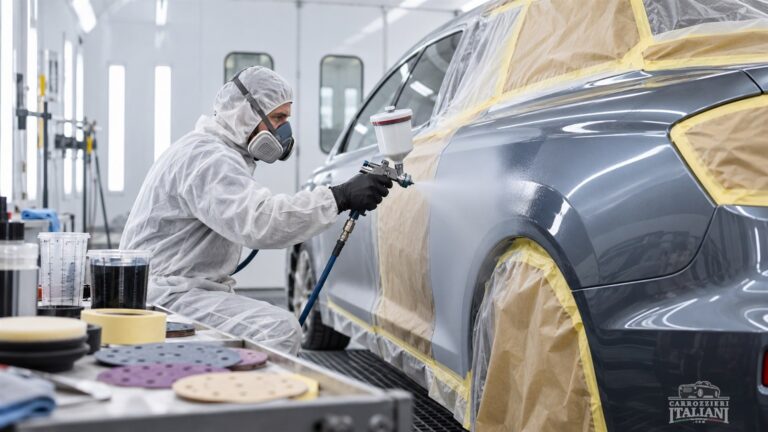
The Key Stages of a Professional Vehicle Paint Repair
Vehicle paintwork has to cope with stone chips, minor collisions, scratches, weather exposure, and everyday wear. When damage occurs, achieving a professional result involves far more than simply spraying fresh color over…
Read story
Il veicolo urbano dopo il viaggio: cosa distingue davvero un buon design per la città
Per gran parte della storia dell’automobile, il progetto di un veicolo è stato raccontato attraverso ciò che accade durante la guida: la velocità, la linea del cofano, il comportamento in curva, la…
Read story
THE CONVERSATION
Comments 0
Share a memory, a period photograph or a documented detail about this story.