
Engine Air Filter vs. Cabin Air Filter: What Every Driver in the U.S. Should Know
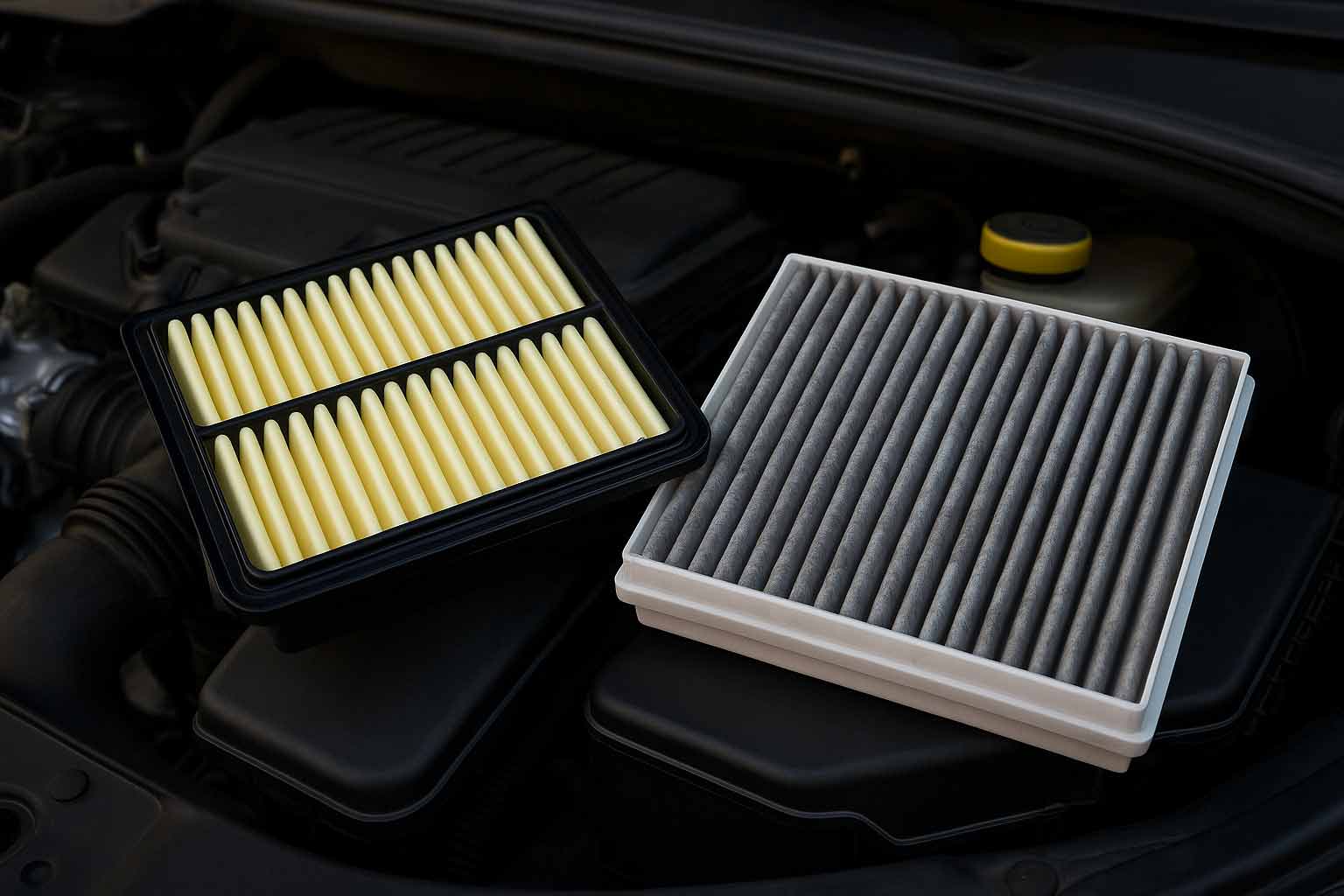
When it comes to vehicle maintenance, many car owners think of oil changes, tire rotations, or brake service first. However, two often-overlooked components play a crucial role in keeping your car running smoothly and protecting your health: the engine air filter and the cabin air filter. While both sound similar, they serve entirely different purposes. Understanding their functions, benefits, and maintenance schedules can help extend your car’s life and make your driving experience safer and more comfortable.
What Is an Engine Air Filter?
The engine air filter is designed to protect your vehicle’s engine from harmful contaminants. Every time you drive, your engine requires a steady supply of clean air to mix with fuel for combustion. Dust, dirt, pollen, and debris can enter the intake system if not properly filtered, leading to reduced performance or even costly damage.
- Location: Typically found under the hood, inside a rectangular or cylindrical air box connected to the engine’s intake system.
- Function: Ensures only clean air enters the combustion chamber.
Impact on Performance: A clean engine air filter improves fuel efficiency, horsepower, and overall engine health. A clogged filter, on the other hand, can cause sluggish acceleration and reduced gas mileage.
What Is a Cabin Air Filter?
Unlike the engine air filter, the cabin air filter has nothing to do with your engine’s performance. Instead, it’s all about your comfort and health.
- Location: Usually behind the glove compartment, under the dashboard, or near the base of the windshield.
- Function: Filters the air that flows into the passenger cabin through the HVAC (heating, ventilation, and air conditioning) system.
- What It Blocks: Pollen, dust, mold spores, smog, exhaust fumes, and other airborne pollutants.
Impact on Health: Essential for people with allergies, asthma, or sensitivity to pollutants. It also keeps your cabin air smelling fresh.
Engine Air Filter vs. Cabin Air Filter: Key Differences
|
Feature |
Engine Air Filter |
Cabin Air Filter |
|
Purpose |
Protects engine by filtering air entering combustion system |
Protects passengers by filtering air entering the cabin |
|
Location |
Under the hood, connected to intake system |
Behind glove box, under dash, or near windshield |
|
Main Benefit |
Improves performance, fuel economy, and engine longevity |
Improves passenger comfort and air quality |
|
Signs It’s Dirty |
Poor acceleration, reduced fuel economy, dark/dirty filter |
Musty odor, weak airflow from vents, increased allergy symptoms |
|
Replacement Interval |
Every 12,000–15,000 miles (varies by driving conditions) |
Every 15,000–25,000 miles (or annually, depending on air quality) |
Signs You Need a Replacement
For Engine Air Filter:
- Noticeable decrease in fuel efficiency.
- Slower acceleration or reduced engine power.
- Black smoke from the exhaust or unusual engine sounds.
- The filter looks dark, clogged, or dusty upon inspection.
For Cabin Air Filter:
- Unpleasant odors when you turn on AC or heat.
- Reduced airflow through vents even at high settings.
- Increased allergy symptoms while driving.
Visible dirt, leaves, or debris on the filter.
Why Timely Replacement Matters
Engine Air Filter:
Neglecting the engine air filter can cause restricted airflow, forcing your engine to work harder. Over time, this leads to poor combustion, reduced efficiency, and potentially costly repairs such as damaged spark plugs or sensors.
Cabin Air Filter:
A neglected cabin filter not only reduces air quality but can also strain your HVAC system. This may result in weak air circulation, fogged windows, or higher repair costs down the road.
For drivers who also care about style and performance upgrades, the right accessories make a big difference. For example, installing Forgiato rims not only enhances your vehicle’s appearance but also complements the efficiency benefits you get from keeping your air filters in top shape.
Replacement Costs in the U.S.
- Engine Air Filter: Replacement costs typically range from $20 to $50, depending on the vehicle. DIY replacements are straightforward for most models.
Cabin Air Filter: Generally costs between $30 and $70. In some vehicles, accessing the filter may be more labor-intensive, which can increase costs if done by a mechanic.
Maintenance Tips for U.S. Drivers
- Check Your Owner’s Manual: Always refer to the manufacturer’s recommendations for replacement intervals.
- Consider Driving Conditions: If you live in a dusty or polluted area (e.g., near construction zones or urban cities), you may need to replace filters more often.
- Do DIY Inspections: Both filters are often accessible with basic tools. Checking them twice a year can prevent surprises.
- Pay Attention to Seasonal Changes: After spring pollen or summer wildfires, cabin filters can clog faster in many U.S. regions.
Alongside air filter maintenance, upgrading wheels is another way to improve both style and driving experience. Options like Giovanna wheels combine luxury aesthetics with durability, making them a favorite among U.S. drivers who want performance and visual appeal in one package.
The Bottom Line
While both the engine air filter and the cabin air filter may seem minor compared to other car components, they play vital roles in maintaining your vehicle’s performance and ensuring your comfort. The engine air filter safeguards your engine, while the cabin air filter protects you and your passengers. Neglecting either can lead to higher costs, reduced efficiency, and a less pleasant driving experience.
By keeping up with regular inspections and timely replacements, you’ll enjoy better fuel efficiency, improved air quality, and peace of mind on the road.

ABOUT THE AUTHOR
Carrozzieri Italiani Editorial Team
Guides, practical advice and editorial contributions from the Carrozzieri Italiani team.
More stories by Carrozzieri Italiani Editorial Team ↗CONTINUE READING
Posts You Might Like

How Vehicle Design and Defective Components Can Contribute to Serious Car Accidents
A driver can do everything right and still end up in a hospital bed because a tire tread separated at highway speed. Federal crash investigators have spent decades tracing a measurable share…
Read story
How Automotive Induction Heaters Improve Speed and Safety in Collision Repair
Collision repair has long relied on open-flame torches to loosen rusted bolts, soften adhesive, and free stuck body panels, but that approach carries real tradeoffs. Flame-based heating is slow to control precisely,…
Read story
The Key Stages of a Professional Vehicle Paint Repair
Vehicle paintwork has to cope with stone chips, minor collisions, scratches, weather exposure, and everyday wear. When damage occurs, achieving a professional result involves far more than simply spraying fresh color over…
Read story
Il veicolo urbano dopo il viaggio: cosa distingue davvero un buon design per la città
Per gran parte della storia dell’automobile, il progetto di un veicolo è stato raccontato attraverso ciò che accade durante la guida: la velocità, la linea del cofano, il comportamento in curva, la…
Read story
THE CONVERSATION
Comments 0
Share a memory, a period photograph or a documented detail about this story.