
Concorso d’Eleganza Villa d’Este 2026: Mercedes-Benz 300 SL Roadster Wins the Coppa d’Oro
Under the spring sun of Lake Como, the 2026 Concorso d’Eleganza Villa d’Este once again turned the lawns of Cernobbio into one of the most beautiful open-air museums in the automotive world. Few events manage to combine history, design, preservation and spectacle with the same natural ease. Villa d’Este does not simply display cars. It stages them.
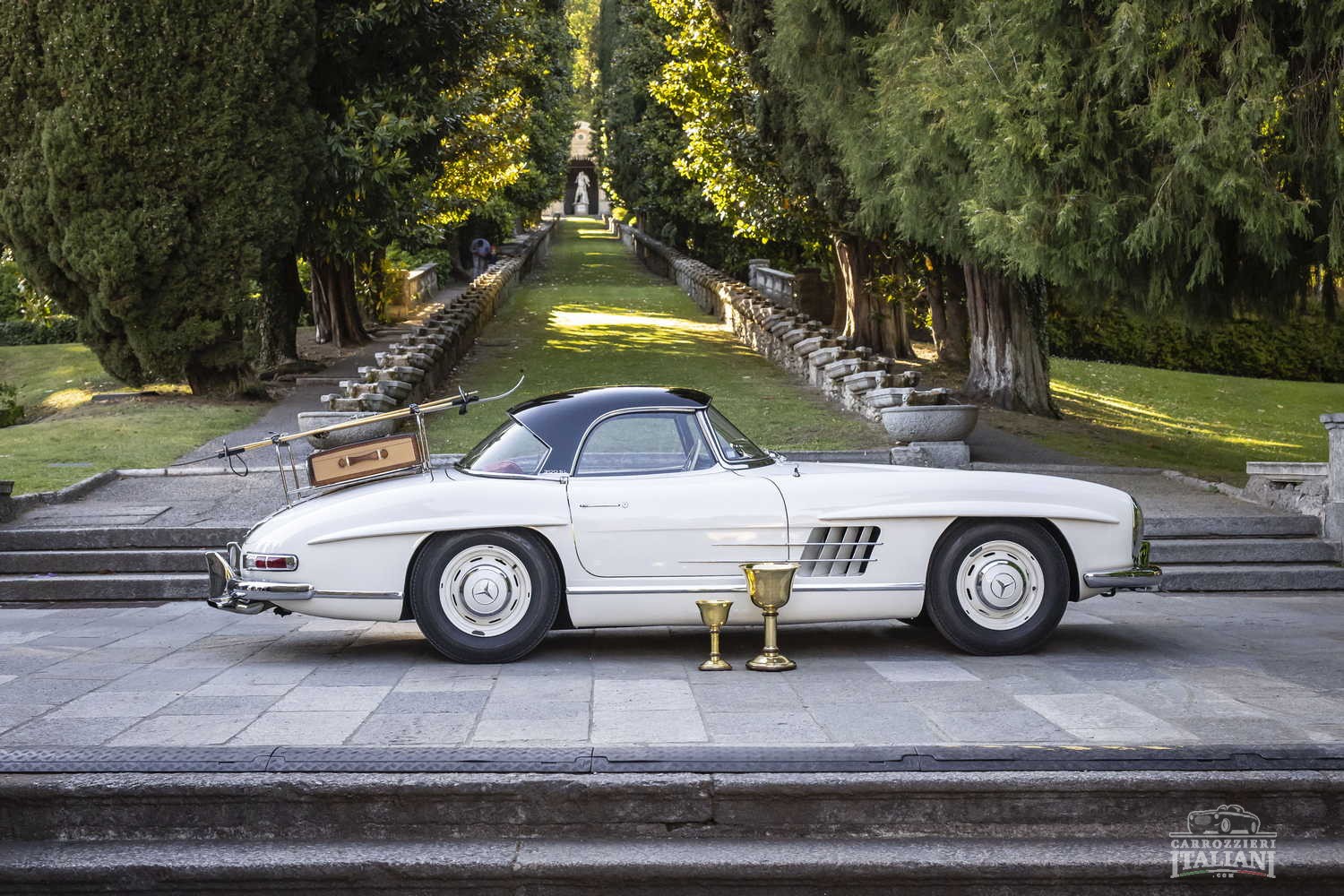
This year, the headline moment belonged to Mercedes-Benz. The Coppa d’Oro Villa d’Este, awarded by public vote, went to a 1963 Mercedes-Benz 300 SL Roadster, one of the final evolutions of the celebrated W198 line. Elegant without needing to shout, technically mature and almost impossibly graceful, the Roadster reminded everyone why the 300 SL remains one of the great post-war sports cars.
Born from the same bloodline as the famous “Gullwing” coupé, the Roadster arrived in 1957 with conventional doors, an updated chassis and a more refined grand-touring character. By 1963, the model had reached its final and most developed form, with disc brakes, an aluminium engine block on the later cars and a more usable personality than the earlier coupé. The winning example was especially convincing because it carried not only the shape, but also the quiet authority of originality.
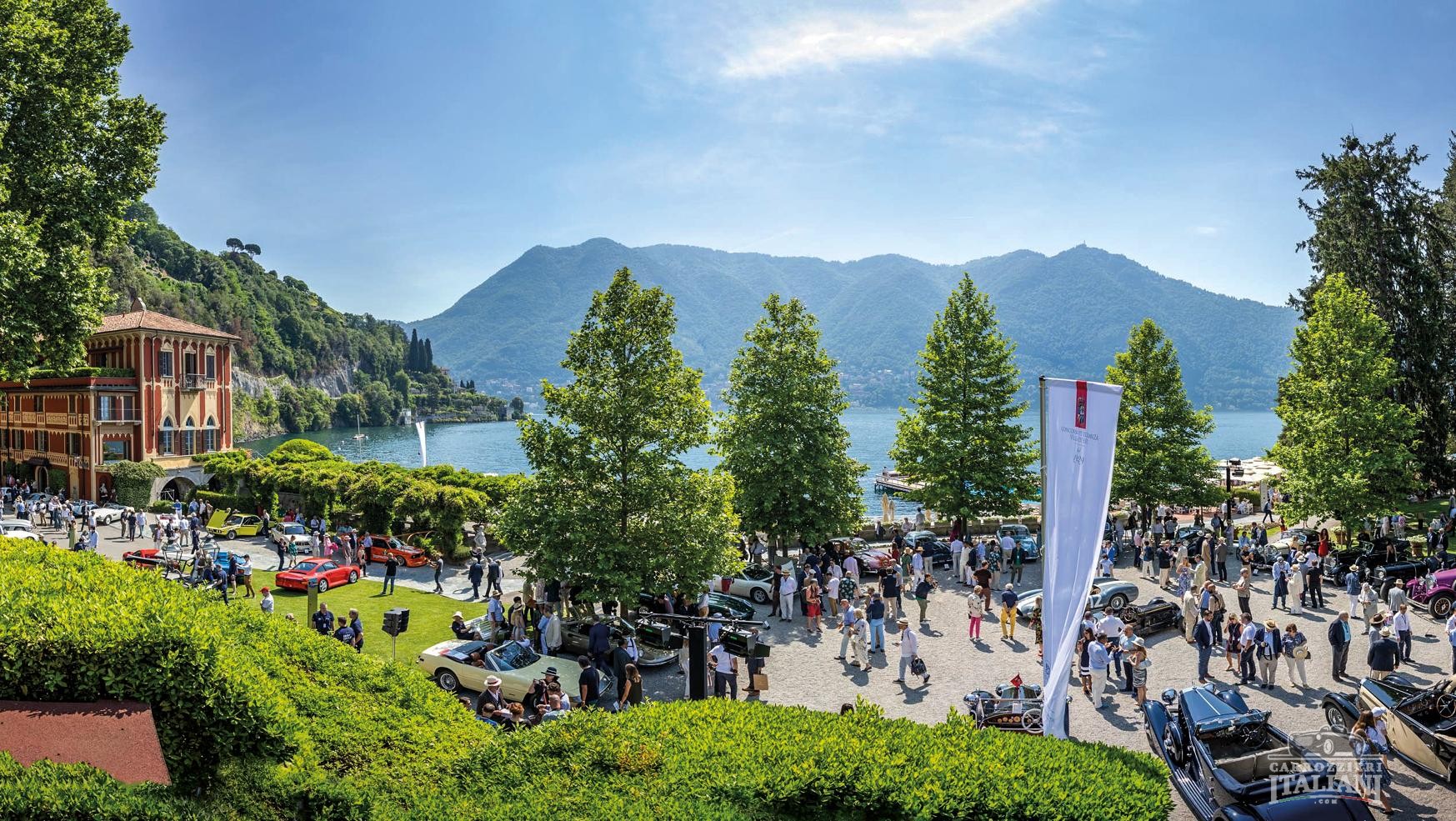
If the Coppa d’Oro looked toward Stuttgart, the rest of the prize list had a strong Italian flavour. Ferrari, in particular, enjoyed a remarkable edition, collecting several major special awards and proving once again that Maranello’s back catalogue remains almost unfairly rich.
The Trofeo Canto del Motore, dedicated to the best engine sound, went to a 1954 Ferrari 375 MM. It was an appropriate winner. A Lampredi V12 in a competition Ferrari of that era does not merely make noise; it fills the air with mechanical violence, rhythm and theatre. At Villa d’Este, where beauty is usually judged by the eye, this was the car that won through the ear.
The Trofeo BMW Group Classic for best restoration was awarded to a 1962 Ferrari 250 GTO. There are few cars carrying more expectation, more mythology or more scrutiny than a GTO, so a restoration prize here is not simply about polish. It is about proportion, materials, details and restraint. On a car of this importance, getting everything right means knowing when not to overdo it.
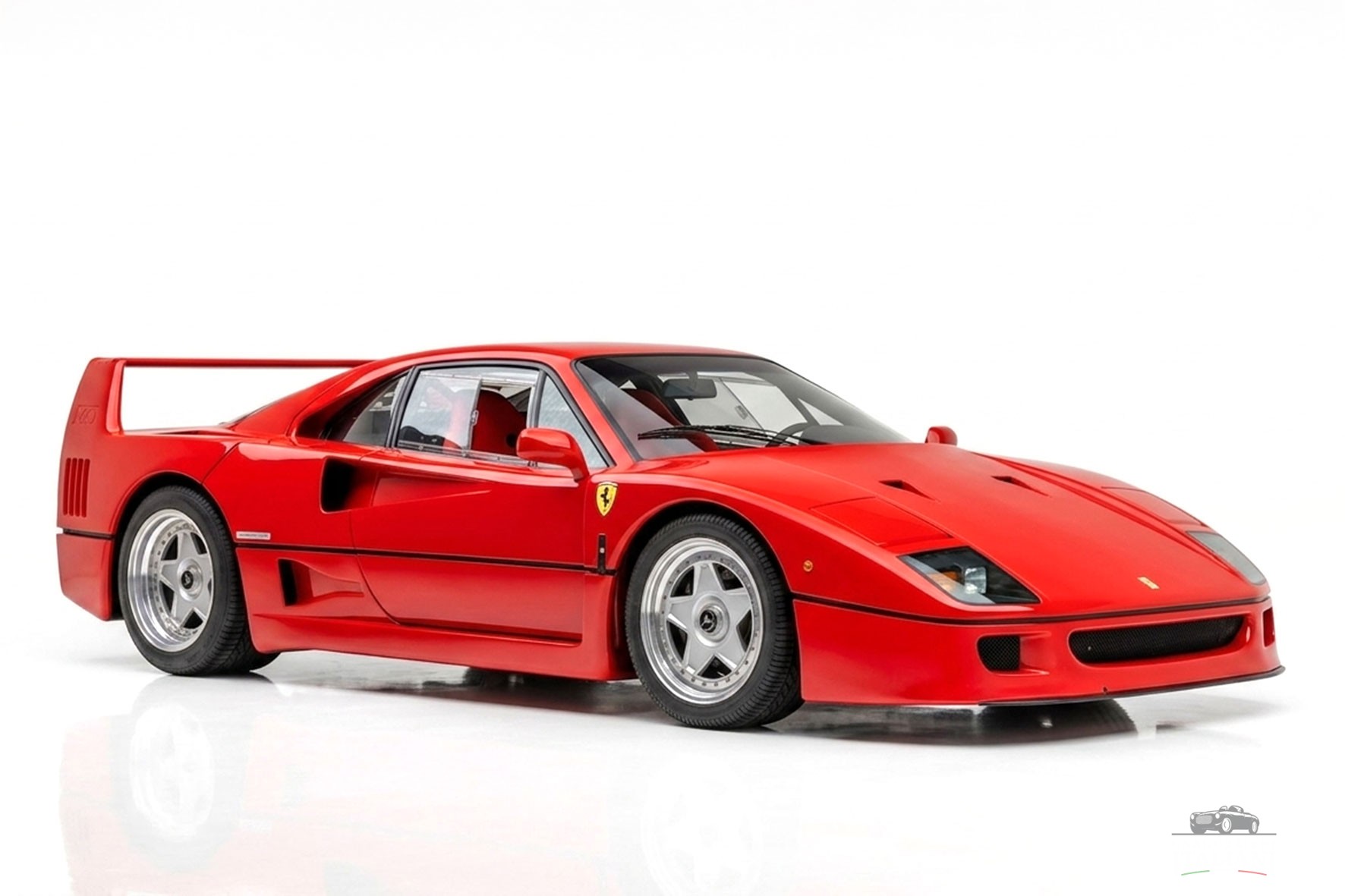
Ferrari also took the Trofeo Auto&Design for best design with the 1989 Ferrari F40. Nearly four decades after its debut, the F40 still looks brutally clear in its purpose. The Pininfarina shape has no unnecessary softness, no decorative apology. The wing, the NACA ducts, the compact cabin and the cut-down bodywork still communicate speed with almost graphic simplicity. It remains one of those rare supercars that looks less like fashion and more like a decision.
Beyond the Ferrari victories, the 2026 concours offered its usual mix of elegance, eccentricity and preservation. The Trofeo Vranken Pommery for most iconic car went to a 1957 Cadillac Eldorado, bringing a dose of American glamour to the lakeside. With its chrome, fins and confident scale, it stood as a reminder that elegance can also be theatrical.
The Trofeo ASI for best preserved post-war car was awarded to a 1954 Fiat 8V Zagato. That result felt especially appropriate in a setting so closely linked to Italian coachbuilding. The 8V Zagato is not just a rare Fiat; it is one of the purest examples of the lightweight, aerodynamic, small-displacement brilliance that defined a certain chapter of Italian design.
A 1965 Ferrari 275 GTB received the Trofeo Automobile Club Como, awarded to the owner who travelled from the furthest distance. It was a fitting prize for a car that was always meant to move. Villa d’Este may be famous for perfectly presented machines on gravel, but the best classic cars still carry a romantic idea of the road.
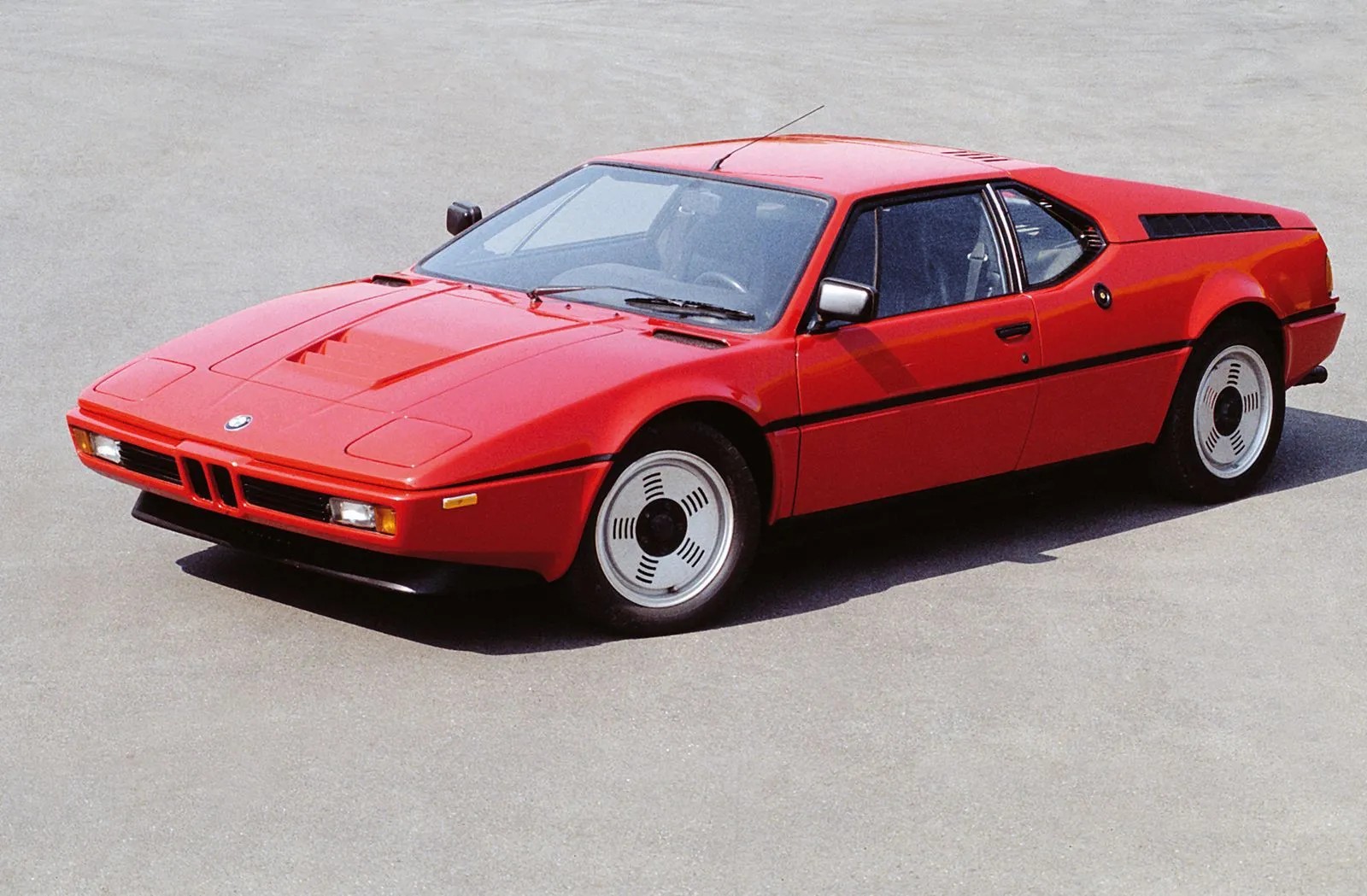
The Trofeo Schedoni Modena for best preserved leather interior went to a 1980 BMW M1. Against the pre-war streamliners and 1950s barchettas, the M1 brought a sharper, more modern kind of charisma. Its cabin, preserved after more than forty years, added another layer to a car already important as one of BMW’s most fascinating mid-engined experiments.
The 2026 Concorso d’Eleganza Villa d’Este closed with the usual feeling that the weekend had been less a competition than a conversation between eras. A late Mercedes 300 SL Roadster took the public’s heart, Ferrari filled the prize list, and the lawns of Cernobbio once again proved why this remains one of the most prestigious gatherings in the classic car world.
Villa d’Este does not reward speed, rarity or value alone. It rewards presence. And in 2026, presence came in many forms: the clean white elegance of a 300 SL, the voice of a Ferrari V12, the discipline of a GTO restoration, the raw design clarity of an F40, and the preserved soul of cars that still know how to tell their own story.

ABOUT THE AUTHOR
Andreas Scheidl
Italian classic car enthusiast with German roots. Renowned as a respected figure in the classic car community, he serves as a jury member at various international concours d'elegance, including the Classic Gala Schwetzingen and Mantova. As a content creator, Andreas passionately shares his profound knowledge and appreciation for vintage automobiles. His heart beats for cars designed by Giovanni Michelotti, showcasing his discerning taste and dedication to preserving the timeless elegance of automotive history.
More stories by Andreas Scheidl ↗CONTINUE READING
Posts You Might Like

Castagna Milano’s Alfa Romeo Giulia coupé-cabriolet: a new Antisalon for Italian coachbuilding
Eighty years after Battista Farina's famous protest at the Paris Motor Show, Gioacchino Acampora presents a radical two-seat Alfa Romeo Giulia as a manifesto for the survival of independent coachbuilding. In October…
Read story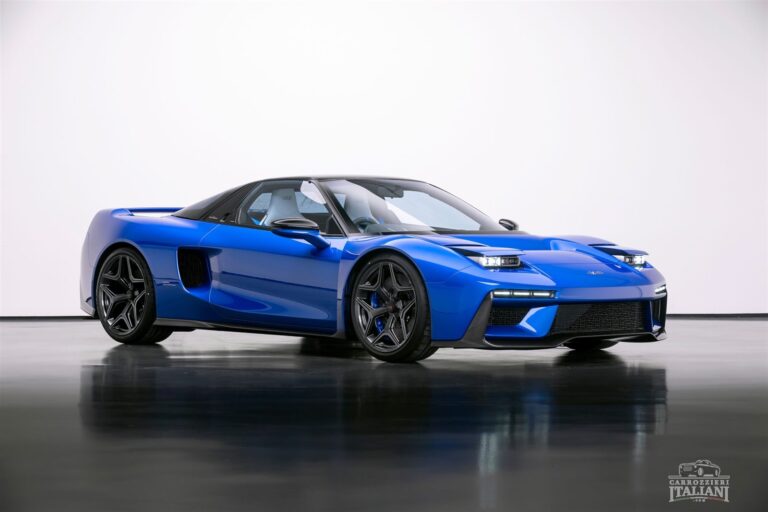
JAS Tensei Designed by Pininfarina: The Honda NSX Reborn
Unveiled on 8 October 2026, the JAS Tensei brings together the motorsport expertise of JAS Motorsport and the design heritage of Pininfarina, transforming the original Honda NSX into an exclusive, carbon-fibre-bodied supercar.…
Read story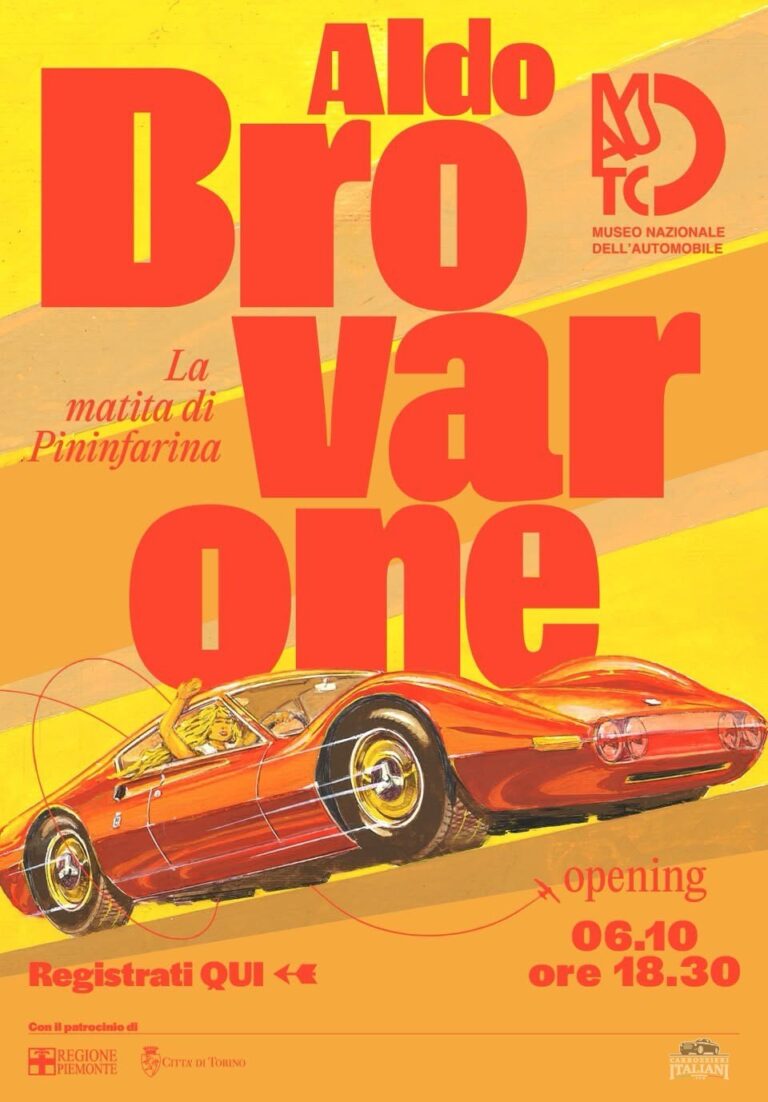
MAUTO to Celebrate Aldo Brovarone with New Exhibition in Turin
The Museo Nazionale dell’Automobile in Turin will open a new exhibition dedicated to Aldo Brovarone, one of the most distinctive figures in post-war Italian automotive design.
Read story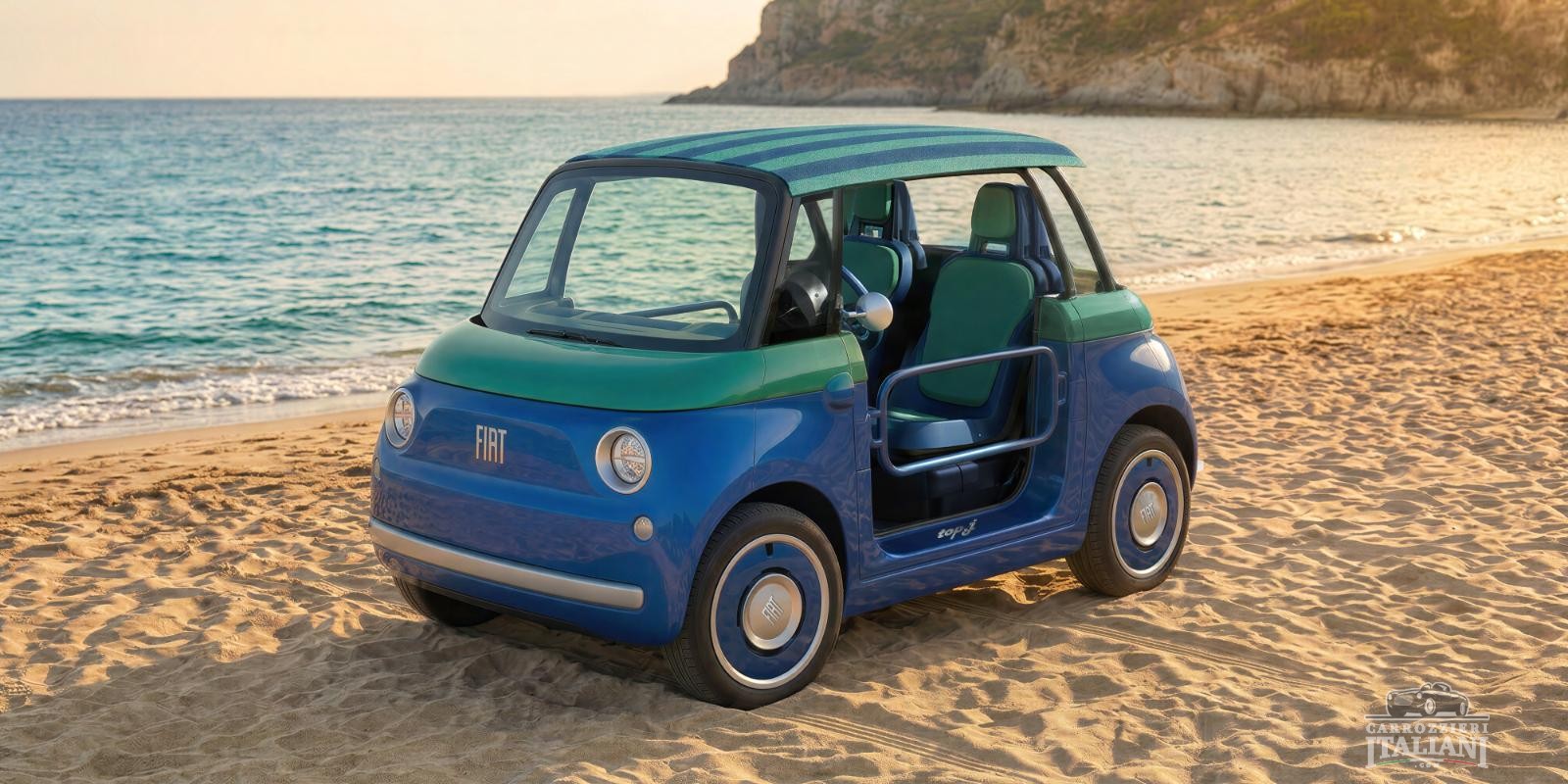
Giugiaro and Lapo Elkann Reinvent the Fiat Topolino
Giugiaro and Lapo Elkann Reinvent the Fiat Topolino with Two GFG Style One-Offs GFG Style has unveiled two radically different interpretations of the Fiat Topolino at Salone Auto Torino 2026, marking the…
Read story
THE CONVERSATION
Comments 0
Share a memory, a period photograph or a documented detail about this story.