
Bertone unveils the new Runabout, reviving a 1969 icon
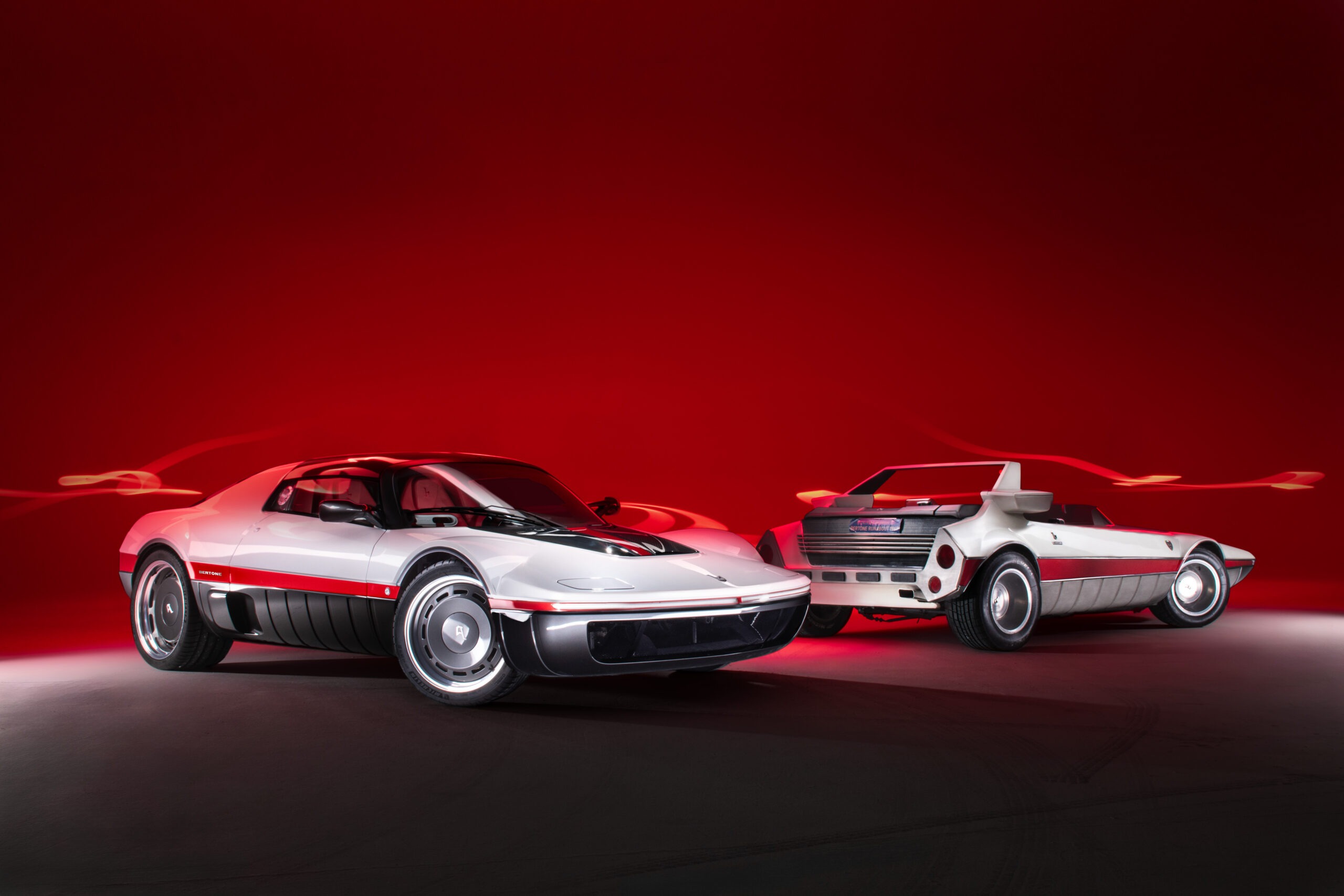
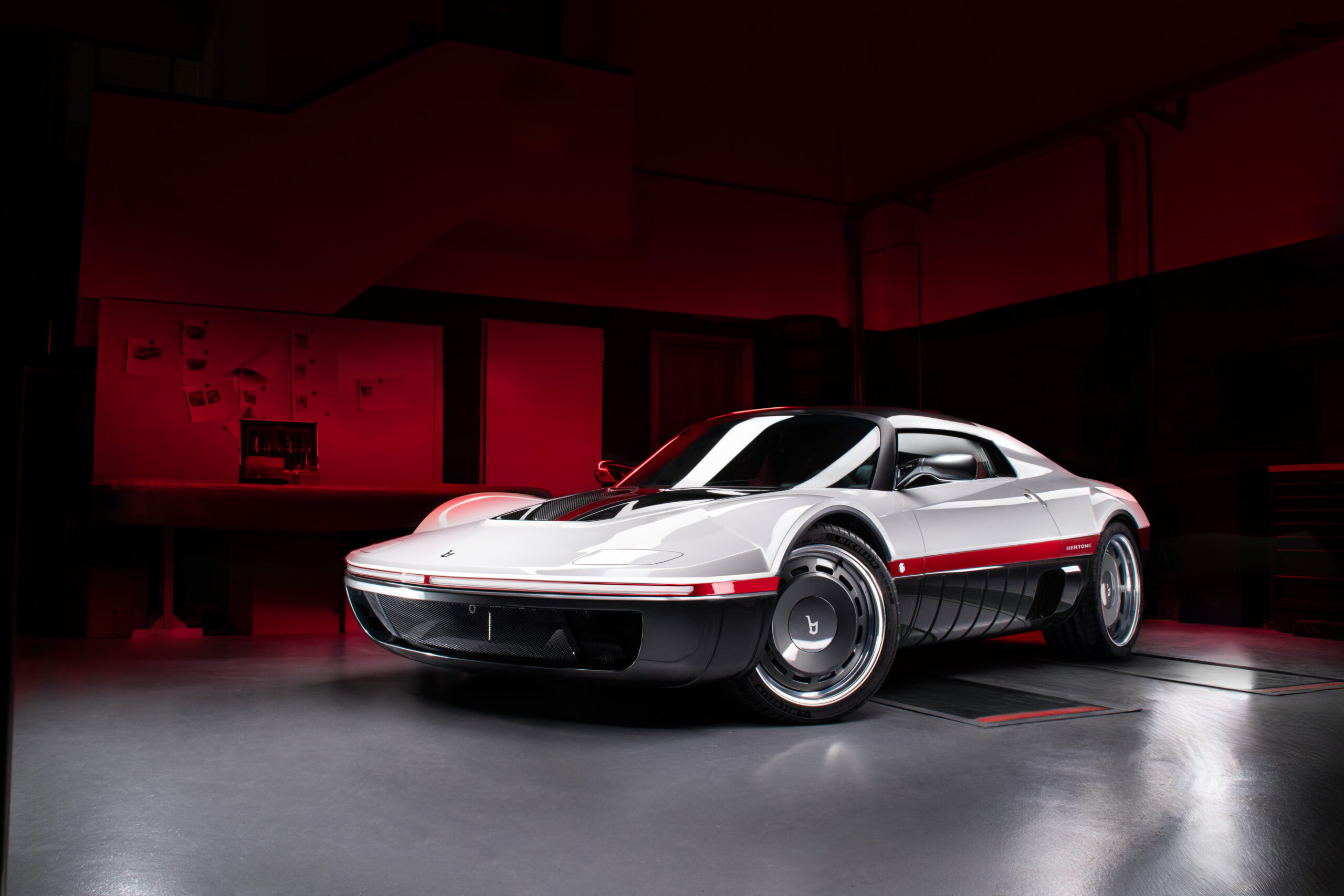
Turin, Italy — Bertone has unveiled the new Bertone Runabout, a limited-series coachbuilt sports car that inaugurates the Bertone Classic Line and reinterprets one of the brand’s most radical concepts from the late 1960s. Presented within the Ultimate Supercar Garage in co-location with Rétromobile 2026, the Runabout establishes a direct dialogue between Bertone’s conceptual heritage and contemporary automotive design.
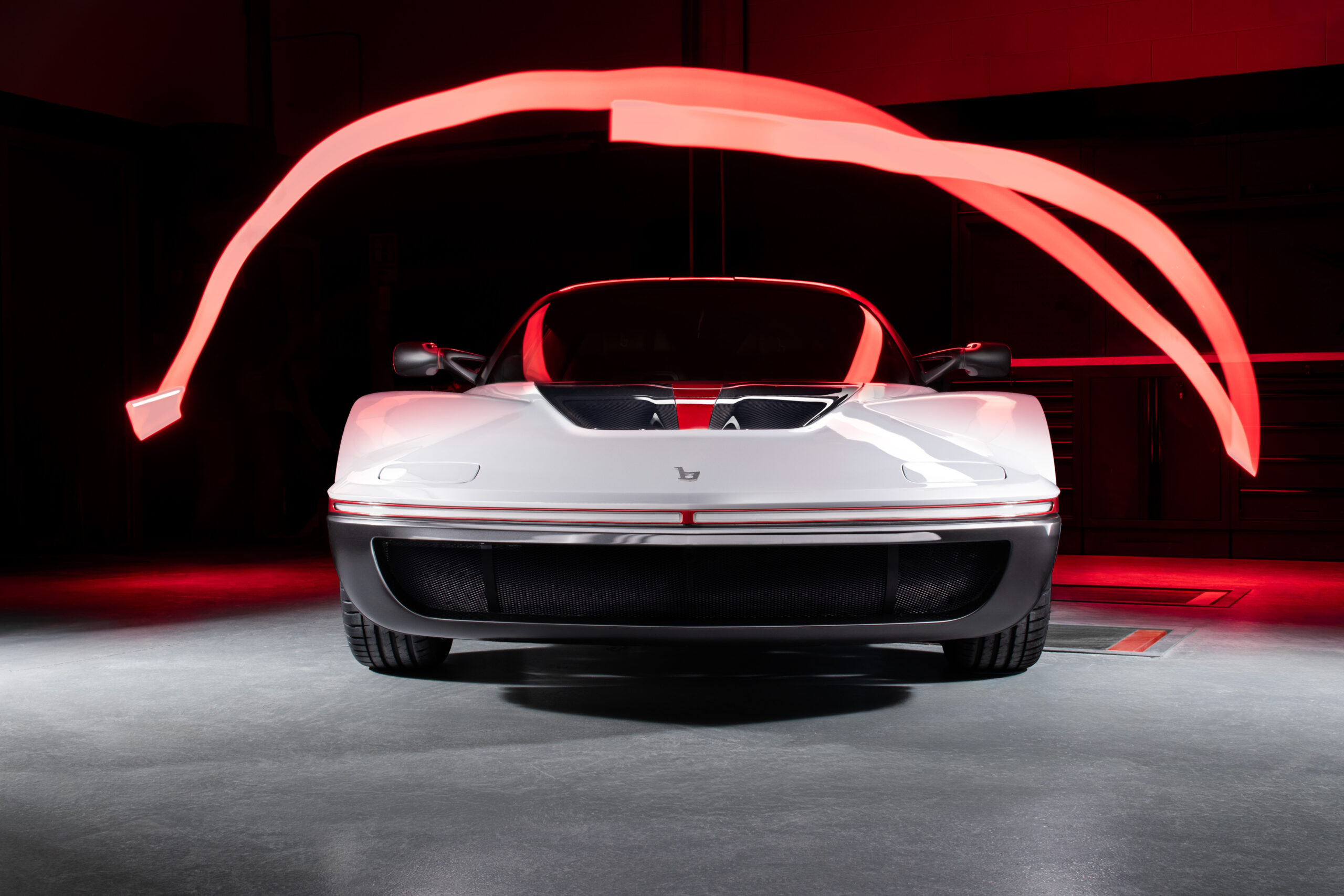
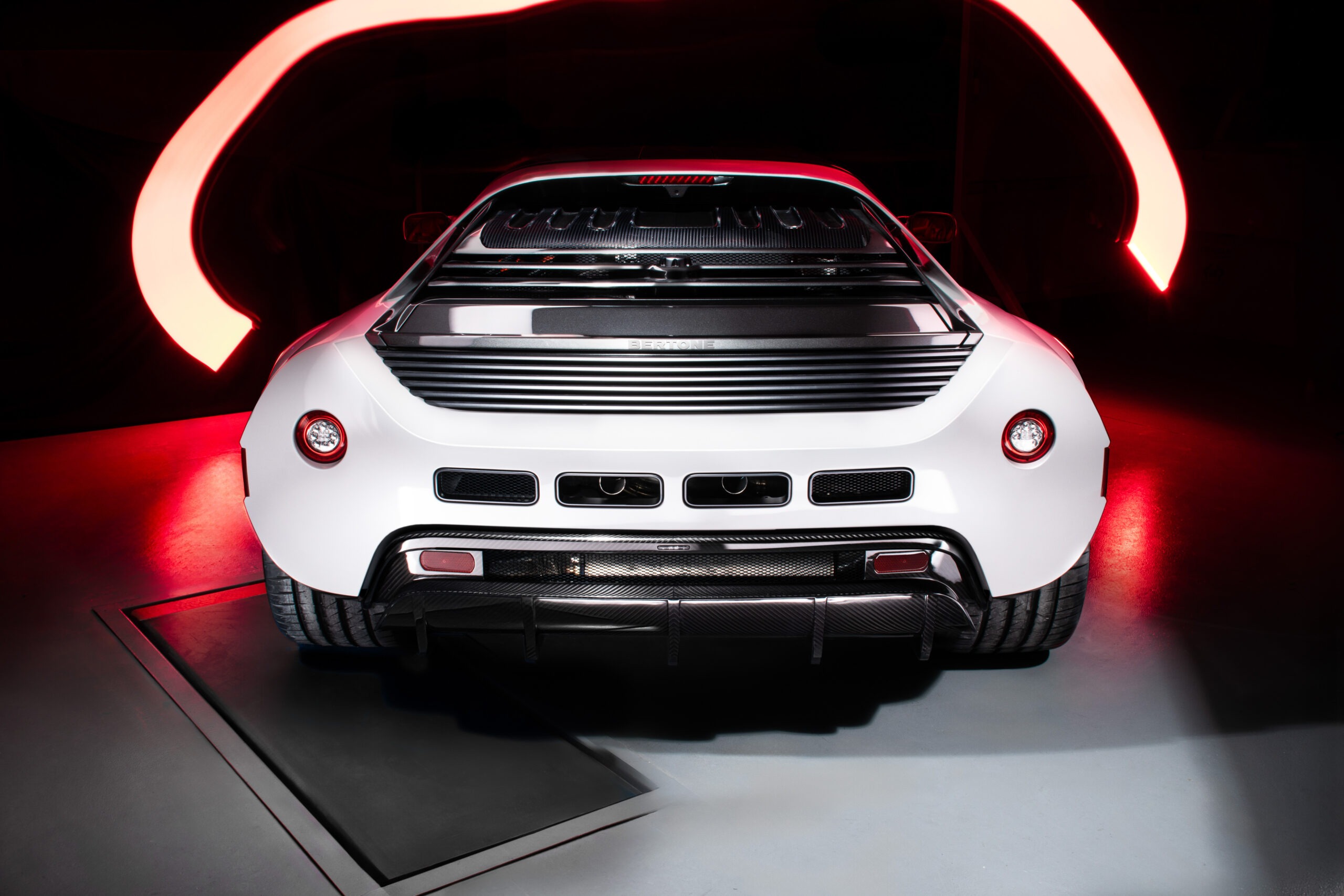
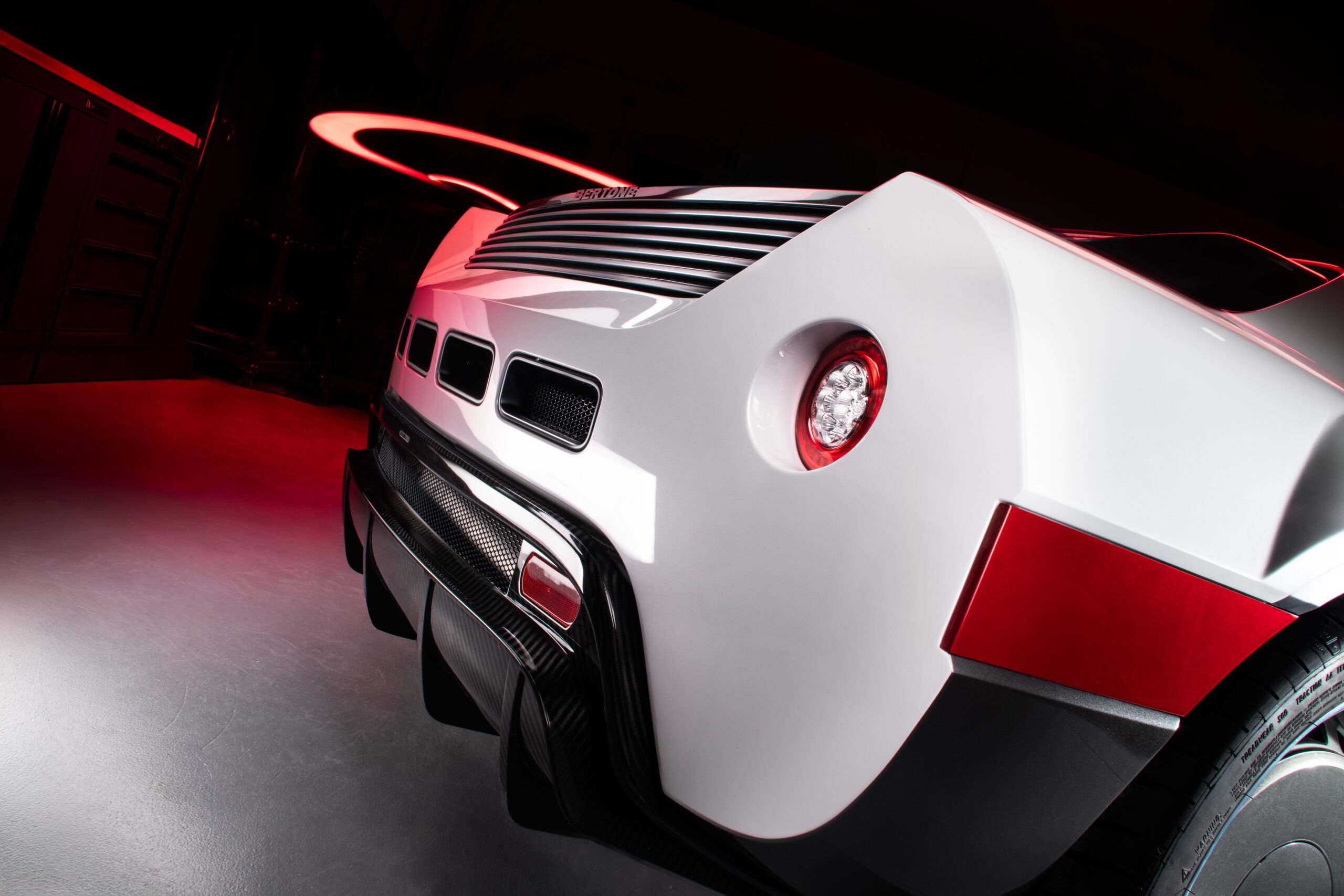
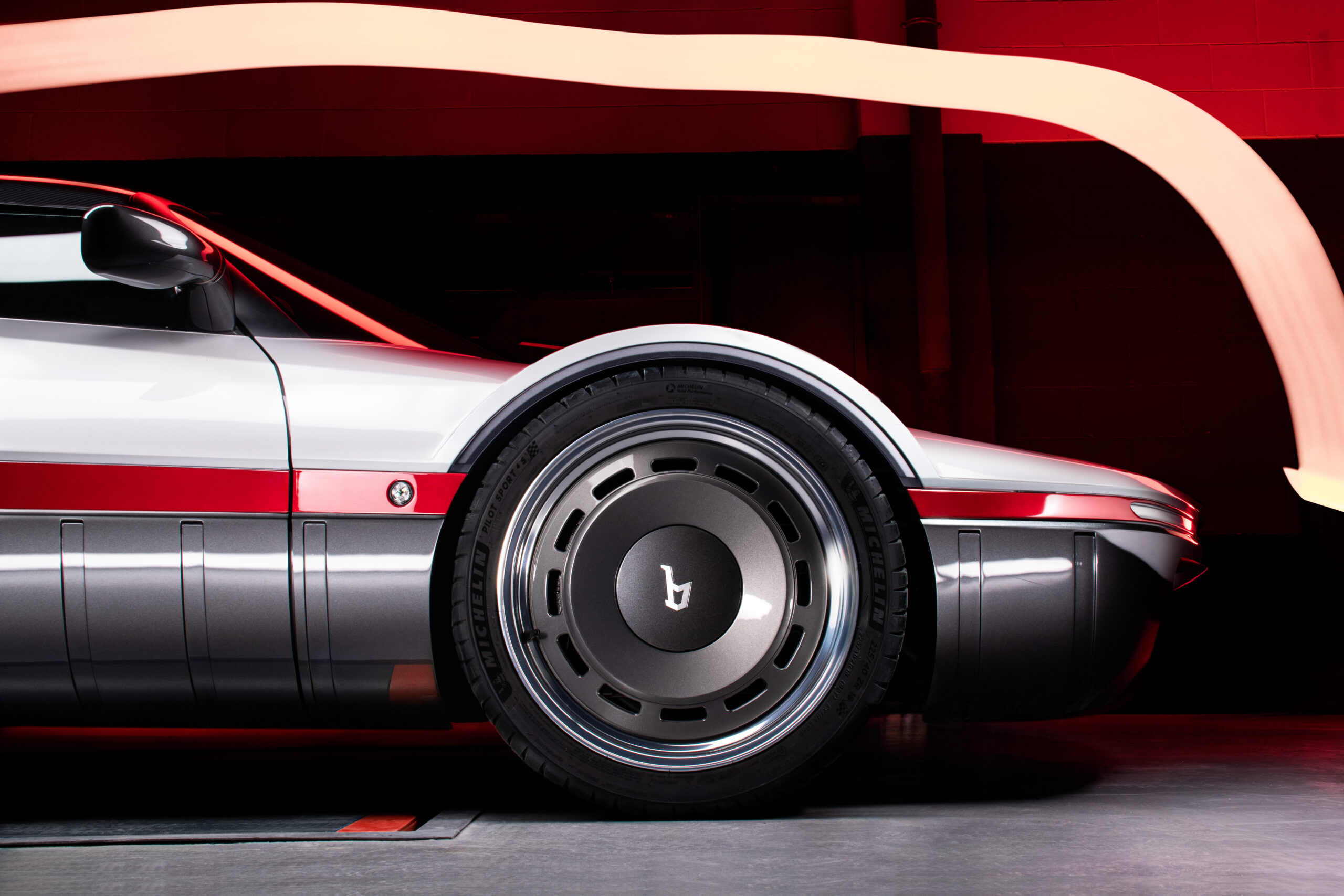
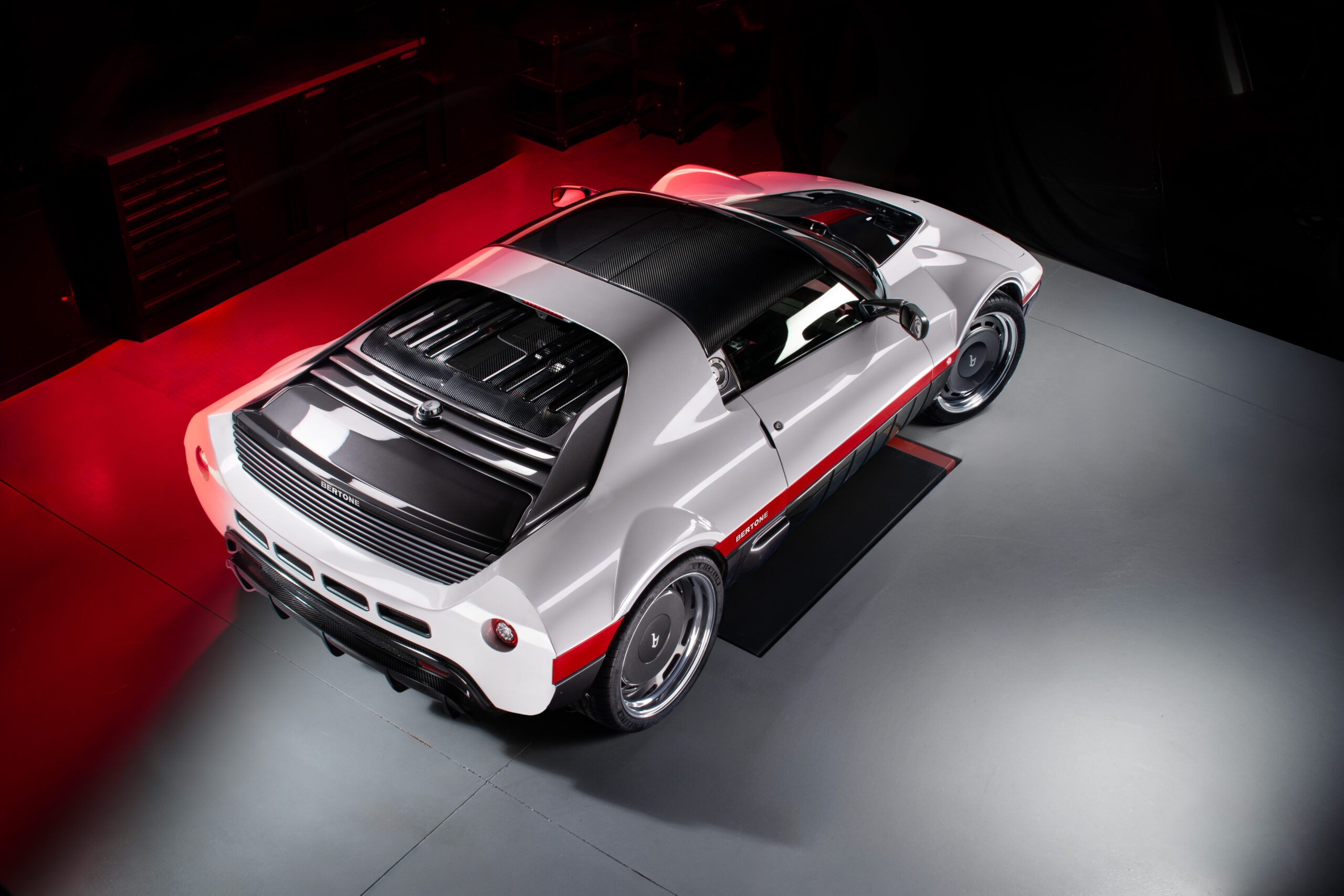
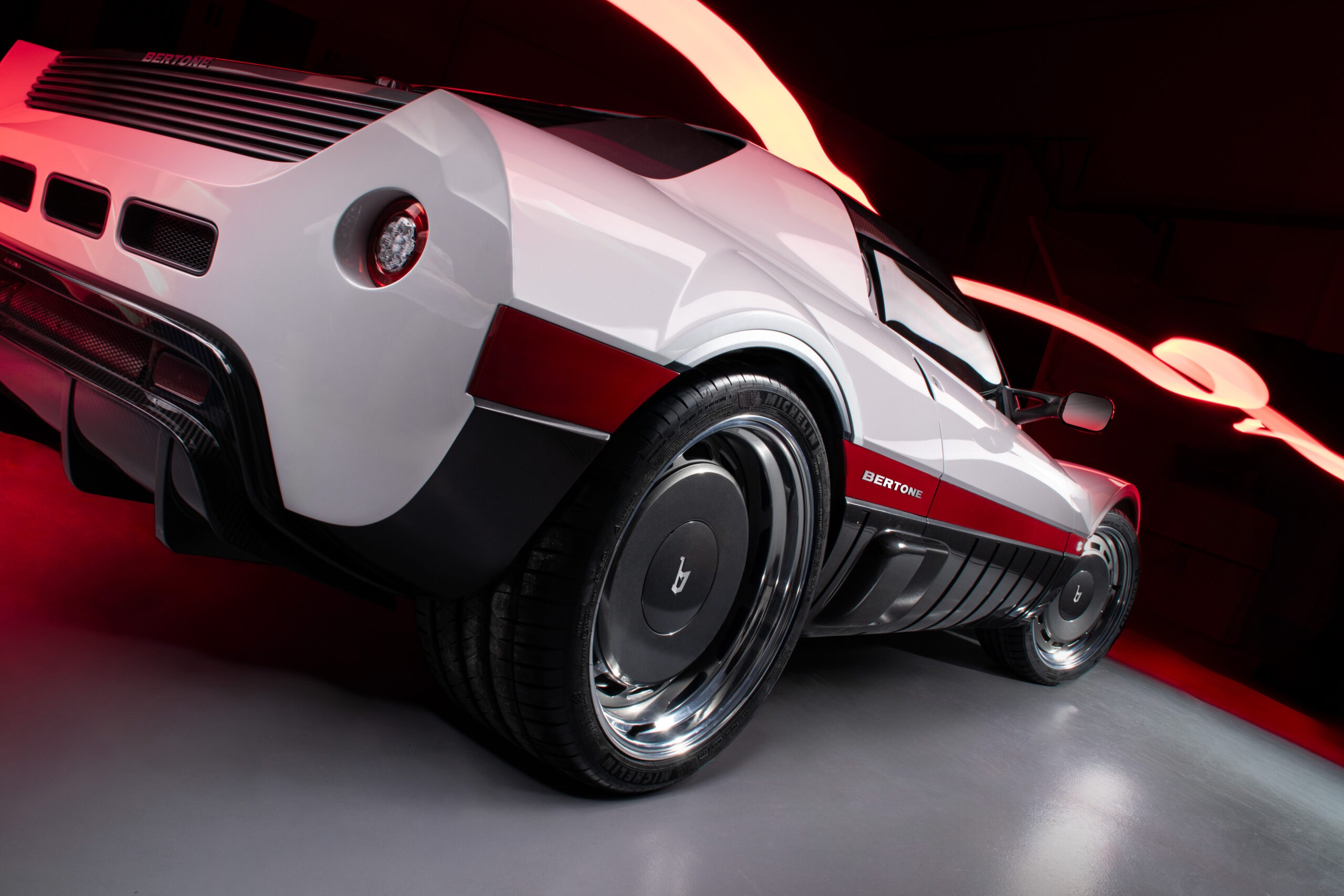
The original Runabout concept, introduced in 1969, emerged during a period of intense experimentation within Bertone’s Centro Stile, characterized by nautical references, exposed mechanical elements, and unconventional proportions. The 2026 Runabout revisits that philosophy through a contemporary architectural framework governed by two defining gestures: the forward-leaning wedge line and the coda tronca. These elements determine the car’s proportions, stance, and visual tension, resulting in a compact, low, and forward-oriented silhouette.
Two body interpretations, one architecture
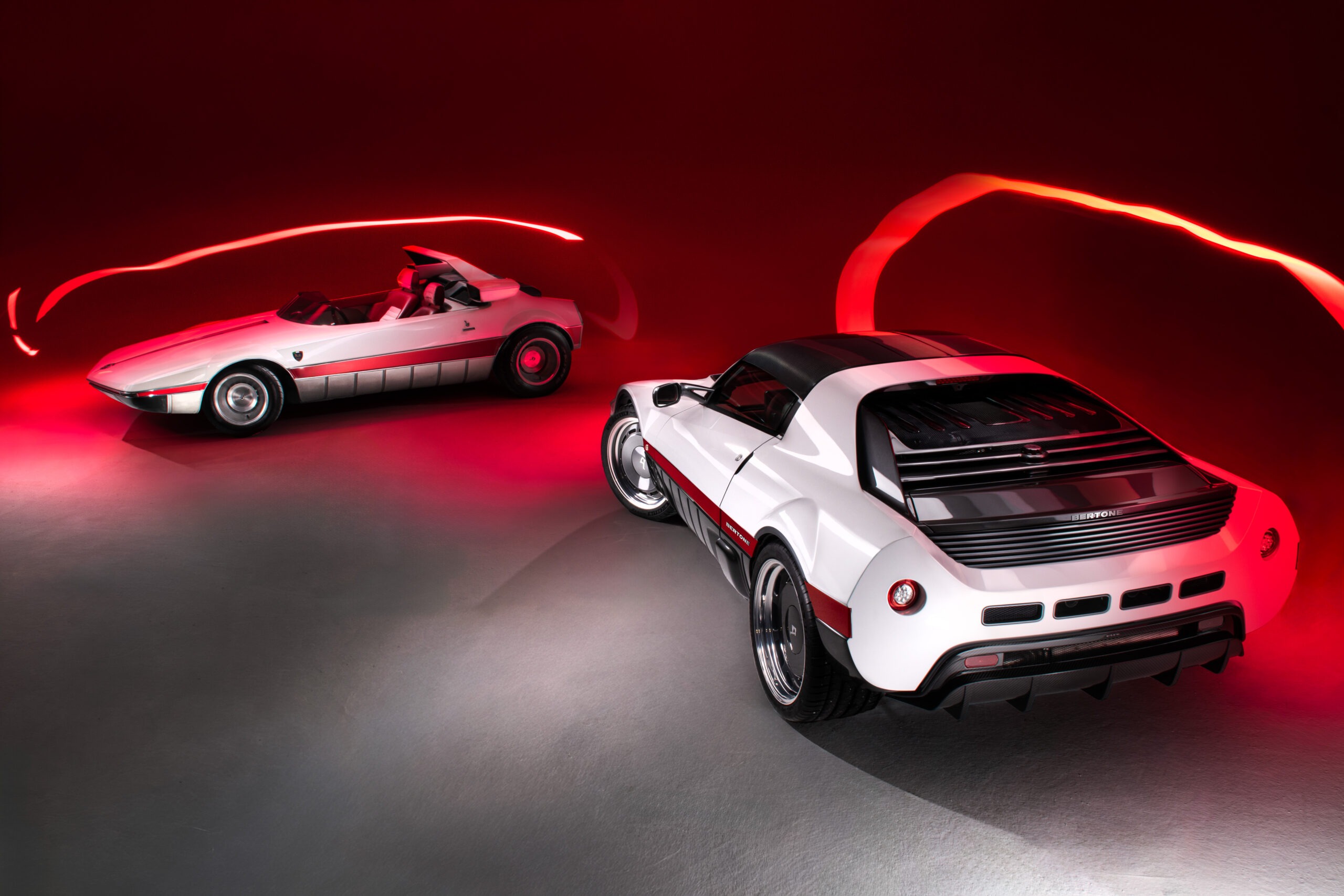
The original Runabout concept, introduced in 1969, emerged during a period of intense experimentation within Bertone’s Centro Stile, characterized by nautical references, exposed mechanical elements, and unconventional proportions. The 2026 Runabout revisits that philosophy through a contemporary architectural framework governed by two defining gestures: the forward-leaning wedge line and the coda tronca. These elements determine the car’s proportions, stance, and visual tension, resulting in a compact, low, and forward-oriented silhouette.
Designer perspective
Andrea Mocellin, Design Lead for the project, describes the guiding philosophy behind the Runabout:
“Our intention from the beginning was to translate the essence of the 1969 Runabout into a car that feels entirely relevant today. The process didn’t start from styling but from spirit: the nautical inspiration, the playfulness, and the purity of purpose that defined the original.”
Rather than replicating historical forms, the design team focused on reinterpretation:
“We approached history not as a set of shapes to copy, but as a set of values to reinterpret. The 1969 Runabout was audacious, experimental, and refreshingly simple — those qualities became our north star.”
Proportion played a central role in shaping the vehicle:
“The compact, low, forward-oriented stance creates immediacy and motion even at rest. The forward-leaning wedge communicates readiness and agility, like the prow of a boat cutting through water.”
Interior and material approach
The interior adopts a naval-inspired layout centered on a hull-shaped structural tub that integrates occupants deep within the car. A single, continuous horizontal dashboard reinforces visual calm and width, while instrumentation is reduced to a centrally positioned digital tachometer. A nautical compass integrated into the dashboard reinforces the Runabout’s maritime inspiration.
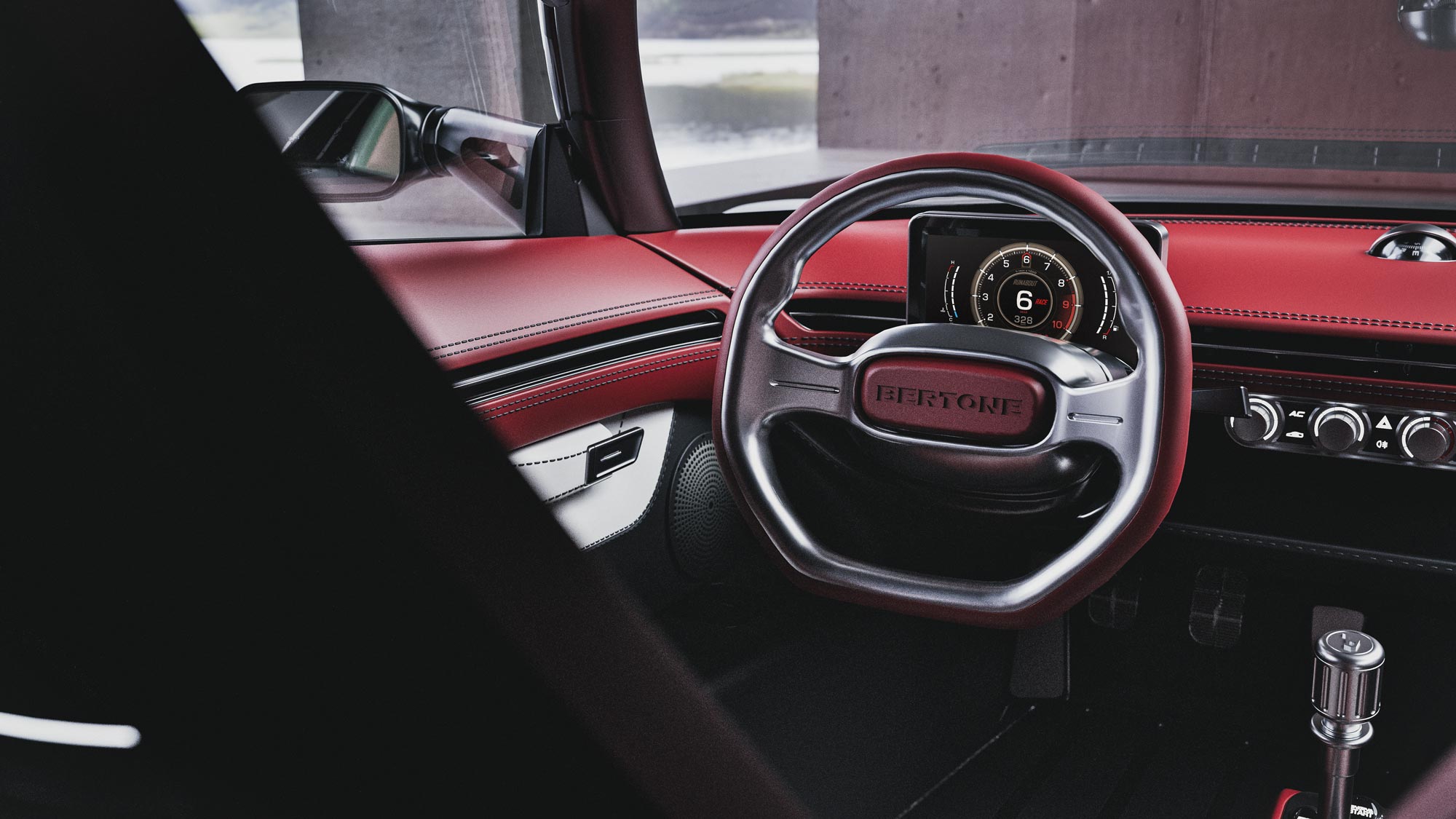
Material execution prioritizes mechanical honesty and tactile quality. Carbon-fiber seat shells, precision-machined aluminum components, exposed mechanisms, and hand-finished leather define an environment focused on analog engagement. A gated six-speed manual shifter remains a central functional and visual element.
Architecture, powertrain, and performance
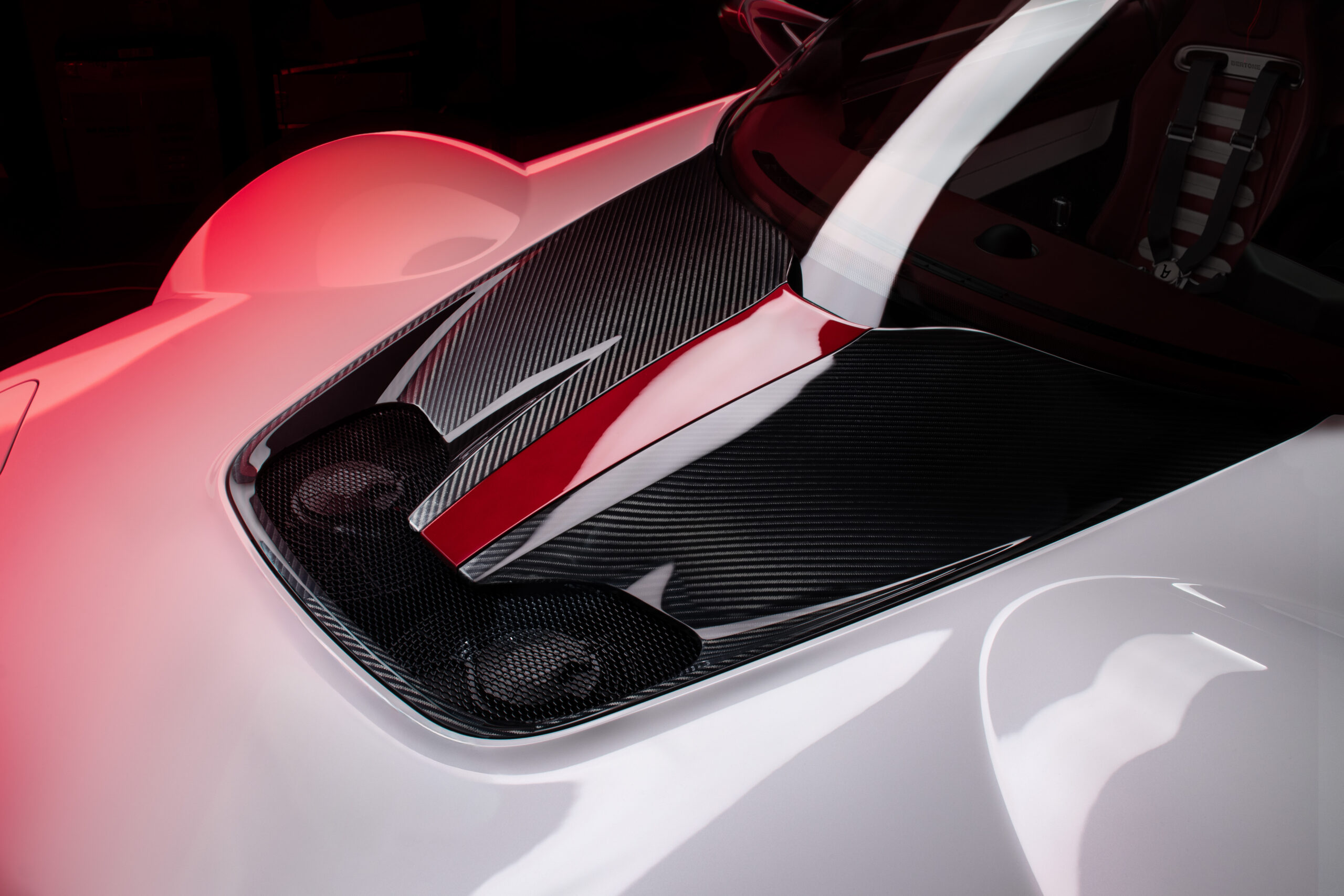
The Runabout is fully coachbuilt using carbon-fiber body panels mounted on a lightweight bonded aluminum chassis with extruded aluminum architecture. Each vehicle is constructed on an individually assigned chassis and is issued its own unique VIN, underlining its status as a fully realized automobile rather than a derivative conversion.
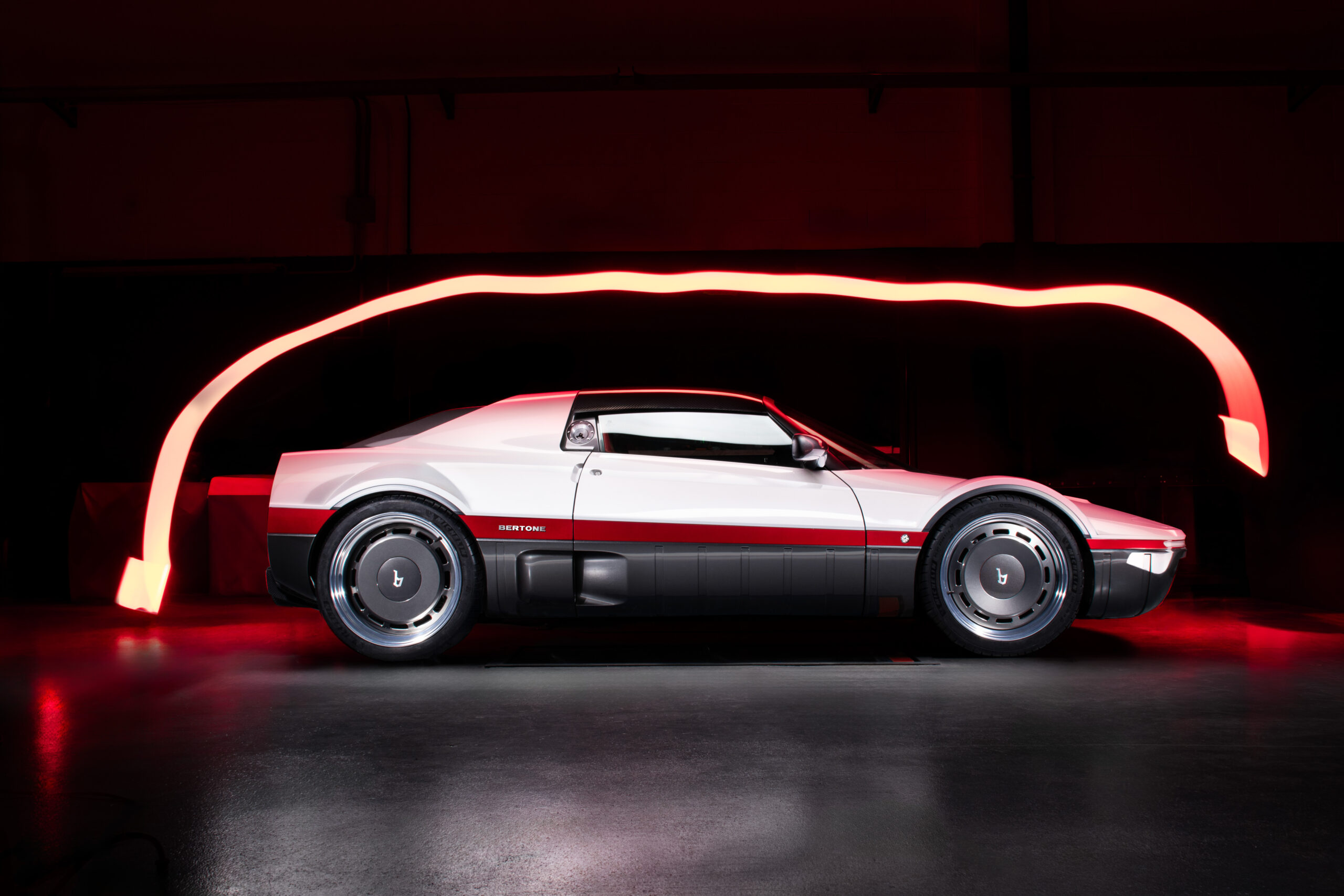
Power is supplied by a Toyota-sourced 3.5-liter supercharged 60-degree V6, delivering approximately 475 hp and 490 Nm of torque, paired with a six-speed close-ratio manual transmission. The engine is mounted transversely in a mid-engine configuration to optimize weight distribution and driver involvement. Performance figures include 0–100 km/h in 4.1 seconds, a top speed of 270 km/h, and a curb weight of 1,057 kg, resulting in a 2.45 kg/hp power-to-weight ratio.
Limited production and presentation
Production of the Bertone Runabout is strictly limited to 25 units, each configured through a bespoke process developed in collaboration with Bertone Centro Stile, allowing clients to define materials, colors, textures, and finishes. Pricing starts at €390,000 before taxes and duties.
At Rétromobile 2026, the Runabout is displayed alongside the Bertone GB110 and the original 1969 Runabout concept, creating a direct visual comparison that highlights the continuity and enduring relevance of Bertone’s design language across generations.
CONTINUE READING
Posts You Might Like

Castagna Milano’s Alfa Romeo Giulia coupé-cabriolet: a new Antisalon for Italian coachbuilding
Eighty years after Battista Farina's famous protest at the Paris Motor Show, Gioacchino Acampora presents a radical two-seat Alfa Romeo Giulia as a manifesto for the survival of independent coachbuilding. In October…
Read story
JAS Tensei Designed by Pininfarina: The Honda NSX Reborn
Unveiled on 8 October 2026, the JAS Tensei brings together the motorsport expertise of JAS Motorsport and the design heritage of Pininfarina, transforming the original Honda NSX into an exclusive, carbon-fibre-bodied supercar.…
Read story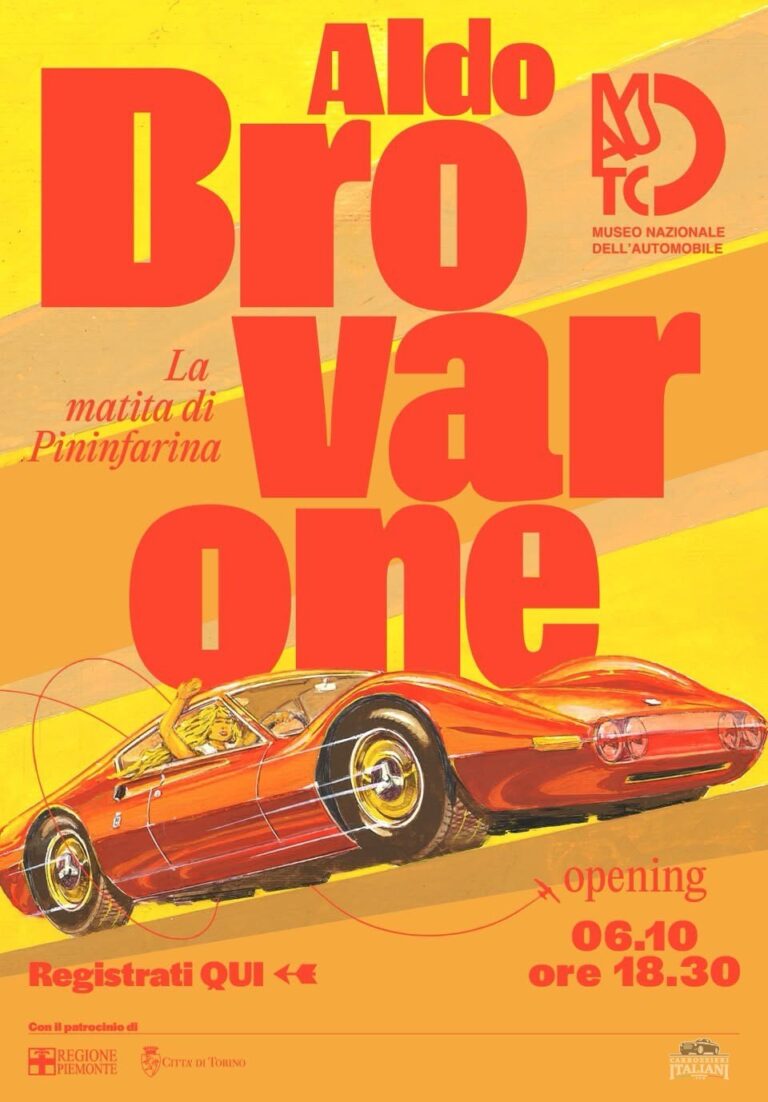
MAUTO to Celebrate Aldo Brovarone with New Exhibition in Turin
The Museo Nazionale dell’Automobile in Turin will open a new exhibition dedicated to Aldo Brovarone, one of the most distinctive figures in post-war Italian automotive design.
Read story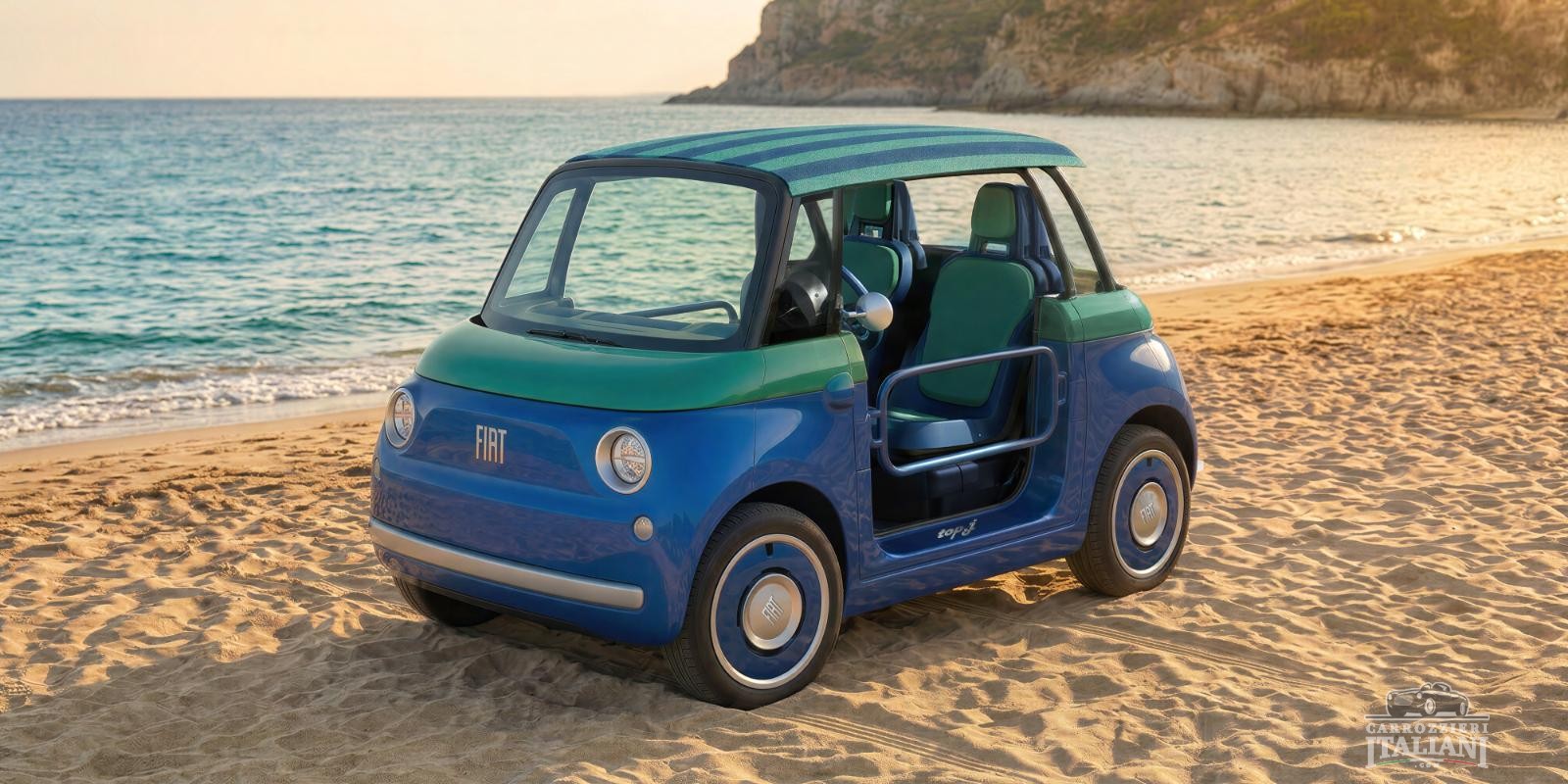
Giugiaro and Lapo Elkann Reinvent the Fiat Topolino
Giugiaro and Lapo Elkann Reinvent the Fiat Topolino with Two GFG Style One-Offs GFG Style has unveiled two radically different interpretations of the Fiat Topolino at Salone Auto Torino 2026, marking the…
Read story
THE CONVERSATION
Comments 0
Share a memory, a period photograph or a documented detail about this story.