
THE VEHICLE AT A GLANCE
Model dossier
- Production period
- 1995–1998
- Body style
- Van
- Type
- Mass
THE PEOPLE BEHIND THE CAR
Coachbuilding, design & conversions

PRICE & SALES RECORD
Vehicle value
- Original price
- Not documented
- Latest recorded sale
- Not documented
01 / THE STORY
History & context
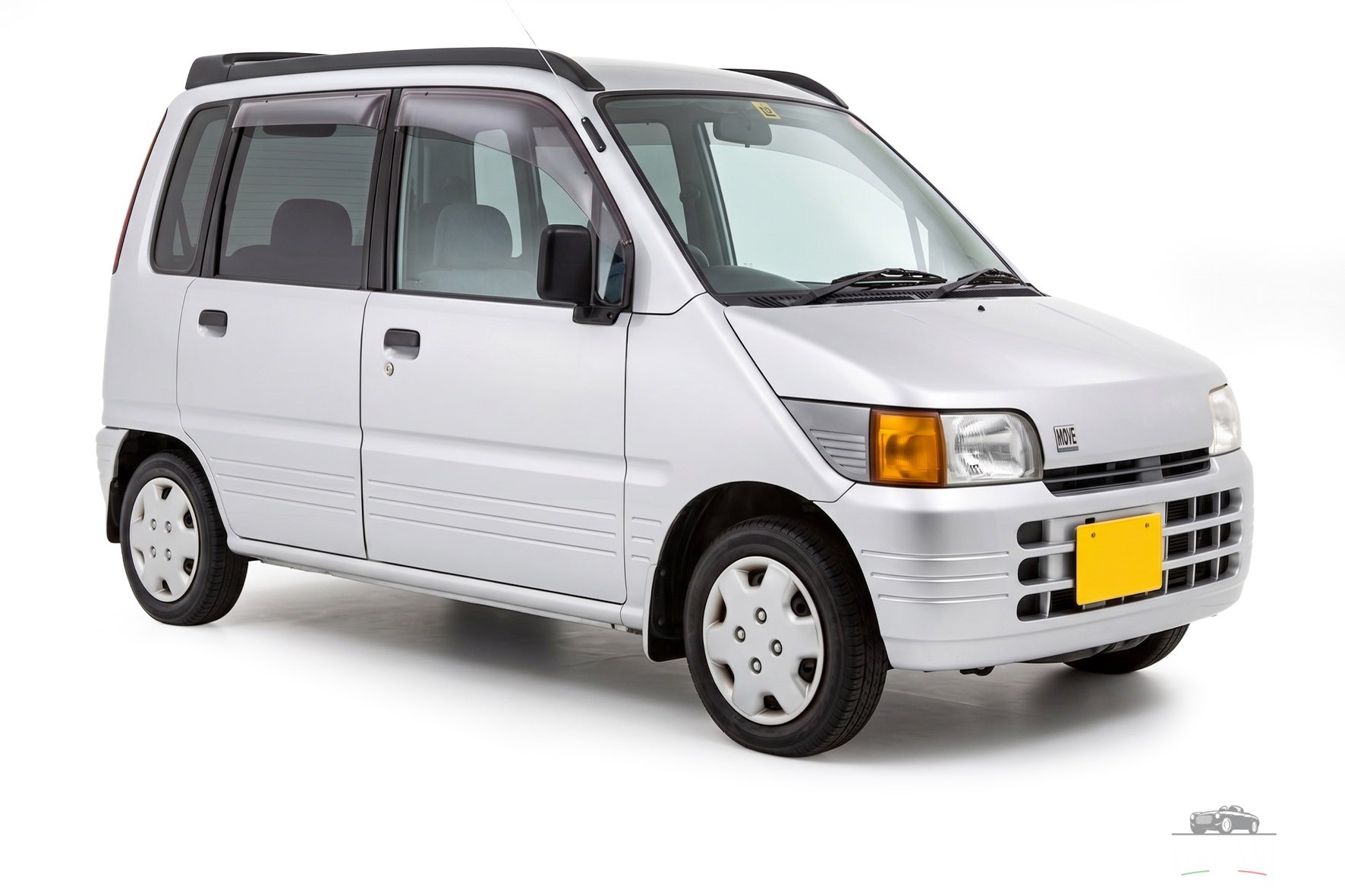
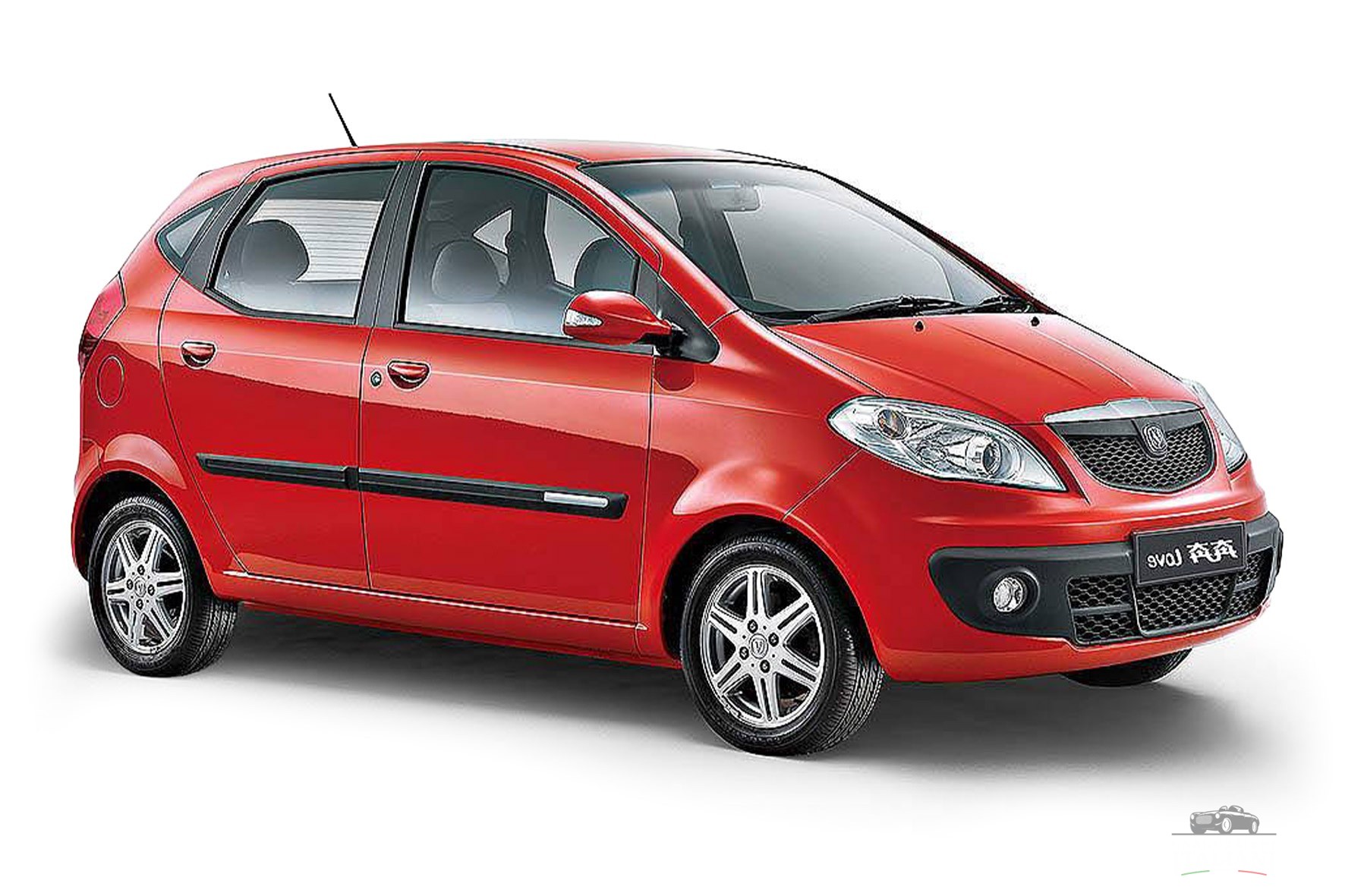
The Daihatsu Move first generation, introduced in August 1995, represented a significant step in the evolution of kei cars in Japan. Developed by Daihatsu in collaboration with the Italian design and engineering firm I.DE.A Institute, the Move offered a blend of European styling and Japanese compact car engineering. The vehicle was conceived to meet the growing demand for space-efficient, practical urban transportation within the constraints of Japan’s strict kei car regulations. Built on the underpinnings of the Daihatsu Mira, the Move distinguished itself with a tall, boxy silhouette that maximized interior space without exceeding the dimensional limitations set for kei cars. The design by I.DE.A Institute emphasized verticality, offering increased headroom and improved cabin comfort in a car with a relatively small footprint. This approach helped to establish a new microvan-like subcategory within the kei car segment, influencing future designs from Daihatsu and other Japanese manufacturers. In the Japanese domestic market, the Move was powered by a 659 cc three-cylinder engine, available in both naturally aspirated and turbocharged variants to suit different customer needs. For export markets, particularly in Europe, the car was fitted with a slightly larger 847 cc engine to comply with local regulations. The Move was offered with either front-wheel drive or all-wheel drive, and customers could choose between manual and automatic transmissions. Inside, the Move featured a versatile and practical interior layout, with a flat floor and upright seating to enhance comfort and usability. Its large windows and upright driving position provided excellent visibility, making it particularly well-suited to city driving. Sliding rear seats and fold-flat functionality further increased the utility of the compact cabin. The first-generation Move was well received, particularly in Japan, where it quickly became one of Daihatsu’s best-selling models. More than half a million units were produced during its production run, underscoring its popularity and the effectiveness of its design. The collaboration with I.DE.A Institute demonstrated the potential of international partnerships in creating innovative small car solutions and helped establish the Move as a pioneering model in the tall-boy kei car category.
IN THE ARCHIVE
Coachbuilders & design studios
02 / TECHNICAL IDENTITY
Specifications & construction
Production & construction
- Production type
- Mass
- Production from
- 1995
- Production to
- 1998
- Production notes
- Only the first-generation Move is canonicalized here as an I.DE.A Institute design. Later generations/restyles must not inherit the attribution automatically.
Engine & performance
- Specification notes
- First-generation 1995 Daihatsu Move invariant body baseline from Daihatsu official catalogue: wheelbase 2300 mm, length 3295 mm, width 1395 mm. Height, engine, drivetrain and weight vary by grade (including tall-roof/turbo/4WD variants), so they remain variant-level.
Dimensions & accommodation
- Wheelbase
- 2,300 mm
- Length
- 3,295 mm
- Width
- 1,395 mm
Design & manufacture
- Manufacturer · Documented
- Daihatsu
- Design Studio · Documented
- I.DE.A Institute
- Designer · Candidate
- Justyn Norek
06 / EVENTS & AWARDS
Events & awards
No events or documented awards are currently recorded for this vehicle.
07 / THE VEHICLE IN DETAIL
Photo gallery 1 photographs
08 / FROM THE ARCHIVE
Archive
References held in the vehicle dossier. Their inclusion does not establish that every historical claim has been independently verified.
| Reference | Source type |
|---|---|
| Daihatsu U-CATCH — Move CA/SR, August 1995 u-catch.daihatsu.co.jp | Manufacturer official catalogue |

THE CONVERSATION
Comments 0
Share a memory, a period photograph or a documented detail about this car.