
THE PEOPLE BEHIND THE CAR
Coachbuilding, design & conversions

PRICE & SALES RECORD
Vehicle value
- Original price
- Not documented
- Latest recorded sale
- Not documented
01 / THE STORY
History & context
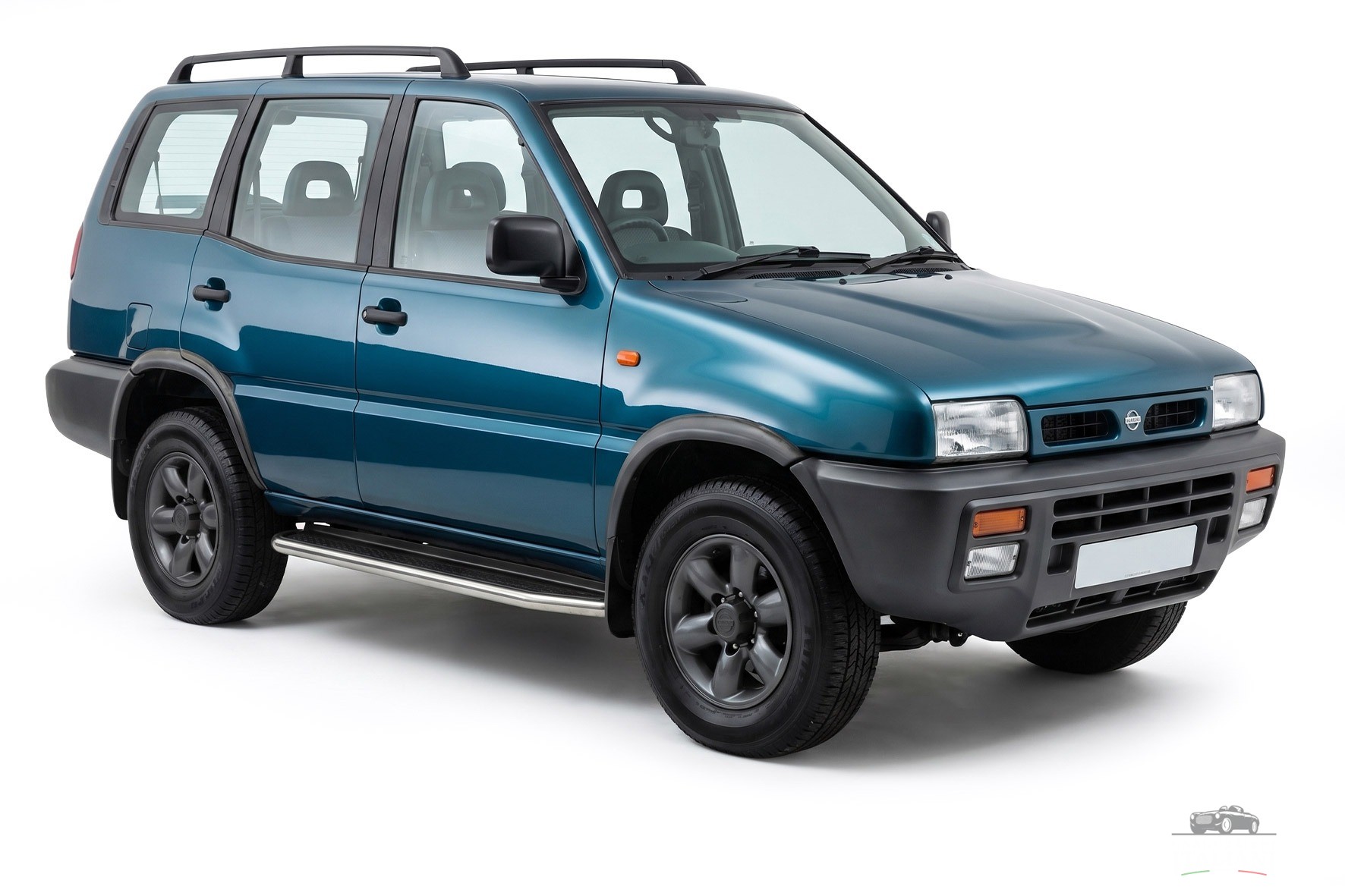
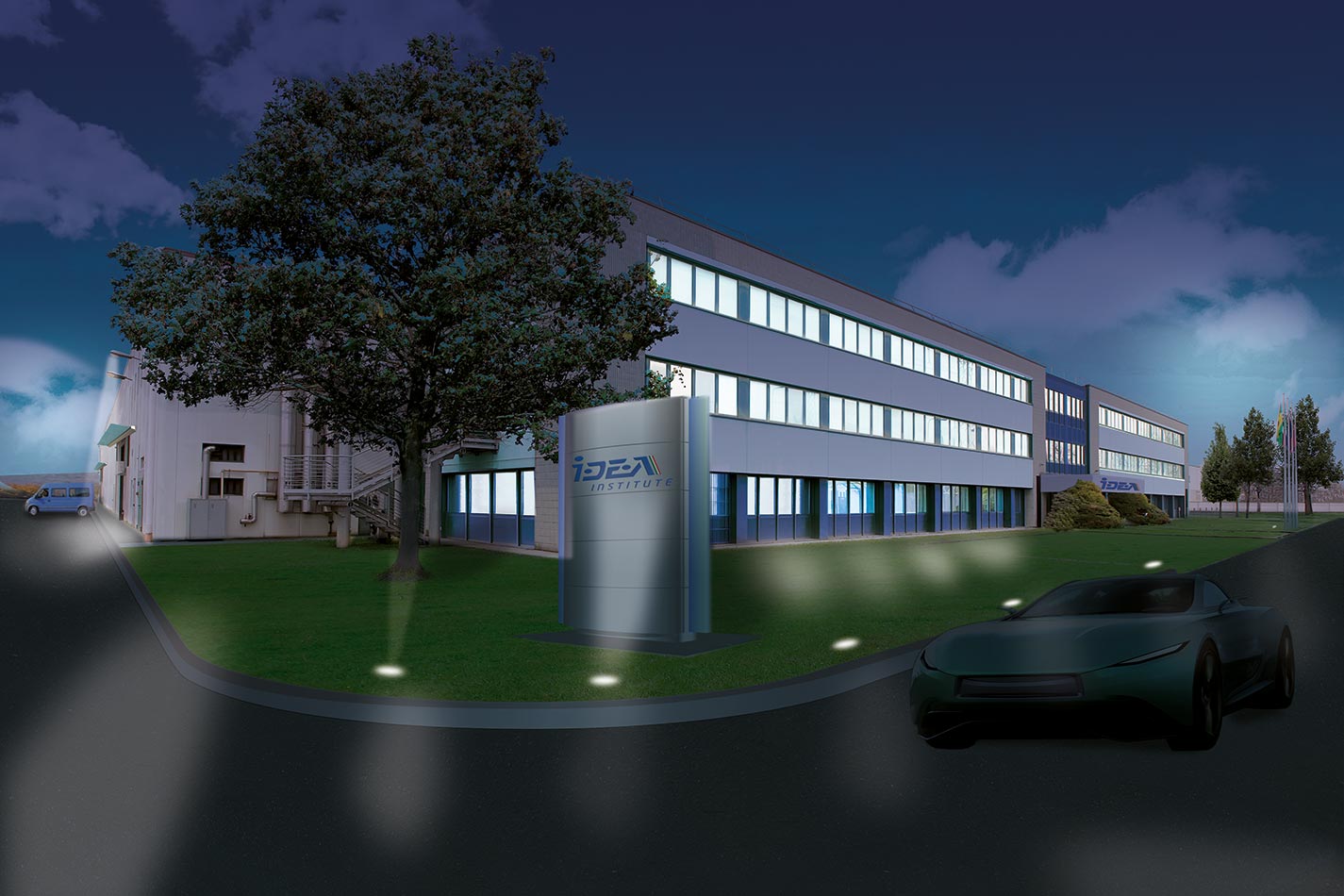
The Nissan Terrano II is a compact SUV produced from 1993 to 2006 by Japanese automaker Nissan, specifically targeting the European market. Unlike its larger, globally marketed counterpart, the Terrano II was developed with regional preferences in mind and assembled by Nissan Motor Ibérica S.A., the company’s Spanish subsidiary. Its design and production were tailored to meet the growing European demand for versatile, mid-size utility vehicles that offered both urban usability and light off-road capability. One of the most distinguishing features of the Terrano II was its exterior styling, created by the Italian design studio I.DE.A Institute. The tall, upright body with pronounced ground clearance contributed not only to its off-road presence but also to a more commanding driving position. The boxy silhouette, large glass surfaces, and compact overhangs were emblematic of 1990s SUV design, offering practicality and robust aesthetics. The vehicle was available in both three-door and five-door variants, appealing to a broad customer base, from lifestyle users to small families. The Terrano II was also sold as the Ford Maverick in select European markets under an OEM agreement with Ford Europe, marking a rare instance of badge engineering between two major manufacturers. Both versions shared platforms and mechanical components, with minor cosmetic differences. Built on a body-on-frame chassis derived from the earlier WD21 Nissan Terrano, the Terrano II featured rear- or four-wheel-drive layouts and a range of engines over its lifecycle, including 2.4-liter petrol and 2.7-liter turbodiesel options. The vehicle underwent multiple facelifts and mechanical updates to remain competitive, including improvements to interior quality, safety features, and powertrains. Though not a global best-seller, the Terrano II enjoyed steady popularity in Europe thanks to its rugged image, reliable engineering, and affordable pricing. It served as a precursor to Nissan’s future crossovers like the X-Trail and Qashqai, which would adopt unibody platforms and more car-like dynamics. The Terrano II remains notable for its distinctive design origins with the I.DE.A Institute and for its role in shaping Nissan’s compact SUV strategy during the 1990s and early 2000s.
IN THE ARCHIVE
Coachbuilders & design studios
02 / TECHNICAL IDENTITY
Specifications & construction
Production & construction
- Production type
- Mass
- Mechanical platform
- Nissan Terrano II R20
Engine & performance
- Specification notes
- TECH 2026-09-21 — Nissan manufacturer documentation identifies this production family as the R20 Terrano II. R20 is structured as the platform/family base; short/long wheelbase and 3-/5-door dimensions remain variant-level.
Design & manufacture
- Manufacturer · Documented
- Nissan
- Design Studio / Engineering · Documented
- I.DE.A Institute
- Designer · Documented
- Ercole Spada
06 / EVENTS & AWARDS
Events & awards
No events or documented awards are currently recorded for this vehicle.
07 / THE VEHICLE IN DETAIL
Photo gallery 1 photographs
08 / FROM THE ARCHIVE
Archive
References held in the vehicle dossier. Their inclusion does not establish that every historical claim has been independently verified.
| Reference | Source type |
|---|---|
| Nissan Terrano II R20 Service Manual (1993) www.scribd.com | Manufacturer service manual reference |


THE CONVERSATION
Comments 0
Share a memory, a period photograph or a documented detail about this car.