
THE VEHICLE AT A GLANCE
Model dossier
- Production period
- 1996
- Body style
- Coupé
- Type
- Design-proposal
THE PEOPLE BEHIND THE CAR
Coachbuilding, design & conversions

PRICE & SALES RECORD
Vehicle value
- Original price
- Not documented
- Latest recorded sale
- Not documented
01 / THE STORY
History & context
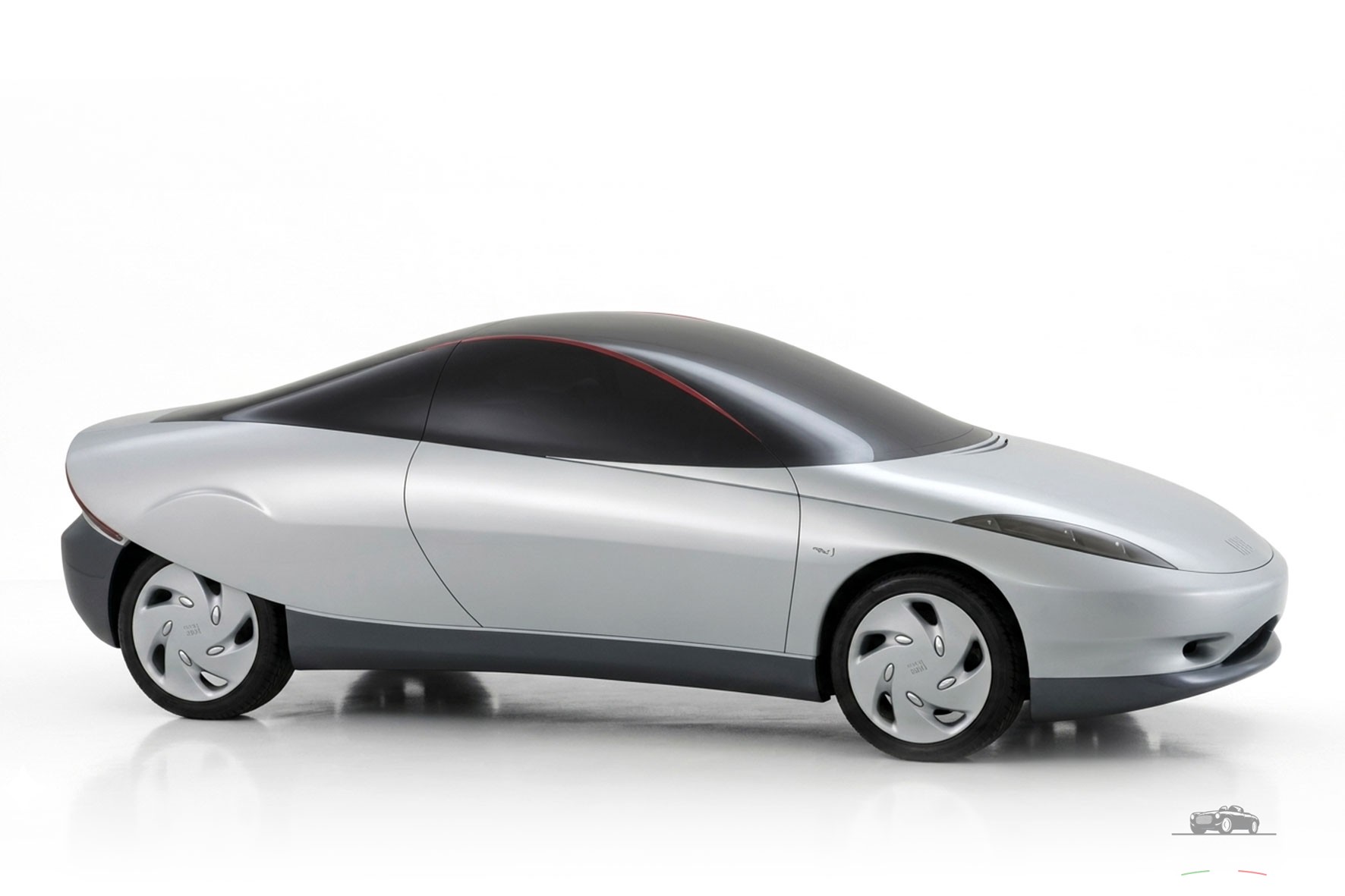
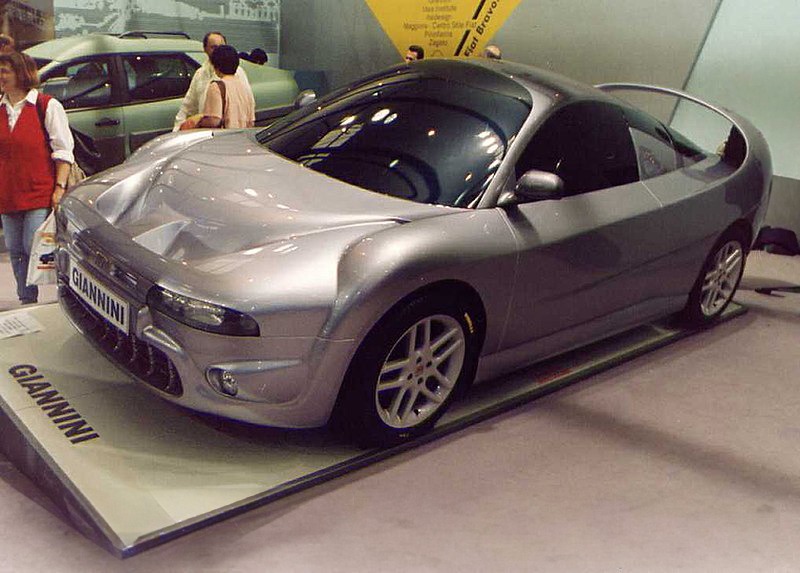
The Fiat Bravo Flair, presented at the 1996 Turin Auto Salon, represented Fioravanti’s innovative response to Fiat’s design competition for the Fiat Bravo concept. The name “Flair,” an acronym for “fluid air,” underscores the vehicle’s focus on using aerodynamic principles to enhance driving dynamics and efficiency. Building on previous aerodynamic studies such as the Sensiva 1994, which explored turbine-assisted forces, the Flair delves deeper into aerodynamic optimization, particularly targeting the vehicle’s lower and rear sections. This meticulous analysis achieved both a commendable drag coefficient (Cx) and effective braking performance, facilitated by advanced aerodynamic brakes. The Flair concept envisioned a classic Italian 2+2 coupe, characterized by sleek, flowing lines that minimize fuel consumption while leveraging air flow for braking. The design integrates aerodynamic elements to ensure high efficiency and performance. The engine hood features long transparent surfaces protecting the lighting elements, with a retractable windshield wiper system neatly integrated at the base of the windshield. At the front, a central air intake, optimized for aerodynamic efficiency, is framed by a deployable spoiler, while lateral brake air intakes provide a dynamic graphical element to the bumper area. The concept of aerodynamic brakes, traditionally used in aviation, is rarely applied in automotive design. In the Flair, electronics and sensors manage these devices to enhance braking performance. When the vehicle exceeds a certain speed and the brakes are engaged, both the upper and lower aerodynamic brakes deploy automatically before the traditional braking system intervenes. This system aims to deliver a more “natural” braking experience and reduce strain on the conventional braking components. The upper aerodynamic brake features a surface that remains flush in its resting position but rises to an almost vertical angle when braking. The lower aerodynamic brake consists of a wing-shaped profile that adjusts between minimum and maximum resistance during braking. At the rear of the Fiat Bravo Flair, a high-intensity LED strip encircles the “stern” of the vehicle, incorporating various functions, while dual rear-facing cameras replace traditional side mirrors, enhancing aerodynamics and reducing the vehicle’s visual aggressiveness.
IN THE ARCHIVE
Coachbuilders & design studios
02 / TECHNICAL IDENTITY
Specifications & construction
Production & construction
- Production type
- Design-proposal
Engine & performance
- Specification notes
- Fiat Bravo Flair Fioravanti design proposal: the canonical record represents a styling/design-proposal stage rather than a uniquely specified running vehicle. The current source dossier does not establish a project-specific powertrain or technical package; production-model specifications are deliberately not inherited.
Design & manufacture
- Manufacturer · Documented
- Fiat
- Designer · Documented
- Leonardo Fioravanti
- Design Studio / Engineering · Documented
- Fioravanti
06 / EVENTS & AWARDS
Events & awards
No events or documented awards are currently recorded for this vehicle.
07 / THE VEHICLE IN DETAIL
Photo gallery 4 photographs
08 / FROM THE ARCHIVE
Archive
References held in the vehicle dossier. Their inclusion does not establish that every historical claim has been independently verified.
| Reference | Source type |
|---|---|
| Fioravanti Srl — company profile / Flair www.fioravanti.it | Design house official company profile |



THE CONVERSATION
Comments 0
Share a memory, a period photograph or a documented detail about this car.