
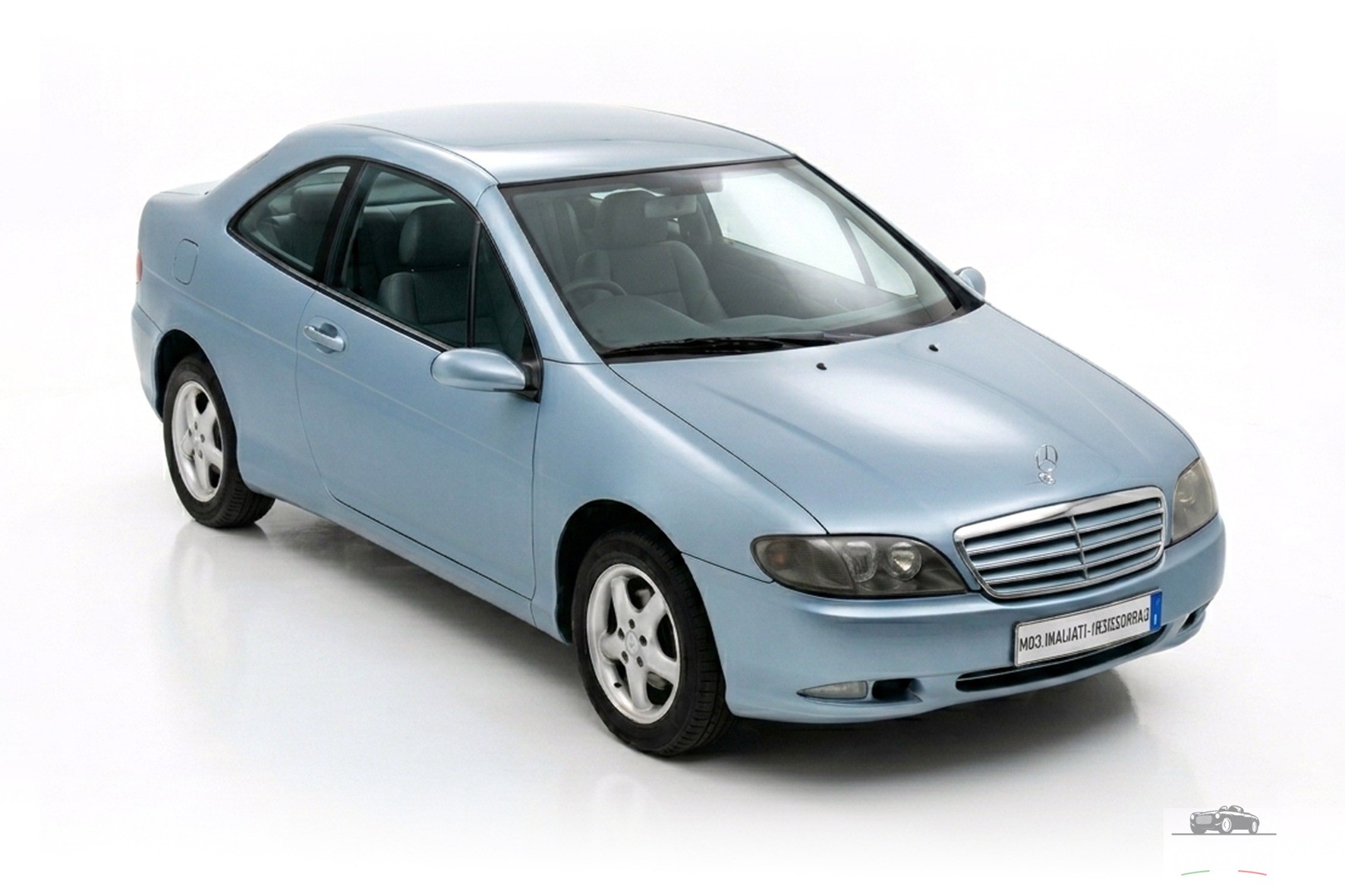
THE VEHICLE AT A GLANCE
Model dossier
- Production period
- 1995
- Body style
- Berlina / Station Wagon / Cabriolet / Pickup
- Type
- Concept
THE PEOPLE BEHIND THE CAR
Coachbuilding, design & conversions

PRICE & SALES RECORD
Vehicle value
- Original price
- Not documented
- Latest recorded sale
- Not documented
01 / THE STORY
History & context
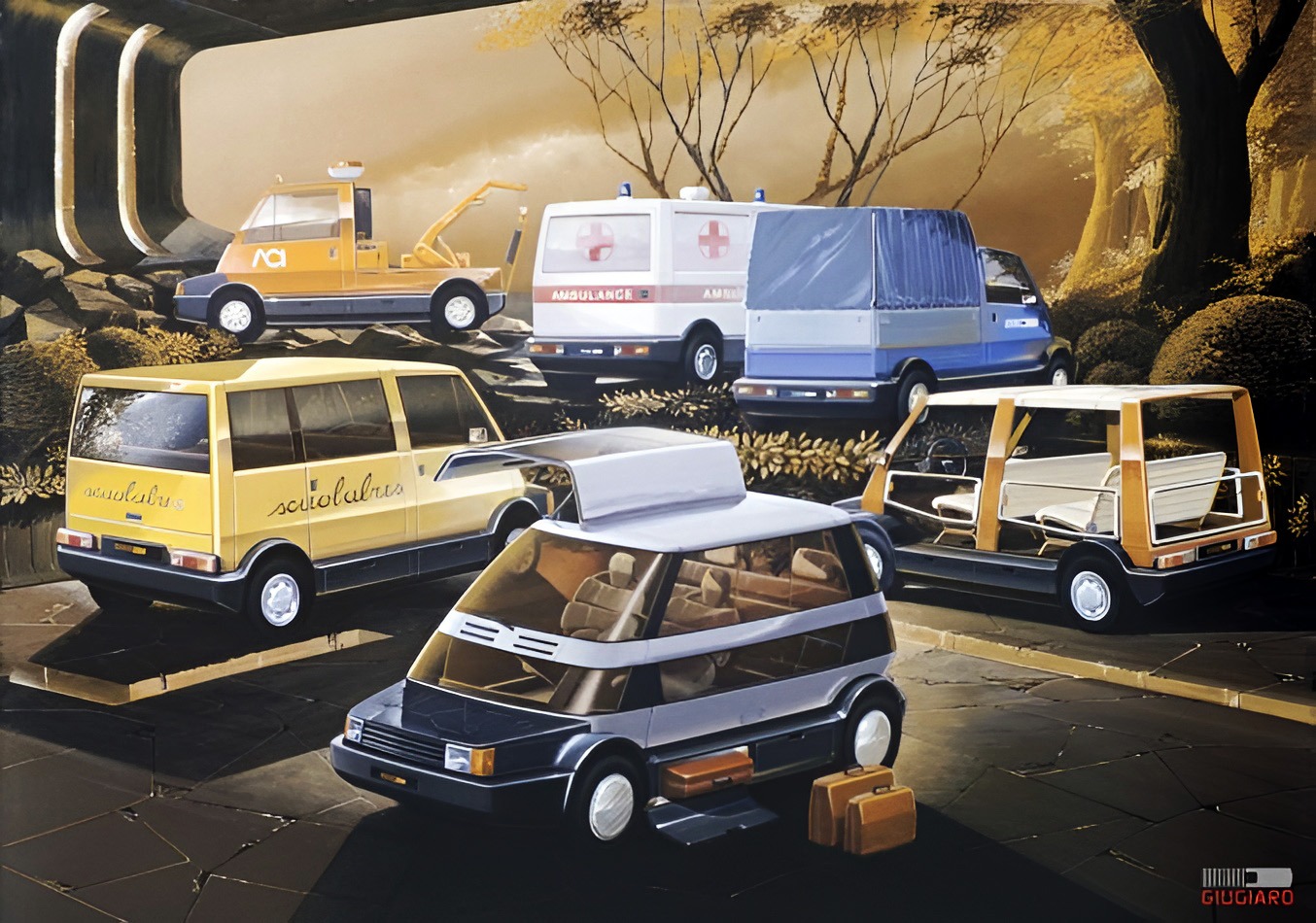
The Mercedes-Benz VRC (Vario Research Car), a groundbreaking concept study by Daimler-Benz, made its debut at the 1995 Geneva Motor Show, heralding a new era of innovation in passenger car technology. Designed to showcase advancements in control, design, and comfort, the Vario Research Car (VRC) represented a bold leap forward in automotive engineering. Crafted by Carrozzeria Coggiola in Italy, the VRC introduced a host of revolutionary features designed to redefine the driving experience. One of its most notable innovations was the concept of interchangeable bodies, allowing for seamless transition between sedan, station wagon, convertible, and pickup configurations on a single chassis. This transformation could be achieved in a mere 15 minutes, demonstrating unparalleled versatility and adaptability. Further enhancing its performance and efficiency, the VRC boasted lightweight and durable bodies constructed from carbon-fibre reinforced plastic (CFRP), a material renowned for its strength and rigidity. This not only reduced overall weight but also contributed to improved handling and fuel efficiency. The integration of drive-by-wire technology represented another significant leap forward, eliminating the need for mechanical steering and braking systems. Instead, these functions were activated electrically, offering precise control and enhanced safety on the road. The Mercedes-Benz VRC also introduced pioneering features such as Active Body Control (ABC), a system that continuously adjusts suspension settings to optimize ride comfort and stability. These innovations set the stage for future advancements in vehicle dynamics and handling. Several features showcased in the VRC concept eventually made their way into production models, demonstrating Daimler-Benz’s commitment to pushing the boundaries of automotive technology. From the introduction of colour displays in the Mercedes-Benz S-Class (W220) to the implementation of a central rotary control for electronic functions in the Mercedes-Benz S-Class (W221), the legacy of the Vario Research Car lives on in the evolution of Mercedes-Benz’s luxury and performance vehicles.
IN THE ARCHIVE
Coachbuilders & design studios
02 / TECHNICAL IDENTITY
Specifications & construction
Production & construction
- Production type
- Concept
- Body material
- CFRP interchangeable upper body modules
Engine & performance
- Transmission
- CVT
- Drive
- Front-wheel drive
- Specification notes
- TECH 2026-09-21 — Mercedes-Benz source material documents FWD, continuously variable automatic transmission and interchangeable CFRP body modules for the 1995 Vario Research Car.
Design & manufacture
- Manufacturer · Documented
- Mercedes-Benz
- Coachbuilder / Body Builder · Documented
- Coggiola
06 / EVENTS & AWARDS
Events & awards
Geneva General · legacy_preserved
- Date
- 1995
- Chassis
- General
Preserved CI 1.0 relation. Evidence field: _yoast_wpseo_primary_events. No award inferred.
07 / THE VEHICLE IN DETAIL
Photo gallery 10 photographs
Show 4 more photographs Show fewer photographs
08 / FROM THE ARCHIVE
Archive
References held in the vehicle dossier. Their inclusion does not establish that every historical claim has been independently verified.
| Reference | Source type |
|---|---|
| Mercedes-Benz VRC technical history — source Mercedes-Benz www.allcarindex.com | Manufacturer source reproduction |
| ACI L’Automobile — Mercedes VRC, quattro auto in una archiviolautomobile.aci.it | Institutional automotive history |
THE CONVERSATION
Comments 0
Share a memory, a period photograph or a documented detail about this car.