
THE VEHICLE AT A GLANCE
Model dossier
- Production period
- 1971
- Body style
- Coupé
- Engine
- V6
- Type
- Prototype
THE PEOPLE BEHIND THE CAR
Coachbuilding, design & conversions


PRICE & SALES RECORD
Vehicle value
- Original price
- Not documented
- Latest recorded sale
- Not documented
01 / THE STORY
History & context
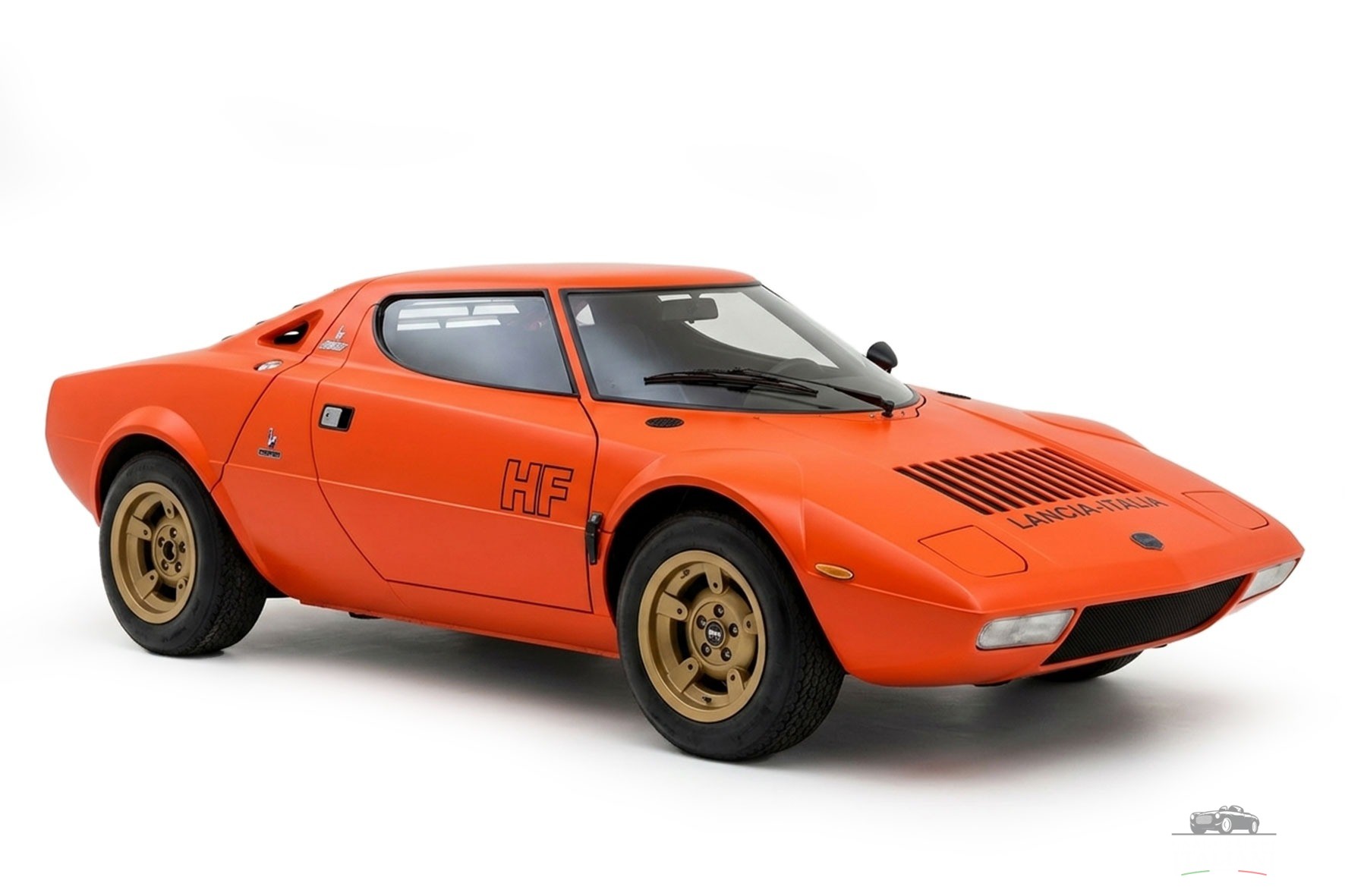
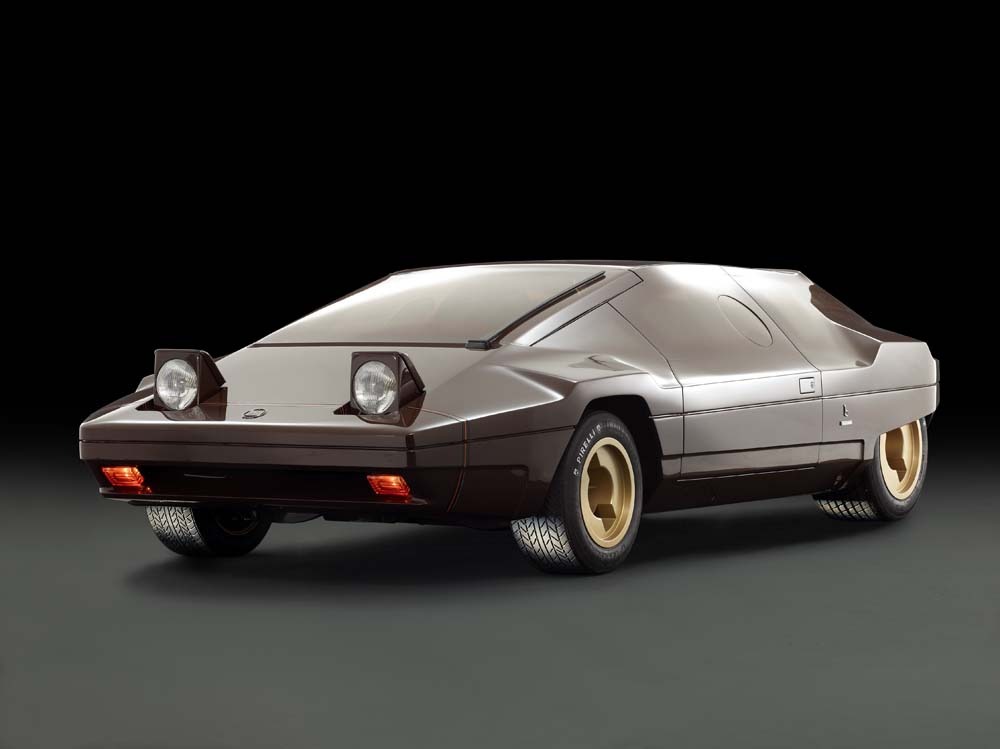
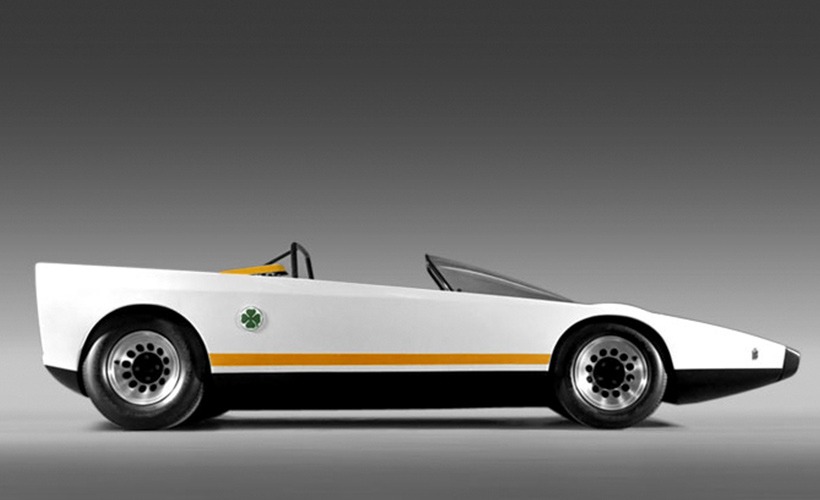
The Lancia Stratos HF was born out of a need to find a suitable rally replacement for the aging Fulvia Coupé 1600 HF. Cesare Fiorio, head of Lancia HF racing team, recognized the potential in the Stratos Zero prototype (by Marcello Gandini) that could rejuvenate the company, which had recently become part of the Fiat Group. Fiorio, in collaboration with Lancia HF’s successful racing drivers and technicians, established the car’s foundational directives: a short wheelbase, two seats, a powerful mid-engine, advanced aerodynamics, and versatility across track, road, and dirt. International regulations, however, required at least 500 units of any new car to be built for Group 4 homologation. Therefore, in spring 1971, Fiorio and Lancia’s new general manager, Pier Ugo Gobbato, tasked Nuccio Bertone with designing and producing a car that, while less futuristic than the “Zero” prototype, met Fiorio’s specifications and could be produced in limited series. By the 1971 Turin Motor Show, a semi-final prototype of the Stratos HF (High Fidelity) was ready, albeit without an engine. After extensive negotiations between Gobbato and Enzo Ferrari, an agreement was reached to use the Dino V6 engine. This deal included lending two Lancia men, driver Sandro Munari and team manager Fiorio, to Ferrari for the 1972 Targa Florio, which was won by Ferrari’s 312 P. The Stratos, designed specifically for rallies, was now ready for production. It was a short two-seat coupé with a steel frame and auxiliary chassis, fiberglass body, mid-rear engine for optimal weight distribution, and rear-wheel drive for better traction. The final version did not share any mechanical parts with the Strato’s Zero prototype, despite the latter’s inspiration. In 1973-1974, under the guidance of Gianni Tonti and supported by Gobbato, Lancia engineers created a vehicle to dominate world rallying. The car featured a steel safety cell with tubular steel frames supporting the powertrain and suspension. The rear suspension used a robust MacPherson strut system with an anti-roll bar, adaptable to various tire sizes, while the front suspension utilized a sports car-like double wishbone setup with coil springs and telescopic hydraulic shock absorbers. The car’s compact dimensions and precise rack-and-pinion steering made it highly maneuverable. Racing versions of the Stratos featured Campagnolo alloy wheels and different-sized tires for improved grip and directionality. However, the street version was modified to be more of a grand tourer, with softer suspension and uniform wheels, which reduced its precision and effectiveness in corners. Once homologated, the Stratos units were distributed to Lancia dealers, though selling all 500 units proved challenging during the oil crisis, with many cars lingering in showrooms for years. The car’s spartan finishes and uncomfortable seats, combined with its high price, made it less appealing to a broader audience. The Stratos featured ATE-Girling ventilated disc brakes, two centrally located fuel tanks with a combined capacity of 85 liters, and a fiberglass body for easy access to mechanical parts. It was powered by a 2.4-liter Dino V6 engine producing 190 hp in street trim, capable of accelerating from 0 to 100 km/h in less than 7 seconds. The Stratos HF went on to become an iconic rally car, thanks to the collaborative efforts of engineers and drivers like Munari, Maglioli, Facetti, and others. Despite initial challenges, it achieved great success in various rally environments, cementing its place in automotive history.
IN THE ARCHIVE
Related people
IN THE ARCHIVE
Coachbuilders & design studios
02 / TECHNICAL IDENTITY
Specifications & construction
Production & construction
- Production type
- Prototype
Engine & performance
- Engine configuration
- V6
- Specification notes
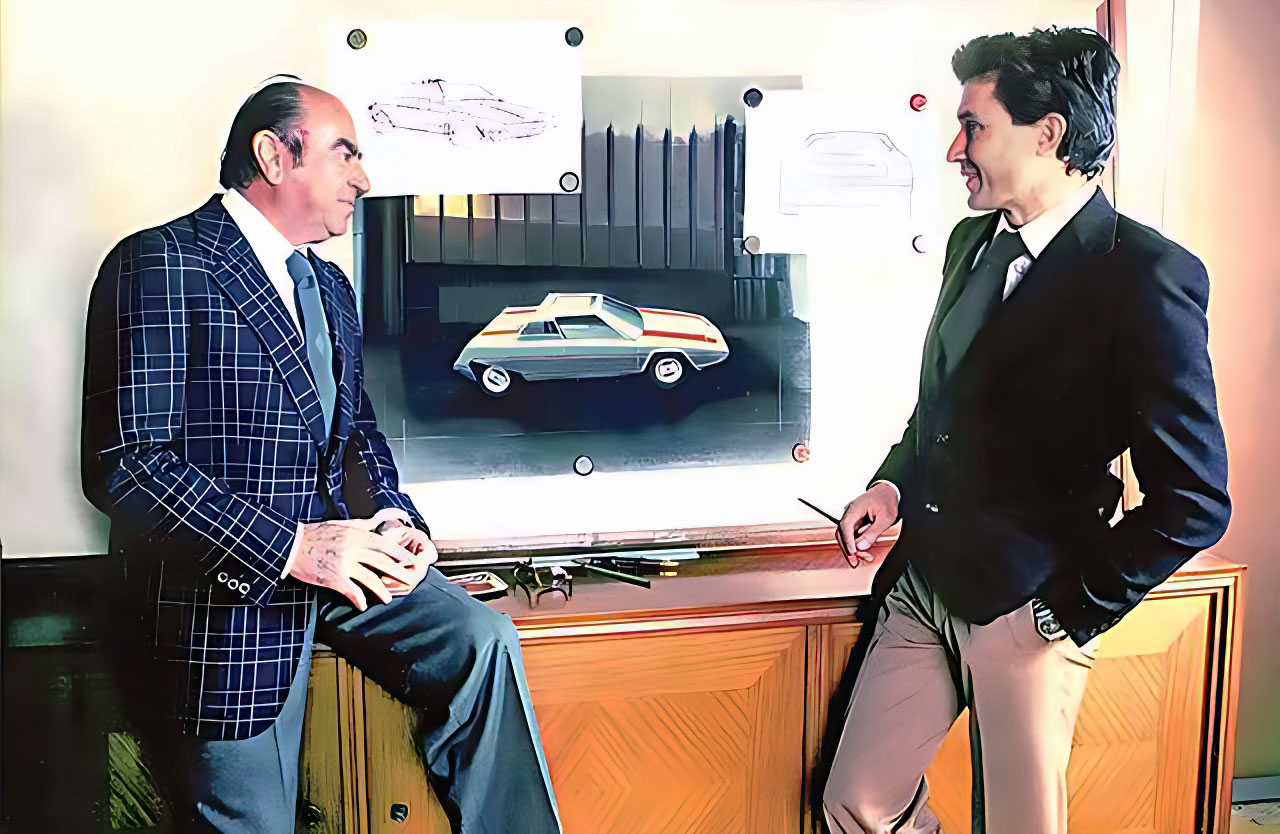
- Confidence detail moved from confidence: high-very_high | FIRST-PERSON 2026-09-25 — Gandini recalls the Lancia/Bertone/Fiorio project meeting, the delayed Dino V6, his frame work, and an intense 1971 prototype build: three modelmakers for roughly three weeks, shaping directly in wood without conventional drawings, rough presentation to Lancia in September and completion for the Turin show about two months later.
Design & manufacture
- Coachbuilder / Body Builder · Documented
- Bertone
- Manufacturer · Documented
- Lancia
- Designer · Documented
- Marcello Gandini
- Design features · Legacy attribution
- Wedge
04 / INDIVIDUAL HISTORY
Chassis & provenance
Ownership & provenance
- Ownership & history · Legacy attribution
- Car Collection
Chassis 1240
- Chassis number
- 1240
- Year
- 1971
06 / EVENTS & AWARDS
Events & awards
53° Salone Internazionale dell'Automobile – Torino General · legacy_preserved
- Date
- 1971
- Chassis
- General
Preserved CI 1.0 relation. Evidence field: _yoast_wpseo_primary_events. No award inferred.
Pebble Beach General · legacy_preserved
- Date
- 2026
- Chassis
- General
Preserved CI 1.0 relation. Evidence field: list_of_awards_0_events|list_of_awards_1_events. No award inferred.
07 / THE VEHICLE IN DETAIL
Photo gallery 4 photographs
08 / FROM THE ARCHIVE
Archive
References held in the vehicle dossier. Their inclusion does not establish that every historical claim has been independently verified.
| Reference | Source type |
|---|---|
| Stellantis Heritage — Lancia Stratos HF www.stellantisheritage.com | Manufacturer official heritage |
| Ultimatecarpage — 1971 Lancia Stratos HF Prototype www.ultimatecarpage.com | Independent specialist exact chassis |
THE CONVERSATION
Comments 0
Share a memory, a period photograph or a documented detail about this car.