
THE VEHICLE AT A GLANCE
Model dossier
- Production period
- 1987
- Body style
- Berlina
- Engine
- Inline-4
- Type
- Mass
THE PEOPLE BEHIND THE CAR
Coachbuilding, design & conversions
PRICE & SALES RECORD
Vehicle value
- Original price
- Not documented
- Latest recorded sale
- Not documented
01 / THE STORY
History & context
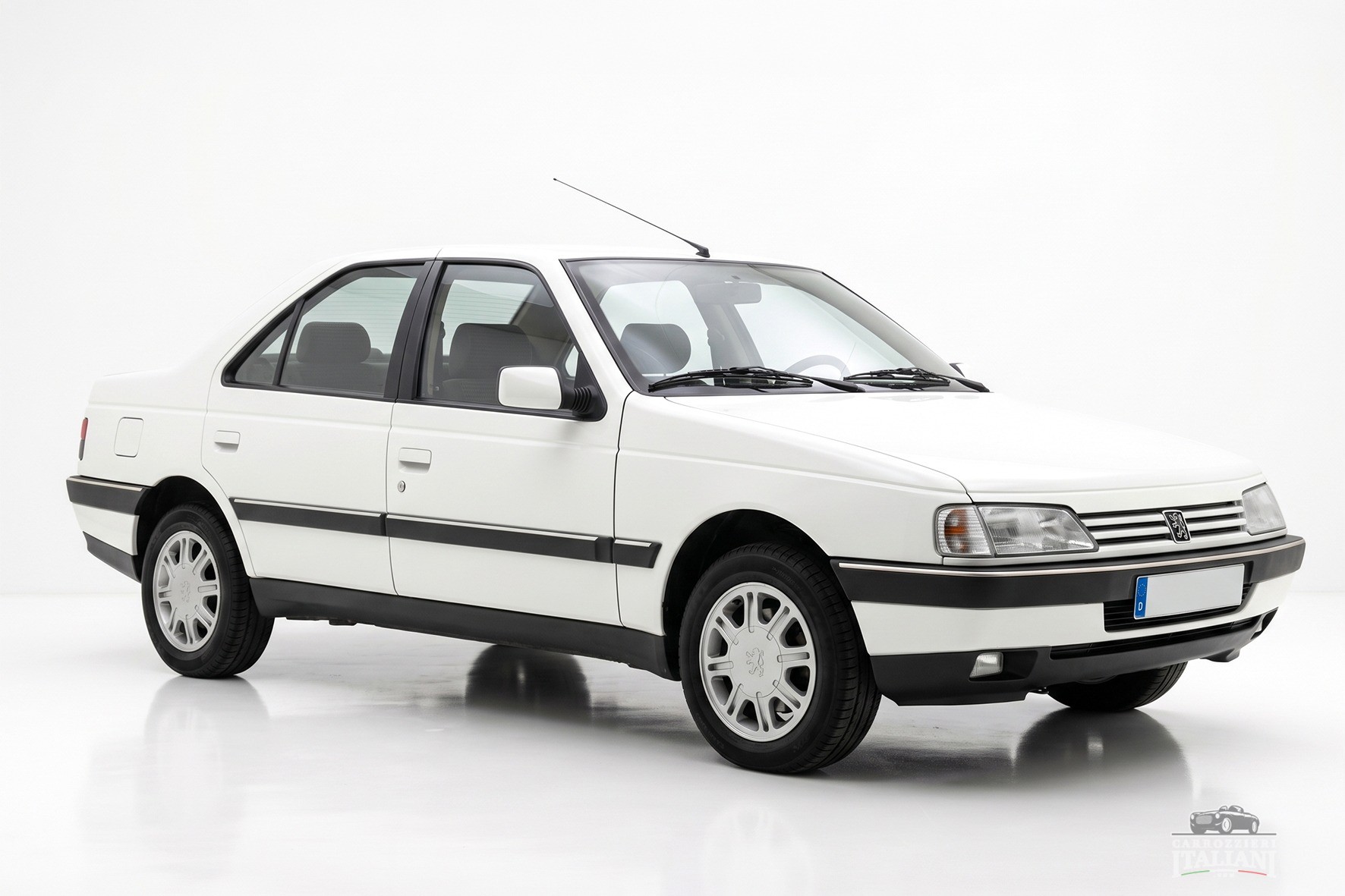
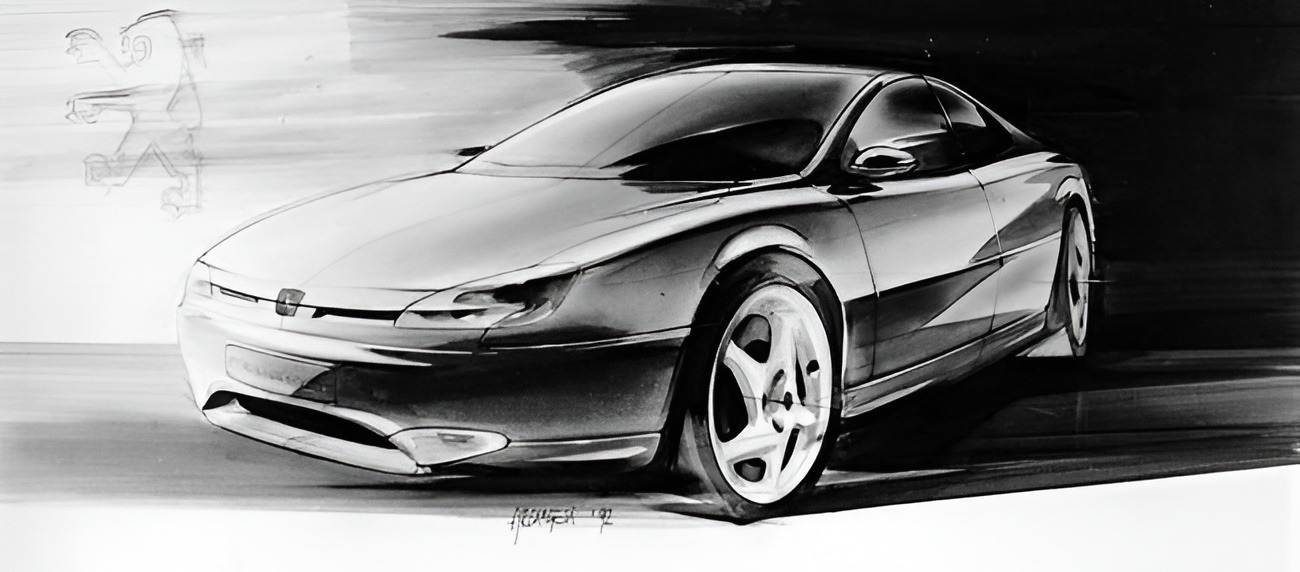
The Peugeot 405 was introduced in 1987 as a midsize saloon positioned in the D-segment. Styled by Pininfarina, the model was first shown to the public at the Frankfurt Motor Show in September of that year. It replaced the Peugeot 305 and adopted a more aerodynamic profile, characterised by flush body panels, integrated bumpers, and a low drag coefficient of 0.31. The design aligned with contemporary European styling trends and reflected Pininfarina’s influence, particularly in its clean proportions and restrained detailing. Built on a front-engine, front-wheel-drive layout, the 405 shared its platform with the Citroën BX but was positioned more conservatively in terms of suspension and styling. The initial range included petrol engines from 1.4 to 1.9 litres, alongside 1.7 and 1.9-litre diesel units. Both naturally aspirated and turbocharged diesels were available, depending on the market. Transmission options included 4- and 5-speed manuals and a 4-speed automatic. Trim levels varied by region, with most European markets offering basic, GL, GR, SR, and higher-spec GTX or Mi16 variants. At the 1988 Geneva Motor Show, Peugeot presented the Mi16 version, fitted with a 1.9-litre 16-valve engine producing 160 PS. This variant featured uprated suspension, four-wheel disc brakes, and subtle exterior modifications. A year later, at the Paris Motor Show, the 405 Break (estate) version was introduced, offering increased luggage capacity and a reinforced rear axle. A four-wheel-drive variant, the 405 T16, was unveiled in 1992 at the Paris Salon, equipped with a 2.0-litre turbocharged engine and electronic torque distribution. The Peugeot 405 was awarded the 1988 European Car of the Year title with a record number of votes. Over 2.5 million units were produced globally, with production continuing in some overseas markets into the early 2000s. The model was manufactured in France, the United Kingdom, Argentina, Iran, and other locations under licence.
IN THE ARCHIVE
Coachbuilders & design studios
02 / TECHNICAL IDENTITY
Specifications & construction
Production & construction
- Production type
- Mass
Engine & performance
- Engine configuration
- Inline-4
Dimensions & accommodation
- Length
- 4,410 mm
- Width
- 1,690 mm
- Height
- 1,410 mm
Design & manufacture
- Design Studio · Documented
- Pininfarina
- Manufacturer · Documented
- Peugeot
- Designer · Candidate
- Giuseppe Randazzo
06 / EVENTS & AWARDS
Events & awards
Europe Car of The Year General · From the historical archive
- Date
- 1988
- Chassis
- General
07 / THE VEHICLE IN DETAIL
Photo gallery 2 photographs
08 / FROM THE ARCHIVE
Archive
No publishable archival references are currently catalogued for this vehicle.
THE CONVERSATION
Comments 0
Share a memory, a period photograph or a documented detail about this car.