
What Happened to ARES Modena? Inside the Crisis and Comeback
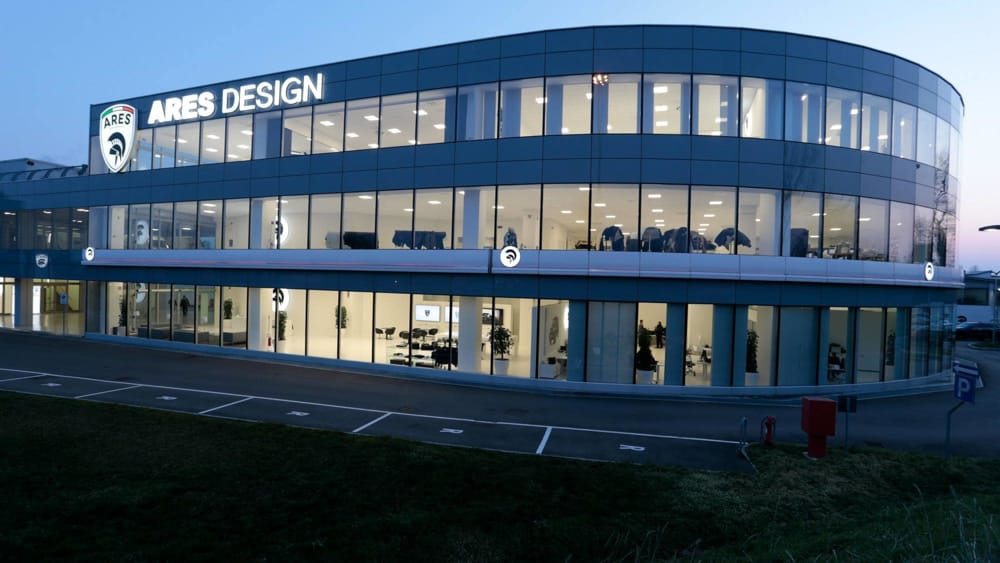
ARES Modena – also known as ARES Design – has long been a byword for bespoke Italian automotive luxury, crafting one-off supercars and custom builds for the world’s wealthiest enthusiasts. From reimagined classics like the Panther ProgettoUno to the Corvette-based S1 Project (Project S), the Modena-based coachbuilder earned international acclaim in the 2010s for its bold designs and handcrafted exclusivity. But in recent years the company has faced turbulent times. This report examines ARES Modena’s current status in 2024-2025: is the boutique manufacturer still active or stalling out? We draw on recent local news and industry reports to shed light on whether ARES is overcoming financial troubles, halting operations, or charting a comeback.
ARES Modena’s Bespoke Supercar Creations
Founded in 2014 by former Lotus executive Dany Bahar (with investor Waleed Al Ghafari), ARES Modena built its reputation on extravagant coachbuilt cars. The company’s philosophy was to take high-end donor vehicles – from supercars to SUVs – and transform them into unique, tailor-made machines. Over the past decade ARES has rebodied or modified models from Bentley, Land Rover, Mercedes, Porsche and even Tesla to fulfill clients’ wildest dreams. Each project combined artisanal Italian craftsmanship with modern engineering, often produced in ultra-limited quantities.
Some of ARES Design’s most notable creations include:
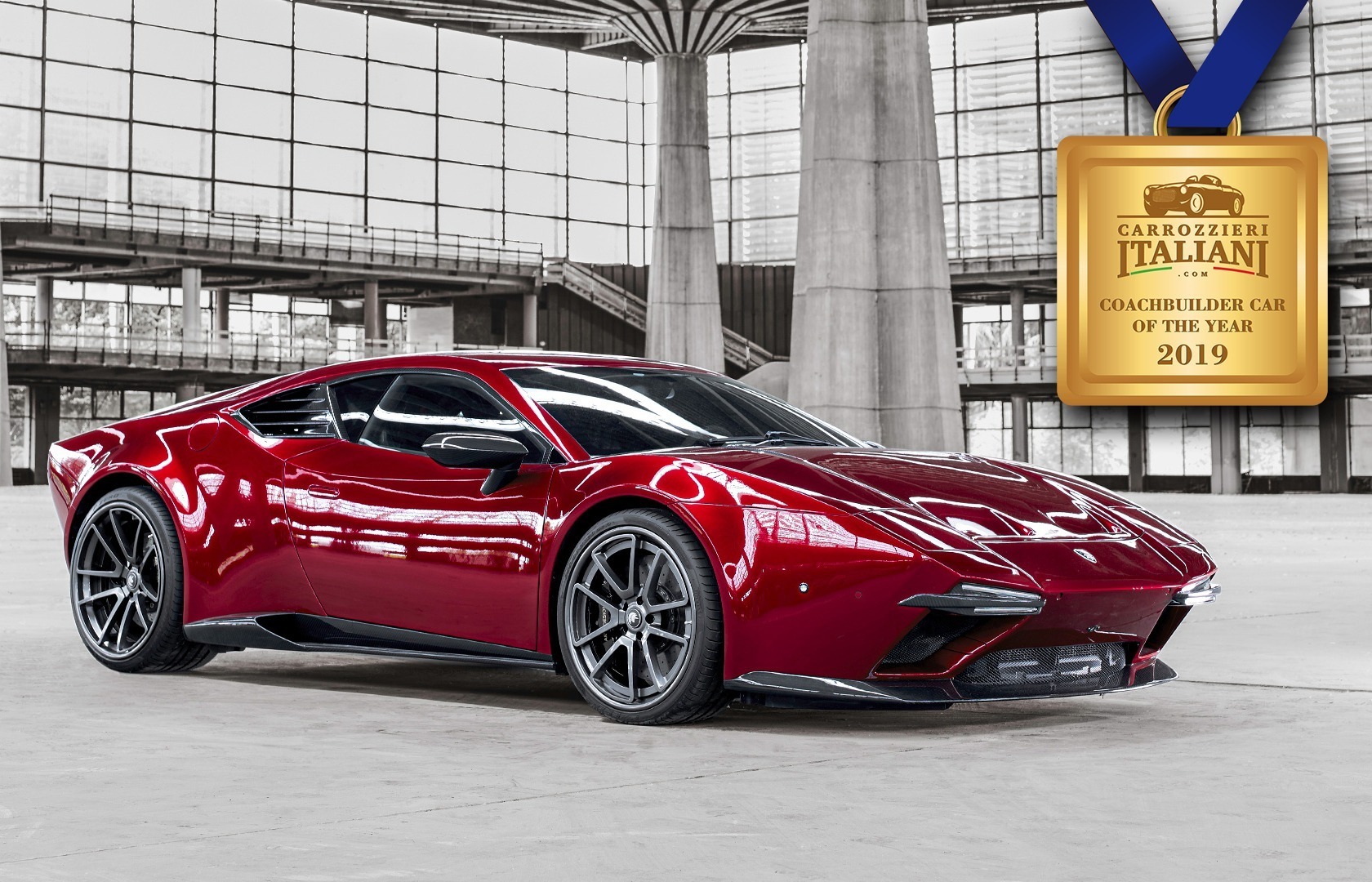
Panther ProgettoUno: Arguably ARES’s halo car, the Panther ProgettoUno (our carrozzieri-italiani.com car of the year 2019) is a modern resurrection of the 1970s De Tomaso Pantera. Based on a Lamborghini Huracán platform, it features a retro-styled carbon-fiber body evoking the classic Pantera’s lines. The Panther is powered by a 5.2-liter naturally aspirated Lamborghini V10 tuned to about 650 hp and 600 Nm of torque, paired with a 7-speed dual-clutch gearbox. Unveiled as the first in ARES’s “Legends Reborn” series in 2019, the Panther ProgettoUno offers touches like pop-up headlights and even an H-pattern shifter option (though purely for gear selector functions) to enhance its throwback appeal. Only around 21 units were planned, each priced in the high six figures, and the model can exceed 325 km/h (202 mph).
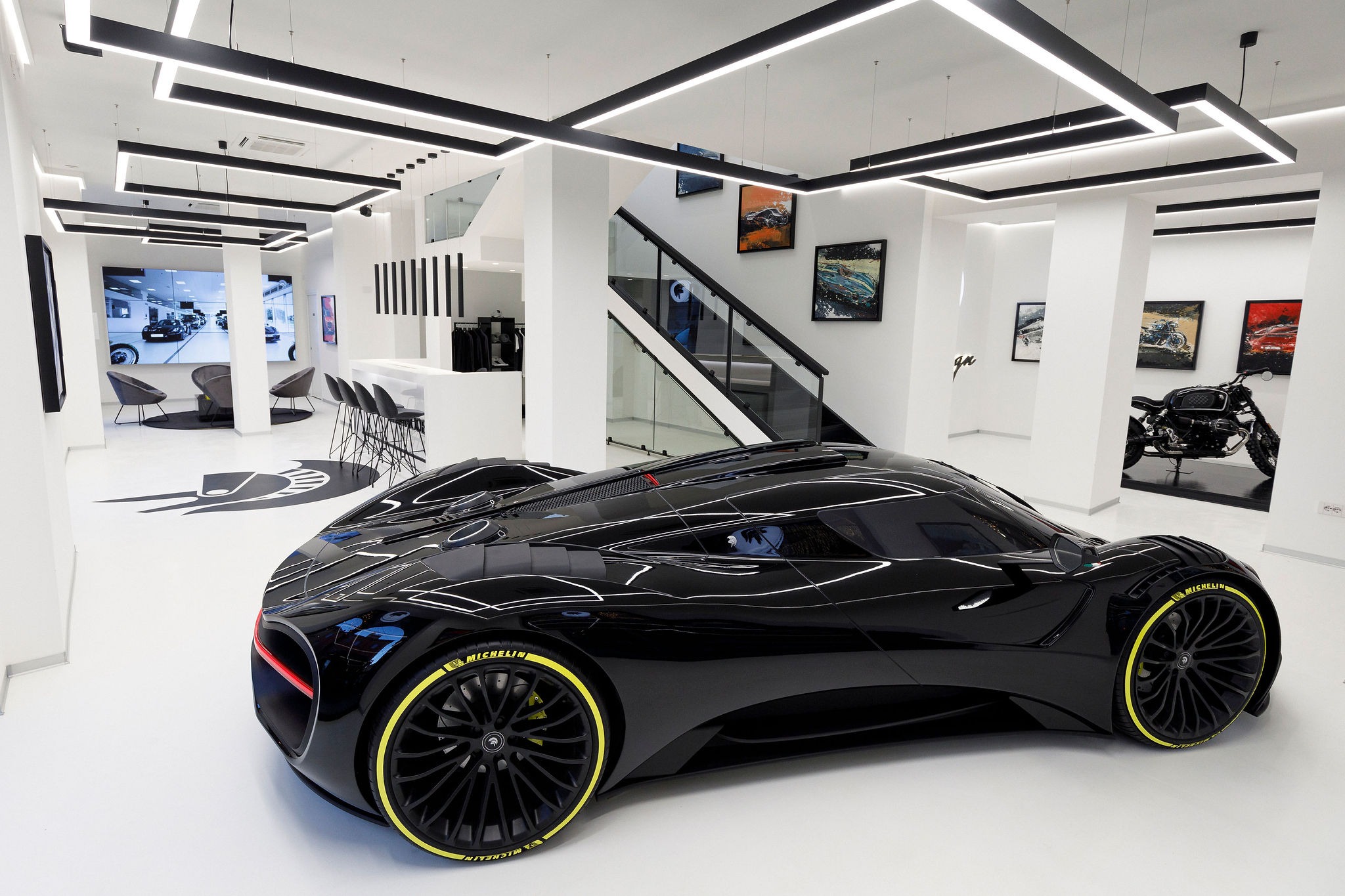
ARES S1 Project (“Project S”): The S1 Project is ARES Modena’s first ground-up supercar design – essentially a C8 Chevrolet Corvette Stingray transformed into a low-slung “hypercar”. It retains the Corvette’s mid-mounted 6.2L V8, initially promised to make 705 bhp, though in production the figure was dialed down to ~530 hp with ARES’s custom ECU and exhaust. Thanks to a full carbon-fiber reskin and reworked internals, the S1 sheds an estimated 550 lbs from the stock C8 while adopting dramatic features like butterfly doors and top-exit exhausts. Visually, the S1 Project wraps the Corvette’s bones in sleek, muscular curves – giving it genuine “superstar presence” and a price tag of about €1 million per car. ARES planned to build just 24 units of the S1 coupe (with a roadster version to follow), positioning it as a highly exclusive coachbuilt supercar for collectors.
Other Bespoke Builds: In addition to sports cars, ARES became known for wildly imaginative custom conversions. The company built a two-door coupé version of the Bentley Mulsanne (echoing the classic Brooklands) by eliminating the rear doors of the luxury sedan. It created a modernized 1964 Chevrolet Corvette Stingray restomod, hiding modern mechanicals (an LS7 V8 engine) under vintage bodywork. ARES also wasn’t afraid to tackle off-roaders: it developed the “X-Raid” based on a Mercedes-AMG G63 with 760 bhp and beefy bodywork, and reimagined the Land Rover Defender with a V8 as a limited run of 53 units. Even electric vehicles were not off-limits – ARES famously turned a Tesla Model S into a coachbuilt convertible and a shooting brake wagon for clients. These projects underscored ARES Modena’s niche: anything was possible if a customer’s wallet was thick enough.
Financial Troubles Hit in 2024
While ARES Modena’s creations dazzled enthusiasts, the company itself has faced serious financial turmoil. By early 2024, signs of distress were evident behind the glamorous façade. In April 2024, ARES failed to pay employee salaries due to a liquidity crisis, leaving staff unpaid and operations in jeopardy. This cash crunch set off a chain of troubles. According to local media, the workforce – once around 60 employees – dwindled to about 40 as some workers left amid the uncertainty. The situation grew so dire that in July 2024 ARES entered a court-supervised restructuring procedure (a concordato in continuità, similar to Chapter 11 bankruptcy protection) to stave off outright failure. By August, management resorted to Italy’s state-backed furlough scheme: all remaining employees were placed on temporary layoff (Cassa Integrazione) from September through November 2024 as a stopgap while the company sought new financing. During this period, manufacturing essentially halted and customer orders were left in limbo – numerous bespoke car projects that clients had commissioned were put on hold mid-build.
Local unions and press closely followed the unfolding crisis. In mid-October 2024, La Gazzetta di Modena reported a potential breakthrough: ARES’s top management met with union representatives (FIOM-CGIL) and announced a plan to pull the company out of its seven-month crisis. The firm’s leadership promised to pay all five months of owed wages to employees by the end of October and to cover missing social contributions and severance pay for those who had left. Crucially, ARES said that existing shareholders (the owners, reportedly a foreign-backed group) were prepared to recapitalize the company with new funds – enough to close the restructuring concordato by November 18, 2024. If that infusion arrived, ARES hoped to recall some workers even before the furlough period ended, in order to start fulfilling suspended orders, and then fully restart production by early December 2024. The company claimed to have a strong order portfolio for 2025 awaiting completion, which gave hope that the restart would be busy. The FIOM union cautiously welcomed this relaunch plan and the pledge to preserve all jobs, marking it as a positive turning point if promises were kept.
However, in the weeks that followed, not everything went according to plan. By November 12, 2024, some employees voiced frustration that only part of the back pay had materialized. Il Resto del Carlino (Modena edition) reported workers saying they’d received just two of the five overdue salary payments by mid-November. Several ex-employees were still waiting for their severance packages as well. “We’re tired – we have a class-action in mind if the situation doesn’t unlock,” one group of staff warned. In response, ARES’s management maintained that the remaining wages and payments would come through, attributing the delay to “technical timing” issues. The Modena court was due to decide on November 18, 2024 whether to extend the company’s restructuring period, a decision that would be pivotal for ARES’s survival. Despite setbacks, ARES still aimed to resume activity in December if the legal and financial pieces fell into place – citing that its order book was “already full” going into 2025. The situation was tense: employees desperately hoped for a restart and their missing pay, while the company raced to secure the promised investment and court approval.
New Investors and a Relaunch in 2025
After the turbulent fall of 2024, ARES Modena’s saga entered a new chapter in 2025. Ultimately, the original company did not emerge from restructuring in its existing form – it underwent a form of judicial liquidation. But rather than shut down for good, the business was effectively saved through new ownership. On March 2, 2025, a fresh corporate entity called “Ares Operations srl” was established to take over ARES Modena’s operations. This move, reported by La Gazzetta di Modena, was backed by a consortium of new foreign investors and designed to give “a future to the excellence” of the luxury coachbuilder. In practical terms, the new company leased ARES’s assets and business branch and announced its intention to purchase the assets outright within 4–6 months. By doing so, Ares Operations could carry on building cars at the Modena facility, while the old entity’s debts and legal issues were addressed separately through the liquidation process.
Crucially, Ares Operations brought in new leadership to steer the reboot. The CEO and General Manager tapped for the relaunch is Antonio Trotta, a 51-year-old mechanical engineer with a résumé including stints at Ferrari and Bosch. Trotta was joined by engineer Federico Pineschi and a core team of 15 highly specialized staff in the initial phase. Under their management, the company set a priority to complete and deliver all vehicles that had been ordered by clients but were delayed during the crisis. Fulfilling these backlogged bespoke orders is seen as critical to restoring customer trust and bringing much-needed revenue. At the same time, the new Ares Operations is working to rebuild relationships with suppliers and strengthen internal processes to avoid past mistakes. The new investors have emphasized a focus on “quality, innovation and solidity” – essentially, shoring up ARES’s foundation so that the company can have a more sustainable future.
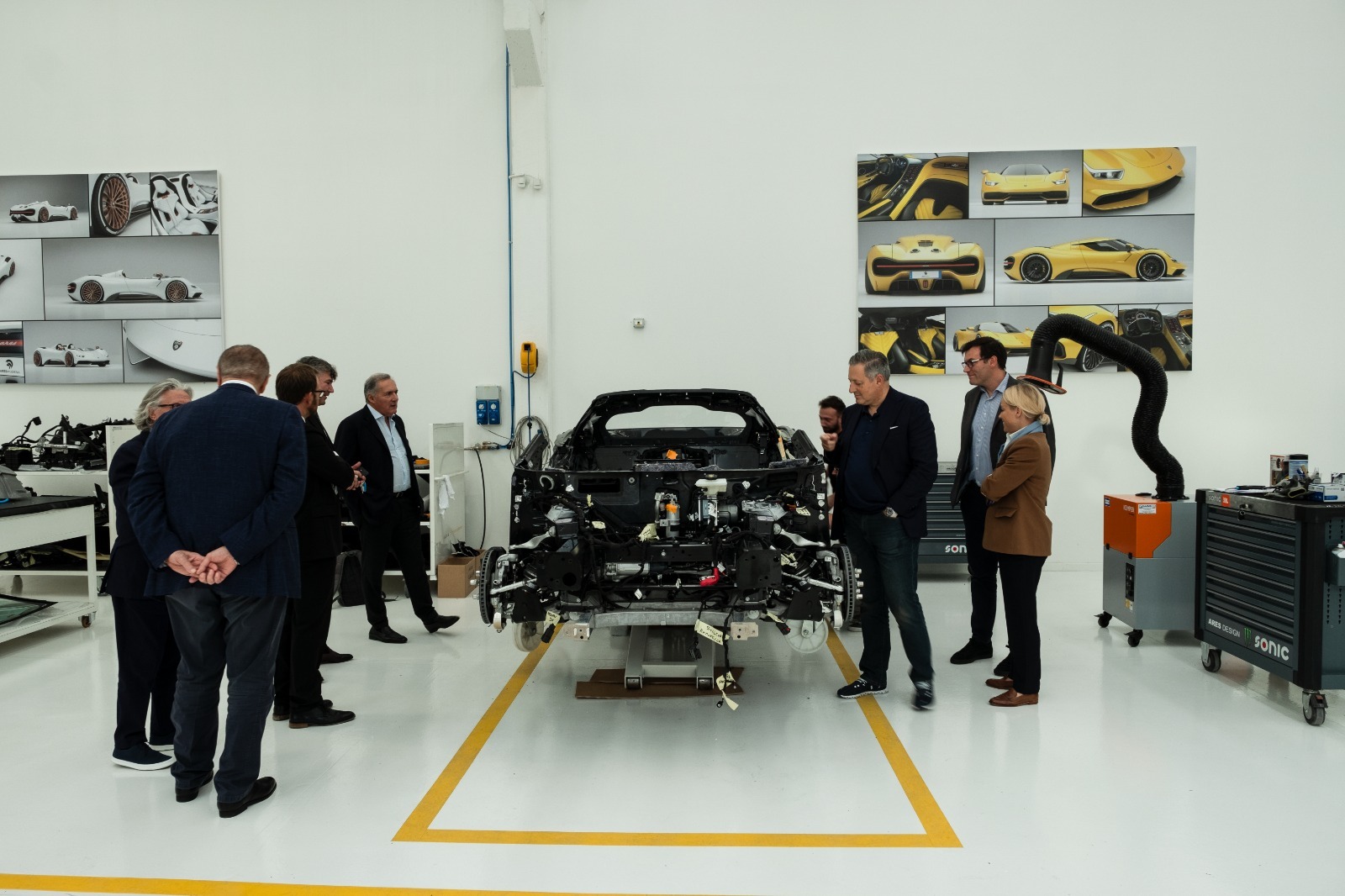
Although the legal headquarters of Ares Operations is in Milan (as is common for investment vehicles), Modena remains the home base of all manufacturing and design activities. “Modena will remain the point of reference,” CEO Trotta told the press, calling the city the “heart of the Motor Valley” that he doesn’t intend to abandon. Trotta struck an optimistic tone about the niche ARES plays in: he noted that the market for personalizations and one-off cars is still alive and that the company can thrive by tapping into that demand with proper management. The plan for 2025 and beyond includes hiring new personnel in line with a fresh industrial plan and ramping production back up. The new management has also stressed transparency and continuity as key values going forward – acknowledging that the brand’s credibility needs rebuilding after the recent turmoil. In statements, Ares Operations leaders have expressed determination to “not disperse the value constructed” by ARES over the years, but rather to relaunch it on more solid footing. They are effectively learning from past challenges – including the overly ambitious expansion and liquidity issues – to ensure that ARES Modena’s famed design and craftsmanship skills are not lost.
Is ARES Modena Still Active?
Yes – albeit under new management, ARES Modena is active and attempting a comeback. After nearly halting operations in 2024 due to financial collapse, the luxury coachbuilder did pause new projects for several months, but it has not gone out of business. Instead, the company has been restructured and refinanced. As of late 2025, ARES (via the new Ares Operations entity) is working to fulfill outstanding customer orders and gradually ramp up its bespoke car-building work again. The crisis forced a downsizing and a change of ownership, but it appears the marque will continue in some form. Local industry observers describe this as a fragile but hopeful revival – the ARES Design brand and its Sant’Anna Road facility in Modena have survived, and the workforce is being retained to complete cars for 2025 and beyond.
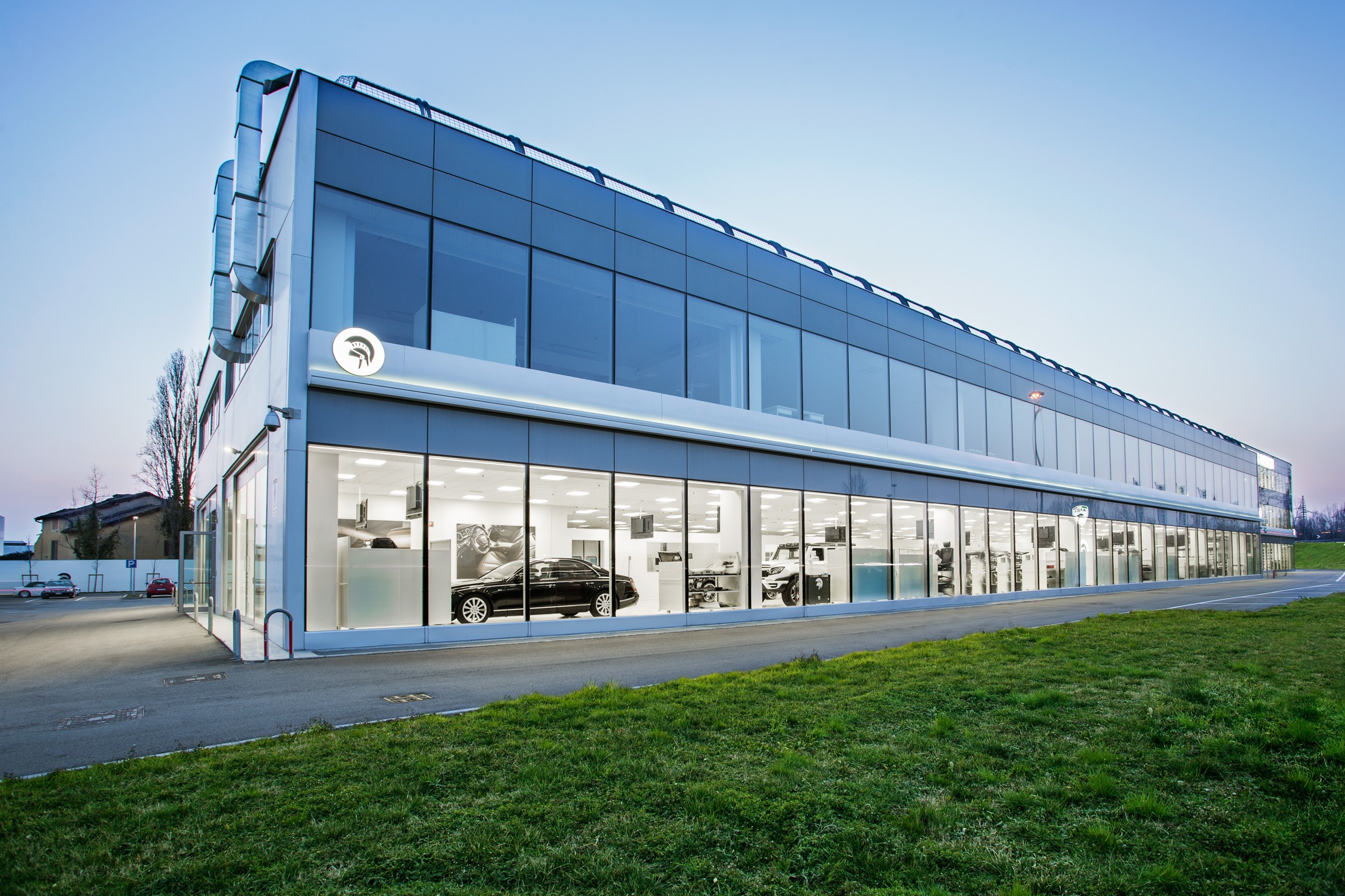
To be clear, ARES Modena did face severe financial difficulty in 2024. It entered insolvency proceedings to avoid outright bankruptcy, and for a time all new work was frozen. Clients who had commissioned ARES’s bespoke vehicles experienced significant delays – essentially, their orders were on hold while the company sought rescue. Some of those customers reportedly had to wait many extra months for their cars, and only now are those vehicles being finished under the new regime. The situation even led to employee protests and negative press in Modena, a city proud of its boutique automotive firms. However, thanks to the new investor infusion and management shake-up in early 2025, ARES did not disappear like some feared. Instead, it is undergoing a controlled resurrection.
Moving forward, the big question is whether ARES Modena can regain its momentum and credibility. The company’s order book for 2025 was reportedly strong, reflecting that wealthy enthusiasts still desire ARES’s custom creations. If Trotta and his team can deliver those cars with the promised quality – and do so without further financial hiccups – ARES could stabilize and even prosper again. They have the advantage of a recognized brand in the coachbuilt supercar niche, built on past hits like the Panther and S1. They also have a state-of-the-art facility (opened in 2018) and a portfolio of eye-catching prototypes that can be marketed or revived (including electric mobility concepts that were in the pipeline).
For now, ARES Modena is very much alive, but in a rebuilding phase. The company is no longer the free-spending startup it was under founder Dany Bahar’s vision; it’s now a leaner operation under new stewardship, focused on meeting obligations and regaining trust. Enthusiasts can take some solace that the stunning ARES Panther ProgettoUno, S1 Project, and other bespoke models have not been consigned to history – the atelier behind them is striving to weather the storm. As the coming months unfold, ARES’s trajectory will be closely watched in Modena’s Motor Valley. The hope is that this independent Italian coachbuilder, known for turning automotive fantasies into reality, can itself emerge from crisis and continue to craft extraordinary cars for those who seek the ultimate in personalized luxury.
CONTINUE READING
Posts You Might Like

Castagna Milano’s Alfa Romeo Giulia coupé-cabriolet: a new Antisalon for Italian coachbuilding
Eighty years after Battista Farina's famous protest at the Paris Motor Show, Gioacchino Acampora presents a radical two-seat Alfa Romeo Giulia as a manifesto for the survival of independent coachbuilding. In October…
Read story
Nardi Silver Ray: What Giovanni Michelotti Wrote in 1961
A September 1961 letter from Giovanni Michelotti, written on his corso Francia studio stationery, gives a contemporary account of the Nardi Silver Ray and sheds new light on its chassis, body construction…
Read story
Mazda Luce: Edgardo Michelotti Challenges the Official Bertone Story
After our article on the Mazda Luce, Edgardo Michelotti revealed an unpublished claim: the Bertone design may have originated from a Michelotti Triumph project.
Read story
Who Designed It? The Most Confusing Italian Car Design Attributions Explained
Who really designed the F40, EB110, Fiat Coupé or BMW Turbo? A look at the confusing world of Italian car design credits, from Pininfarina to Zagato.
Read story
THE CONVERSATION
Comments 0
Share a memory, a period photograph or a documented detail about this story.