
Fiat 1400 Orchidea by Vignale: The Orchid of Turin
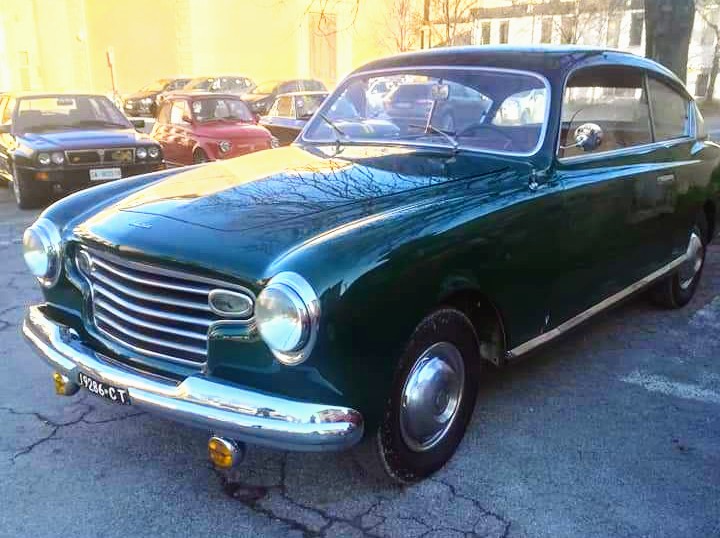
In March 1950, Fiat unveiled the 1400 sedan at the Geneva Motor Show, marking a bold leap into the modern era of automobile design. This was Fiat’s first all-new model after World War II and notably the company’s first production car built with a unitary monoscocca (unibody) construction. Such construction endowed the 1400 with a more rigid, compact, and quiet ride than its predecessors – so much so that an Italian magazine at the time proclaimed it “non solo una nuova automobile, ma un modo nuovo di andare in automobile” (“not just a new car, but a new way of going in a car”). The four-door Fiat 1400 was a family sedan with a 1.4-liter inline-four engine (~44–50 horsepower in standard form) and seating for six on broad bench seats. It was designed to be reliable and practical, traits that quickly made it popular not only in Italy but also abroad – the 1400 even formed the basis of Spain’s first SEAT car under license.
Beyond its industrial significance, the Fiat 1400 also arrived at a time when Italy’s carrozzerie – the independent coachbuilding houses – were flourishing. In the early 1950s, many coachbuilders saw the sturdy Fiat 1400 chassis as an ideal canvas on which to showcase creative, limited-production designs. The car’s sound engineering and wide service network made it an attractive platform for special-bodied versions, offering clients the flair of an exotic Italian design without the temperamental mechanics or high costs of a pure luxury marque. In short, the humble Fiat 1400 provided a reliable backbone that Italy’s visionary designers could transform into rolling works of art.
Vignale and Michelotti – Crafting the “Orchidea”
One of the most remarkable reinterpretations of the Fiat 1400 came from Carrozzeria Vignale, a young coachbuilder from Turin. Alfredo Vignale had opened his workshop in 1948, just two years prior, and by 1950 he was eager to make a name for himself in the competitive world of Italian custom coachbuilding. To do so, Vignale teamed up with a brilliant up-and-coming designer, Giovanni Michelotti. Michelotti, then in his mid-20s, had already designed for Stabilimenti Farina and was establishing a reputation for fresh, inventive styling. Together, this duo would create the Fiat 1400 “Orchidea”, a fuoriserie car (and its companion variants) that would signal the blossoming of a new design star and help elevate Vignale to the upper echelon of coachbuilders.
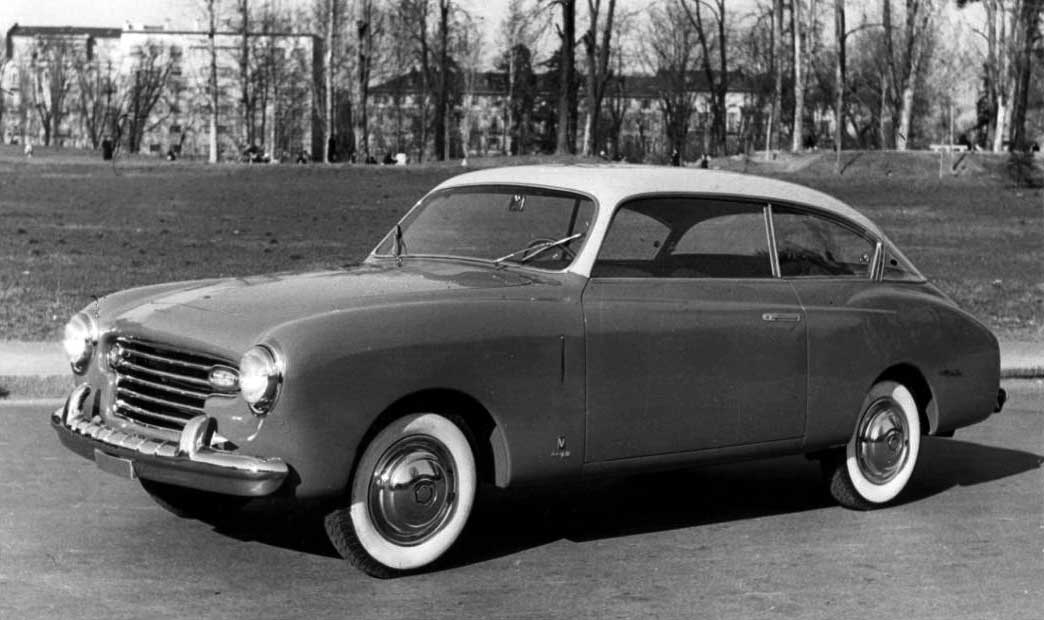
The project resulted in a small family of Orchidea-themed cars: a sleek two-door coupé (sometimes referred to as a berlinetta), an open-top cabriolet, and even a four-door sedan built in the same spirit. Each was a unique creation, yet all shared the unmistakable Michelotti–Vignale touch. Michelotti’s vision took the staid Fiat 1400 base and “breathed new life” into it, transforming it into a work of art that exuded sophistication and refinement. In fact, these cars were given the poetic name “Orchidea” (Italian for orchid) to evoke their grace and rarity – much like a delicate bloom, an orchid, they were exotic, beautiful, and meant to be admired.
The first of the trio to be completed was the Orchidea Coupé in 1950. Built in few specimens (probably 3 – 5), this two-door coupé was a true showpiece of Italian elegance. Soon after, Vignale produced a companion Orchidea Cabriolet (convertible) variant that retained the coupé’s overall styling while offering the thrill of open-top motoring. Rarest of all, a one-off sedan was also crafted, applying the Orchidea design language to a more formal 4-door body. This Orchidea Berlina had the distinction of being a bespoke interpretation of Fiat’s first postwar unibody car, and it took on a character all its own even as it shared a familial resemblance with its two sportier siblings.
🔗 Read more: The story of Carrozzeria Vignale
For Alfredo Vignale, these cars were a showcase of his artisans’ coachbuilding skills and a statement that his young carrozzeria could compete with the best. For Michelotti, the Orchidea was an early tour de force that helped cement his design language – blending clean European elegance with a touch of American flair – and paved the way for his later famous creations (indeed, Michelotti would go on to style many Ferraris and Maseratis for Vignale in the years that followed). As one contemporary commentator observed, having a documented 1950 Vignale design like this is significant, “ramping up to Vignale’s quality that dovetailed into his work for Ferrari”, and few surviving cars from Vignale’s first two years are as important. In short, the Orchidea project was a pivotal moment, announcing that Vignale and Michelotti had arrived on the scene of high-style motoring.
Elegant Design: Details of the “Orchidea” Style
All three Vignale Orchidea cars were built by hand, clothed in lightweight aluminum alloy panels shaped over the Fiat 1400 chassis. Visually, they shared a distinctive design DNA that set them apart from the standard Fiat sedans. The most striking element was at the front: Michelotti penned a T-shaped grille motif that gave the car a unique face. A chromed horizontal bar stretched across the nose, integrating the twin fanali di posizione (parking/position lights) at its ends, and was bisected by a vertical centerpiece – together forming the T-shape. This clever incorporation of the lamps into the grille not only looked modern and eye-catching, but also created a wider, more planted stance. Flanking the grille, the headlamps were set into gently pontooned fenders, and a simple, clean bumper underlined the design. This front-end treatment imparted a refined and modern “face” to the car, immediately distinguishing the Orchidea from the workaday Fiat 1400s with their more utilitarian look.
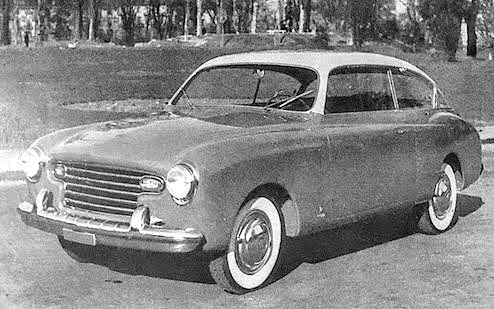
In profile, the Orchidea Coupé had flowing, graceful contours. The roofline swept back in a gentle arc to a rear end that was neatly truncated in typical berlinetta fashion. Notably, to achieve the desired curvature of the rear window, Vignale used a clear plexiglass pane for the backlight instead of conventional glass – an innovative (if temporary) solution characteristic of bespoke coachbuilt cars of the era. The sides of the car were smooth and unadorned, save for a subtle character line and tasteful chrome accents. Overall, the bodywork gave an impression of motion even at rest, “a study in graceful motion, with flowing lines that exuded sophistication”. The car sat relatively low and wide, enhancing its sporty demeanor, and typically wore a rich green paint finish – hence the affectionate nickname “little green orchid” that some have used to describe it.
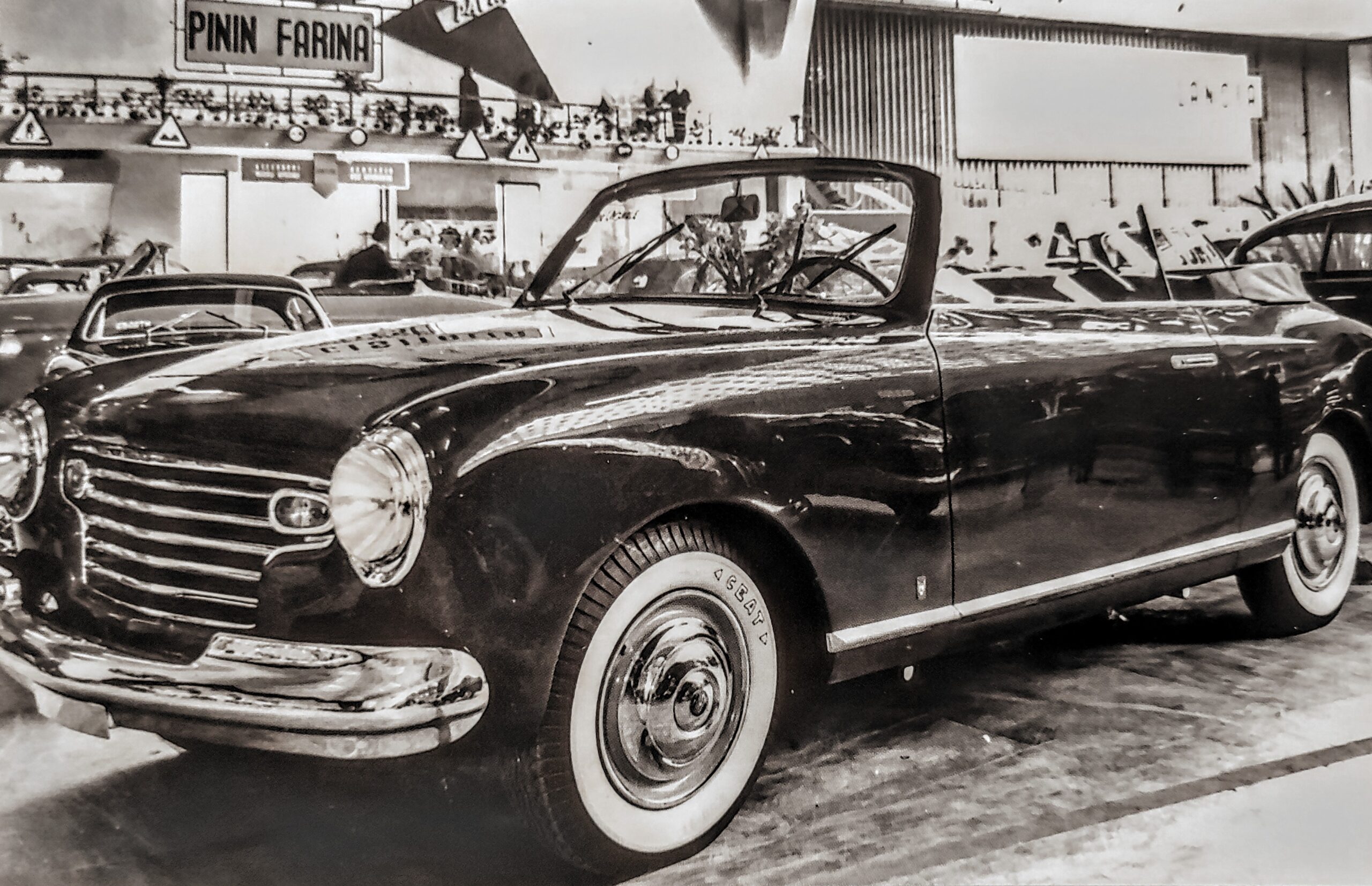
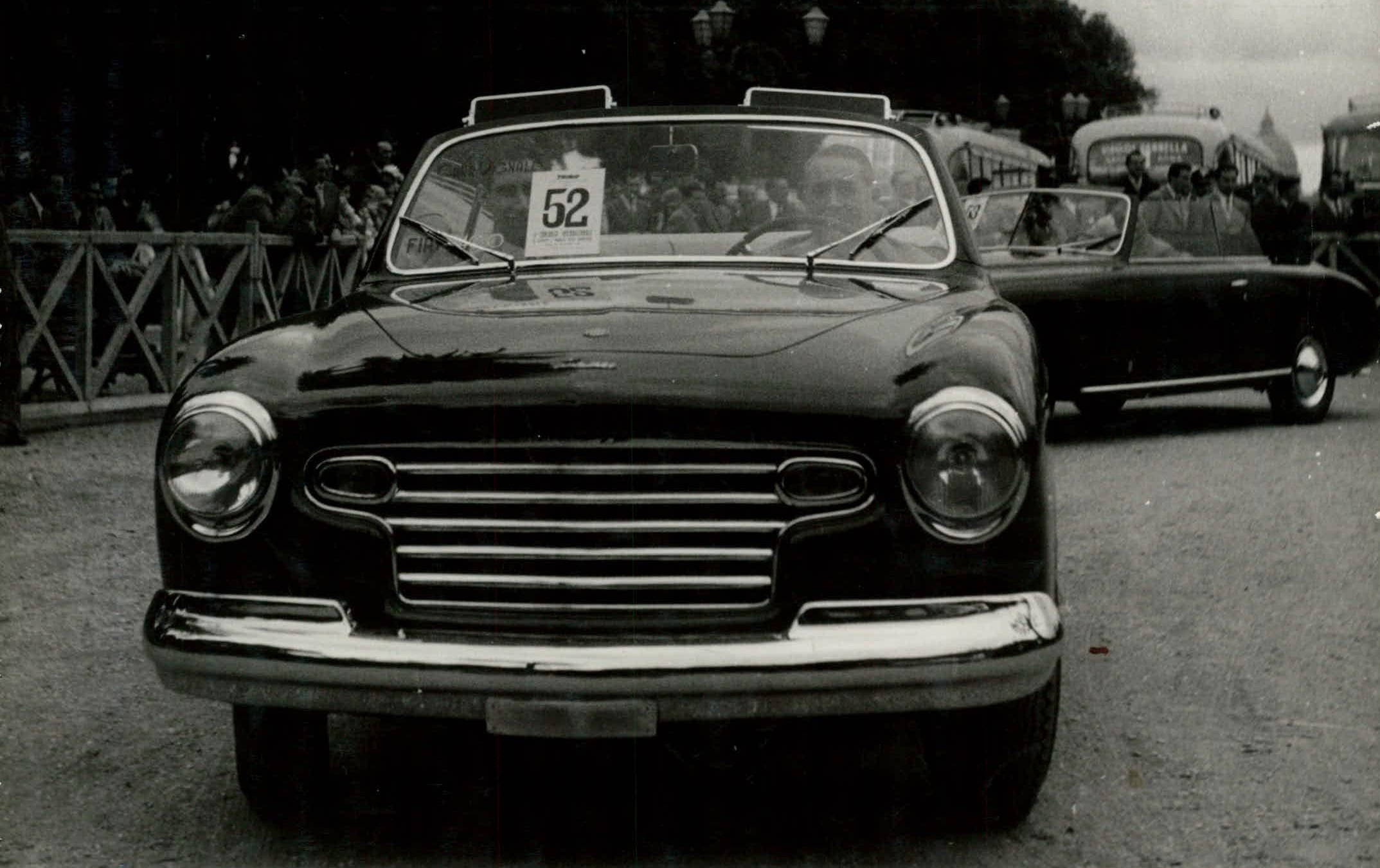
The Orchidea Cabriolet shared the same front-end and general lines as the coupé, but with a custom folding roof. With the top down, the cabriolet’s sleek beltline and interior details became even more apparent. It was often seen in a two-tone color scheme (period photos and even a cameo in a film show one in a green-and-black combination), highlighting the car’s elegant proportions. Top up or down, the Orchidea Cabriolet presented a bellissima silhouette – “graceful lines and refined proportions, showcasing the pinnacle of Italian automotive design”, as one source described it.
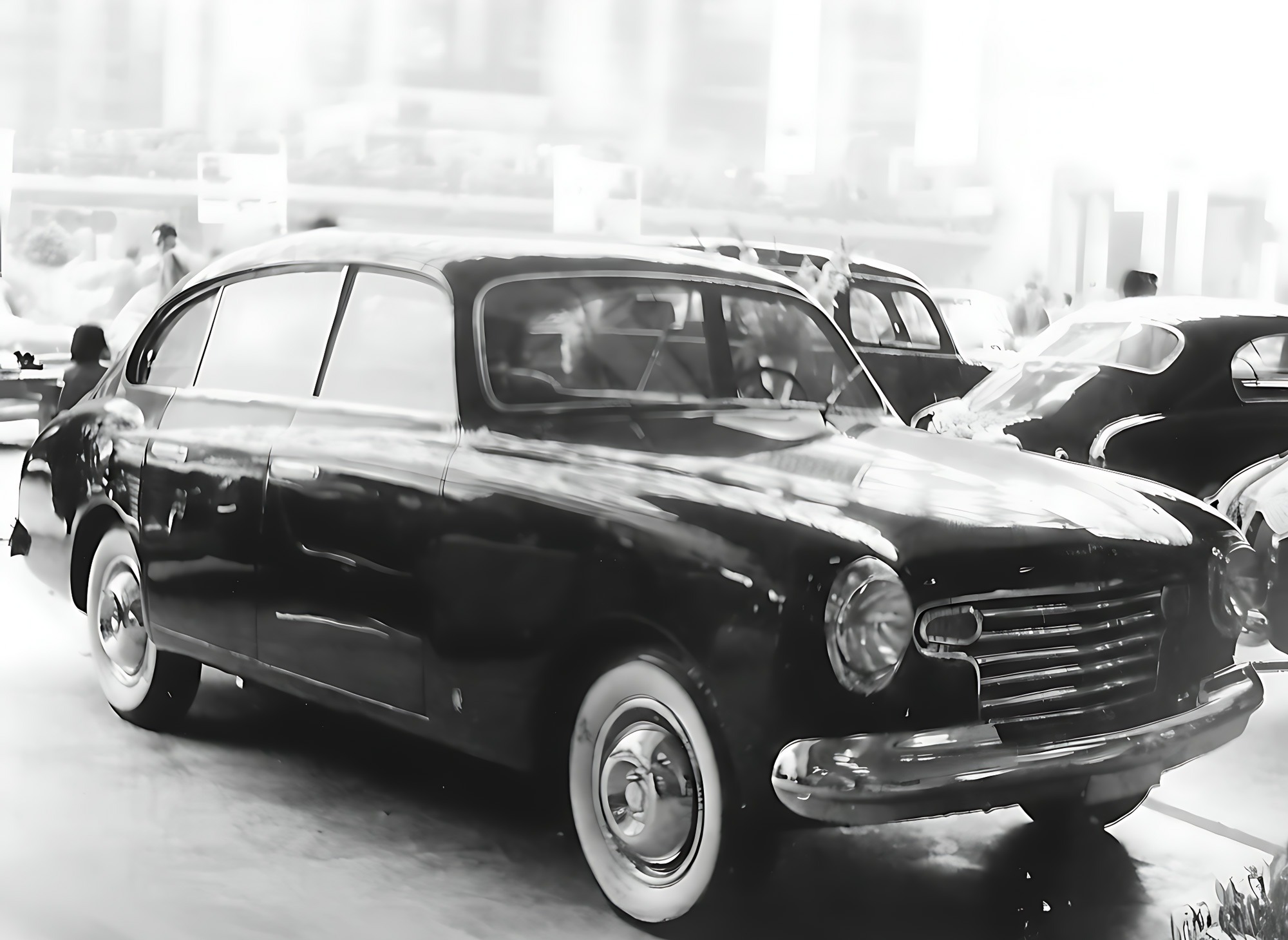
The Orchidea Berlina (Sedan), while perhaps the least sporty in concept, was no less impressive in design. Michelotti adapted the two-door Orchidea’s themes to a four-door body with remarkable success. The sedan featured the same T-grille and front-end treatment, but the roof was taller and longer to accommodate rear doors and a more spacious cabin. Interestingly, period descriptions highlight that the Berlina’s presence was quite stately – it looked “poised even when standing still, an embodiment of post-war optimism and Italian design excellence”. One particularly eye-catching detail was how the rear doors were styled without a central B-pillar interrupting the window line (a so-called “hardtop” style sedan), giving an uninterrupted sweep of glass that added to the elegance. Inside, all the Orchidea variants were finished to a standard far above the normal Fiat. The interior of the coupé, for example, boasted finely trimmed upholstery, an array of stylish gauges and switches, and careful detailing that one might expect in a luxury Alfa or Lancia of the time. An observer noted that the Orchidea’s interior appointments were “worthy of much higher-class vehicles,” reflecting the care Vignale poured into these specials. Indeed, every aspect of the Orchidea was about bringing Italian coachbuilt luxury to the Fiat 1400 platform – an exercise in elevating a humble car to automotive art.
Show Stoppers: Orchidea at Concours and Salons
Carrozzeria Vignale’s Orchidea cars were not created merely as styling exercises; they were intended to be seen and admired by the public and press. In 1950, these unique Fiats made a splash on the show circuit and at concours d’elegance competitions, earning Vignale valuable accolades that boosted the fledgling carrozzeria’s prestige.
The Orchidea Cabriolet was introduced to the world at the 1950 Geneva Motor Show, one of Europe’s premier auto salons. Displayed on Vignale’s stand in Geneva, the emerald-green cabriolet captivated attendees with its exquisite lines and top-notch craftsmanship. It was a bold move to debut a custom Fiat on the international stage, but it signaled that postwar Italian coachbuilders were back in business, marrying exotic design with approachable mechanicals. Following Geneva, Vignale brought the Orchidea design home to Italy’s own trade fair: the Turin Auto Salon later in 1950. At the Turin show, Vignale’s stand proudly displayed not only the cabriolet but also the coupé and the four-door sedan side by side. Showgoers in Turin were treated to the full range of Michelotti’s Fiat 1400 creations – a small family of Orchideas in different flavors. Photographs from the Vignale stand in 1950 even show the sleek coupé and the open cabriolet exhibited together, gleaming under the lights and drawing crowds of admirers. It was clear that these cars were crowd favorites, as they offered a tantalizing blend of style and attainable luxury that stood out amid more expensive exotica on display.
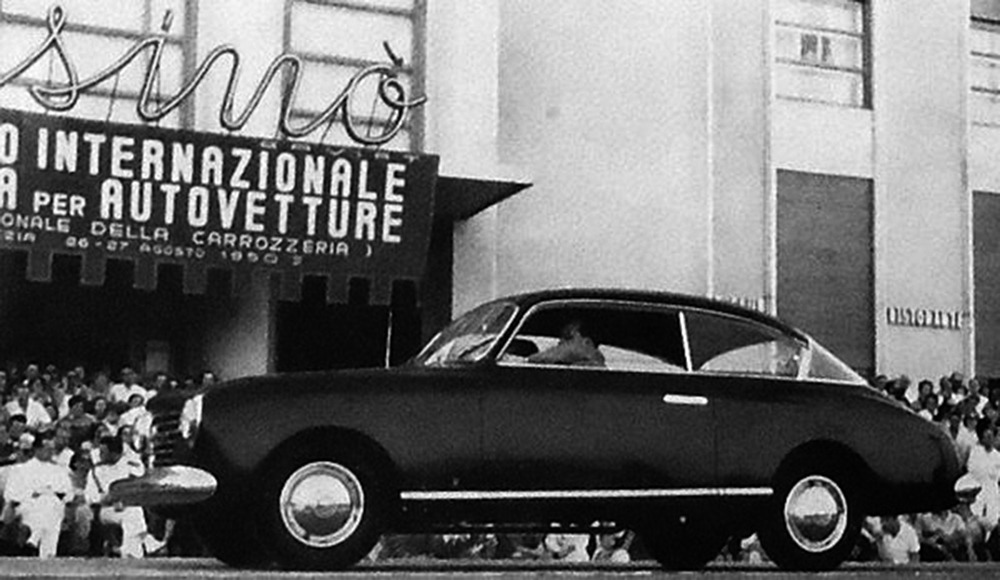
The real proving ground for coachbuilt specials in that era, however, was the concours d’elegance. These were essentially beauty contests for automobiles, often held in glamorous locales and judged by panels for design, originality, and elegance. In September 1950, Vignale entered the Fiat 1400 Orchidea Coupé into the Concorso d’Eleganza del Lido di Venezia (Venice Lido Concours). The competition in Venice was fierce – other coachbuilders brought their best, including Ghia with its flashy Supergioiello coupé and Carrozzeria Monterosa with a stylish wagon, among others. Even in such company, the Vignale Orchidea stole the show. The green Orchidea Coupé won its class and in fact took home the Gran Premio (Grand Prize) at the Venice Concours in 1950. Accounts from the event indicate that multiple Fiat 1400-based specials received honors – a true testament to the model’s versatility – but Michelotti’s Orchidea was a standout. One detailed retrospective notes that at the 1950 Venice Lido event, “one of [Monterosa’s] wagons was awarded a Gran Premio… the same event where also … the Ghia 1400 Supergioiello and the Vignale Orchidea won”. In other words, the Orchidea was recognized as one of the finest designs of the show, placing Vignale firmly in the spotlight of Italy’s coachbuilding scene. Winning at Venice was a huge achievement for a newcomer like Vignale – it was equivalent to a young fashion house winning an haute couture award, instantly raising its profile.
🔗 Read more: The Lancia B20 Design Story
Not to be outdone, the Orchidea Cabriolet also had its moment in competition. In late 1950, a Concorso d’Eleganza was held in Rome (specifically, the Concours at Villa Borghese, sometimes called Concorso d’Eleganza di Roma). Vignale presented the Orchidea Cabriolet at this event, where it “received admiration and acclaim” from judges and the public alike. While records do not indicate a class win in Rome as definitively as Venice, the mere appearance of the car on that stage further cemented its reputation. period newsreels even captured the Vignale cabriolet gliding through the picturesque Pincio Gardens during the Rome concours, an image of postwar La Dolce Vita on wheels.
The Orchidea cars continued to make appearances into 1951 as well. The coupé, for instance, was reportedly shown again at the 1951 Turin Motor Show – evidence that Vignale kept using this crowd-puller to attract wealthy clientele to his stand. By then, however, Vignale was also moving on to new projects (including custom cars on the newer Fiat 1900 chassis and various sports cars). The Orchidea had done its job: it announced to the world that Fiat’s plain 1400 could be reborn as a thing of beauty in the hands of Italian artisans, and it established Vignale as a force to be reckoned with.
Notably, the Orchidea’s success at venues like Venice did more than just earn trophies – it had a lasting impact on design trends. The visibility and awards proved that consumer appetite existed for elegant yet accessible cars. It wasn’t long before other coachbuilders and even Fiat itself took cues from these show cars. For example, Fiat’s own styling department and Pinin Farina would incorporate more glamour into subsequent models (the Fiat 1900 Gran Luce, for instance, had a more luxurious flair). Meanwhile, Vignale leveraged the credibility earned from the Orchidea to win contracts building specials for Ferrari, Lancia, and others in the 1950s. In essence, the Orchidea’s concours victories were not just one-off triumphs; they were stepping stones that advanced Italian automotive design culture in the 1950s.
Legacy and Lore: The Fate of the Orchideas
Considering their purpose as show cars, it is remarkable that the Vignale Orchidea examples have survived into the modern day at all. These cars were never mass-produced, and each led a unique life after its moment in the spotlight. Today, they are coveted rarities, emblematic of a golden age of Italian coachbuilding and cherished by collectors who value their historical significance and beauty.
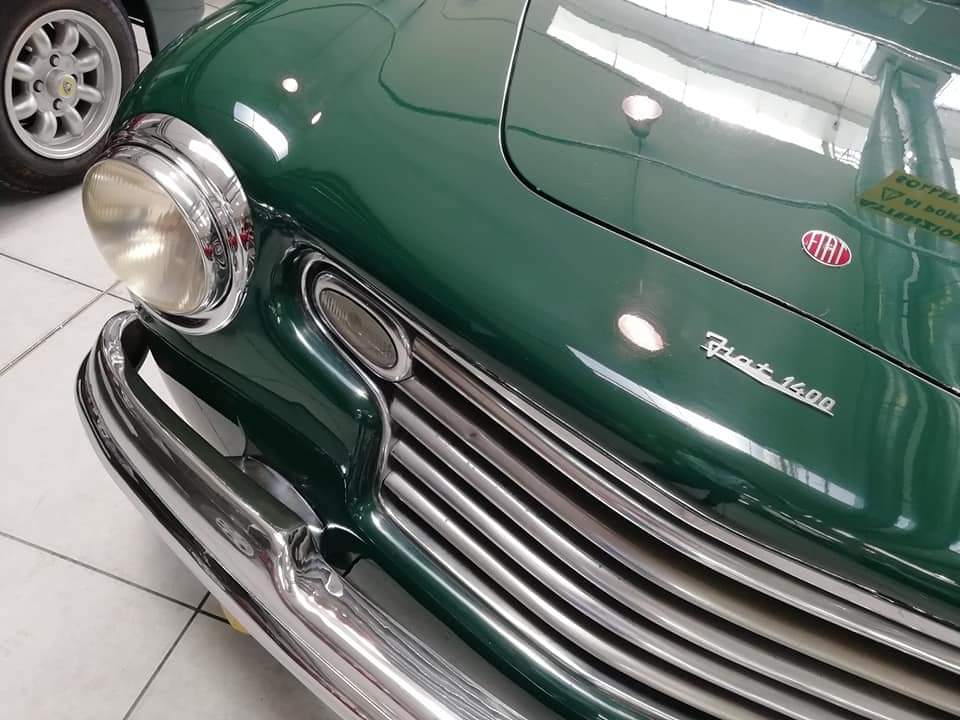
The Orchidea Coupé – Chassis #007312, the green, award-winning Venice star – enjoyed a truly charmed life. After dazzling crowds in 1950, it was sold to a private owner in Italy. In fact, that owner was no ordinary client: the car went to a Sicilian noble family (the Baronale family of Catania) who kept the Orchidea Coupé as a prized possession for nearly seven decades. From 1950 until 2018, the Fiat remained in that one family’s care, used sparingly and stored carefully – a likely explanation for its exceptional state of preservation. With only about 48,000 km (~30,000 miles) on the odometer, the coupé is essentially original, never fully restored and only re-painted once in the 1990s. Even delicate components like the plexiglass rear window and the bespoke interior trim have been preserved intact. This time-capsule condition led one seller to describe it as “un museo viaggiante” – a moving museum piece. The car’s authenticity and story were well documented: it has been recognized by the Museo dell’Automobile in Turin and featured in the Italian Fiat registry magazine “Il Registro”. When the coupé finally changed hands out of the original family in 2019, it caused quite a stir in the classic car community. Enthusiasts marveled that such a jewel still existed, and it was quickly deemed Mille Miglia eligible and an ideal entrant for high-end classic shows. As one commentator quipped, this Orchidea could be “the cheapest entry ticket to Pebble Beach” – a relatively affordable way to be invited onto the lawns of the world’s top concours, thanks to its uniqueness and pedigree. Indeed, the Orchidea Coupé, now fully appreciated, has become a celebrity in its own right among classic Italian car circles.
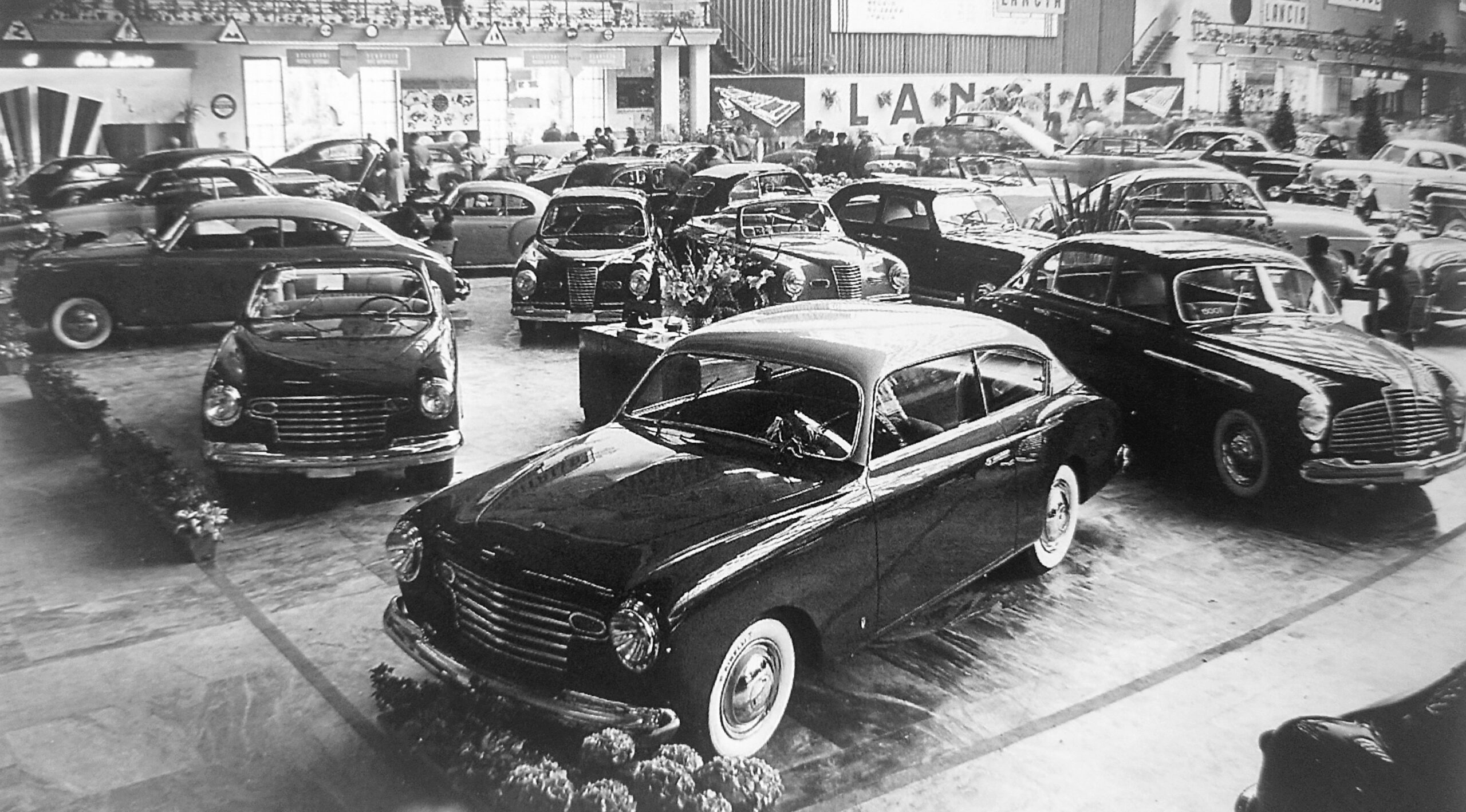
The Orchidea Cabriolet and the Orchidea Berlina vanished after its debut, leaving behind no record of a buyer, no photographs in private hands, not even a whisper of its later life.
Taken together, the legacy of the Fiat 1400 Orchidea by Vignale is far greater than the sum of three singular cars. These automobiles capture a unique moment in history – Italy in the early 1950s – when creativity, optimism, and craftsmanship converged to produce mechanical art. They demonstrate how a mass-market platform and visionary design could combine to blur the lines between everyday car and custom luxury machine. As a pinnacolo of Italian coachbuilding, the Orchidea variants are frequently cited as exemplars of Giovanni Michelotti’s genius. Every line and curve spoke to his mastery of proportion and detail, yielding a shape that was both contemporary for its time and foreshadowed the coming trends (one can spot hints of future sports cars in the subtle tail treatment and the airy greenhouse). Alfredo Vignale, for his part, solidified his reputation with the Orchidea – soon after, his firm would be commissioned to build some of the most exclusive Ferraris of the 1950s, a direct result of proving their mettle on the Fiat 1400 project.
Even today, enthusiasts and historians continue to cherish the Orchidea as a touchstone of automotive elegance. The cars are frequented by stories and photographs in books and articles about coachbuilt Fiats. When the coupé re-emerged for sale, it caused excitement not unlike the reappearance of a long-lost painting by a master. It’s easy to see why: the Fiat 1400 Orchidea manages to be both a fine example of design artistry and a symbol of accessible innovation. In an era defined by rapid change – postwar recovery, new technologies, new aesthetics – the Orchidea stood out as something genuinely fresh yet utterly refined.
Friendly and engaging in character yet unquestionably professional in execution, the Fiat 1400 Orchidea by Vignale remains a timeless reminder of Italy’s carrozzeria golden age. From concours trophies at the Lido of Venice to quiet drives under the Sicilian sun, the Orchidea has lived a rich life that continues to fascinate. As a rara avis on wheels, it exemplifies the notion that a car can transcend its industrial origins to become a rolling sculpture – all it takes is the right mixture of passion, talent, and perhaps a touch of floral inspiration. In the Orchidea, the postwar Italian auto industry truly found its bloom.

ABOUT THE AUTHOR
Andreas Scheidl
Italian classic car enthusiast with German roots. Renowned as a respected figure in the classic car community, he serves as a jury member at various international concours d'elegance, including the Classic Gala Schwetzingen and Mantova. As a content creator, Andreas passionately shares his profound knowledge and appreciation for vintage automobiles. His heart beats for cars designed by Giovanni Michelotti, showcasing his discerning taste and dedication to preserving the timeless elegance of automotive history.
More stories by Andreas Scheidl ↗CONTINUE READING
Posts You Might Like
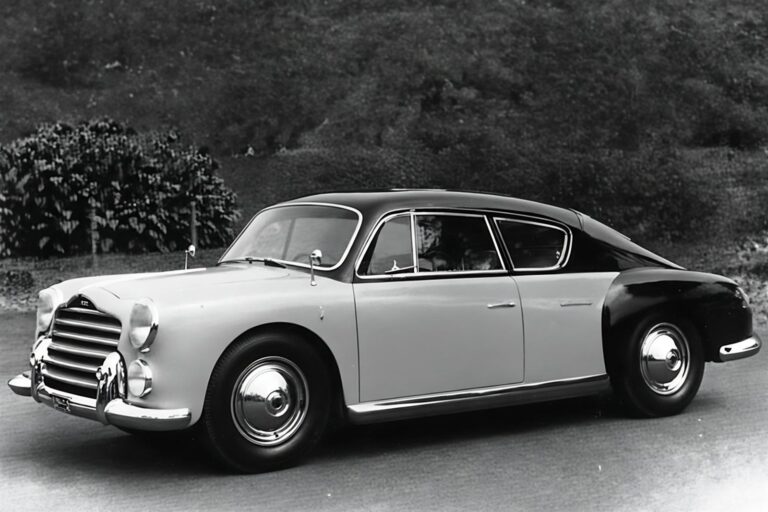
A Central Driving Position, a Rear-Mounted V8. Was This Really a Lancia?
In 1948, visitors to the Turin Motor Show could see an unusual Lancia on the stand of Carrozzeria Ghia. It was a large two-door coupé with a two-litre V8 mounted behind the…
Read story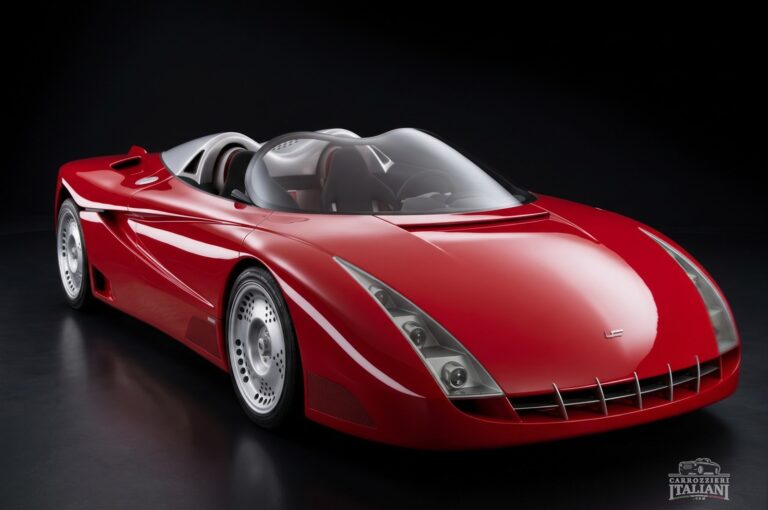
Fioravanti F100: The Ferrari He Was Allowed to Imagine
Enzo Ferrari’s centenary, Leonardo Fioravanti’s independent studio and a supercar that explored air brakes, steel wheels and a new way of driving—without ever wearing the Cavallino.
Read story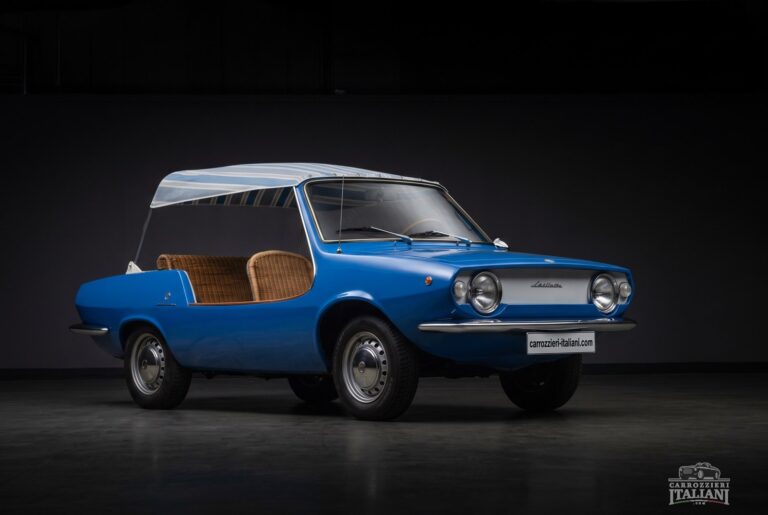
Michelotti Shellette: When the Fiat 850 Became a Yacht
The yacht designer, the Turin stylist and the tiny coachbuilt car that crossed between the quay, the royal holiday house and the auction room. Some automobiles were conceived for the open road,…
Read story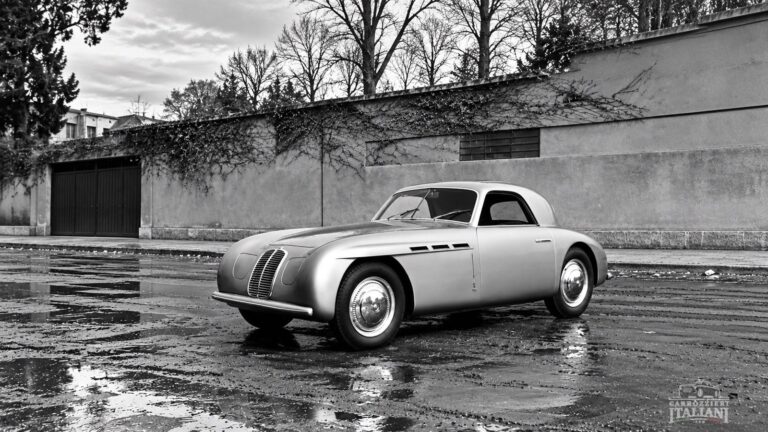
Maserati A6 1500: A New Road for the Trident
When the doors of the Geneva Motor Show opened in March 1947, Maserati was a name that required little introduction to anyone who followed motor racing. What it did not yet possess…
Read story
THE CONVERSATION
Comments 0
Share a memory, a period photograph or a documented detail about this story.