
Fiat 850 Vignale: guida completa
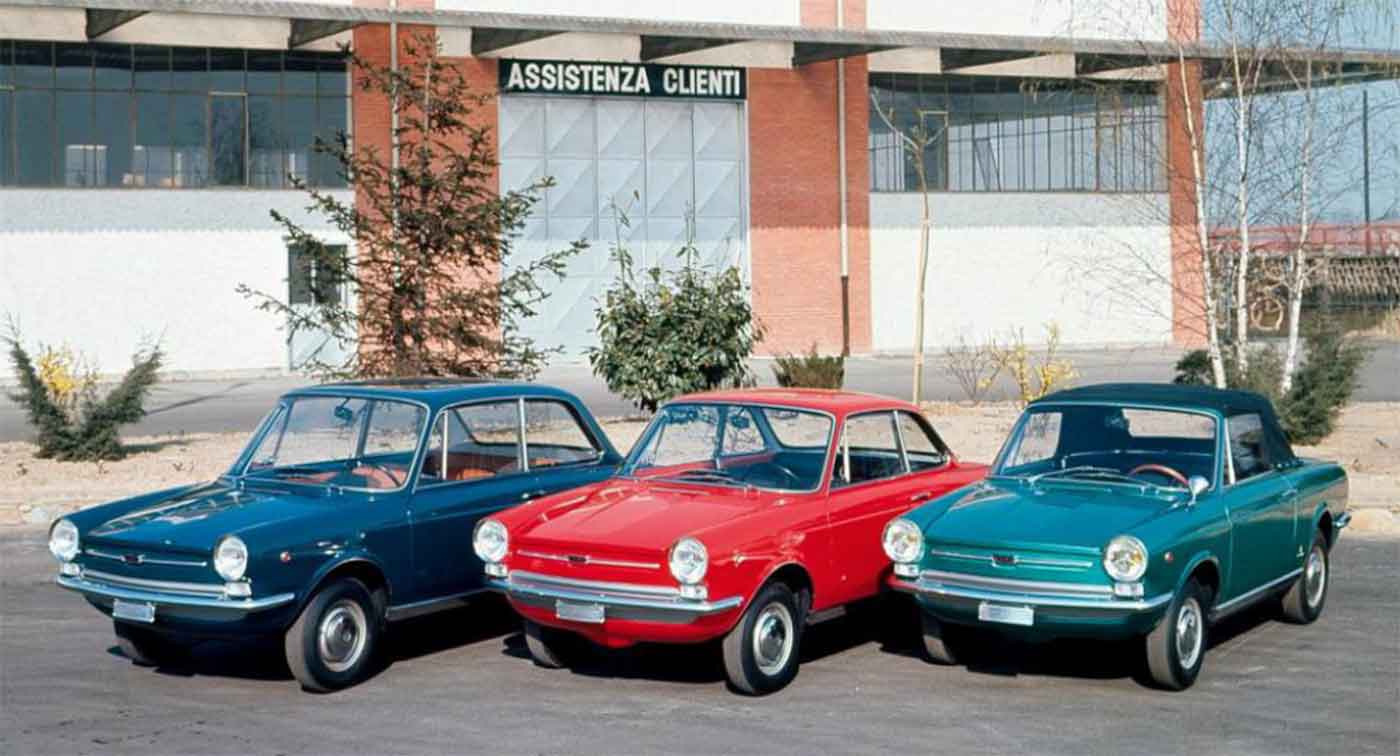
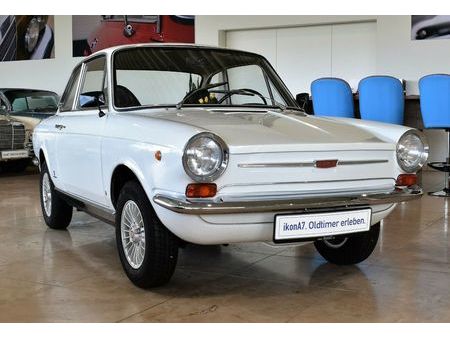
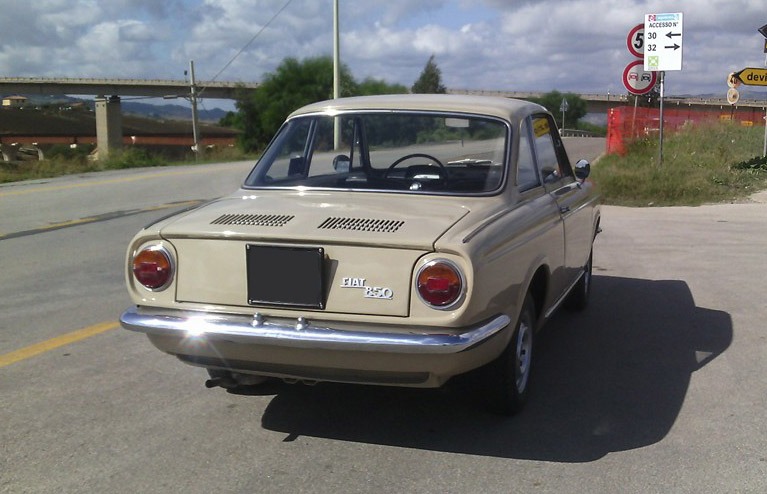
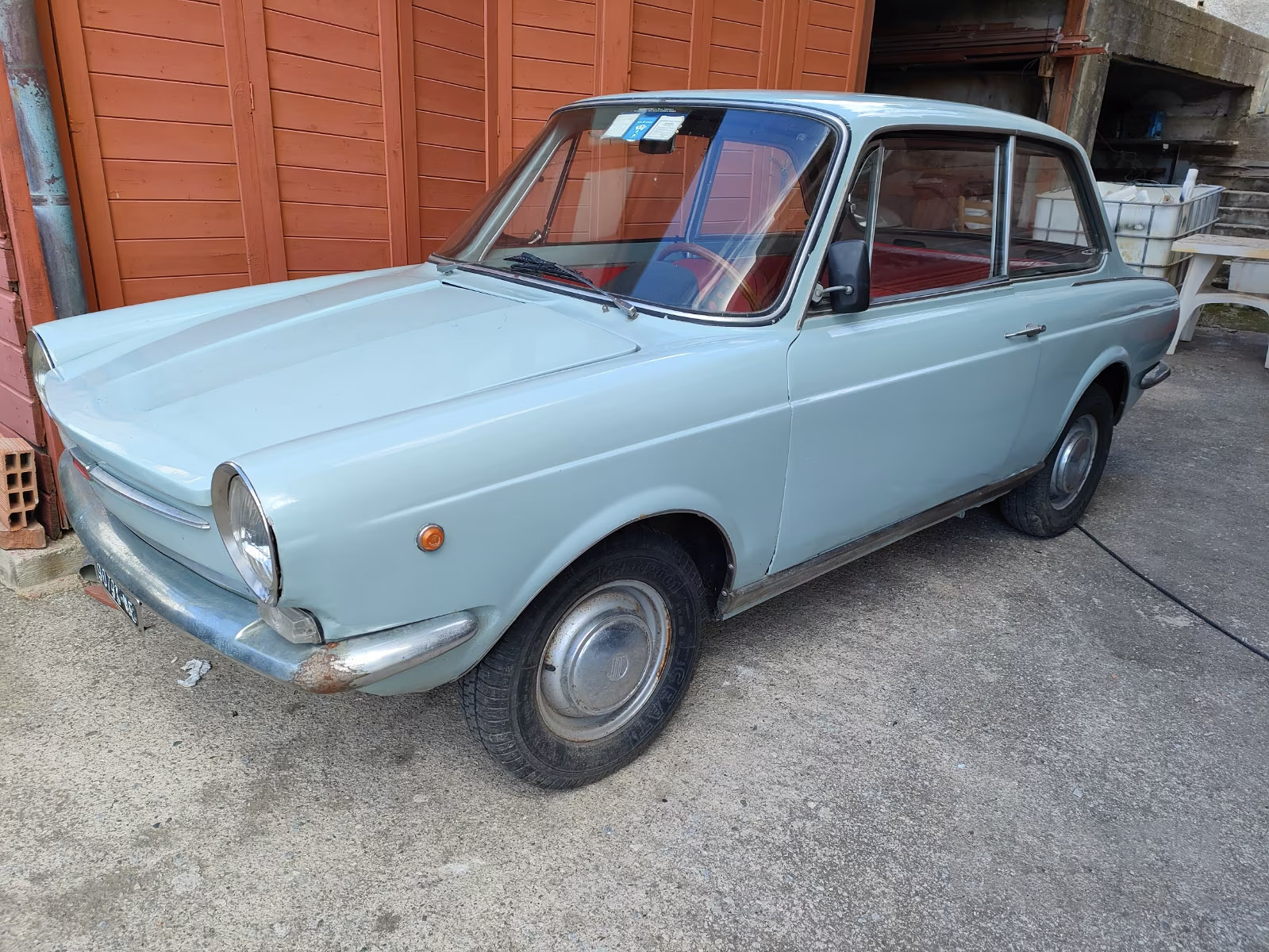
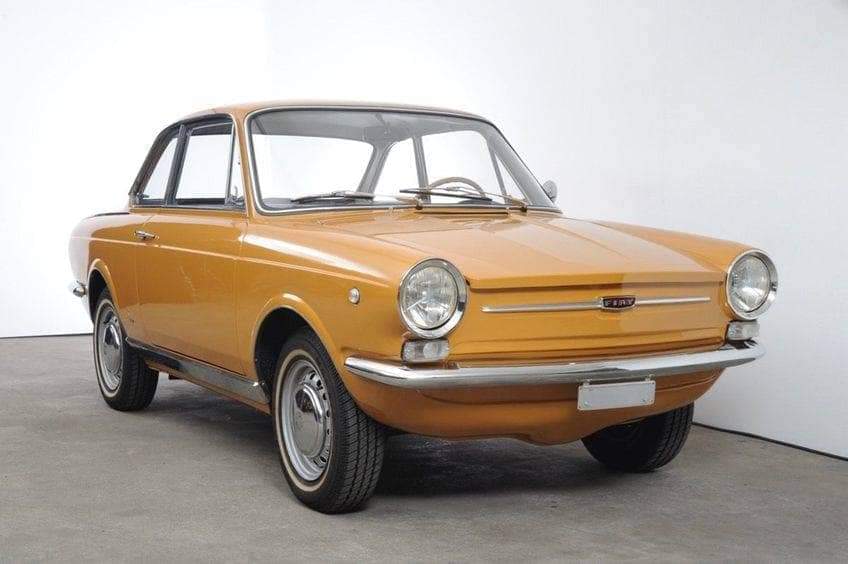
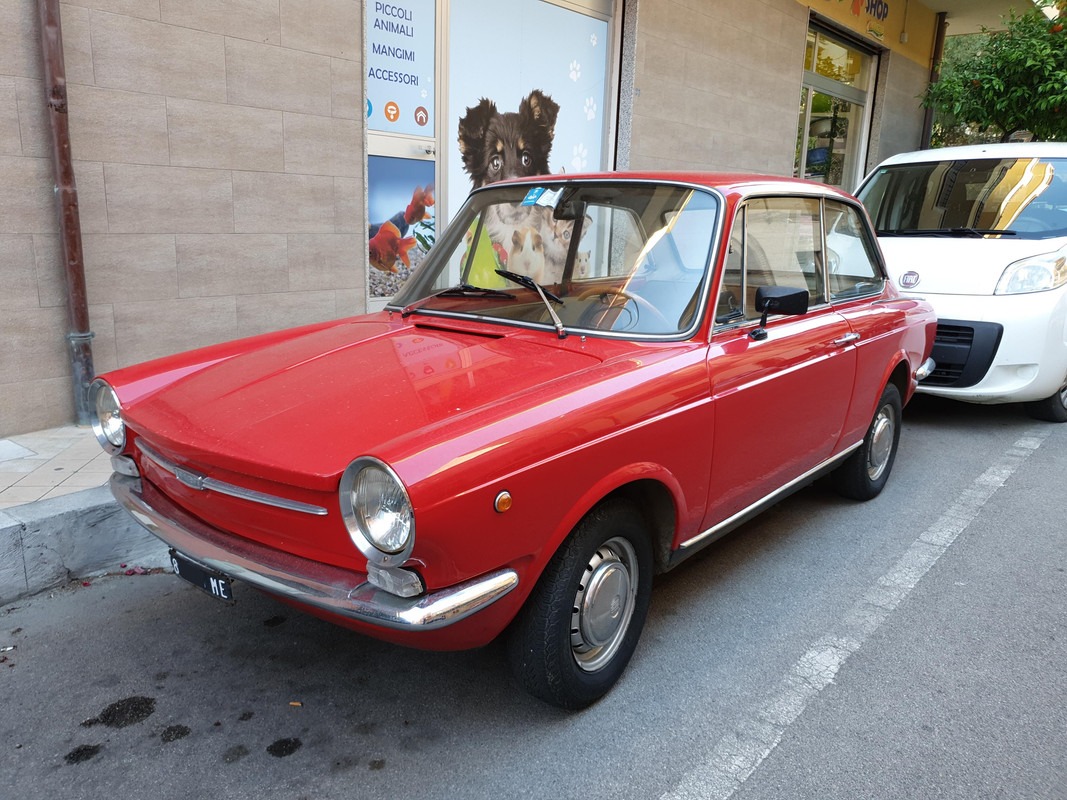
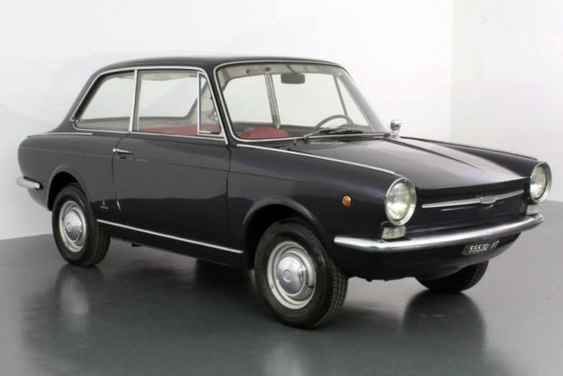
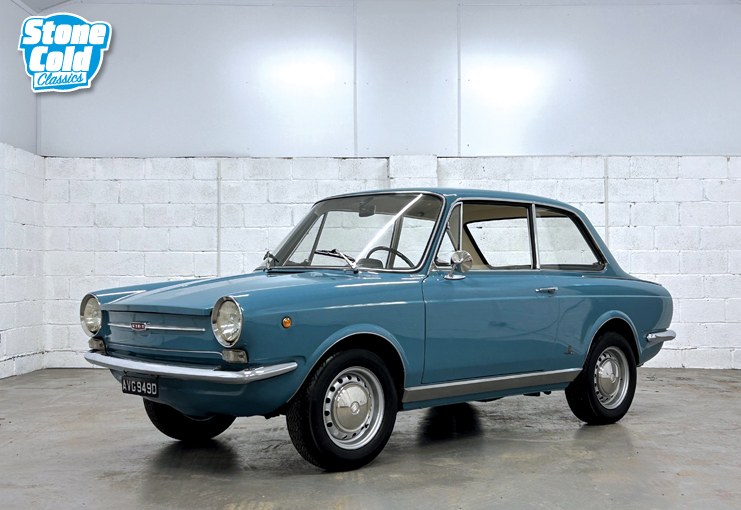
Nel 1964, Fiat lancia la Fiat 850, e come da tradizione, diversi carrozzieri italiani presentano le loro versioni Fuori serie basate sul telaio della 850 fornito dalla stessa Fiat. Al Salone di Torino dello stesso anno, tra i vari carrozzieri spicca la rinomata Carrozzeria Vignale, che propone tre modelli: una berlina a due porte, un coupé 2+2 posti e una graziosa spider. Queste vetture, eredi dei modelli su base Fiat 600, ereditano anche il soprannome “Vignalina”. I tre modelli furono disegnati da Virgino Vairo, con bozzetti realizzati da Alfredo Zannellato, basati su disegni di Giovanni Michelotti, designer di fiducia di Alfredo Vignale per molti anni.
In 1964, Fiat introduced the Fiat 850, and as per tradition, various Italian coachbuilders presented their custom versions based on the 850 chassis supplied by Fiat itself. At the Turin Motor Show that same year, among the various coachbuilders, the renowned Carrozzeria Vignale stood out with three proposals: a two-door sedan, a 2+2 coupé, and a charming spider. These models were the successors to the Fiat 600-based designs and inherited the nickname “Vignalina.” The three models were designed by Virgino Vairo, with sketches executed by Alfredo Zannellato, based on drawings by Giovanni Michelotti, who had been Alfredo Vignale‘s trusted designer for many years.
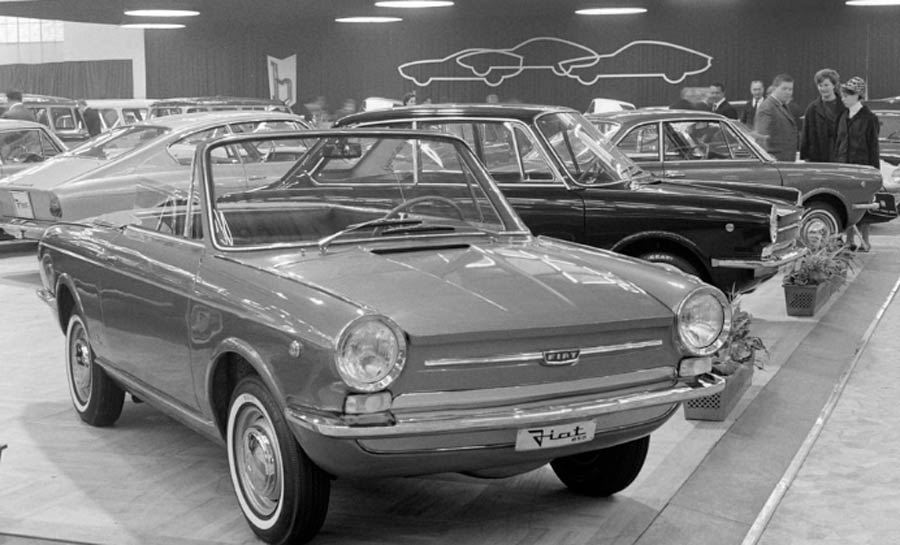
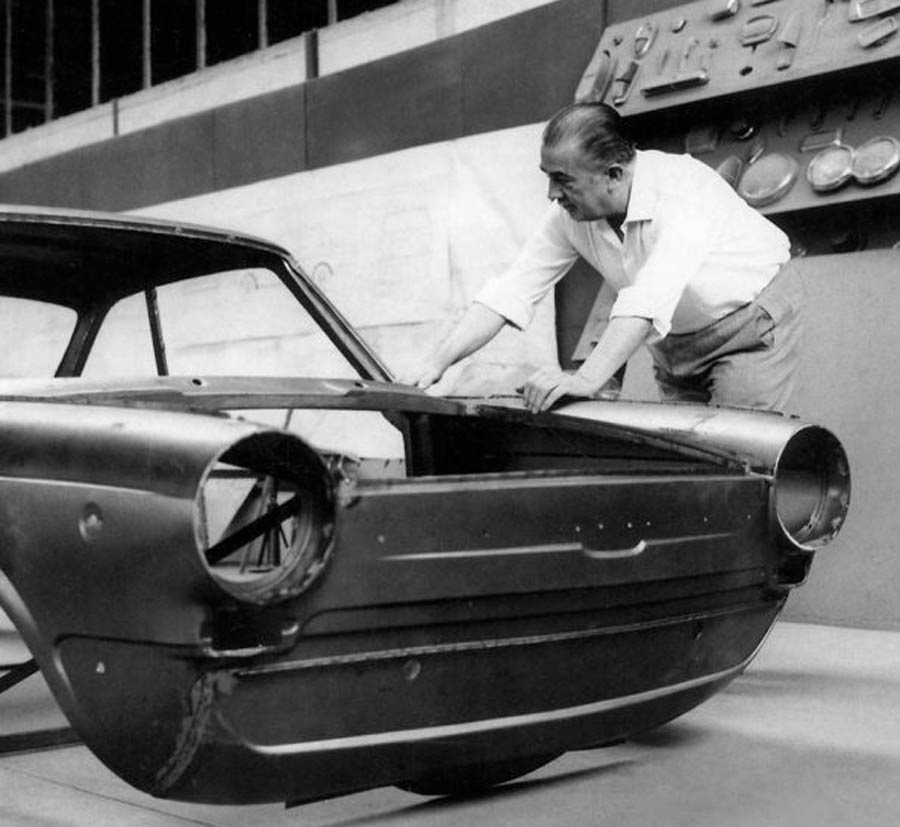
Al Salone di Torino, le Vignaline ottennero un grande successo, che portò alla loro produzione dal 1964 al 1969, articolata in quattro serie con diversi allestimenti. Complessivamente furono realizzati 4.000 esemplari della Berlina a due porte, 5.000 del Coupé 2+2 e solo 1.000 della Spider, per un totale di circa 10.000 unità prodotte in cinque anni. Sempre al Salone di Torino del 1964, Giannini presentò una versione potenziata con cilindrata aumentata a 930 cc e una potenza di 54 CV. Questa variante era equipaggiata con un contagiri sul cruscotto, un albero a camme specifico e una coppa dell’olio in lega leggera. Contrariamente a quanto comunemente si pensa, le carrozzerie delle Vignaline non vennero realizzate direttamente da Vignale, bensì da un fornitore esterno, la L.I.T.L.A. (Lavorazioni Industriali Torinesi Lamiere e Affini). Fondata all’inizio del 1952 a Torino dal cavalier Giacomo Griffa, la L.I.T.L.A. era specializzata nella battitura a mano di prototipi con carrozzerie fuoriserie. Nelle officine di corso Brianza venivano prodotte le scocche per alcune tra le più prestigiose vetture del dopoguerra, tra cui la Lancia B20 carrozzata Ghia, l’intera gamma delle Cisitalia e la celebre Fiat 850 Vignale. Con l’evoluzione delle tecniche produttive e le nuove esigenze del mercato, la battitura a mano venne progressivamente abbandonata in favore di stampi in resina, tecnica in cui la Litla fu pioniera. Per quanto riguarda il telaio, furono acquistati 10.000 pezzi direttamente da Fiat. Alfredo Vignale si indebitò pesantemente per sostenere questo investimento. Quando Alejandro De Tomaso acquisì la Ghia e successivamente la Vignale, cercò di fare pressione su Fiat presentando la De Tomaso 1600 – un modello molto simile alla X1/9 – con l’intento di ricattare l’azienda torinese e ottenere un alleggerimento del debito contratto da Vignale.
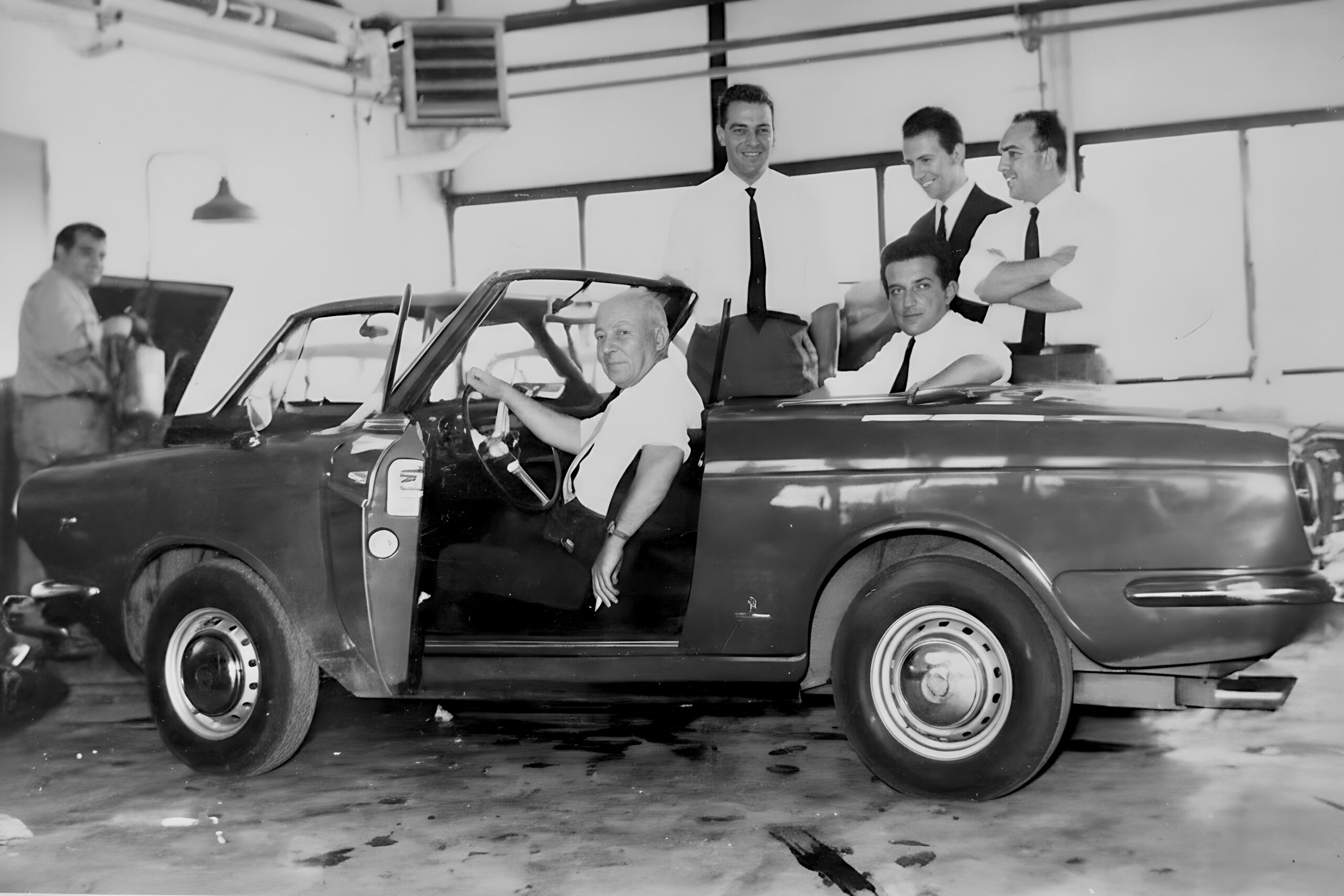
At the Turin Motor Show, the Vignaline models received great acclaim, which led to their production from 1964 to 1969. They were built in four different series with various trims. A total of approximately 10,000 units were produced over five years: 4,000 two-door Berlina versions, 5,000 2+2 Coupés, and just 1,000 Spiders. Also at the 1964 Turin Motor Show, Giannini unveiled a performance-enhanced version with increased displacement to 930 cc and an output of 54 horsepower. This variant was equipped with a dashboard-mounted tachometer, a specific camshaft, and a lightweight alloy oil pan. Contrary to popular belief, the bodies of the Vignaline models were not manufactured directly by Vignale, but rather by an external supplier: L.I.T.L.A. (Lavorazioni Industriali Torinesi Lamiere e Affini). Founded in early 1952 in Turin by Cavaliere Giacomo Griffa, L.I.T.L.A. specialized in hand-crafted bodywork for prototype vehicles. In its workshops on Corso Brianza, body shells were produced for some of the most prestigious post-war cars, including the Lancia B20 bodied by Ghia, the entire Cisitalia range, and the iconic Fiat 850 Vignale. As market demands evolved, hand-forming techniques were gradually replaced by new methods. L.I.T.L.A. was among the first companies to produce prototypes using resin molds. As for the chassis, 10,000 units were purchased directly from Fiat. Alfredo Vignale went into significant debt to finance the acquisition of these chassis. When Alejandro De Tomaso acquired Ghia and later Vignale, he attempted to pressure Fiat by unveiling the De Tomaso 1600—a near-clone of the X1/9—in an effort to leverage the situation and push Fiat to ease Vignale’s outstanding debt.
La Vignalina aveva una lunghezza di 3650 mm, una larghezza di 1460 mm, e un’altezza di 1320 mm per la Berlina e 1300 mm per il Coupé. Il peso era di circa 780 kg.
The Vignalina had a length of 3650 mm, a width of 1460 mm, and a height of 1320 mm for the Berlina and 1300 mm for the Coupé. The weight was approximately 780 kg.
Tinte di Produzione / Production colors
Le Vignaline 850 furono offerte in una gamma di colori vivaci e distintivi che riflettevano lo stile e l’epoca. Tutti gli allestimenti prevedevano interni in Skai (finta pelle). Le tinte di produzione includevano:
The Vignaline 850s were available in a range of vibrant and distinctive colors that reflected the style and era. All configurations featured Skai (imitation leather) interiors. The production colors included:
Bianco con interni neri / White with black interiors
Avorio con interni rossi o neri / Avorio with red or black interiors
Turchese con interni tabacco o avorio / Turchese with tobocco or ivory interiors
Grigio Medio con interni tabacco o rosso / Grigio Medio with tobocco or red interiors
Giallo Ocra con interni neri / Giallo Ocra with black interiors
Rosso Sierra con interni neri / Rosso Sierra with black interiors
Rosso Ossido con interni tabacco o avorio / Rosso Ossido with tobocco or ivory interiors
Bleu Oltremare con interni tabacco o avorio / Bleu Oltremare with tobocco or ivory interiors
Bleu Stile con interni tabacco o avorio / Bleu Stile with tobocco or ivory interiors
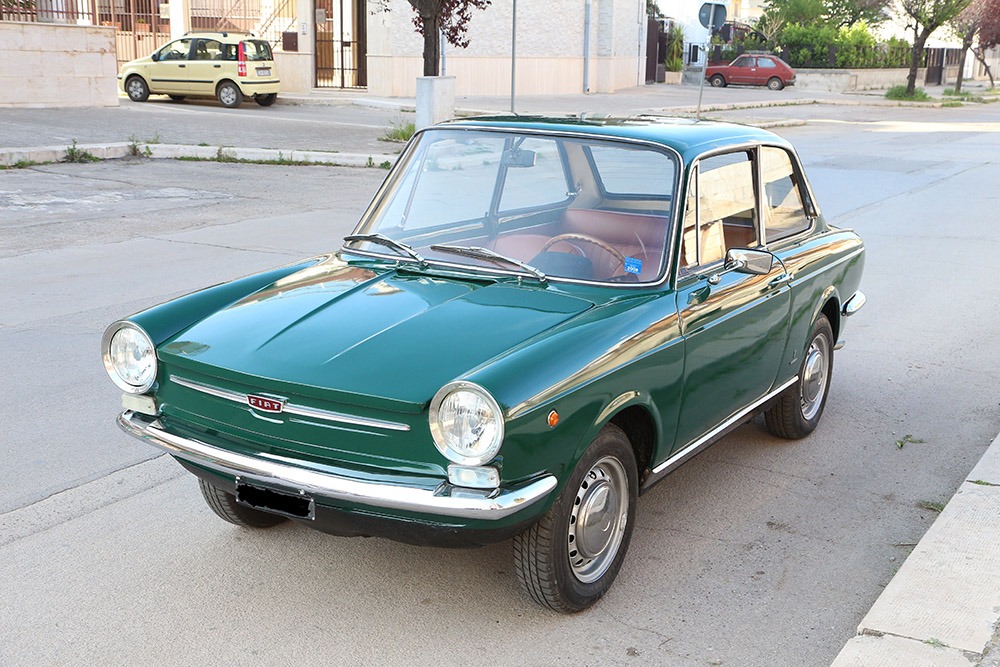
Verde Pineta con interni tabacco o avorio / Verde Pineta with tobocco or ivory interiors
Verde Menta con interni tabacco o avorio / Verde Menta with tobocco or ivory interiors
*colore di lancio solo per la prima serie / launch color only for the 1st series
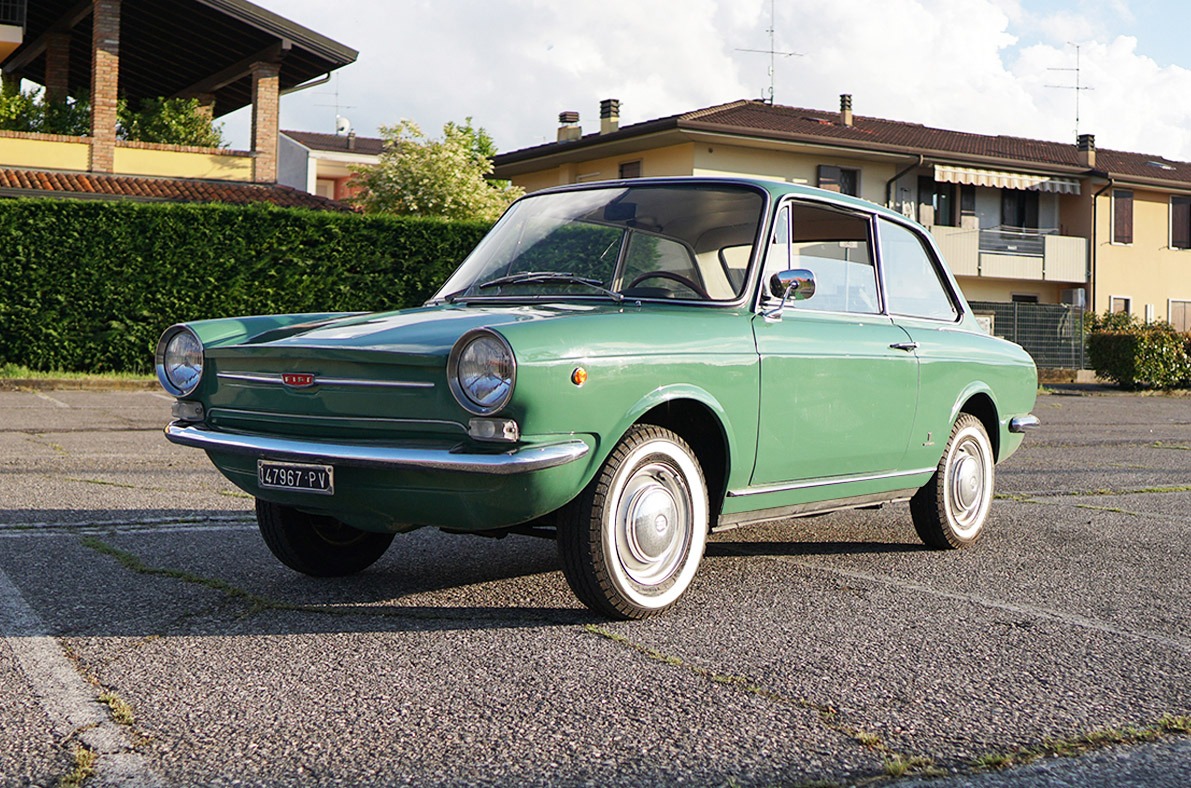
Quanto costava la 850 Vignale? / How much did it cost?
La versione base sia della Berlina che del Coupé era proposta al prezzo di 895.000 Lire, equivalente a circa 17.000 euro, esclusi gli optional come i kit di carburatore a doppio corpo e pneumatici a parete bianca. In confronto, il costo della Fiat 850 normale era di circa 12.500 euro, considerando il potere d’acquisto dell’epoca.
The base version of both the Berlina and Coupé was offered at a price of 895,000 Lire, equivalent to approx. 17,000 euros, excluding optional extras such as dual carburetor kits and white wall tires. In comparison, the cost of the standard Fiat 850 was around 12,500 euros, considering the purchasing power of the time.
Lusso Version
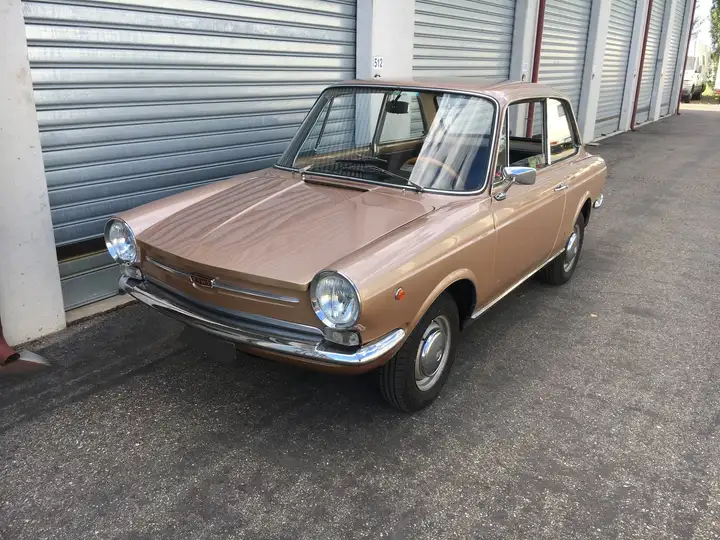
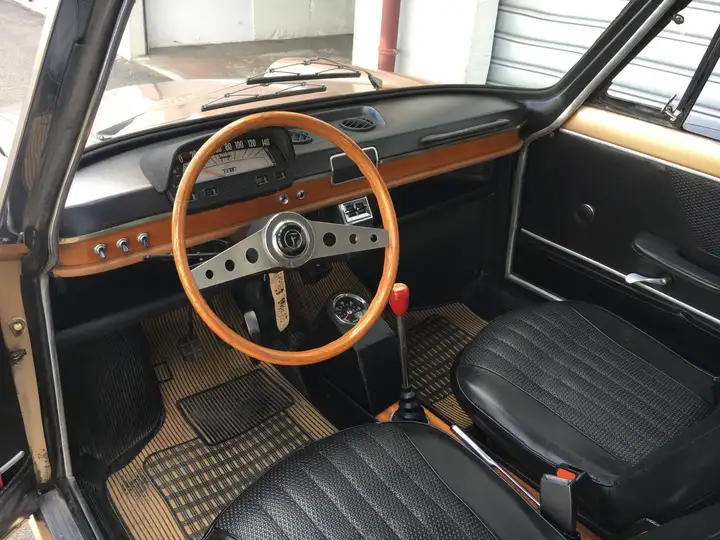
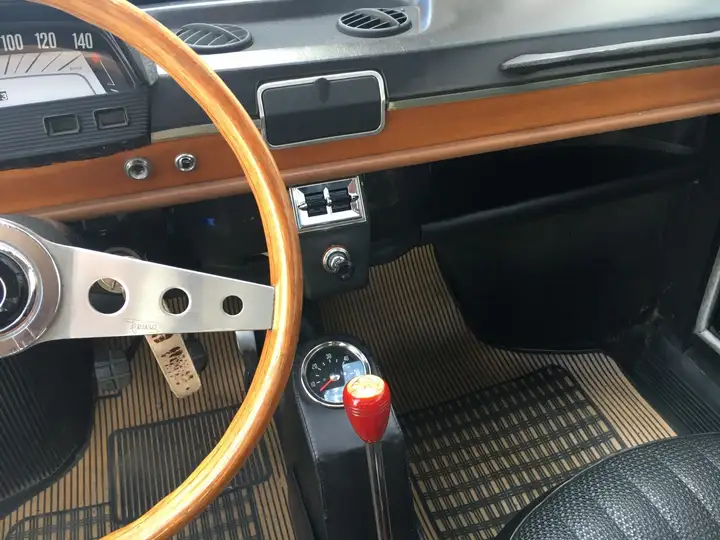
Oltre agli allestimenti base, già molto ricchi per un’auto basata sul telaio della 850, Vignale proponeva una versione ancora più equipaggiata chiamata Lusso e Lusso Export, destinata principalmente all’esportazione in Francia, Germania e Olanda. Questa variante si distingueva per la verniciatura metallizzata in colori come Argento, Volpe Argenta, Verde Bleu, Azzurro e Oro. Includeva inoltre sopratappeti in gomma coordinati, leva del cambio e del freno a mano cromate, contagiri elettronico, accendisigari e alzacristalli elettrici. La versione Lusso era offerta al prezzo di 980.000 Lire, equivalente a circa 20.000 Euro.
In addition to the base trims, which were already quite well-equipped for a car based on the 850 chassis, Vignale offered a more upscale version called Lusso and Lusso Export, primarily aimed at export markets in France, Germany, and the Netherlands. This variant stood out with metallic paint options in colors such as Silver, Fox Silver, Green Blue, Light Blue, and Gold. It also featured coordinated rubber floor mats, chrome gearshift and handbrake levers, an electronic tachometer, a cigarette lighter, and electric windows. The Lusso version was priced at 980,000 Lire, equivalent to approximately 20,000 Euros.
Prima Serie / 1st Series
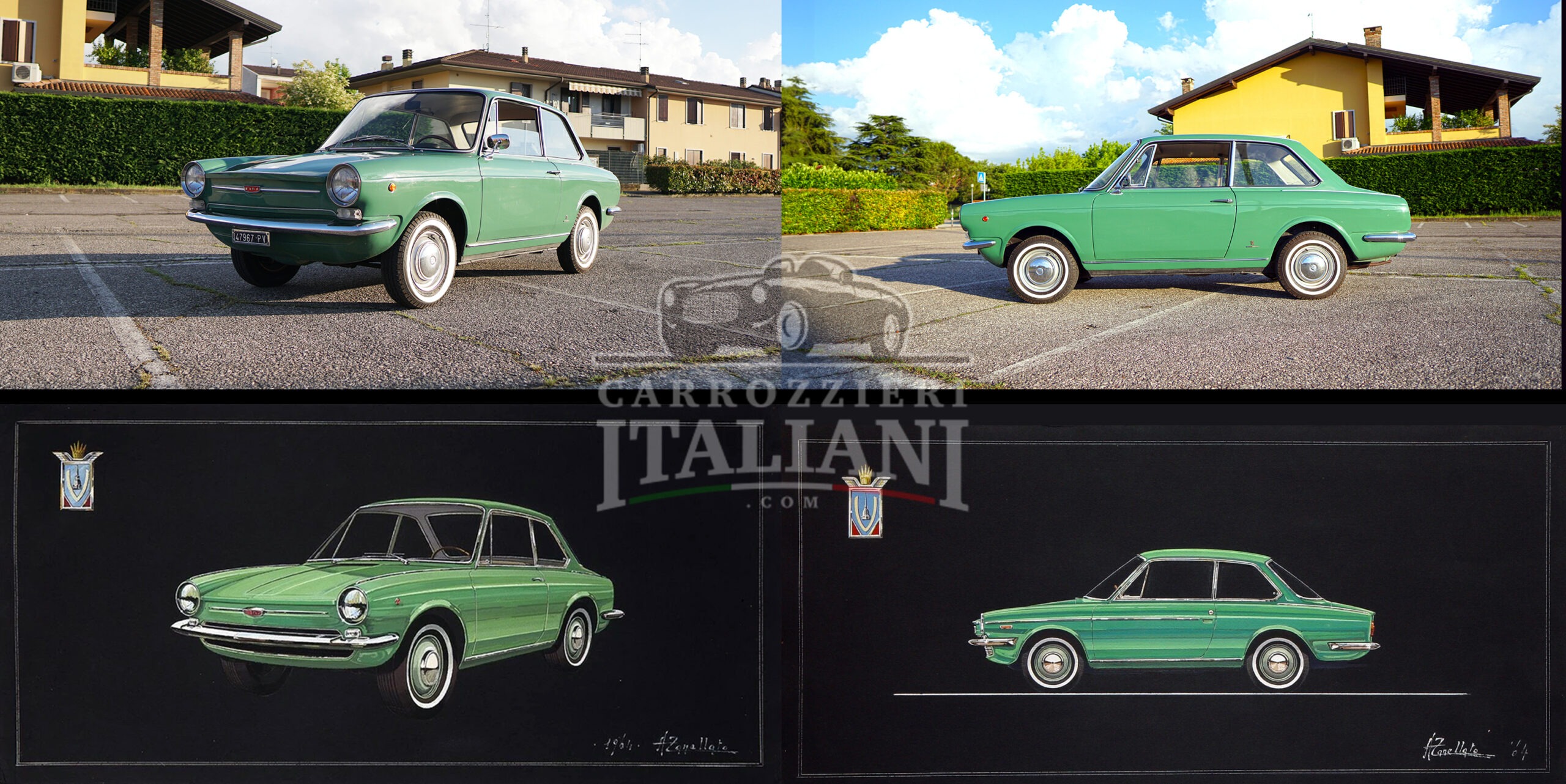
La Prima Serie fu costruita dal 1964 al 1966. Era equipaggiata con il motore della Fiat 850 Berlina Super, tipo 100 G002, con una cilindrata di 843 cc e una potenza di 37 CV. Questa versione presentava ruote solide da 12 pollici, tergicristalli incrociati, profili cromati sulla parte superiore dei parafanghi posteriori, un doppio profilo cromato sulle minigonne laterali e griglie di ventilazione del motore sul pannello posteriore.
The First Series was produced from 1964 to 1966. It was equipped with the engine from the Fiat 850 Berlina Super, type 100 G002, with a displacement of 843 cc and producing 37 hp. This version featured 12-inch solid wheels, crossed windshield wipers, chrome profiles on the top of the front fenders, a double chrome trim on the side skirts, and engine ventilation grilles on the rear panel.
Seconda Serie / 2nd Series
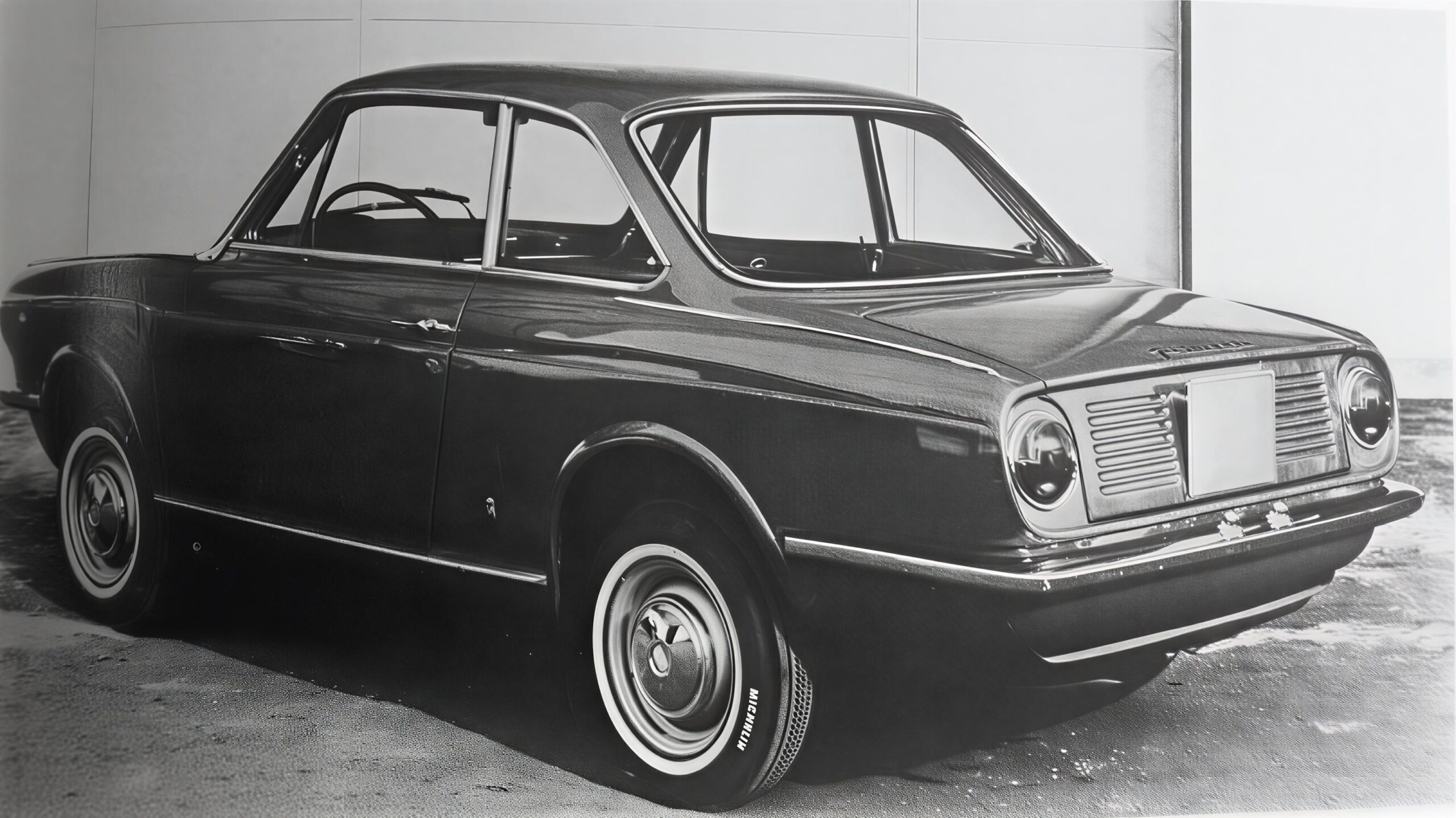
La Seconda Serie, prodotta nel 1967, continuava a utilizzare il motore da 843 cc e 37 CV della Fiat 850 Berlina Super. Manteneva le ruote solide da 12 pollici e i tergicristalli incrociati, ma spostava le griglie di ventilazione del motore dal pannello posteriore al cofano posteriore. Questa serie presentava un ampio profilo cromato sulle minigonne laterali e aggiungeva profili cromati sui passaruota.
The Second Series, produced in 1967, continued to use the 843 cc, 37 hp engine from the Fiat 850 Berlina Super. It retained the 12-inch solid wheels and crossed windshield wipers but relocated the engine ventilation grilles to the rear hood from the rear panel. This series featured a large chrome trim on the side skirts, removed the chrome profiles from the top of the front fenders, and added chrome accents on the wheel arches.
Terza Serie / 3rd Series
Nel 1968, fu introdotta la Terza Serie, dotata del motore della Fiat 850 Berlina Special, tipo 100 GB 000, che, pur mantenendo la stessa cilindrata di 843 cc, erogava 47 CV. Questa serie includeva aggiornamenti come i freni a disco anteriori e ruote perforate da 13 pollici. La posizione dei tergicristalli, il volante e il cruscotto erano presi dalla 850 Berlina Special, con un tachimetro che arrivava a 160 km/h. Inoltre, il font del logo sul pannello posteriore fu modificato.
In 1968, the Third Series was introduced, equipped with the engine from the Fiat 850 Berlina Special, type 100 GB 000, which, while maintaining the same 843 cc displacement, produced 47 hp. This series featured upgrades such as front disc brakes and 13-inch perforated wheels. The windshield wiper position, steering wheel, and instrument panel were borrowed from the 850 Berlina Special, including a 160 km/h speedometer. Additionally, the font of the logo on the rear panel was updated.
Quarta Serie / 4th Series
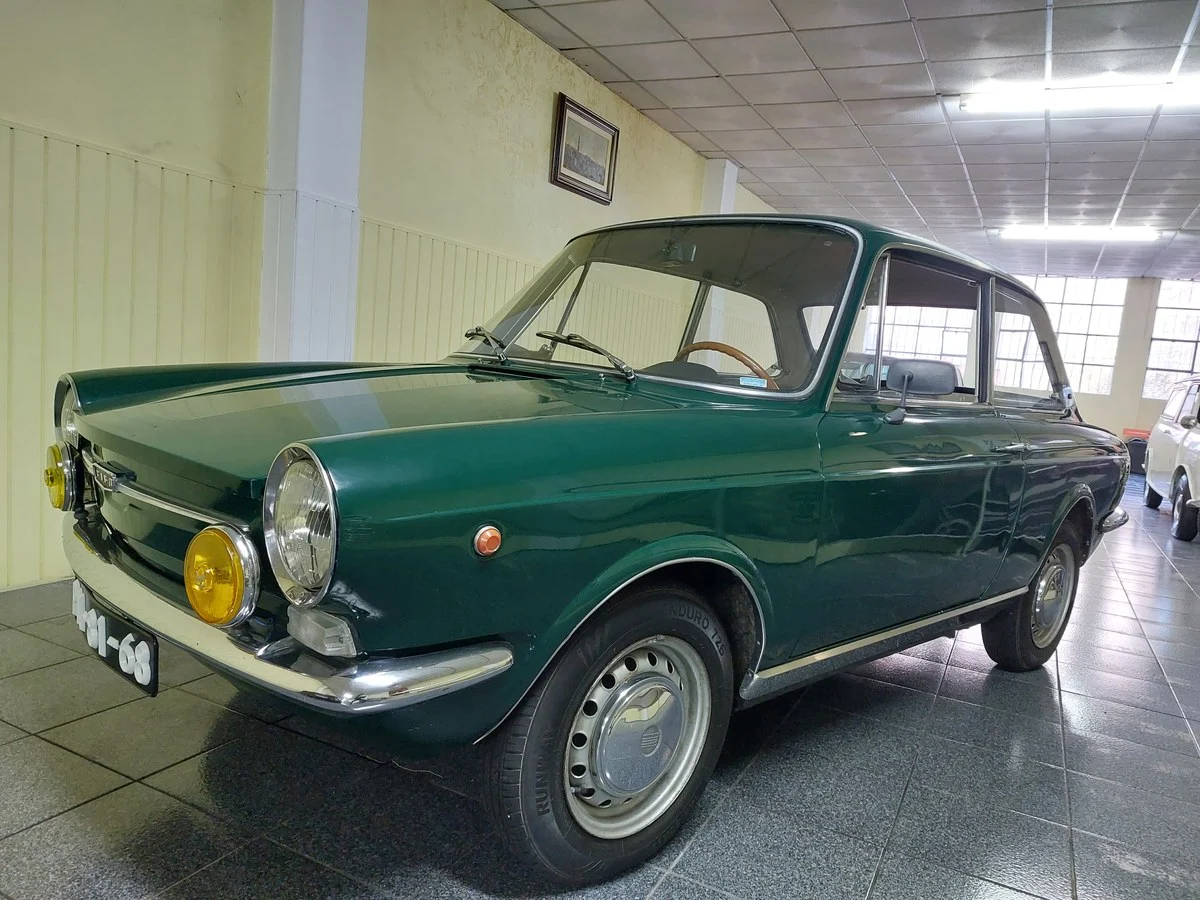
La Quarta Serie del 1969 introdusse i fari anteriori doppi, con fari interni più piccoli, mantenendo però le caratteristiche della serie precedente. Questa modifica conferì un aspetto più raffinato al frontale del veicolo, migliorando il design complessivo. Nonostante questo cambiamento, la Quarta Serie conservava gli elementi e le caratteristiche principali del modello precedente, garantendo continuità nell’aspetto e nelle prestazioni del veicolo.
The Fourth Series of 1969 introduced dual front headlights, featuring smaller inner lights, while preserving the characteristics of the previous series. This update provided a more refined look, enhancing the vehicle’s front-end styling. Despite this change, the Fourth Series retained the key features and design elements of its predecessor, ensuring continuity in the model’s overall appearance and performance.
La Fiat 850 Vignale, una Scelta Ideale per i Nuovi Appassionati di Auto d’Epoca
La Fiat 850 Vignale rappresenta una scelta eccellente per chi desidera avvicinarsi al mondo delle auto d’epoca per la prima volta. Con prezzi ancora accessibili e una meccanica semplice e affidabile derivata dalla Fiat 850, questa vettura unisce il fascino del design di Vignale alla praticità di un’auto facile da mantenere. Inoltre, la sua rarità e il prestigio del marchio Vignale la rendono una vettura con un potenziale di apprezzamento futuro, rendendola un investimento interessante per i collezionisti. Abbiamo un bellissimo esemplare in vendita qui.
The Fiat 850 Vignale, an Ideal Choice for New Classic Car Enthusiasts
The Fiat 850 Vignale is an excellent choice for those looking to enter the world of classic cars for the first time. With still affordable prices and simple, proven mechanics inherited from the Fiat 850, this car combines the charm of Vignale’s design with the practicality of an easy-to-maintain vehicle. Additionally, its rarity and the prestige of the Vignale name make it a car with strong future value potential, making it an attractive investment for collectors. We have a beautiful specimen for sale here.
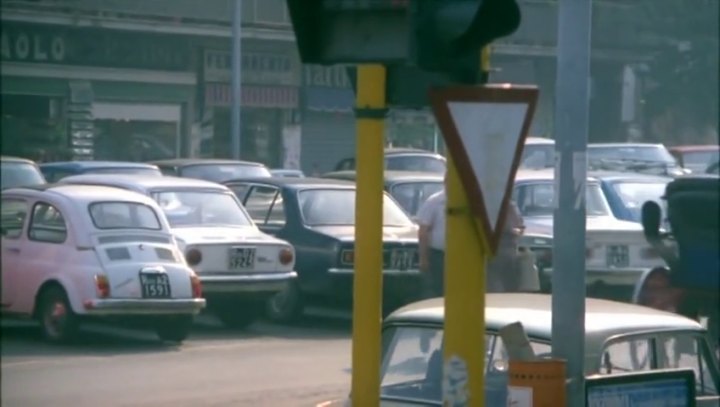
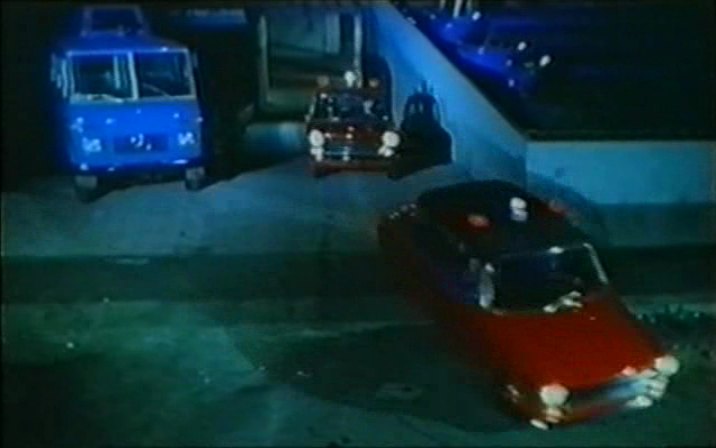
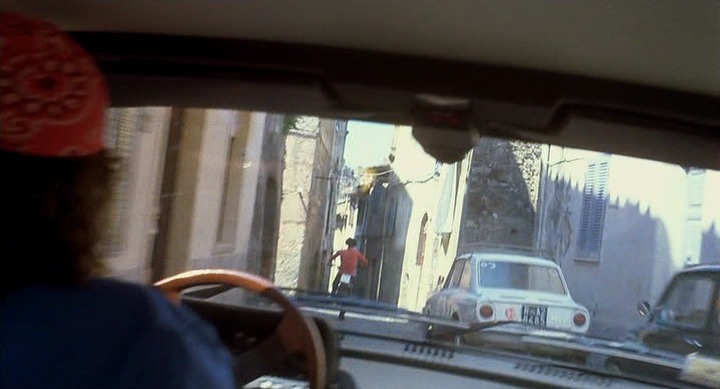
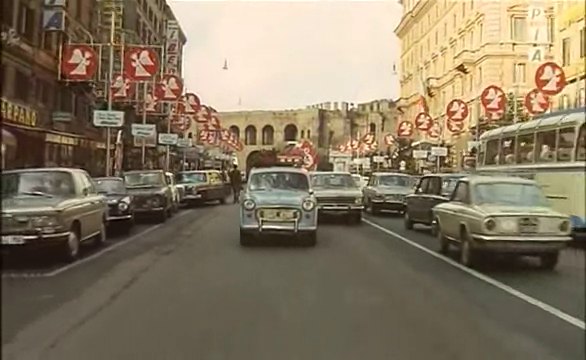
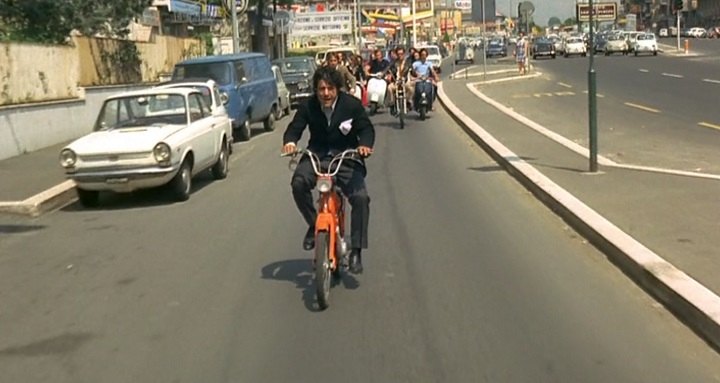
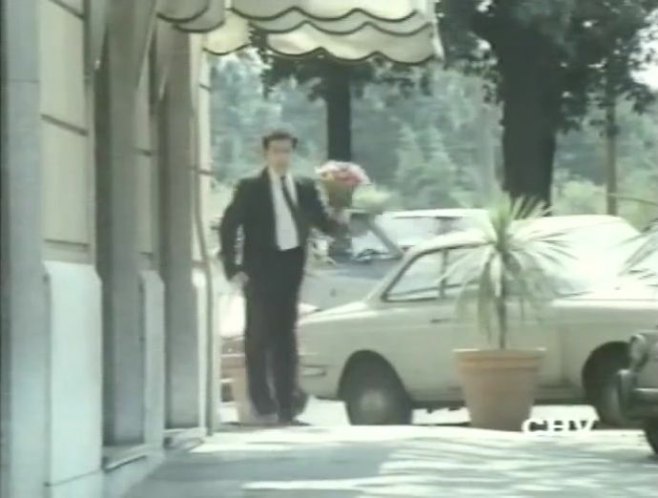
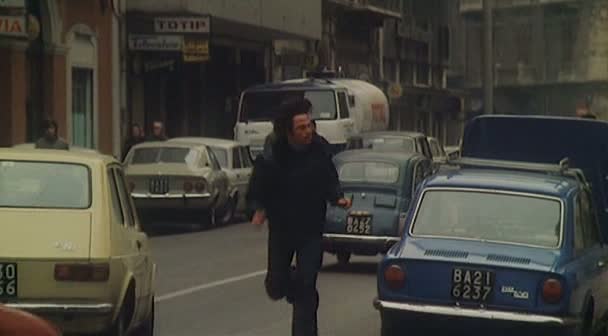
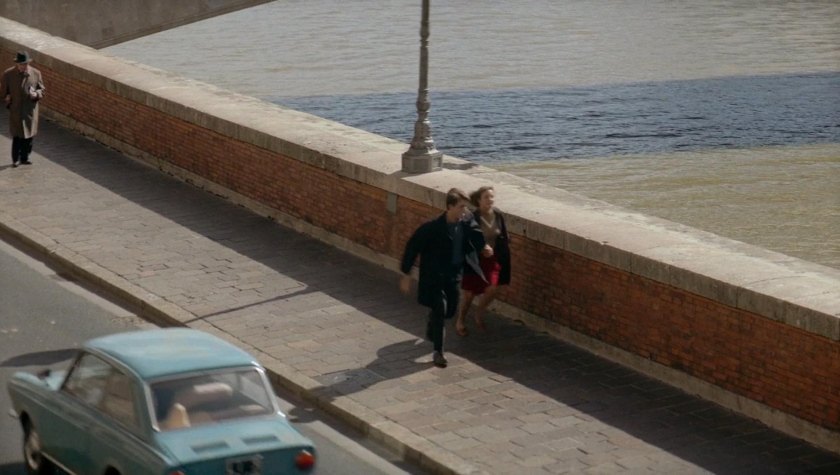
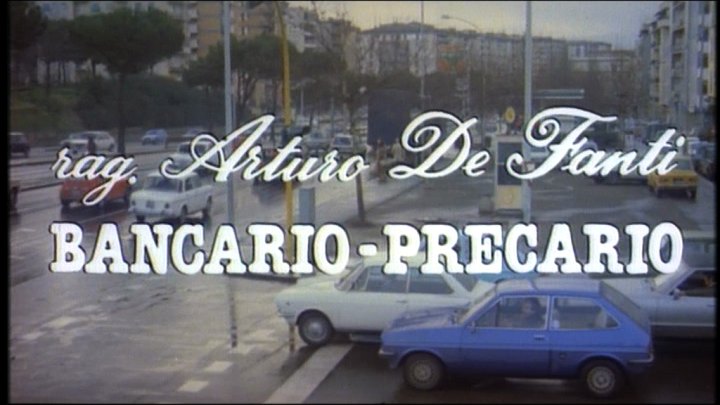
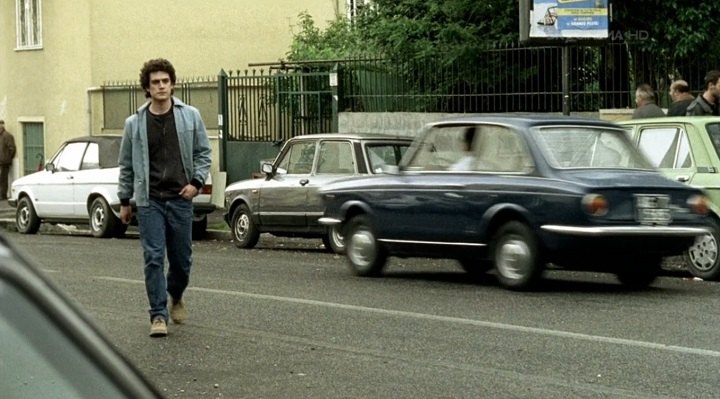
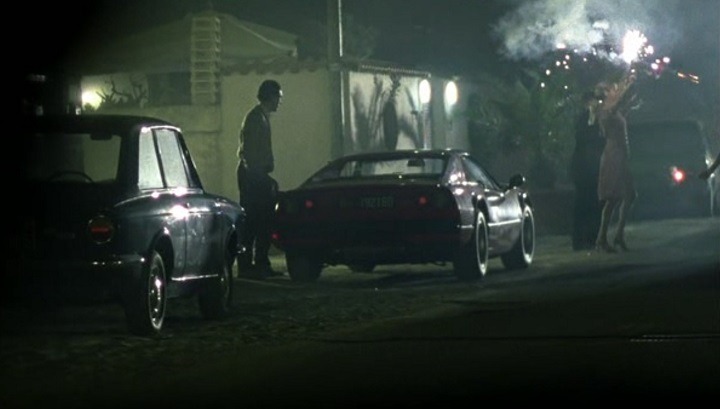
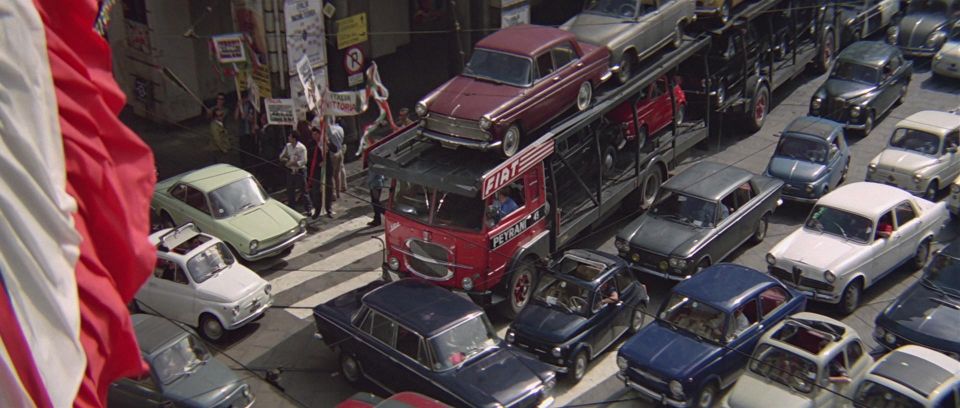
Fiat 850 Vignale & Cinema
Thank you to IMCDb.org.





ABOUT THE AUTHOR
Andreas Scheidl
Italian classic car enthusiast with German roots. Renowned as a respected figure in the classic car community, he serves as a jury member at various international concours d'elegance, including the Classic Gala Schwetzingen and Mantova. As a content creator, Andreas passionately shares his profound knowledge and appreciation for vintage automobiles. His heart beats for cars designed by Giovanni Michelotti, showcasing his discerning taste and dedication to preserving the timeless elegance of automotive history.
More stories by Andreas Scheidl ↗CONTINUE READING
Posts You Might Like

A Central Driving Position, a Rear-Mounted V8. Was This Really a Lancia?
In 1948, visitors to the Turin Motor Show could see an unusual Lancia on the stand of Carrozzeria Ghia. It was a large two-door coupé with a two-litre V8 mounted behind the…
Read story
Fioravanti F100: The Ferrari He Was Allowed to Imagine
Enzo Ferrari’s centenary, Leonardo Fioravanti’s independent studio and a supercar that explored air brakes, steel wheels and a new way of driving—without ever wearing the Cavallino.
Read story
Michelotti Shellette: When the Fiat 850 Became a Yacht
The yacht designer, the Turin stylist and the tiny coachbuilt car that crossed between the quay, the royal holiday house and the auction room. Some automobiles were conceived for the open road,…
Read story
Maserati A6 1500: A New Road for the Trident
When the doors of the Geneva Motor Show opened in March 1947, Maserati was a name that required little introduction to anyone who followed motor racing. What it did not yet possess…
Read story
THE CONVERSATION
Comments 0
Share a memory, a period photograph or a documented detail about this story.