
The Lamborghini Calà: a Digital Icon
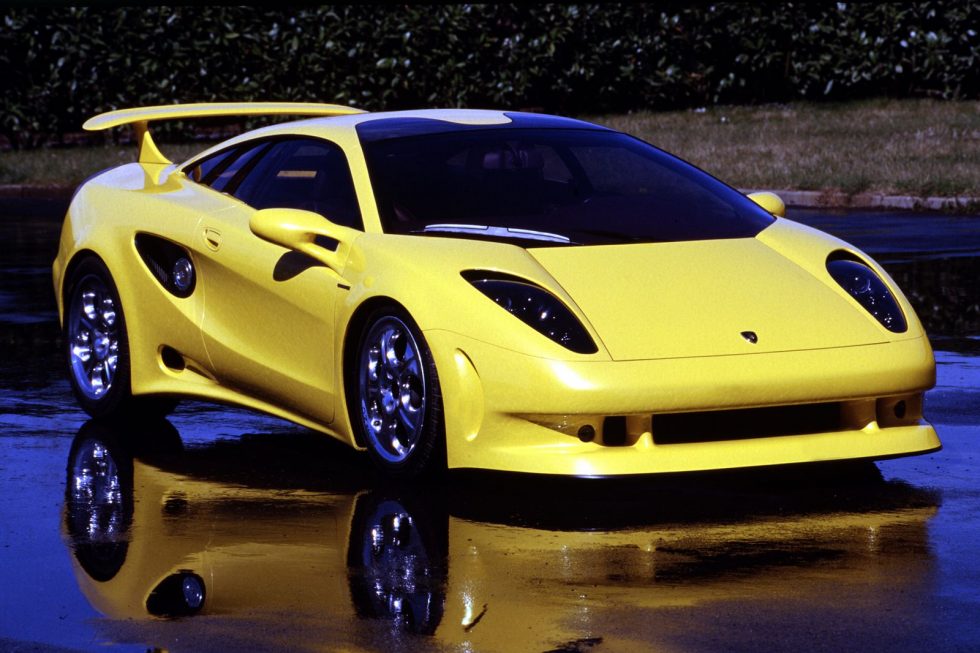
In the illustrious history of Italdesign, the Lamborghini Calà emerges as a captivating chapter, blending avant-garde design, cutting-edge technology, and unexpected digital fame through the Need for Speed video game series. Born from the creative minds at Italdesign under the watchful eye of Giorgetto Giugiaro, the Lamborghini Calà, unveiled at the 1995 Geneva Motor Show, not only embodied the spirit of automotive innovation but also laid the groundwork for a future Lamborghini icon – the Gallardo.
Genesis and Design
The Lamborghini Calà name derived from the Piedmontese expression meaning “down or down,” signaled a departure from Lamborghini’s renowned angular design. Unveiled as a 2+2-seater coupé featuring a targa roof, the Calà aimed to redefine Lamborghini’s image, drawing inspiration from the legacy of the Lamborghini Jalpa. Emerging from the remnants of the LP140 Project, the Calà adopted the V10 engine from one of the LP140 prototypes designed by Marcello Gandini. This fusion of innovative design and powerful performance showcased Lamborghini’s commitment to pushing boundaries and creating a unique identity within the realm of luxury sports cars.
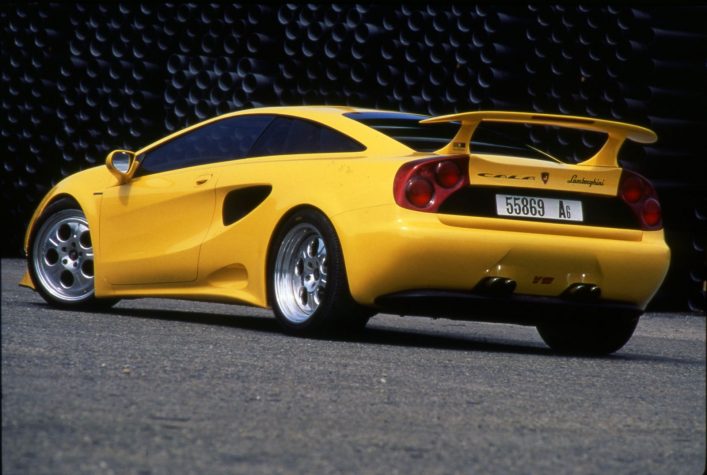
Breaking away from the angular design language prevalent at the time, the Calà featured a rounded and modern body, challenging the norms of its era. The distinctive aesthetic elements included numerous air intakes, a large rear wing, and four chrome-plated exhaust tailpipes, creating a visually striking silhouette. The height of the car, over 1.2 meters, was carefully justified to enhance comfort, allowing for a spacious, well-lit passenger compartment that could comfortably accommodate two adults and two children.
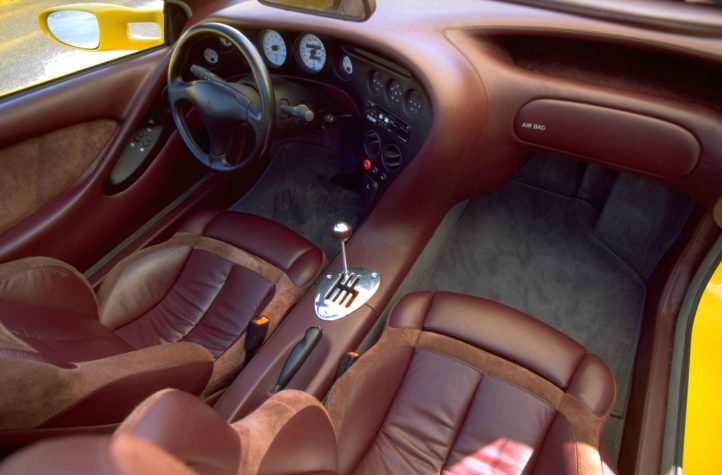
Underpinning the Calà’s captivating exterior was a carbon fiber body affixed to an aluminum chassis, employing a revolutionary technology of folded and bonded panels. Inside the cockpit, a symphony of luxury unfolded, with claret-colored leather and suede trimming, Recaro sport seats, and an array of easily readable white-faced dials. The gated shift lever was positioned within easy reach, emphasizing Lamborghini’s commitment to a seamless and thrilling driving experience.
A Targa for the Streets
One of the most notable features of the Calà was its removable roof above the front seats, transforming the car into a true Targa. This innovative design allowed enthusiasts to experience the exhilaration of open-air driving, amplified by a glass extension of the windshield that continued over the seats, providing additional lighting for passengers.
Powering the Calà was a mid-mounted V10 engine with a displacement of 3.9 liters, churning out an impressive 408 horsepower at 7200 rpm. This powerhouse, originally created for the 1988 P 140 prototype, translated into remarkable performance figures, with the car accelerating from 0 to 100 km/h in around 5 seconds and achieving a top speed of approximately 290 km/h. The six-speed manual transmission ensured a dynamic and engaging driving experience, aligning seamlessly with Lamborghini’s commitment to performance-oriented design.
The Digital Rise
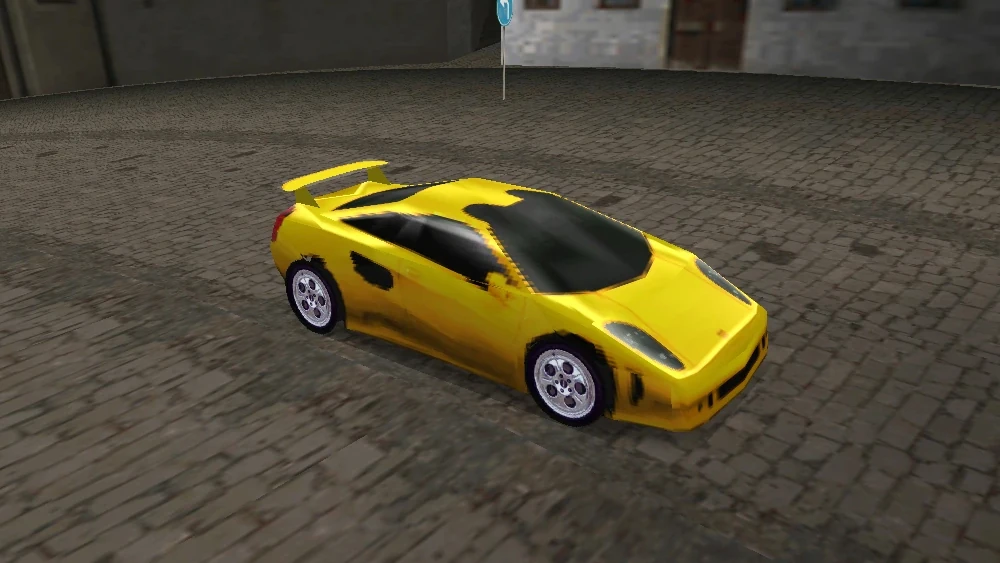
Despite its remarkable design and performance credentials, the Lamborghini Calà took an unexpected turn toward digital fame. In the 1997 computer game Need for Speed II, players were granted the virtual keys to the Calà, navigating its sleek curves alongside other iconic Italdesign models like the BMW Nazca C12. This digital exposure propelled the Calà into the spotlight, introducing a new generation of enthusiasts to its unique charm.
A Glimpse into the Gallardo’s Future
While the Calà itself never saw production due to changing ownership and shifting priorities within Lamborghini, its legacy endured. It played an integral role in shaping the vision for Lamborghini’s future, particularly influencing the design ethos of the Lamborghini Gallardo.
The Gallardo, Lamborghini’s successor to the Jalpa, eventually made its debut in 2003, sharing some design cues and performance DNA with the earlier Calà concept. The rounded body, mid-mounted engine, and commitment to a thrilling driving experience were hallmarks inherited from the Calà, showcasing how this visionary concept contributed to the evolution of Lamborghini’s lineup.
Conclusion
The Lamborghini Calà, with its blend of innovative design and unexpected digital fame, transcended the realm of concept cars to leave an enduring impact on the automotive world. As a precursor to the Gallardo and an unexpected star in the virtual landscape of Need for Speed, the Calà serves as a bridge between the tangible and the digital, reminding enthusiasts that automotive dreams can materialize not only on the roads but also within the pixels of a virtual reality. It stands as a testament to Lamborghini’s ability to captivate hearts, break conventions, and inspire the next generation of automotive enthusiasts.

ABOUT THE AUTHOR
Andreas Scheidl
Italian classic car enthusiast with German roots. Renowned as a respected figure in the classic car community, he serves as a jury member at various international concours d'elegance, including the Classic Gala Schwetzingen and Mantova. As a content creator, Andreas passionately shares his profound knowledge and appreciation for vintage automobiles. His heart beats for cars designed by Giovanni Michelotti, showcasing his discerning taste and dedication to preserving the timeless elegance of automotive history.
More stories by Andreas Scheidl ↗CONTINUE READING
Posts You Might Like
A Central Driving Position, a Rear-Mounted V8. Was This Really a Lancia?
In 1948, visitors to the Turin Motor Show could see an unusual Lancia on the stand of Carrozzeria Ghia. It was a large two-door coupé with a two-litre V8 mounted behind the…
Read story
Fioravanti F100: The Ferrari He Was Allowed to Imagine
Enzo Ferrari’s centenary, Leonardo Fioravanti’s independent studio and a supercar that explored air brakes, steel wheels and a new way of driving—without ever wearing the Cavallino.
Read story
Michelotti Shellette: When the Fiat 850 Became a Yacht
The yacht designer, the Turin stylist and the tiny coachbuilt car that crossed between the quay, the royal holiday house and the auction room. Some automobiles were conceived for the open road,…
Read story
Maserati A6 1500: A New Road for the Trident
When the doors of the Geneva Motor Show opened in March 1947, Maserati was a name that required little introduction to anyone who followed motor racing. What it did not yet possess…
Read story
THE CONVERSATION
Comments 0
Share a memory, a period photograph or a documented detail about this story.