
This is how Ghia stole the De Tomaso Vallelunga from Fissore
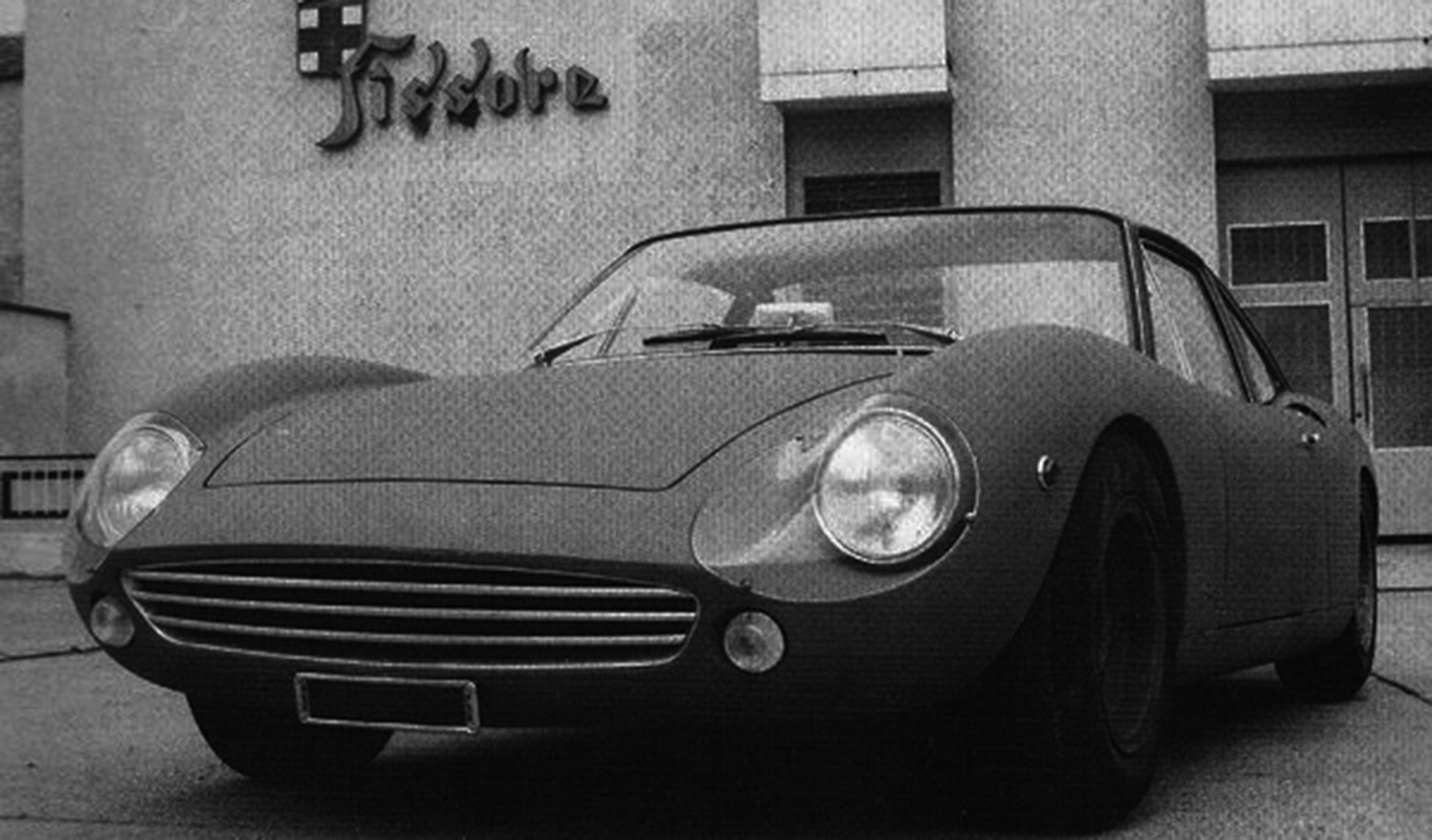
By the mid-1960s, Italy was a feverish playground of design studios and dreamers, where beautiful machines were born almost weekly and egos burned as brightly as the chrome. Few burned hotter than Alejandro de Tomaso — the fiery Argentine who, long before the Pantera, had already made a name for himself as both a racing driver and a master manipulator of opportunity.
De Tomaso’s reputation for “creative borrowing” was well earned. At the 1971 Turin Motor Show, he presented a Ghia-built roadster that looked suspiciously like Bertone’s Fiat X1/9 prototype, a move that scandalized the Italian design world. Even Tom Tjaarda, who worked under De Tomaso on that project, later admitted that collaborating with the man could be “challenging,” putting it mildly.
🔗 Read more: How De Tomaso Hijacked the Fiat X1/9 Before It Even Launched
But years before that controversy, another story — quieter but just as revealing — had already unfolded. This time, the victim wasn’t Bertone, but the small and highly respected Carrozzeria Fissore of Savigliano. And the car at the center of it all was the De Tomaso Vallelunga.
Fissore’s Forgotten Daughter
When the curtain rose at the 1964 Turin Motor Show, the Vallelunga was presented proudly on Fissore’s stand — a compact mid-engine berlinetta of rare grace and proportion. With its curving fenders, taut waistline, and glassy tail, it stood out as a promising statement from a modest coachbuilder better known for its work with Osca and Fiat.
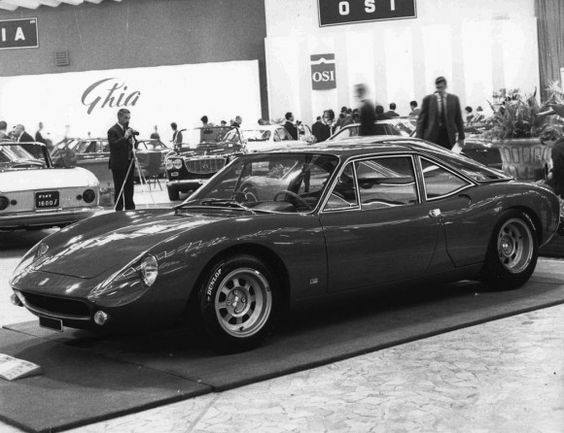
Fissore’s chief designer Mario Fissore, assisted by the talented Franco Maina, had developed the Vallelunga’s shape entirely in-house. The body, fashioned in aluminum, displayed a balance of lightness and poise that would later define the best Italian sports cars of the decade. The car was admired not only by showgoers but also by the specialized press. Motor Italia (issue 9/1964) called it “the most interesting achievement in the field of medium-displacement grand touring,” praising its blend of elegance and functionality.
But what came next was almost surreal. One year later, at the 1965 Turin Show, the very same Vallelunga appeared again — this time on Ghia’s stand. The car’s design was unchanged, yet its authorship had been rewritten overnight.
From Fissore’s Drafting Room to Ghia’s Show Stand
De Tomaso had been working closely with Fissore to realize his first production GT, powered by a Ford-Cortina–sourced four-cylinder. Fissore produced two metal-bodied prototypes — each slightly different at the front — and expected to continue with small-series construction. Instead, De Tomaso, eager to secure greater visibility and production capacity, acquired Ghia and transferred the project there, effectively erasing Fissore’s name from the record.
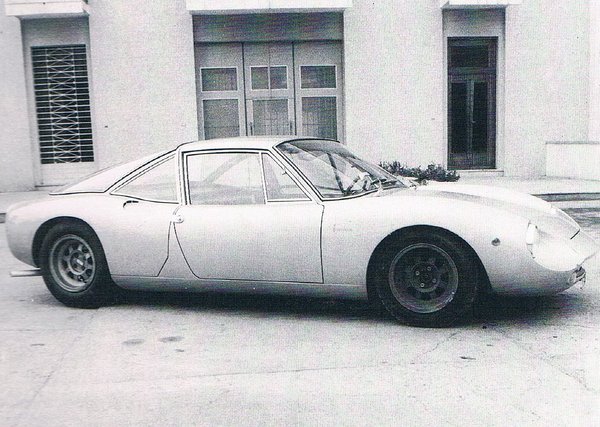
For Mario Fissore, the betrayal was bitter. Not only did Ghia take credit for the design, but De Tomaso also refused to pay for several completed bodies still sitting in Savigliano. Those shells, heartbreakingly, were sent across the street to a local scrapyard for destruction.
A period photograph tells the story vividly: in the foreground, the Vallelunga gleams on Fissore’s stand in 1964; in the background, barely visible, the rival Ghia booth awaits — the very place where the same car would reappear a year later under a different flag.
Craft and Creativity in Savigliano
Fissore’s process was meticulous. Under Mario’s leadership, the studio developed 1:10 and 1:5 scale models before sculpting full-size mock-ups in clay or wood. Once a shape was approved, a steel “typing model” was built to guide the panel beaters. Every car was then documented with an “as-built” technical drawing for the archives — sadly, those records have since been lost.
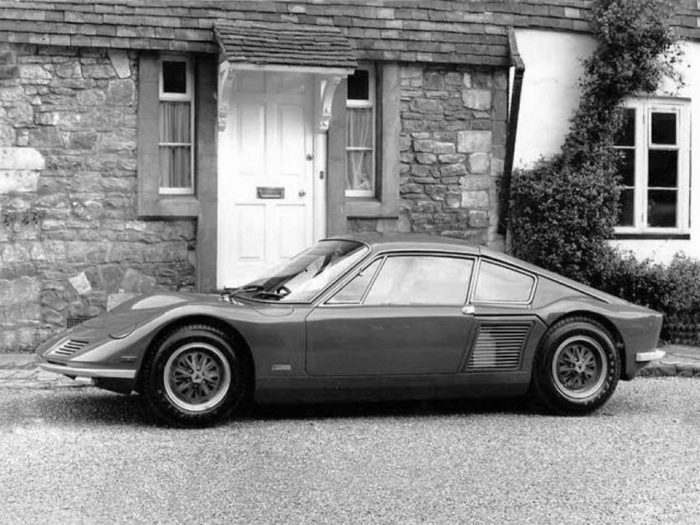
The Vallelunga’s chief stylist, Franco Maina, would later head Fissore’s design office after 1977, but in 1964 he was still a young designer full of ideas. Collaborating alongside him was Trevor Fiore, the British-born stylist whose work for Fissore — including the Elva-BMW GT (1964), TVR Trident (1965), and TVR Tina (1966) — brought fresh creative energy to the small Piedmontese workshop.
🔗 Read more: Carrozzeria Fissore: The History
That same year, Fissore’s stand at Turin was a display of pure innovation: beside the Vallelunga stood the Fiat 1600 Spider and Fiore’s Elva GT BMW 2000, both hailed as breakthroughs for mid-sized grand tourers. It was, as many recalled later, Fissore’s most inspired moment.
Ghia Takes Over
When production finally began under Ghia’s ownership, the Vallelunga’s construction changed dramatically. The aluminum body was replaced with a fiberglass shell, more practical for low-volume manufacture. Some details were revised — the rear opening, which on the Fissore prototype lifted completely for engine access, was replaced by a small glass hatch. It was cheaper to build but harder to service.
Between 50 and 58 examples were produced between 1965 and 1967, all powered by the same 1.5-liter Ford engine. The Vallelunga’s chassis, an innovative backbone structure in pressed steel, would later form the basis of the De Tomaso Pantera’s layout — a hint of the marque’s future.
In 1966, the Vallelunga was even honored by New York’s Museum of Modern Art (MoMA) as “an example of technological progress and outstanding design.” For Mario Fissore, it was a cruel twist: international acclaim for a car his team had shaped from scratch — but whose name and credit had gone elsewhere.
The Legacy of the Lost Vallelunga
Today, collectors and historians still debate the precise number of cars built and who deserves authorship of the design. The truth is clear to those who know: the Vallelunga was born in Savigliano, in the modest workshops of Fissore, not in Ghia’s glamorous Turin studios.
In hindsight, the episode reflects both the brilliance and the brutality of Italy’s coachbuilding scene in the 1960s — a world driven by artistry, ambition, and the occasional act of opportunism.
For Alejandro de Tomaso, the Vallelunga became a stepping stone to greater fame. For Carrozzeria Fissore, it remained a wound that never fully healed. And yet, for all its tangled history, the Vallelunga endures as a small masterpiece — a bridge between artisanal design and industrial ambition, and a reminder that beauty often comes at a price.
Source and photos by Paolo Fissore

ABOUT THE AUTHOR
Andreas Scheidl
Italian classic car enthusiast with German roots. Renowned as a respected figure in the classic car community, he serves as a jury member at various international concours d'elegance, including the Classic Gala Schwetzingen and Mantova. As a content creator, Andreas passionately shares his profound knowledge and appreciation for vintage automobiles. His heart beats for cars designed by Giovanni Michelotti, showcasing his discerning taste and dedication to preserving the timeless elegance of automotive history.
More stories by Andreas Scheidl ↗CONTINUE READING
Posts You Might Like
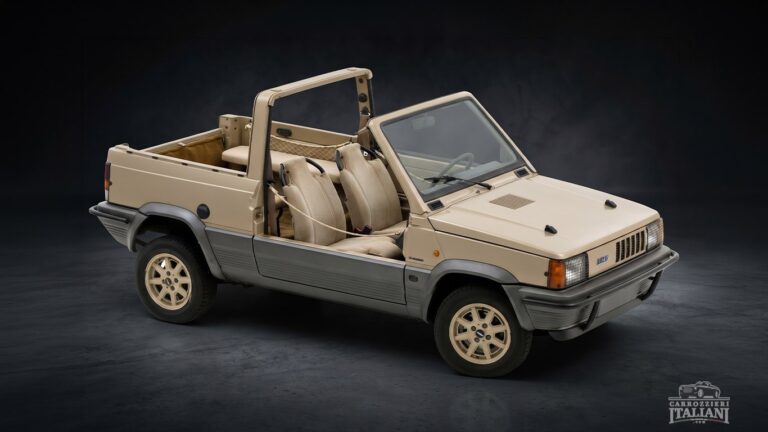
Fiat Panda Cabrio: The Italian Coachbuilders Who Opened Giugiaro’s Box
From Moretti’s Panda Rock to Italdesign’s experimental Strip, Maggiora’s four-wheel-drive convertible and Stola’s remarkable Destriero, the history of the open-top Panda reveals an unexpected chapter in Italian coachbuilding. When Giorgetto Giugiaro designed…
Read story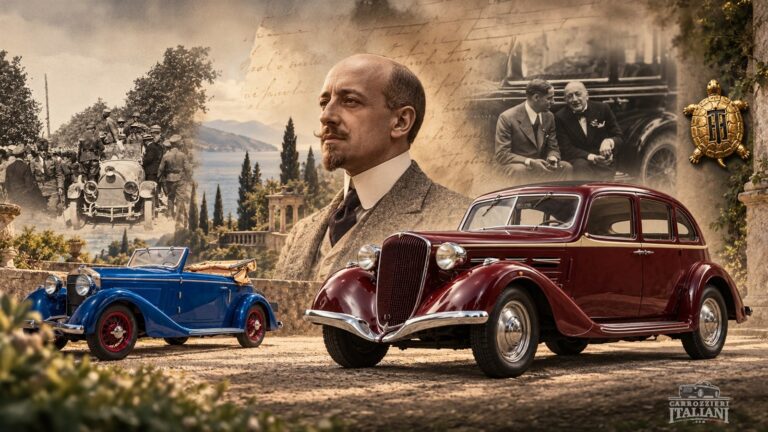
Gabriele d’Annunzio and the Cult of the Automobile
There was a time when the automobile had not yet become part of the landscape. It announced itself from afar through the beating of an engine, the smell of petrol and hot…
Read story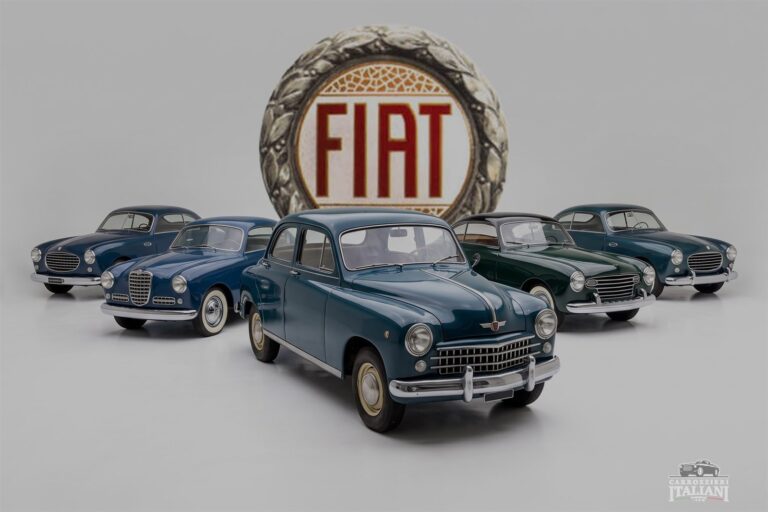
Fiat 1400: The Last Great Playground of the Carrozzieri
From Touring and Abarth to Farina, Ghia, Vignale, Boneschi, Bertone, Viotti and the smaller carrozzerie, the new Fiat quickly became one of the richest bases for Italian special bodies in the early…
Read story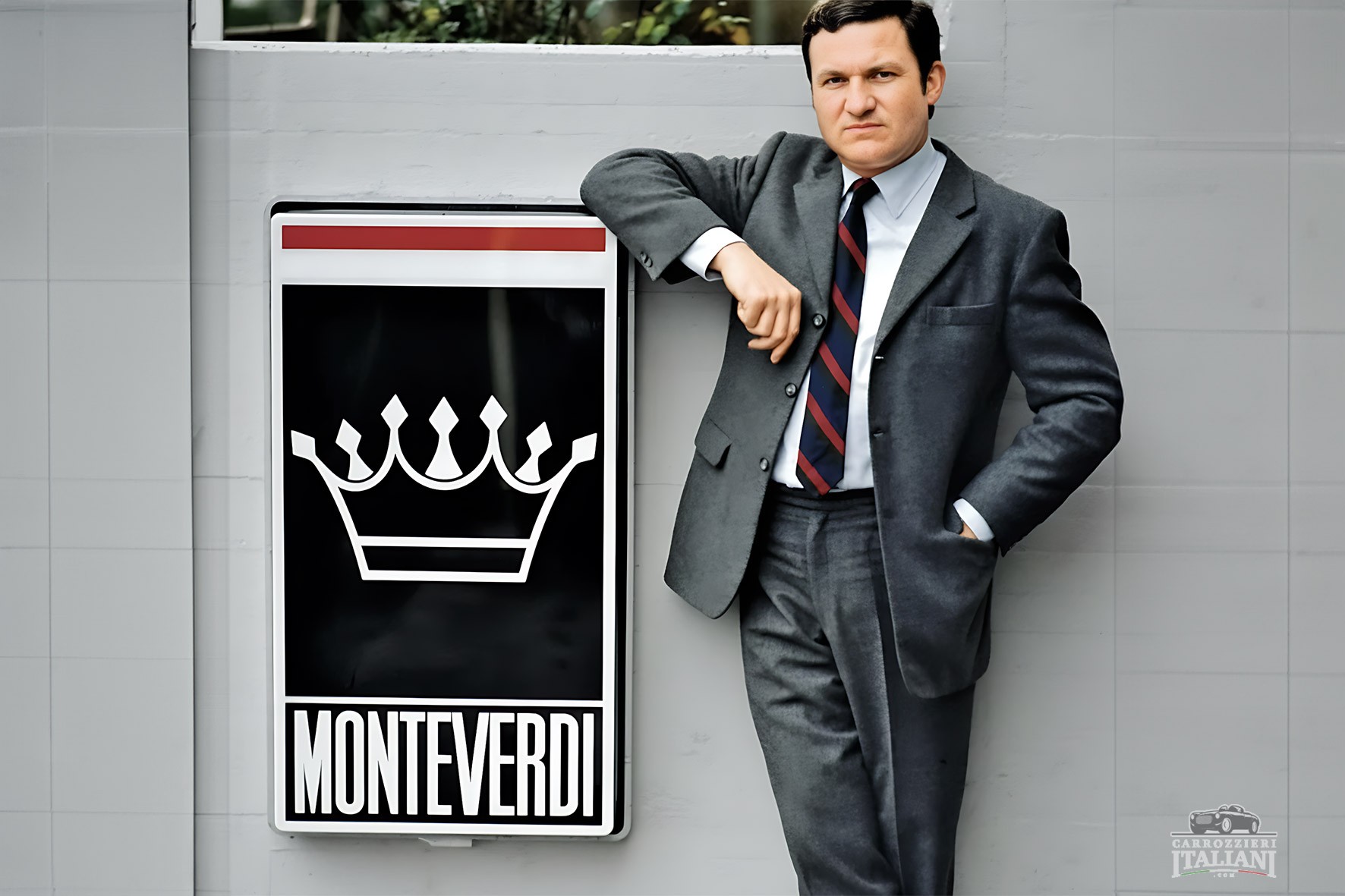
How a Swiss Dealer Challenged Ferrari: The Story of Monteverdi
How Peter Monteverdi went from Swiss Ferrari dealer to creator of rare Frua and Fissore-bodied GTs, the Hai supercar and luxury off-roaders.
Read story
THE CONVERSATION
Comments 0
Share a memory, a period photograph or a documented detail about this story.