
The Partnership between Fiat & Pininfarina
Few relationships in automotive history have endured with as much creativity, respect, and national pride as the one between Fiat and Pininfarina. Together, they shaped not only the look of Italian motoring but also its spirit — a fusion of industrial ingenuity and artistic flair that defined generations of cars. What began as a modest collaboration in the early 20th century between a young Battista “Pinin” Farina and Fiat’s visionary founder Giovanni Agnelli would evolve into a partnership spanning nearly a century, producing some of the most elegant and beloved automobiles ever made.
From the bespoke Fiat 525 SS of 1931 to the achingly beautiful 124 Spider, the futuristic Coupé Fiat, and even whimsical concept cars like the Spiaggina by Garage Italia, each project reflected a delicate balance between engineering precision and design emotion. More than a client and contractor, Fiat and Pininfarina were creative companions — shaping Italian automotive identity through decades of change, war, recovery, and innovation.
This is the story of how a carmaker and a coachbuilder grew side by side — how their shared vision turned everyday cars into timeless works of design, and how their collaboration continues to echo in every Fiat that carries a hint of Pininfarina’s unmistakable elegance.
The 1930s – Beginnings of an Automotive Friendship
The story of Pininfarina’s collaboration with Fiat begins even before the celebrated design house was officially founded. In the 1910s, a young Battista “Pinin” Farina was learning his craft at his brother Giovanni’s coachbuilding firm, Stabilimenti Farina, in Turin. It was there, around 1911–1912, that Fiat’s founder Senator Giovanni Agnelli Sr. approached the teenaged Battista to help design a key element for a new model — the Fiat Tipo Zero. Farina created an elegant radiator grille for the modest little “Zero,” a component that was both functional and decorative. This early success marked Battista Farina’s first triumph — and laid the foundation for a lifelong association between the Agnelli family’s car company and the gifted young craftsman.
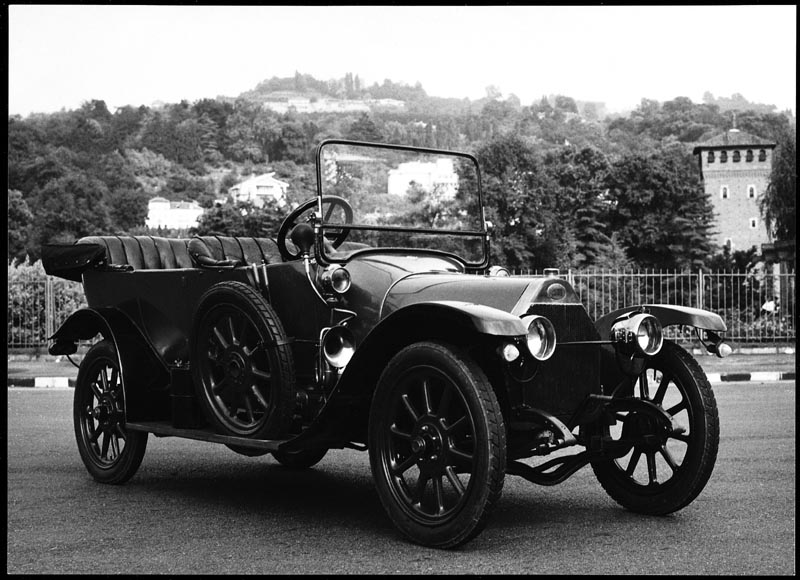
By 1930, Farina had built enough experience and reputation to strike out on his own, establishing Carrozzeria Pinin Farina in Turin. Fiat, by then three decades old and Italy’s leading automaker, was looking for creative collaborators. The timing could not have been better. In the interwar years, wealthy motorists often commissioned custom bodies on standard chassis to stand apart from the crowd, and Pininfarina’s fledgling atelier quickly became a favored source for such bespoke Fiat-based creations.
🔗 Read more: Unveiling the Storied Legacy of Stabilimenti Farina
In 1931, the very first Fiat–Pininfarina collaboration appeared: a striking two-tone Fiat 525 SS Coupé, built for Prince Alighiero Trasmondi Giovannelli. The long-hooded, gracefully flowing car won first prize at the Rome Concours d’Elegance, instantly cementing Pininfarina’s reputation for refined proportion and tasteful luxury. Marrying Fiat’s mechanical prowess — a 3.7-liter inline-six — with Pininfarina’s aristocratic styling, the 525 SS Coupé Royal proved how seamlessly Italian engineering and artistry could intertwine.
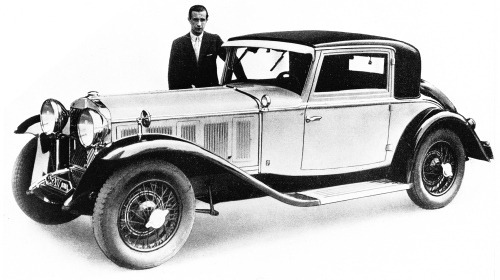
Throughout the 1930s, Pininfarina produced a string of elegant, custom-bodied Fiats, affectionately nicknamed “greyhounds” for their sleek, poised profiles. From sporting roadsters to dignified saloons, each was built in tiny numbers or as one-offs for discerning clients. Fiat supplied the reliable chassis — the agile 508 Balilla and larger six-cylinder models among them — while Pininfarina bodied them in imaginative, aerodynamic forms that stood apart from standard production cars.
Despite the economic challenges of the era, Italy’s elite continued to crave beauty and individuality in their automobiles. Fiat chassis wearing Pininfarina coachwork became highlights of concours d’elegance across Europe. These formative collaborations established a foundation of mutual respect: Fiat recognized in Pininfarina a partner capable of elevating its image with grace and prestige, and Pininfarina, in turn, gained a loyal patron in Italy’s industrial powerhouse.
The 1940s – War, Recovery, and Renewed Collaborat
The 1940s brought upheaval to Italy and its car industry. World War II halted civilian production, materials grew scarce, and both Fiat and Pininfarina redirected efforts to the war and, later, to rebuilding. Pininfarina even moved operations out of Turin to avoid bombings, with Battista Farina temporarily sheltering the business. Yet the creative spark never fully dimmed: in 1943 a streamlined Fiat-based prototype hinted at the aerodynamic ideas that would shape the post-war era.
With peace in 1945, Italy’s industrial recovery accelerated. Fiat returned to updated versions of pre-war models to put the nation back on wheels, and Pininfarina rejoined as a styling partner—initially on limited-production, niche projects. A highlight was the 1947 Fiat 6C 1500 Cabriolet by Pininfarina: a graceful two-seater whose long hood, flowing wings, and intimate cabin brought a welcome touch of elegance to austere streets, pairing Fiat’s robust six-cylinder engineering with upscale coachwork.
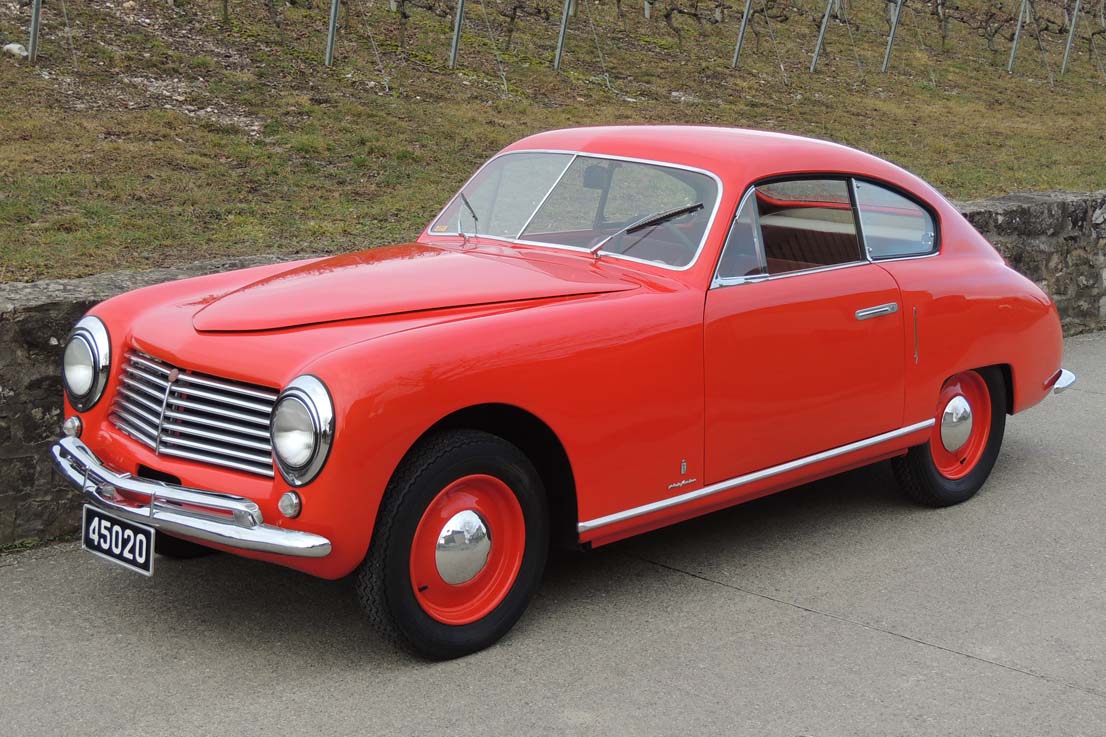
Another milestone followed in 1949 with the Fiat 1100 S Berlinetta Sport—a petite, fastback coupé on Fiat’s humble 1.1-liter platform. Crucially, it marked Pininfarina’s first step into small-series production for Fiat, moving beyond one-offs toward short runs for enthusiasts. Though volumes remained modest, these late-’40s collaborations signaled a true rebirth of the partnership. They put stylish, aerodynamically informed Italian cars back on the road and captured a spirit of optimism as the country motored into the 1950s—marrying Fiat’s proven post-war mechanicals with Pininfarina’s refined aesthetics.
The 1950s – The Fuoriserie Era
As Italy entered the economic boom of the 1950s, mass production began to transform the automobile industry. Fiat led the charge, putting the nation on wheels with affordable cars like the diminutive 500 “Topolino” and later the 600, which became symbols of postwar mobility. Yet this industrial revolution posed a challenge to traditional coachbuilders: if beautiful cars now rolled straight off factory assembly lines, who still needed custom body artisans? Many historic firms faltered as unibody construction and standardized production took hold.
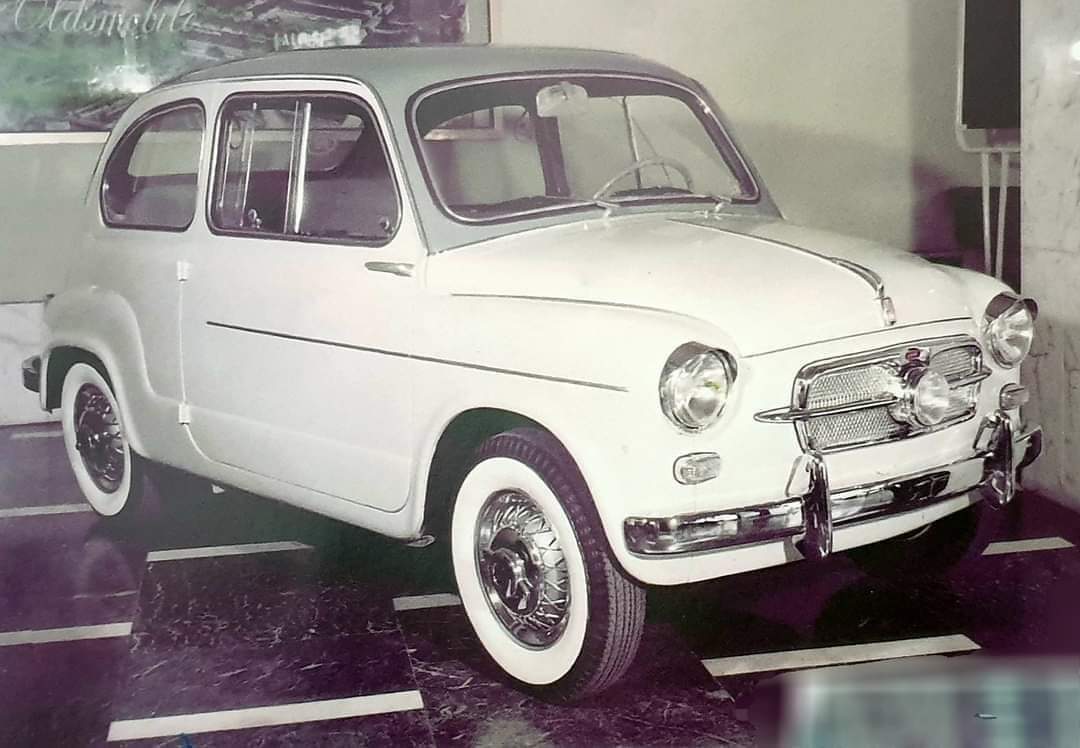
Pininfarina, however, refused to fade. Under the guidance of Battista Farina and his enterprising son Sergio, the company adapted boldly—embracing new manufacturing techniques and repositioning itself as a low-volume production specialist for Fiat. Their philosophy was to blend industrial efficiency with handcrafted design, producing small runs of refined, special-bodied cars that complemented Fiat’s mass-market models.
🔗 Read more: The Fiat 600 Elaborate
At the same time, like many of its peers, Pininfarina also dabbled in so-called “elaborata” versions of Fiat’s popular small cars, particularly the Fiat 600. The term elaborata (“elaborated” or “enhanced”) referred to lightly modified or specially bodied versions of standard production cars—customized by independent coachbuilders for customers who wanted individuality without the cost of a luxury model. These variations often featured distinctive front grilles, revised tail treatments, or sportier interiors, giving the humble Fiat 600 an extra dose of flair. While Pininfarina’s take on the elaborata 600, called “Lusso”, remained tasteful and restrained compared to some more exuberant creations by competitors like Zagato or Moretti, it reflected the same idea: even the people’s car could wear a touch of haute couture.
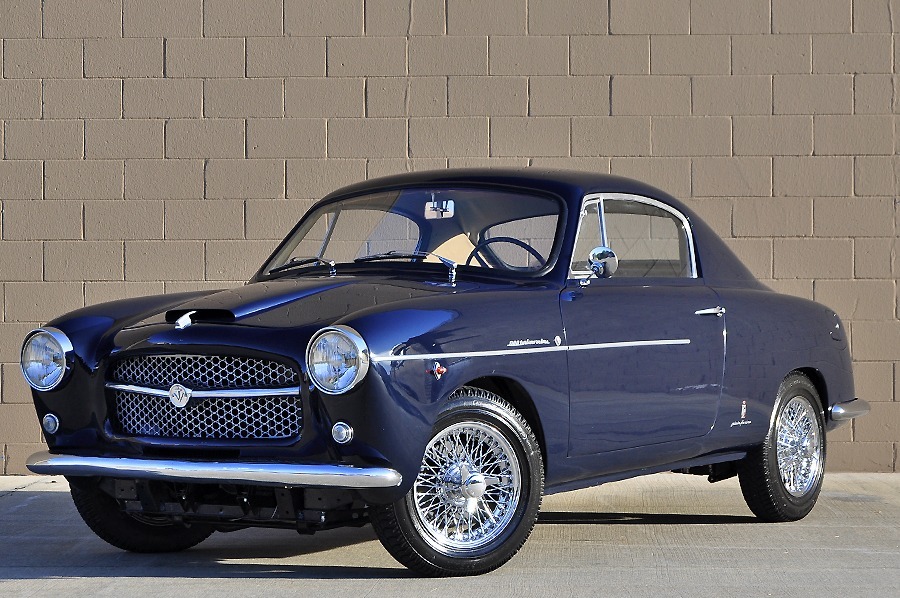
A landmark project in this adaptive decade was the Fiat 1100 TV Coupé, unveiled by Pininfarina at the 1953 Paris Motor Show. Based on Fiat’s sprightly 1.1-liter Turismo Veloce sedan, it was transformed into an elegant, compact grand tourer with perfectly balanced proportions. The public response was so enthusiastic that Pininfarina began small-series production from 1954 to 1957, selling it through Fiat’s own dealer network. For buyers, this was revolutionary—a factory-endorsed Pininfarina special, combining Fiat reliability with bespoke Italian style. Its success proved that even in the age of the million-unit Fiat 600, exclusivity could coexist with mass production.
Pininfarina continued to innovate throughout the decade, creating specialty Fiats that captured the optimism of the Jet Age. In 1955, they unveiled the Fiat 1100/103 TV Speciale, a sleek two-door shooting brake (sport wagon) that blended practicality with elegance—arguably the first modern interpretation of a GT wagon. Then, in 1957, a series of prototypes based on the new Fiat 1200 sedan appeared—a coupé, a Granluce spider, and a stylish wagon—each sporting wraparound glass, delicate fins, and airy lines perfectly attuned to mid-century style. Though built in tiny numbers, their influence could be traced in Fiat’s mainstream designs that followed.
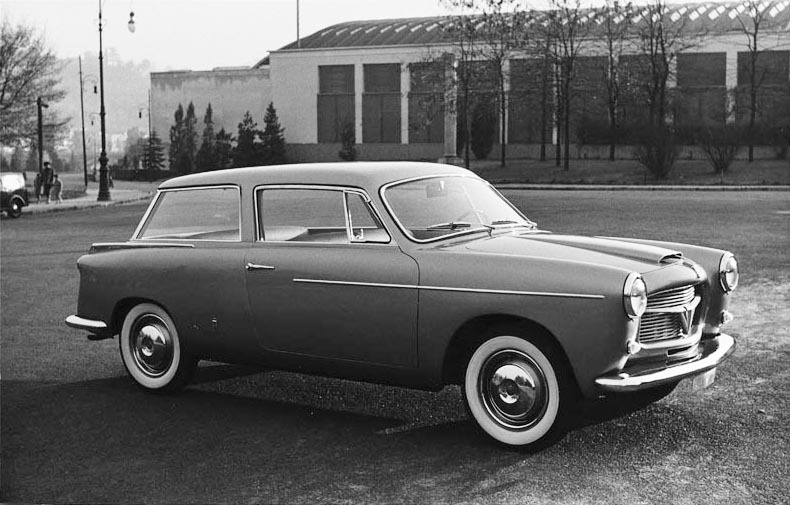
The decade culminated in one of the partnership’s defining icons: the Fiat Pininfarina Cabriolet of 1959 (initially sold as the Fiat 1200 Cabriolet). Low-slung, finely detailed, and unmistakably elegant, it raised the bar for open-top motoring. Later iterations—the 1500 and 1600 Cabriolet, including versions with high-performance OSCA twin-cam engines—added speed to its beauty.
By the mid-1960s, more than 20,000 Cabriolets and related coupés had been built, many sold in North America, making Pininfarina a global name. The 1950s thus ended on a high note: Fiat’s industrial might and Pininfarina’s artistic precision had proven to be the perfect partnership, producing some of the most charming and enduring Italian cars of the postwar era—cars that embodied both progress and style.
The 1960s – Growing Together: Icons of La Dolce Vita and Technical Adventures
By 1960, the Fiat–Pininfarina partnership was in full bloom, entering one of its most fertile and glamorous decades. Italy’s “Dolce Vita” era, marked by optimism, prosperity, and cinematic flair, provided the perfect backdrop for a collaboration that married engineering and elegance. Fiat’s rapid expansion gave Pininfarina a steady flow of projects—both practical and aspirational—while Pininfarina’s growing expertise in industrial production allowed it to deliver cars that were not just beautiful, but viable at scale.
The decade began with continuity and confidence. Pininfarina continued producing the Fiat 1200/1500 Cabriolet series, which by the time production ended in 1966 had exceeded 20,000 units. These lithe two-seater convertibles—often spotted along the Riviera—captured the carefree glamour of the era, dolce vita on wheels. Constantly refined with engine upgrades and subtle facelifts, they demonstrated Fiat’s trust in Pininfarina’s craftsmanship and quality control, since the models were sold worldwide through Fiat’s own network.
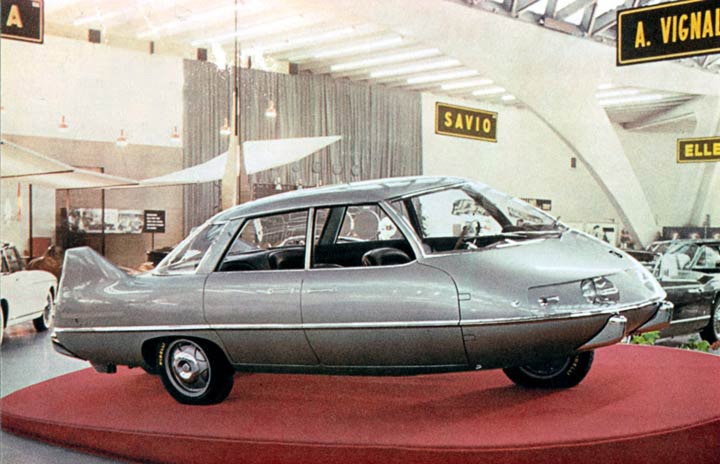
But Pininfarina’s ambitions reached beyond production. The firm’s design studios became a laboratory of experimentation, using Fiat mechanicals as the foundation for avant-garde aerodynamic studies. In 1960, Pininfarina revealed the startling Pininfarina X, an experimental sedan with four wheels arranged in a lozenge (diamond) layout—one front, one rear, two wide apart in the center—to minimize drag and maximize stability. Beneath its futuristic body lay a humble 1.1-liter Fiat engine, a perfect illustration of how everyday Fiat hardware could underpin revolutionary design thinking.
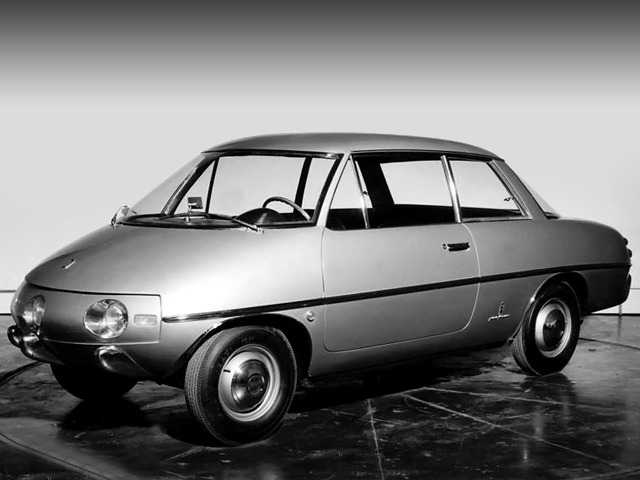
The following year brought the PF Y Berlinetta Aerodinamica concept, based on the Fiat 600 chassis. Less radical in appearance than the X, it featured teardrop contours, subtle fins, and glassy surfaces that explored airflow on a compact form. These cars were never destined for showrooms, but they advanced aerodynamic science and reinforced Fiat’s willingness to let Pininfarina innovate freely—a rare trust between manufacturer and designer.
Meanwhile, on the production front, the partnership reached its artistic and commercial zenith. The mid-1960s saw the arrival of two crown jewels: the Fiat Dino Spider and the Fiat 124 Sport Spider.
Unveiled at the 1966 Turin Motor Show, the Fiat Dino Spider was no ordinary Fiat—it married Fiat’s chassis with a Ferrari-designed V6 engine, built to homologate Ferrari’s racing program. Pininfarina’s design was pure sculpture: taut, curvaceous, and sensuous, with a low prow and twin circular tail lamps that presaged the look of Ferraris yet to come.
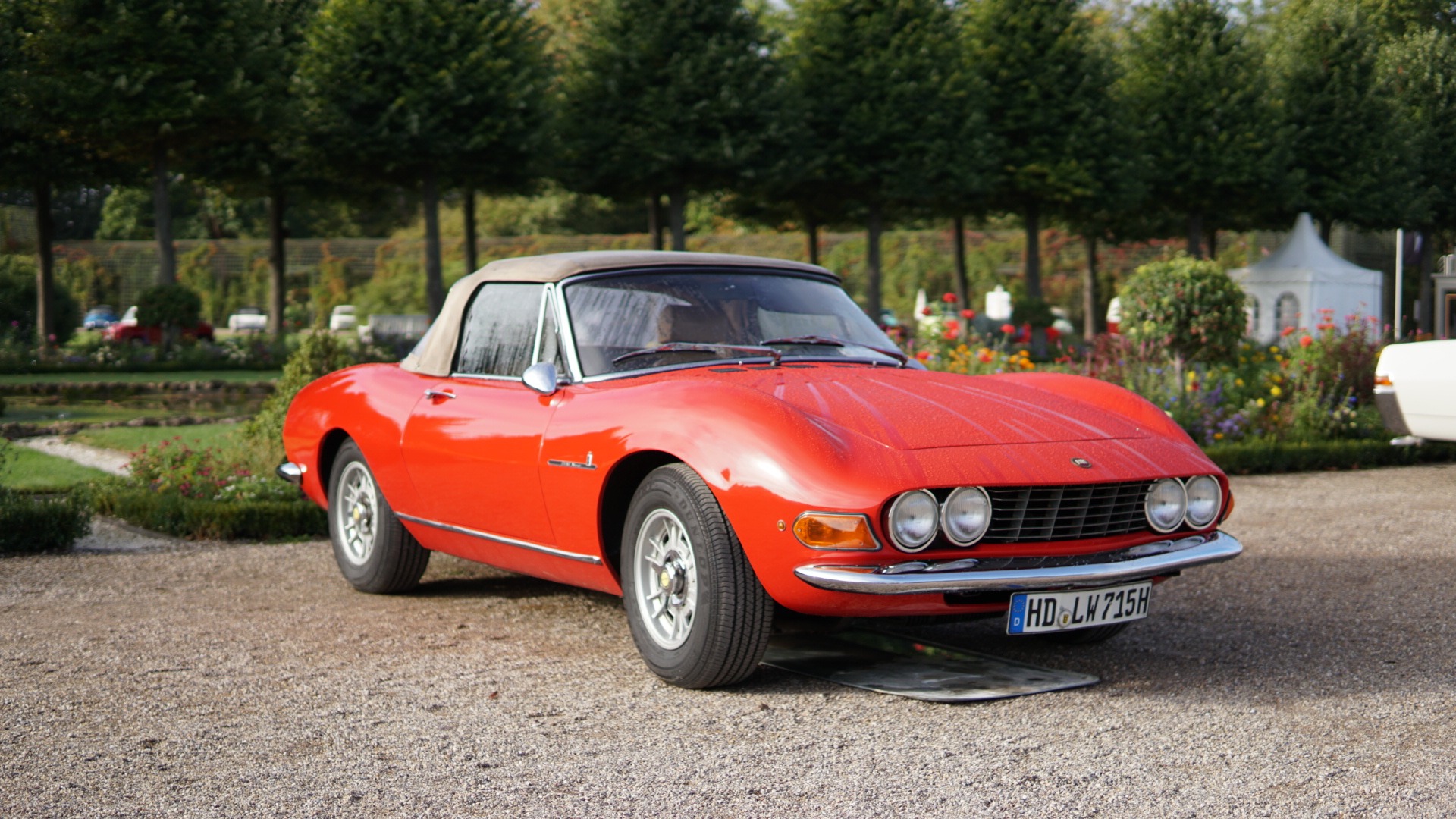
In contrast, the Fiat 124 Sport Spider, also styled and built by Pininfarina, democratized the same spirit. Compact, accessible, and perfectly proportioned, it brought Italian open-top motoring to the masses. It became an international hit—especially in America—where it embodied affordable European sophistication. Over 200,000 units were produced from 1966 to 1985, three-quarters sold in the U.S. When Fiat finally retired the model, Pininfarina proudly carried on, marketing it under its own name as the Pininfarina Spider Europa and Azzurra—the first time the coachbuilder ever sold a car under its own brand.
The late 1960s also saw more discreet successes. Pininfarina styled and built the Fiat 1300/1500 Coupé (OSCA) between 1962 and 1967—a graceful 2+2 that paired Fiat’s reliable sedan underpinnings with a lively twin-cam engine. Subtle, elegant, and rare, it exemplified Pininfarina’s ability to elevate the ordinary into the exceptional.
🔗 Read more: The Fiat 124 Sport Spider History
By the decade’s end, Fiat’s confidence in Pininfarina was absolute. The coachbuilder had evolved from a maker of one-off curiosities into a true industrial partner capable of delivering globally admired production cars. Fiat gained prestige and design flair without straining its own resources, while Pininfarina honed its dual identity as both artist and manufacturer.
The 1960s thus marked the golden age of the Fiat–Pininfarina alliance—a period when Italian style defined the world’s automotive imagination. As the 1970s loomed, the two companies would face new challenges, but their shared success had already established a foundation of trust and creativity that few partnerships in automotive history could match.
The 1970s – Flagships, Concepts, and New Directions
The 1970s opened with one of the finest expressions of Fiat and Pininfarina’s long-running partnership: the Fiat 130 Coupé. Launched in 1971, this grand touring two-door was based on Fiat’s flagship luxury sedan, the V6-powered 130, and was entirely designed by Pininfarina—penned by Paolo Martin under Sergio Pininfarina’s guidance. The result was a masterclass in restrained Italian sophistication. With its crisp geometry, pillarless windows, and delicately balanced proportions, the 130 Coupé exuded confidence and modernity. Critics hailed it as “one of the most representative Italian cars of its era,” a perfect expression of understated elegance at a time when excess was easy to find.
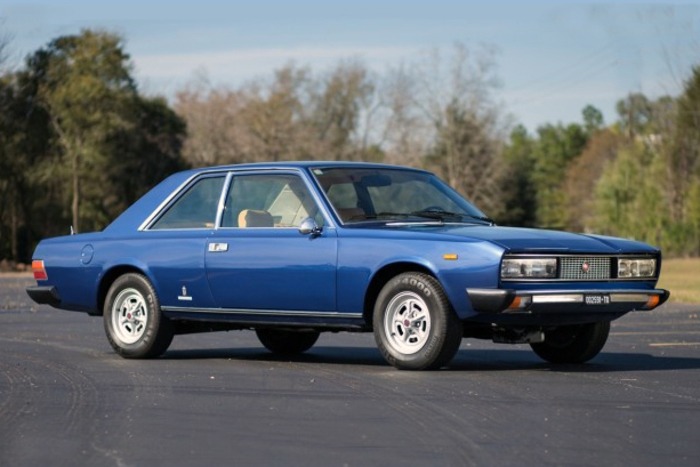
Fiat entrusted Pininfarina not only with the styling but also the production of the 130 Coupé’s bodies. The panels and interiors were built and trimmed at Pininfarina’s Turin facility, then shipped to Fiat for final assembly—an arrangement that symbolized the deep trust between the two companies. To own a 130 Coupé was to make a statement: here was a car with the pedigree of Ferrari engineering (its V6 designed by Aurelio Lampredi) and the refinement of Pininfarina design, yet practical enough for everyday grand touring. The 130 Coupé elevated Fiat’s image, giving the mass-market brand a credible presence in the luxury GT world.
While the 130 Coupé was in showrooms, Pininfarina continued its creative dialogue with Fiat through bold concept cars. In 1974, it unveiled two fascinating design studies based on the 130 platform: the Fiat 130 Opera and Fiat 130 Maremma.
🔗 Read more: Paolo Martin: A Design Maestro’s Journey Through Automotive History
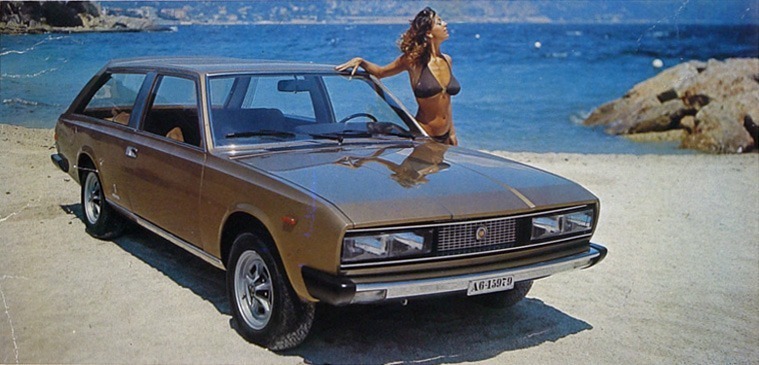
The Opera reimagined the Coupé as an elegant four-door saloon—longer, more formal, yet still graceful. It showed how a Fiat flagship could combine executive comfort with Pininfarina’s clean modern aesthetic. The Maremma, by contrast, was a revelation: a sleek two-door shooting brake, blending the Coupé’s proportions with an estate-like rear. Its name evoked the relaxed elegance of Italy’s coastal countryside, and its concept—mixing performance and utility—was decades ahead of its time. Although neither reached production, both ideas illustrated Pininfarina’s foresight and Fiat’s openness to stylistic experimentation.
The mid-1970s, however, were not easy years. The oil crisis and economic slowdown reshaped priorities across the car industry. Fiat shifted focus toward small, efficient family cars like the 127 and 128, and design houses had to adapt to a leaner era. Yet even amid austerity, Pininfarina found new ways to collaborate.
In 1974, Fiat made a surprising move: it contracted Pininfarina to take over production of the Fiat Campagnola, a rugged 4×4 used by both civilians and the Italian military. Building the tough, utilitarian Campagnola was far from Pininfarina’s usual specialty of sleek convertibles and coupes, but the assignment proved transformative. From 1974 to 1979, Pininfarina built thousands of these vehicles, gaining invaluable experience in large-scale, high-durability manufacturing. As Sergio Pininfarina later recalled, it was the first time Fiat had trusted them with an entire model of this kind—an opportunity that served as a “tremendous stimulus” for the company’s industrial growth.
The Campagnola project helped modernize Pininfarina’s facilities and broaden its technical know-how beyond elegant sports cars. Fiat, in turn, ensured its valued design partner remained strong through a difficult decade, supporting the transition from artisan coachbuilder to full-fledged industrial collaborator.
By the close of the 1970s, Battista “Pinin” Farina had long since passed (in 1966), and his son Sergio had guided the firm into a new era. The Fiat–Pininfarina relationship had now spanned nearly half a century, enduring war, economic upheaval, and seismic shifts in technology. The age of one-off coachbuilt Fiats was over, but in its place had emerged a strategic alliance built on trust, adaptability, and innovation.
As the 1980s approached, Fiat would rely on Pininfarina less for handcrafted luxury and more for targeted projects that added flair to its high-volume range. Yet even as markets evolved, the partnership’s essence remained unchanged: Fiat provided the engineering and vision; Pininfarina added the soul.
The 1980s – Twilight of the Classics and a New Hope
By the 1980s, the automotive landscape was changing rapidly. Globalization and cost pressures drove manufacturers toward mass production and homogenized design, leaving little room for the kind of artistry that had once defined Italy’s coachbuilders. Carmakers now believed the key to survival was producing a handful of core models in enormous volumes—vehicles that could appeal equally in Milan, Munich, or Miami.
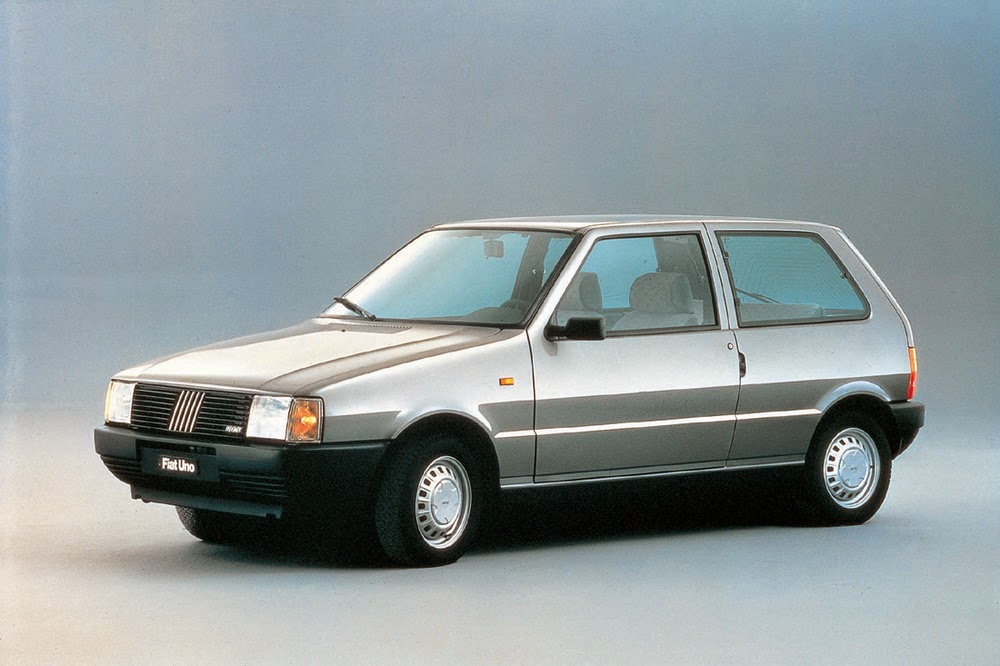
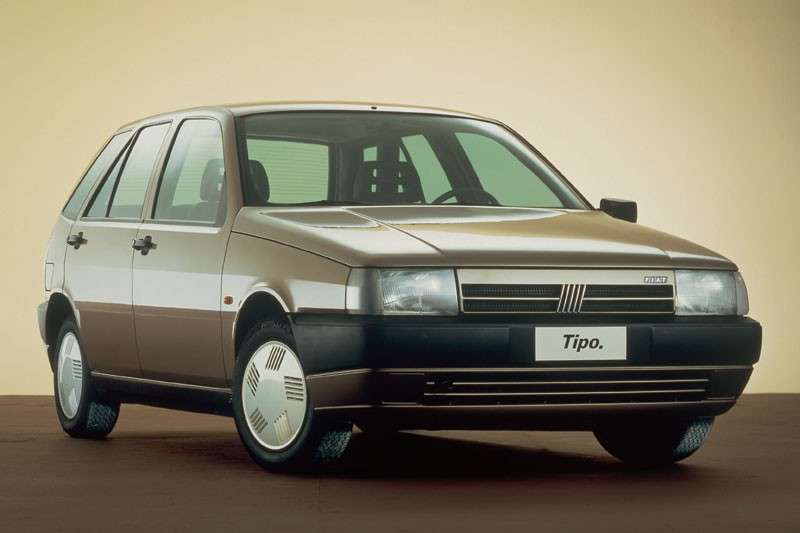
Fiat, too, followed this pragmatic path. Its focus turned to efficient, high-volume hatchbacks and sedans like the Uno, Regata, and later Tipo, most of them designed in-house or by Italdesign / I.DE.A Institute. In this climate of industrial rationalization, the Fiat–Pininfarina partnership naturally quieted. The days of glamorous show cars and handcrafted Fiats had largely passed. Yet, even in this restrained era, the collaboration’s spirit endured through one final act of romantic defiance—the last chapter of the legendary Fiat 124 Spider.
Fiat had officially ended Spider production in 1982, but demand—particularly from the American market—refused to die. Rather than let the model fade away, Pininfarina struck an unprecedented agreement: it would take over the Spider’s production and sell it under its own badge. From 1983 to 1985, the car lived on as the Pininfarina Spider Azzurra (also marketed as the Spidereuropa), mechanically and stylistically near-identical to Fiat’s version, but now wearing the coachbuilder’s own crest.
This was more than a business arrangement—it was a gesture of mutual trust. Fiat’s willingness to hand over one of its most beloved models showed the depth of faith it placed in its design partner. For Pininfarina, it was both an honor and a responsibility: to preserve the character of a car that had come to symbolize affordable Italian passion. When production finally ended in 1985, after nearly two decades, Pininfarina had built the Spider longer than Fiat itself—a poetic conclusion to one of the longest-running collaborations in Italian automotive history.
Beyond the Spider, the 1980s were largely a period of reflection and repositioning. Pininfarina’s studios and factories were busier than ever—but for other clients. Projects for Ferrari, Peugeot, and General Motors filled its order books, while Fiat’s mainline models moved to different design hands. Yet, beneath the surface, the seeds of renewal were being planted.
🔗 Read more: The Partnership between Peugeot & Pininfarina
By the late 1980s, tastes were shifting once again. Drivers began yearning for distinctive, emotional cars after years of sensible uniformity. Manufacturers, realizing the limits of global sameness, looked again to Italy’s storied design houses for flair and personality. Fiat, too, saw opportunity in rekindling creative partnerships to infuse its lineup with excitement and style.
Thus, the 1980s stand as a transitional twilight in the Fiat–Pininfarina story—a quieter chapter between eras of brilliance. There were no new joint showstoppers, yet the bond endured, quietly and faithfully. Fiat never severed its ties; Pininfarina never stopped innovating. Each knew the other’s value, even in times of silence.
And so, as the decade closed and the wheel of fashion began to turn again, both were ready. The coming 1990s would prove that the partnership’s pause was not an ending, but merely an intermission—one that would soon give rise to a new generation of collaboration, creativity, and rediscovered passion.
The 1990s – Revival with Niche Models and a Nod to the Past
After a decade of quiet reflection, the 1990s brought a welcome revival for Italian design and for the partnership between Fiat and Pininfarina. The winds of change were sweeping through the car industry: consumers were once again craving individuality, emotion, and artistry rather than uniform practicality. Markets fragmented into niches, and automakers rediscovered the value of character. Fiat, having regained stability after years of restructuring, saw an opportunity to reintroduce excitement and flair into its lineup — and naturally turned once more to its trusted creative partner, Pininfarina.
The decade’s defining collaboration came in the form of a car that shocked and delighted the motoring world: the Fiat Coupé.
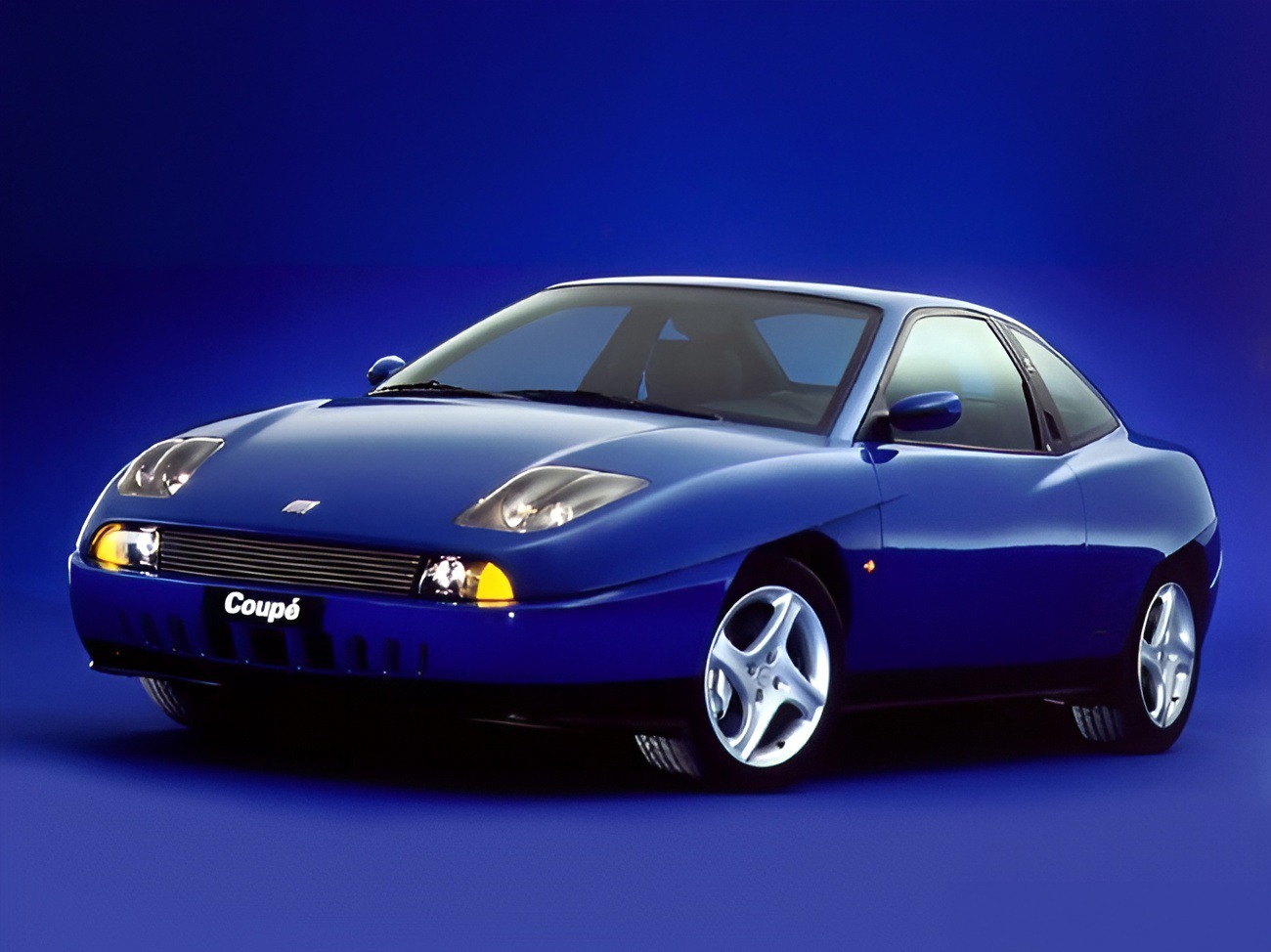
Unveiled as a prototype at the 1993 Bologna Motor Show, the Fiat Coupé was a bold and unconventional sports car, unlike anything Fiat had produced before. Its exterior design — a daring, architectural composition by Chris Bangle at Fiat’s Centro Stile — featured scalloped side panels, razor-sharp lines, and Ferrari-inspired round tail lamps that hinted at performance pedigree. But behind this striking visual drama was Pininfarina’s quiet mastery.
From the earliest concept stages, Pininfarina had been involved — even submitting its own design proposal that narrowly lost to Bangle’s. Rather than step away, Pininfarina became the project’s engineering and manufacturing partner. The company was tasked with developing, industrializing, and building the Coupé at its Turin facility, ensuring that Fiat’s avant-garde dream became a production reality. The interior, by contrast, was entirely a Pininfarina creation: its now-iconic body-colored dashboard insert turned a simple cabin into a statement piece, celebrated for its elegance and originality.
Between 1994 and 2000, every Fiat Coupé built — more than 72,000 units in total — passed through Pininfarina’s hands. The project was one of the most significant Fiat–Pininfarina collaborations since the 124 Spider, reaffirming their mutual confidence. The Coupé’s mix of passion, precision, and practicality made it an instant icon of 1990s Italian design. Its performance and beauty earned it the affectionate nickname “the poor man’s Ferrari” — a tribute both to its Italian pedigree and to the accessible dream it represented.
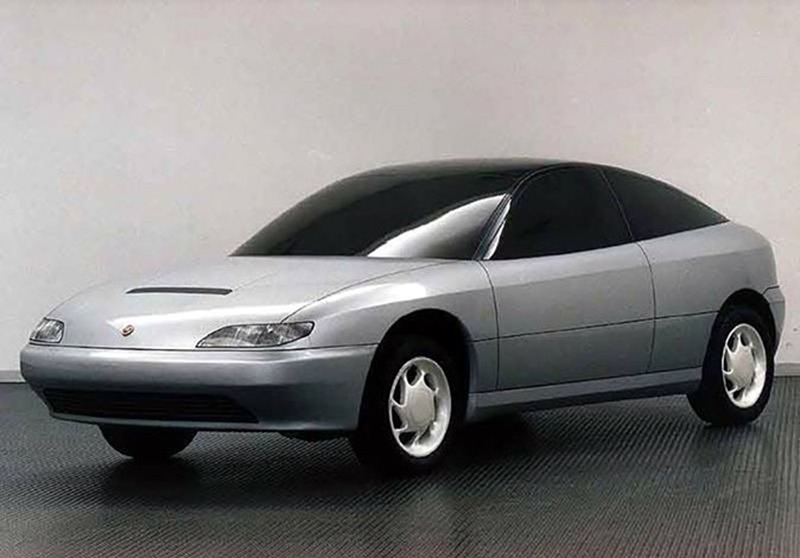
For Pininfarina, the Coupé wasn’t just a design triumph but also a commercial and industrial milestone. It kept the company’s factories buzzing and reaffirmed its reputation as one of Europe’s most capable niche manufacturers. By the mid-1990s, Pininfarina’s production lines were building cars not only for Fiat but also for Peugeot and other global clients — a testament to the company’s evolution from coachbuilder to full-scale industrial partner.
As the partnership gained momentum, Pininfarina continued to explore conceptual frontiers that celebrated both its heritage and Fiat’s forward-looking vision. The highlight came in 1999, Fiat’s centenary year, when the two companies reunited to honor nearly a century of shared creativity. Pininfarina organized a grand retrospective in Turin, showcasing 70 landmark Fiat–Pininfarina cars — a visual timeline of Italian design evolution from the 1930s onward.
For the occasion, Pininfarina also created a futuristic concept: the Fiat Wish. Unveiled in 1999, the Wish was a compact coupé-cabriolet prototype based on the Fiat Punto platform. It featured an electro-hydraulic retractable hardtop, allowing the car to transform from coupe to cabriolet at the press of a button — an idea that was years ahead of its time. Long before such mechanisms became fashionable, the Wish demonstrated Pininfarina’s technical ingenuity and its instinct for where the market was heading. Sleek and innovative, it was both a birthday gift and a statement of faith in the future: proof that Fiat and Pininfarina could still combine practicality and passion in unexpected ways.
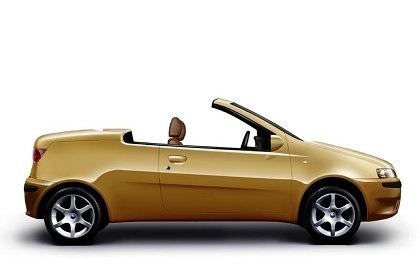
Though the Wish never entered production, its influence would later be felt in a wave of early-2000s folding-hardtop convertibles — many engineered, fittingly, by Pininfarina itself.
In the end, the 1990s restored the Fiat–Pininfarina alliance to its former strength and relevance. Fiat once again entrusted Pininfarina with high-profile projects, confident in its ability to blend artistry with engineering excellence. For Pininfarina, it was a decade of rediscovery — a reminder that even in an era of industrial efficiency, there was still room for beauty, individuality, and emotion.
As the millennium approached, both companies stood at a crossroads. Globalization, new technologies, and shifting ownership would soon reshape their destinies once more. But the spirit of the 1990s — that joyous reunion of creativity and craft — ensured that the Fiat–Pininfarina partnership entered the new century not as a relic of the past, but as a living symbol of what Italian design could achieve when passion met precision.
2000s and Beyond – Heritage, Celebrations, and Continuing Influence
The dawn of the 21st century brought dramatic transformation to the automotive world. Globalization, digital design, and environmental regulations reshaped how cars were conceived and built. Both Fiat and Pininfarina had to evolve. Fiat entered an era of mergers and reinvention — ultimately joining forces with Chrysler to form what is now Stellantis — while Pininfarina, navigating financial pressures and an industry less dependent on outside design houses, diversified its expertise before eventually being acquired by Mahindra & Mahindra in 2015.
🔗 Read more: Pininfarina Through the Ages: The Complete History
In this fast-changing landscape, the intimate one-to-one collaborations that had defined Fiat and Pininfarina for half a century became less frequent. Fiat increasingly relied on its in-house design centers and strategic partners for new models, while Pininfarina broadened its focus into industrial design, aerodynamics, and engineering consultancy across multiple sectors. Yet, the connection between the two icons of Italian motoring never truly faded — it simply matured into a heritage partnership, one grounded in respect, nostalgia, and occasional creative reunions.
Interestingly, one of the few production programs that still linked the two during this era came through a different branch of the Fiat family tree: Alfa Romeo. Pininfarina helped design and manufacture the Alfa Romeo GTV/Spider (1995–2005) and later the Brera and Spider (2005–2010) — projects that reaffirmed its engineering and styling influence within the broader Fiat Group, even if not directly under the Fiat badge.
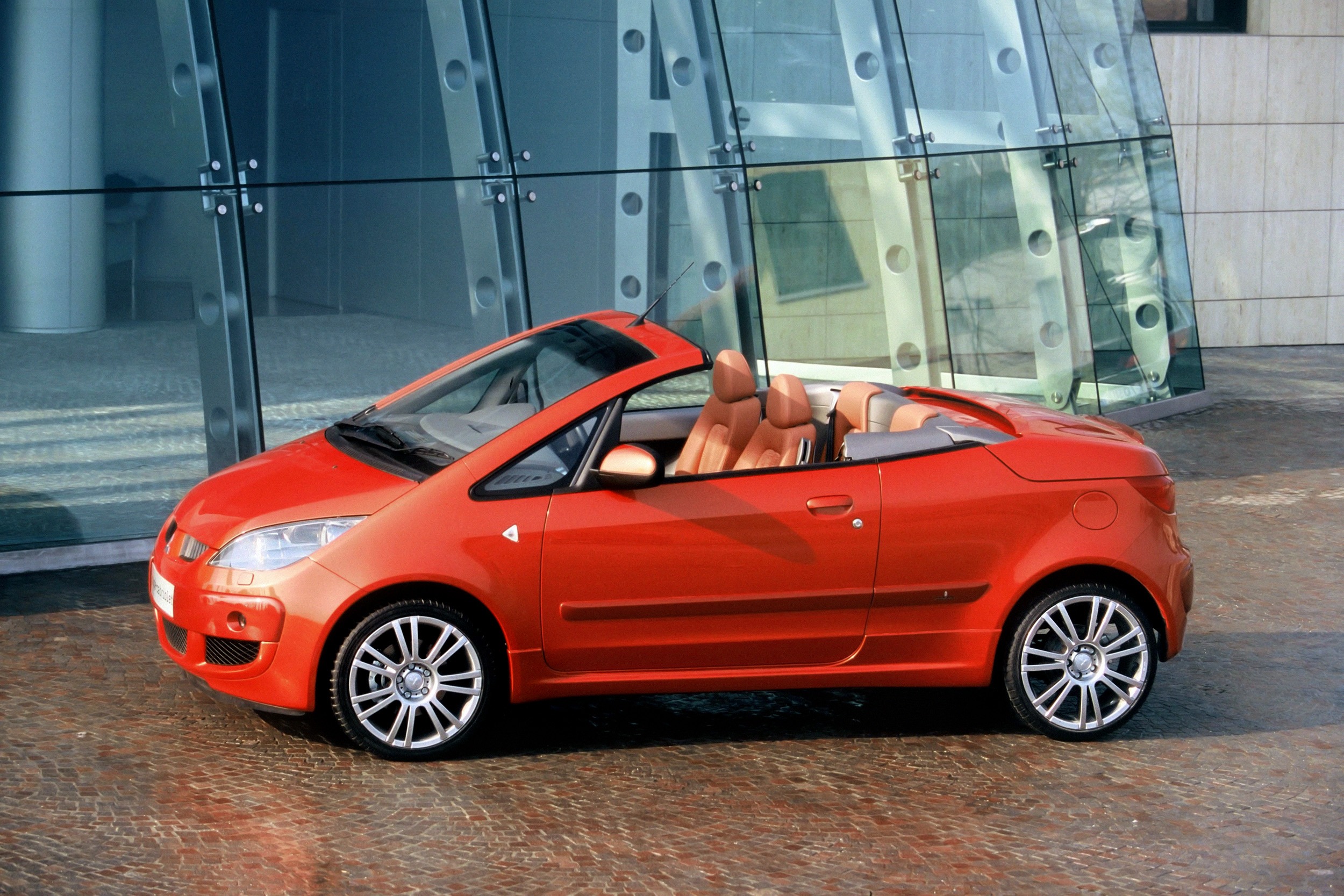
For Fiat itself, the years after the Coupé (1994–2000) marked a quieter phase. The Barchetta roadster (1995) and the retro-inspired Fiat 500 (2007) were designed internally, signaling Fiat’s growing self-reliance in design. Still, Pininfarina’s fingerprints could be found in the background: its engineering expertise — particularly in convertible mechanisms — proved invaluable. The folding metal roof technology that Pininfarina had pioneered with the 1999 Fiat Wish concept would later see practical application in several 2000s models, including the Peugeot 206 CC and Mitsubishi Colt CZC. In that sense, Pininfarina’s innovation continued to ripple outward, quietly influencing Fiat’s extended network and partners.
More than ever, the value of the Fiat–Pininfarina relationship in the 2000s lay in heritage and celebration. As Fiat looked back to its golden eras for inspiration, Pininfarina’s legacy was never far behind. The revival of the Fiat 500 in 2007 and the relaunch of the 124 Spider in 2016 (a Mazda-based project) both drew directly from models originally penned and built by Pininfarina. Even when Pininfarina wasn’t officially involved, the design DNA was unmistakable — evident in the curves, proportions, and timeless simplicity that had long defined Fiat’s most beloved cars.
Yet one final collaboration would see the two names reunited — fittingly, for a celebration of joy and nostalgia.
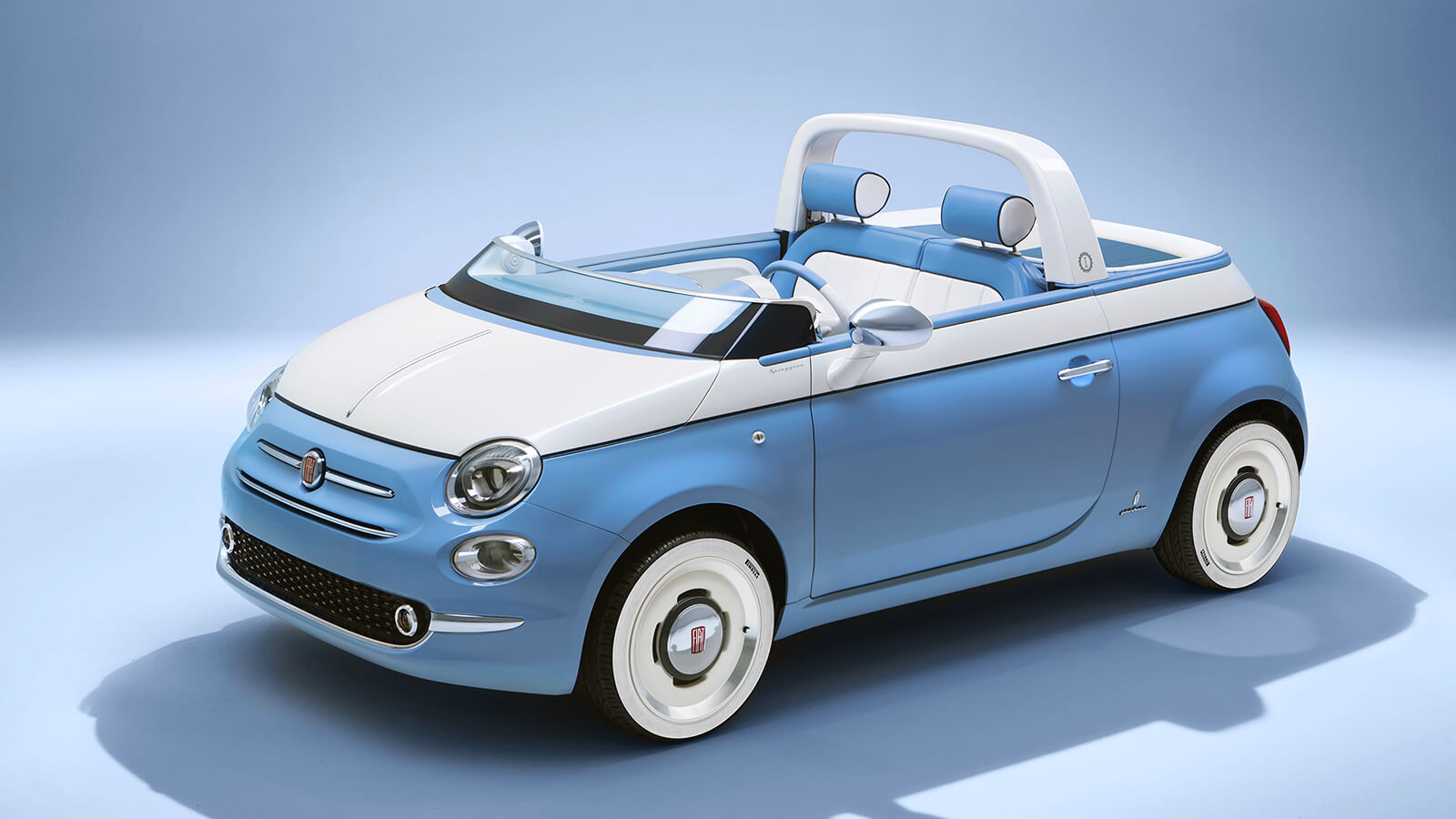
In 2018, to mark the 60th anniversary of the original 1958 Fiat 500 “Spiaggina” (and the 50th birthday of the Fiat 500 itself), Fiat teamed up with creative studio Garage Italia and Pininfarina to create a modern homage: the Spiaggina by Garage Italia. Based on the contemporary Fiat 500C, this one-off show car was a playful, doorless beach cruiser, recalling the carefree glamour of Italy’s coastal summers. Pininfarina’s role was crucial — it provided the engineering and structural reinforcement that made the open-bodied design feasible, while also executing the build with its traditional craftsmanship.
The car’s two-tone blue-and-white paint, cork flooring, and yacht-like rear deck evoked the la dolce vita spirit of the late 1950s. At its unveiling, Pininfarina CEO Silvio Angori reflected:
“Creativity and craftsmanship are Pininfarina’s trademark, and the Spiaggina project let us once again display our design capabilities, starting from Garage Italia’s idea on the Fiat 500C.”
🔗 Read more: La dolce vita: the Spiaggina beach cars
Though the Spiaggina was never intended for production, its symbolism was unmistakable — it was a joyful bridge between past and present, a reminder that whenever Fiat celebrates its history, Pininfarina is never far away. Appropriately, it is regarded as Pininfarina’s last Fiat creation to date, closing a circle that began nearly a century earlier with the bespoke open-top Fiats of the 1930s.
As of the mid-2020s, the direct collaboration between Fiat and Pininfarina has largely become a chapter in history — but one whose legacy continues to shape the automotive world. More than 140 Fiat models, from one-off concept cars to full-scale production vehicles, have borne the imprint of Pininfarina’s artistry. The very notion that even an everyday car could embody beauty, proportion, and refinement — that form and function could coexist harmoniously — was championed by Pininfarina and embraced by Fiat.
Together, they proved that Italian design need not be reserved for the elite; it could elevate the ordinary and make the accessible desirable. Fiat’s enduring charm owes much to that lesson, and Pininfarina’s global reputation was built on it.
Theirs remains one of the most enduring creative friendships in automotive history — a partnership that spanned nearly a century and turned industrial collaboration into cultural legacy. From the graceful Fiats of the 1930s to the playful Spiaggina of the 2010s, Fiat and Pininfarina showed that when engineering and artistry share the same road, the destination is always something timeless.
Conclusion: A Legacy Rolling On
The story of Fiat and Pininfarina is an enduring automotive romance — built on mutual respect, creativity, and a shared love of design. From Battista Farina’s first Fiat radiator in 1911 to modern tributes like the 2018 Spiaggina, the two names have been intertwined for over a century, evolving together through every shift in technology and taste.
For Fiat, Pininfarina brought elegance and prestige; for Pininfarina, Fiat provided the perfect canvas to refine its art. Together, they proved that beauty and practicality could coexist — that a car for the everyday driver could still embody Italian style and soul.
Even as the industry moves into the age of electrification and digital design, their legacy remains visible in every Fiat that values proportion, grace, and emotional appeal. Theirs was not just a business partnership but a creative dialogue that shaped generations of automobiles — and in doing so, helped define what it means for engineering to meet art on four wheels.
Whenever a Fiat bears Pininfarina’s influence, it carries more than a design — it carries a story, a spirit, and a reminder that true collaboration never goes out of style.

ABOUT THE AUTHOR
Andreas Scheidl
Italian classic car enthusiast with German roots. Renowned as a respected figure in the classic car community, he serves as a jury member at various international concours d'elegance, including the Classic Gala Schwetzingen and Mantova. As a content creator, Andreas passionately shares his profound knowledge and appreciation for vintage automobiles. His heart beats for cars designed by Giovanni Michelotti, showcasing his discerning taste and dedication to preserving the timeless elegance of automotive history.
More stories by Andreas Scheidl ↗CONTINUE READING
Posts You Might Like
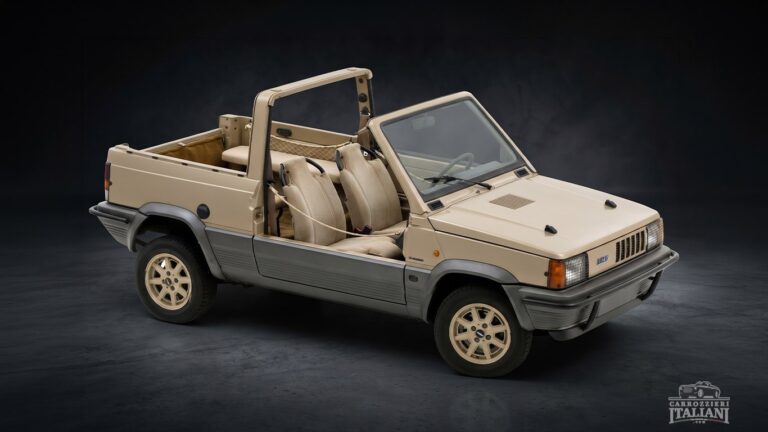
Fiat Panda Cabrio: The Italian Coachbuilders Who Opened Giugiaro’s Box
From Moretti’s Panda Rock to Italdesign’s experimental Strip, Maggiora’s four-wheel-drive convertible and Stola’s remarkable Destriero, the history of the open-top Panda reveals an unexpected chapter in Italian coachbuilding. When Giorgetto Giugiaro designed…
Read story
Gabriele d’Annunzio and the Cult of the Automobile
There was a time when the automobile had not yet become part of the landscape. It announced itself from afar through the beating of an engine, the smell of petrol and hot…
Read story
Fiat 1400: The Last Great Playground of the Carrozzieri
From Touring and Abarth to Farina, Ghia, Vignale, Boneschi, Bertone, Viotti and the smaller carrozzerie, the new Fiat quickly became one of the richest bases for Italian special bodies in the early…
Read story
How a Swiss Dealer Challenged Ferrari: The Story of Monteverdi
How Peter Monteverdi went from Swiss Ferrari dealer to creator of rare Frua and Fissore-bodied GTs, the Hai supercar and luxury off-roaders.
Read story
THE CONVERSATION
Comments 0
Share a memory, a period photograph or a documented detail about this story.