
THE VEHICLE AT A GLANCE
Model dossier
- Production period
- 1963
- Body style
- Berlina
- Engine
- V8
- Type
- Concept
- Production
- 1
THE PEOPLE BEHIND THE CAR
Coachbuilding, design & conversions

PRICE & SALES RECORD
Vehicle value
- Original price
- Not documented
- Latest recorded sale
- Not documented
01 / THE STORY
History & context
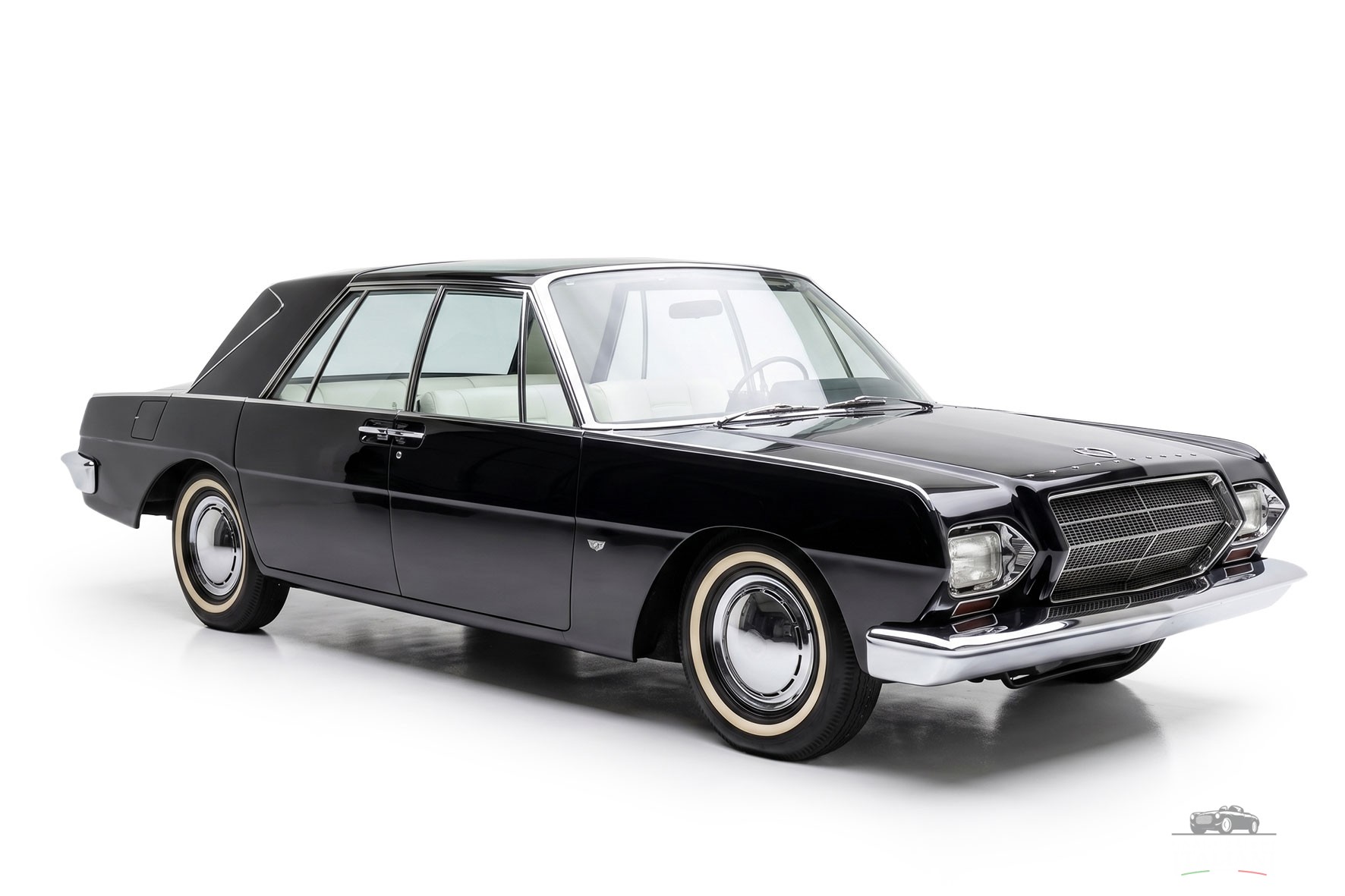
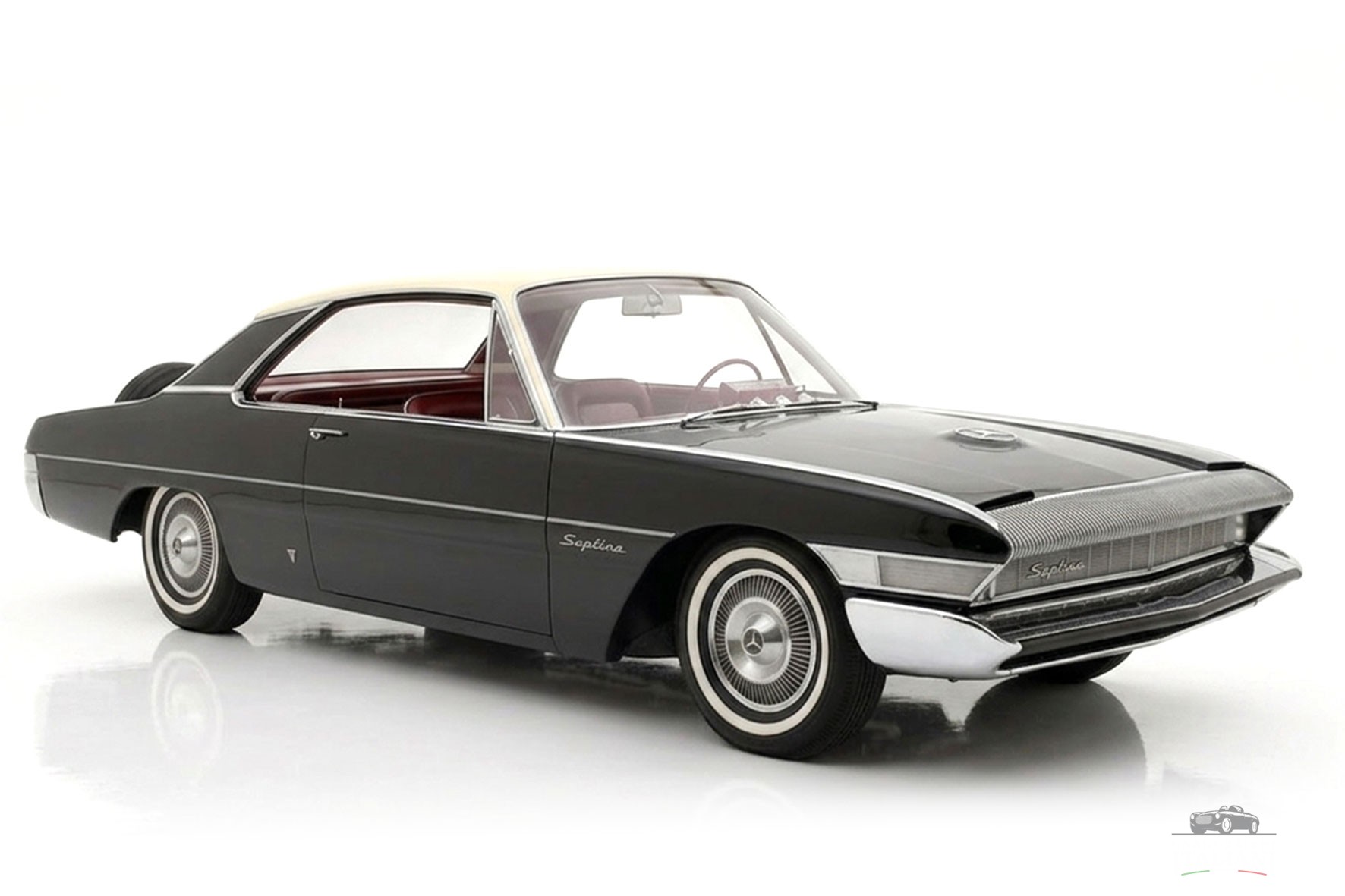
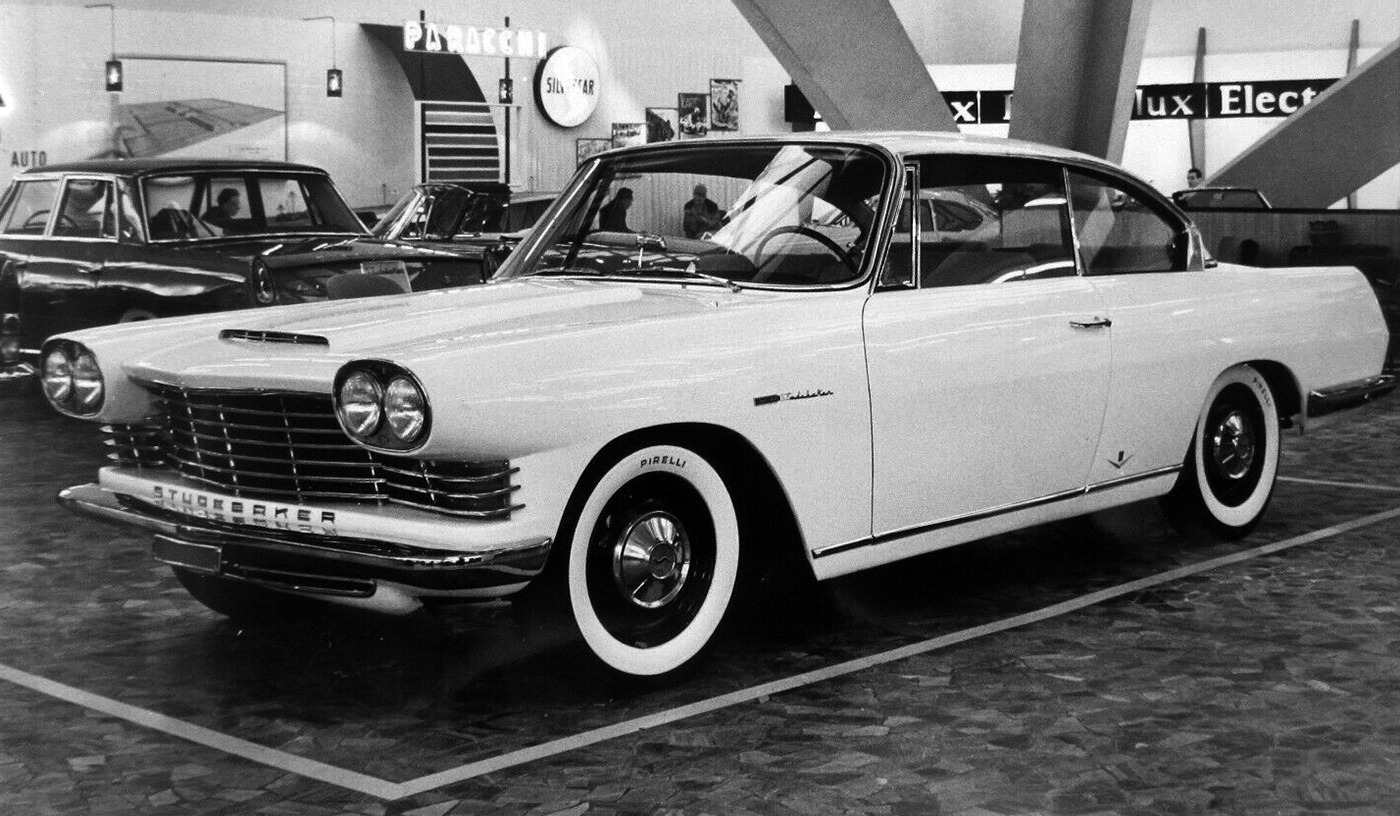
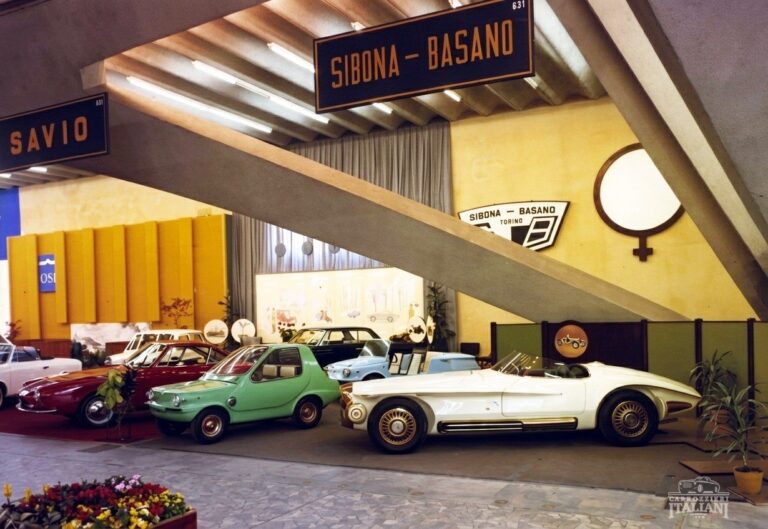
The Studebaker Lark Cruiser by Sibona Basano is a fascinating example of American automotive innovation in the early 1960s. In 1963 and 1964, Sibona-Basano, an Italian design house, collaborated closely with American designer Brooks Stevens and the financially struggling American automaker Studebaker. This partnership aimed to create bold, forward-thinking designs for the model years 1964 to 1966, despite the limited budget of just $50,000 allocated for the project. One of the standout creations of this collaboration was the “Lark Cruiser,” a four-door hardtop sedan that exuded elegance and modernity. The Lark Cruiser’s design featured sleek, flowing lines and a sophisticated, upscale aesthetic, setting it apart from the more conventional sedans of the era. It was a truly unique take on the popular Studebaker Lark model, incorporating bold stylistic elements while maintaining practicality. Perhaps the most striking feature of the Lark Cruiser was its suicide doors—rear doors that opened in the opposite direction of the front doors. This design, while unconventional, added a touch of luxury and flair to the car’s overall appearance. It also provided easier access to the rear seats, enhancing both the car’s appeal and functionality. The Lark Cruiser’s hardtop design added to its elegance, giving the car a sleek, pillarless appearance that enhanced its modern and streamlined look. Despite the innovative design and unique features, only three prototypes of the Studebaker Lark Cruiser were produced. These prototypes were the result of Stevens and Sibona-Basano’s creative efforts to demonstrate what the company could achieve with limited resources. However, due to Studebaker’s financial troubles and its eventual decline, the Lark Cruiser never made it to full-scale production. Today, the Lark Cruiser by Sibona Basano is remembered as a rare and captivating example of mid-century American automotive design. Its blend of Italian design influence, American engineering, and distinctive styling features makes it a standout piece of automotive history, even if its production was limited to just a few prototypes. The Studebaker Lark Cruiser by Sibona Basano. In 1963 and 1964, Sibona-Basano worked intensively with the American designer Brooks Stevens and the American car manufacturer Studebaker. Stevens had designed several passenger cars for the financially troubled US company as a look ahead to the model years 1964 to 1966. With a comparatively small budget of $ 50,000, Sibona-Basano produced three prototypes on behalf of Stevens. One of those was the “Lark Cruiser”: a elegant four door Hard-top Sedan with suicide doors.
Learn more about the Italian made Studebaker here in our special.
IN THE ARCHIVE
Coachbuilders & design studios
02 / TECHNICAL IDENTITY
Specifications & construction
Production & construction
- Production
- 1
- Production type
- Concept
Engine & performance
- Engine configuration
- V8
Design & manufacture
- Coachbuilder / Body Builder · Documented
- Sibona & Basano
- Manufacturer · Documented
- Studebaker
- Designer · Documented
- Brooks Stevens
06 / EVENTS & AWARDS
Events & awards
No events or documented awards are currently recorded for this vehicle.
07 / THE VEHICLE IN DETAIL
Photo gallery 3 photographs
08 / FROM THE ARCHIVE
Archive
References held in the vehicle dossier. Their inclusion does not establish that every historical claim has been independently verified.
| Reference | Source type |
|---|---|
| Studebaker, 1946–1966: The Classic Postwar Years manuals.plus | Published marque history |
| Dean's Garage — Brooks Stevens's radical plan to save Studebaker www.deansgarage.com | Specialist design history |
| Indie Auto — Studebaker Sceptre and siblings www.indieauto.org | Independent design history |
THE CONVERSATION
Comments 0
Share a memory, a period photograph or a documented detail about this car.