
THE VEHICLE AT A GLANCE
Model dossier
- Production period
- 1969
- Body style
- Station Wagon
- Engine
- Inline-4
- Type
- Prototype
THE PEOPLE BEHIND THE CAR
Coachbuilding, design & conversions


PRICE & SALES RECORD
Vehicle value
- Original price
- Not documented
- Latest recorded sale
- Not documented
01 / THE STORY
History & context
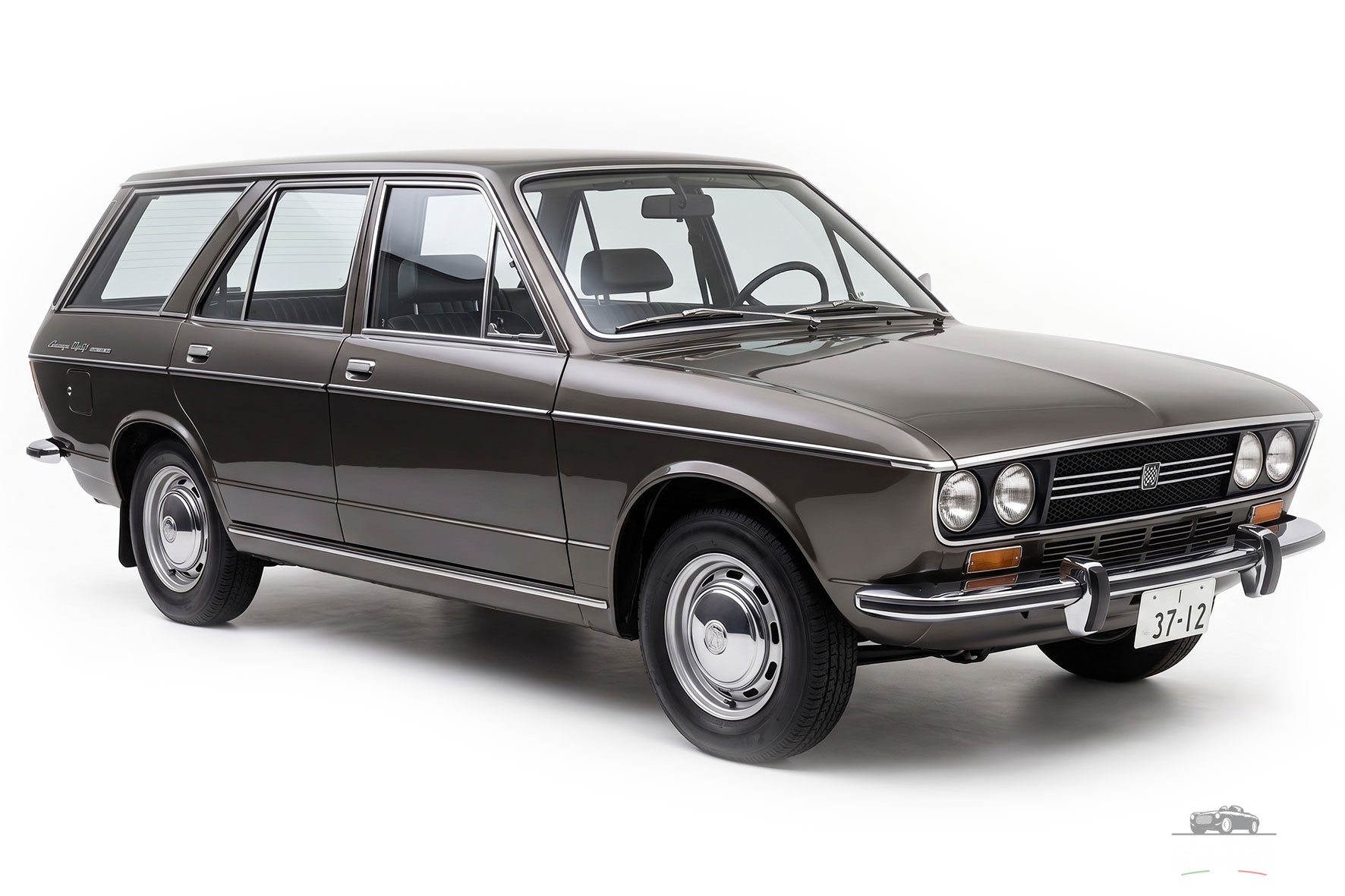
The Skoda 720 Wagon, also referred to internally as the AD-4 Kombi, is a prototype estate car developed in 1971 as part of the broader Skoda 720 model program. The 720 series was conceived by AZNP (Automobilove zavody, narodni podnik) in the late 1960s as a modernization effort aimed at introducing a new generation of mid-sized automobiles to replace the aging rear-engined models then in production. The program included saloon, coupe, and estate configurations, each representing a departure from Skoda’s established design and engineering practices. The estate variant was designed with assistance from Italdesign, under the direction of Giorgetto Giugiaro. The resulting vehicle featured a five-door body configuration with a horizontally oriented tailgate, flat roofline, and extended cargo area. The exterior styling was aligned with contemporary European design trends, incorporating rectangular headlamps, a minimalist grille treatment, and a functional beltline. Comparisons have been drawn between the front-end appearance of the 720 Wagon and the Ford 17M P7a, a model produced concurrently in Western Europe. Mechanically, the 720 Wagon was based on a front-engine, rear-wheel-drive layout and employed an inline-four engine with displacement variants ranging from 1,236 cc to 1,772 cc. The 1,498 cc unit, delivering approximately 85 horsepower, was among the configurations tested during development. Transmission was via a manual gearbox. Suspension and braking systems were conventional for the class, with independent front suspension and a live rear axle. The project did not reach production. Despite an advanced state of prototype development and external collaboration, internal factors including economic constraints and political priorities within the centrally planned economy of Czechoslovakia led to the cancellation of the program in the early 1970s. No production chassis numbers are known to have been issued. Surviving prototypes remain within factory collections or were retained for archival purposes. The Skoda 720 Wagon represents a transitional moment in the manufacturer’s trajectory, reflecting both international stylistic influences and an unrealized ambition to align more closely with contemporary European automotive standards. It remains a historically relevant example of mid-century design experimentation under constrained industrial conditions.
IN THE ARCHIVE
Related people
IN THE ARCHIVE
Coachbuilders & design studios
02 / TECHNICAL IDENTITY
Specifications & construction
Production & construction
- Production type
- Prototype
Engine & performance
- Engine configuration
- Inline-4
Design & manufacture
- Designer · Documented
- Giorgetto Giugiaro
- Design Studio · Documented
- Italdesign
- Manufacturer · Documented
- Skoda
06 / EVENTS & AWARDS
Events & awards
No events or documented awards are currently recorded for this vehicle.
07 / THE VEHICLE IN DETAIL
Photo gallery 2 photographs
08 / FROM THE ARCHIVE
Archive
References held in the vehicle dossier. Their inclusion does not establish that every historical claim has been independently verified.
| Reference | Source type |
|---|---|
| Škoda Storyboard — Creator of famous prototypes www.skoda-storyboard.com | Manufacturer official history |
| Škoda 130 Years — Concept Cars and Design Studies cdn.skoda-storyboard.com | Manufacturer official publication |

THE CONVERSATION
Comments 0
Share a memory, a period photograph or a documented detail about this car.