
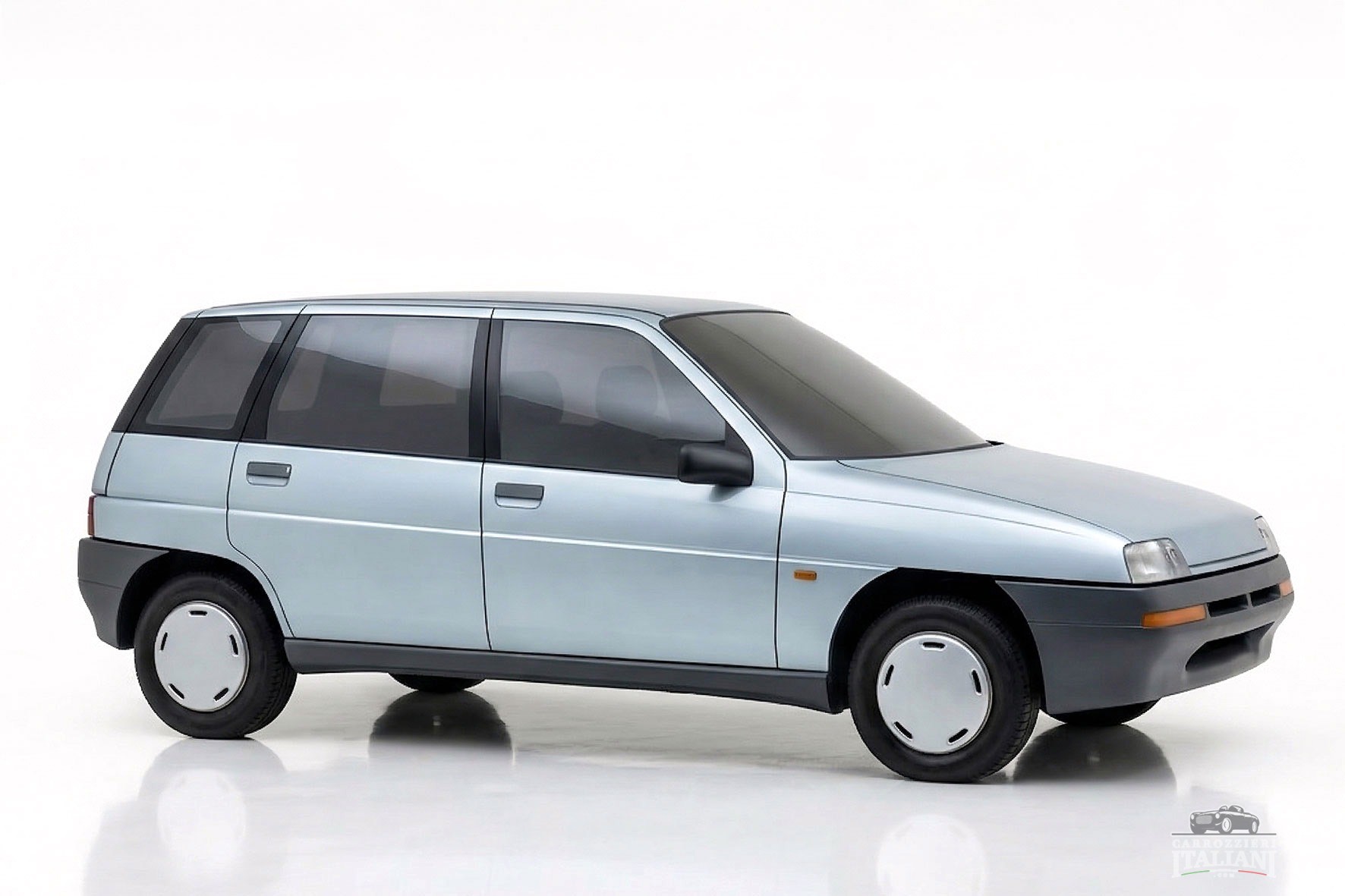
THE VEHICLE AT A GLANCE
Model dossier
- Production period
- 1987
- Body style
- Hatchback
- Type
- Design-proposal
THE PEOPLE BEHIND THE CAR
Coachbuilding, design & conversions

PRICE & SALES RECORD
Vehicle value
- Original price
- Not documented
- Latest recorded sale
- Not documented
01 / THE STORY
History & context
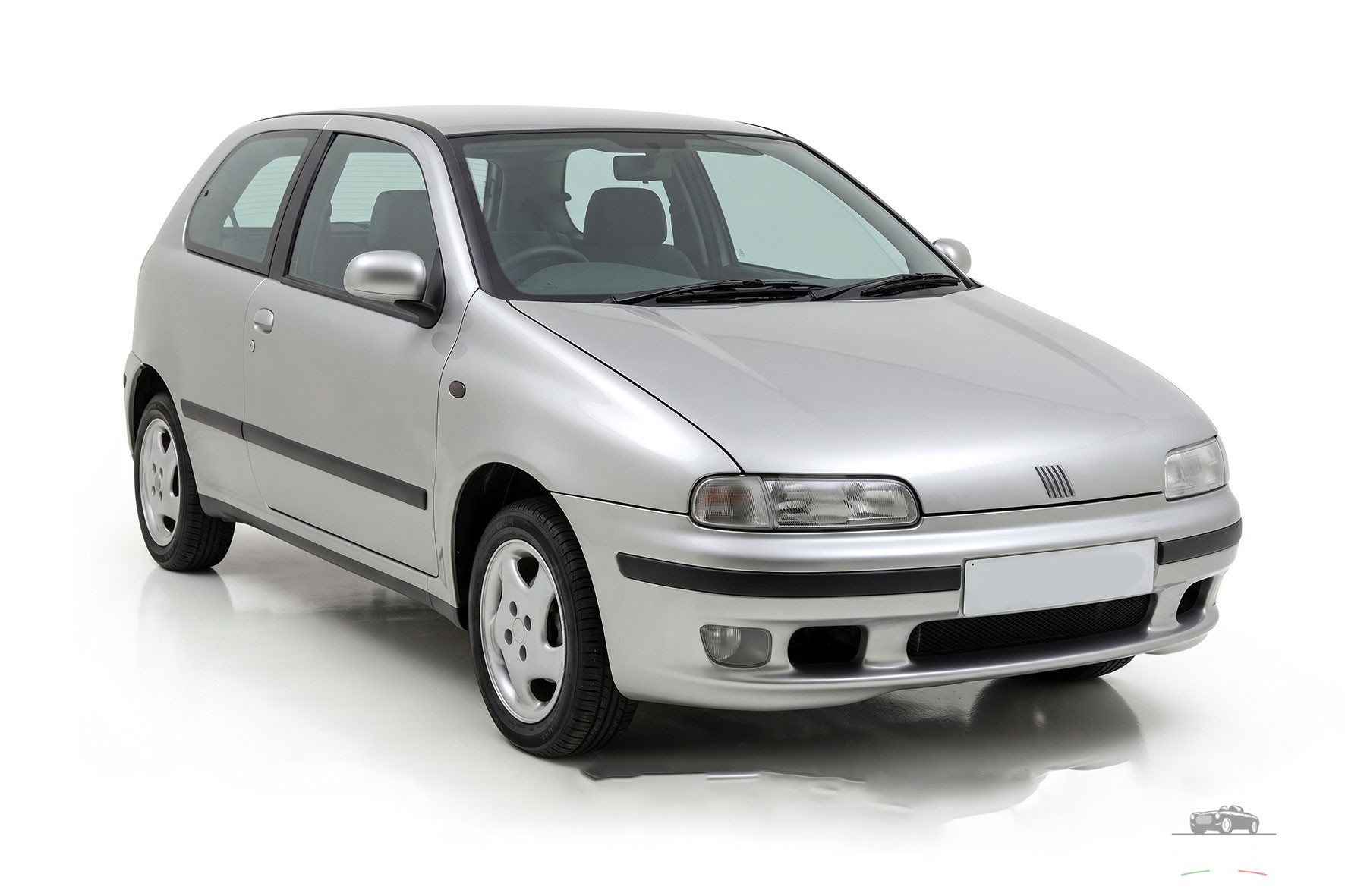
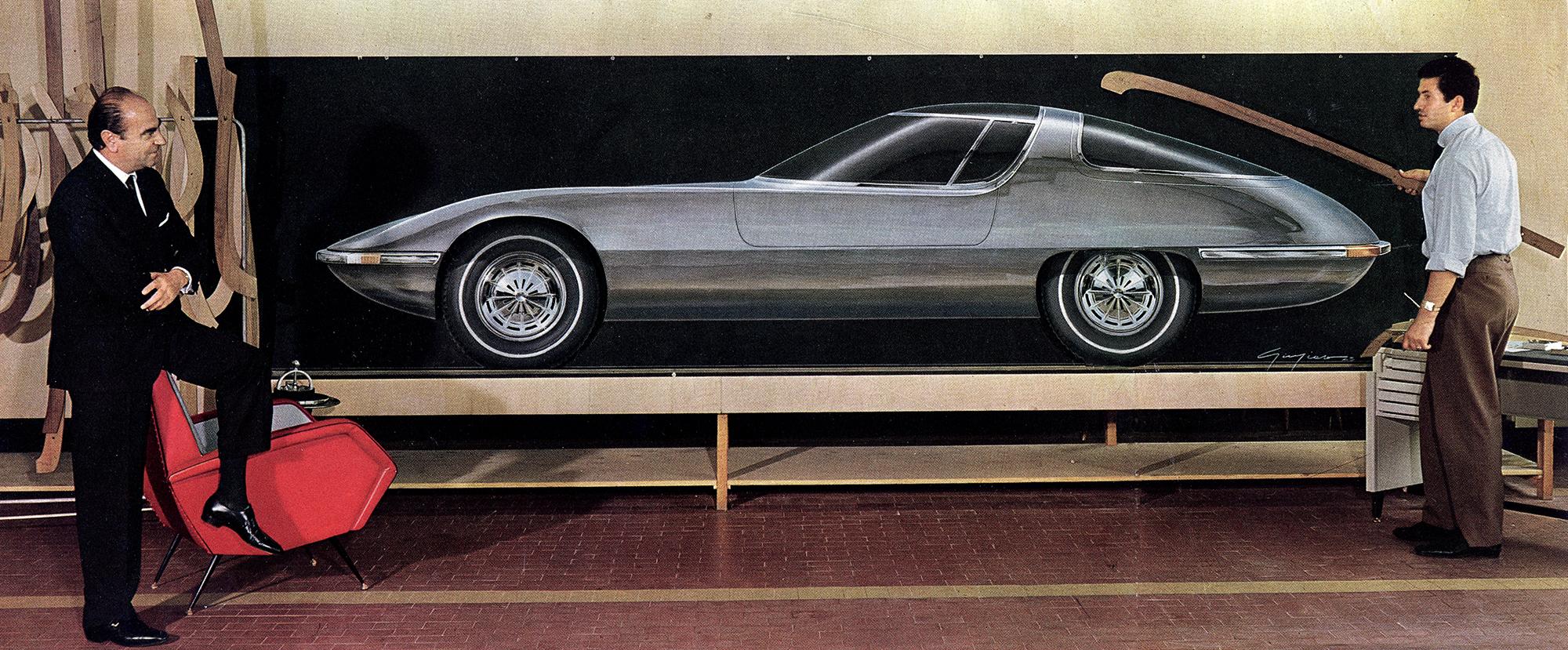
Renault X57 was a late-1980s external design study authored by Giorgetto Giugiaro at Italdesign, commissioned within Renault’s B-segment succession program as part of the manufacturer’s strategic effort to replace the Supercinq designed by Marcello Gandini. Developed in parallel with internal and external proposals, X57 was positioned within a competitive landscape defined by Volkswagen, Peugeot, and Fiat offerings, and was intended to address the functional, dimensional, and regulatory parameters emerging in the late 1980s European small-car sector. The platform architecture specified a transverse front-engine, front-wheel-drive configuration, consistent with Renault’s high-volume production requirements and compatible with existing Renault powertrain modules, though the proposal concentrated on exterior form and spatial layout rather than mechanical innovation. Dimensional logic followed a two-box hatchback typology, with a compact overall length, short front and rear overhangs, and an elevated roofline to optimize cabin volume and accommodate evolving safety and emissions legislation. Packaging strategy emphasized efficient use of footprint and maximized passenger and cargo space within B-segment constraints, reflecting a utilitarian and rationalized approach to body engineering. The exterior surface language utilized planar sections, a continuous shoulder line, and integrated bumpers, with minimal ornamentation and restrained detailing, reflecting Italdesign’s late-1980s formal vocabulary aimed at manufacturability and industrial feasibility. The visual treatment avoided marque-specific cues, supporting Renault’s brief for cross-market adaptability and cost-effective production scalability. Production intent focused on high-volume feasibility, with the proposal structured for conventional stamping and assembly processes. Inter-project continuity is documented in subsequent Italdesign programs, with X57’s geometric forms, massing, and surface logic directly informing the Fiat Punto Mk1 (1993), evidencing design transfer and iterative development within the European compact segment. Renault’s final production selection favored an in-house design, resulting in X57’s status as a reference prototype, with its formal and architectural strategies persisting in Italdesign’s later portfolio.
IN THE ARCHIVE
Related people
IN THE ARCHIVE
Coachbuilders & design studios
02 / TECHNICAL IDENTITY
Specifications & construction
Production & construction
- Production type
- Design-proposal
Engine & performance
- Specification notes
- Renault X57 design proposal: the canonical record represents a styling/design-proposal stage rather than a uniquely specified running vehicle. The current source dossier does not establish a project-specific powertrain or technical package; production-model specifications are deliberately not inherited.
Design & manufacture
- Designer · Candidate
- Giorgetto Giugiaro
- Design Studio · Documented
- Italdesign
- Manufacturer · Documented
- Renault
06 / EVENTS & AWARDS
Events & awards
No events or documented awards are currently recorded for this vehicle.
07 / THE VEHICLE IN DETAIL
Photo gallery 2 photographs
08 / FROM THE ARCHIVE
Archive
No publishable archival references are currently catalogued for this vehicle.

THE CONVERSATION
Comments 0
Share a memory, a period photograph or a documented detail about this car.