
Pininfarina
Coachbuilder / Manufacturer / Body Builder · Documented
700 linked vehicles
Explore record ↗
1969Coachwork by Pininfarina
THE VEHICLE AT A GLANCE
THE PEOPLE BEHIND THE CAR
Coachbuilder / Manufacturer / Body Builder · Documented
700 linked vehicles
Explore record ↗PRICE & SALES RECORD
01 / THE STORY
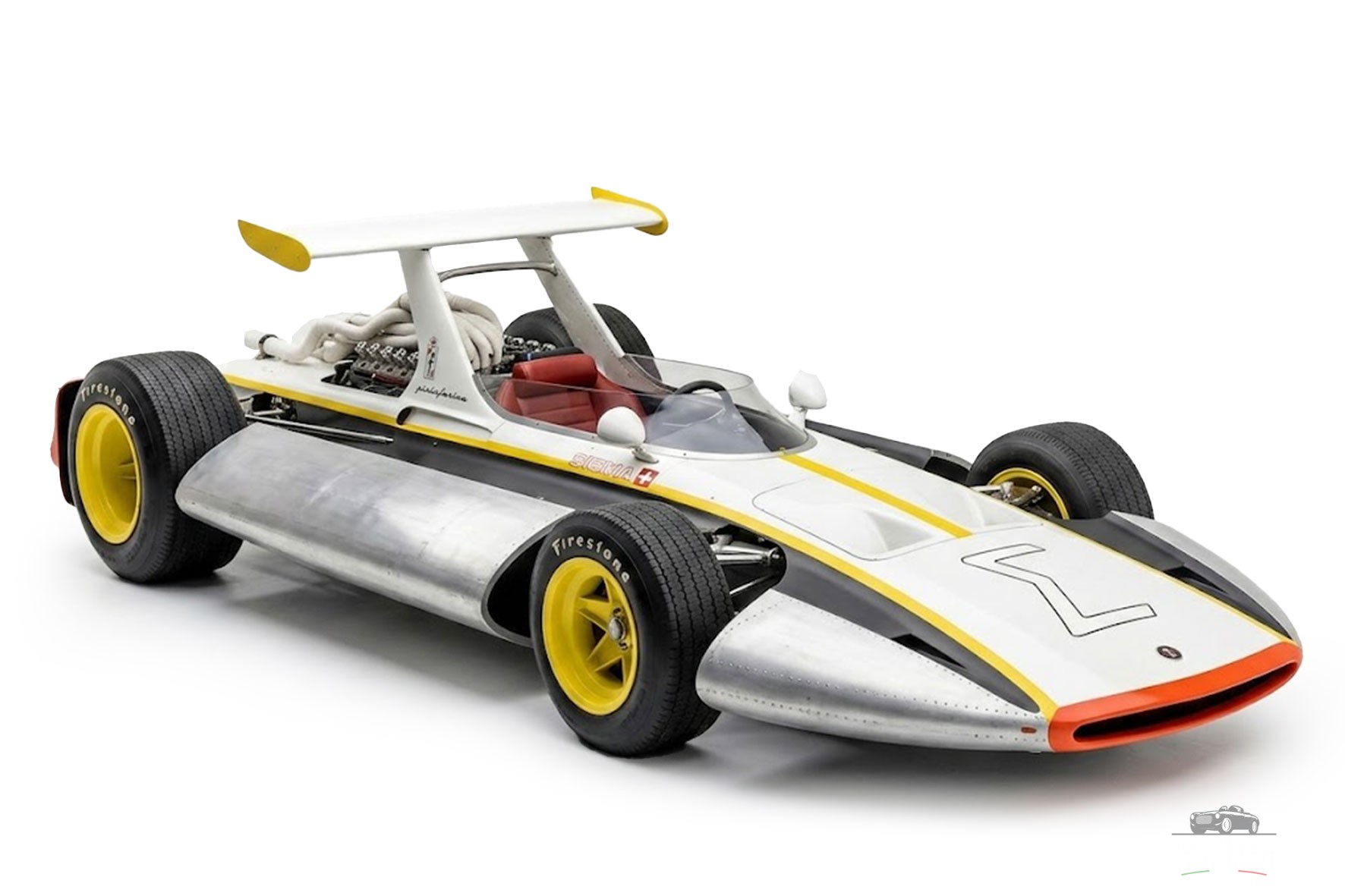
The Pininfarina Sigma Grand Prix, unveiled on 13 March 1969 in Geneva, was an innovative prototype designed not for competition in Formula One races, but as a groundbreaking study in safety standards for motorsport. The impetus for the Sigma’s creation was the alarming number of fatalities among Formula One drivers, highlighting the dire need for enhanced safety measures. This ambitious project was a collaboration between Pininfarina and Revue Automobile, with significant support from Enzo Ferrari, Fiat, and Mercedes. The name “Sigma” had historical significance for Pininfarina, harking back to an earlier experimental safety vehicle, the 1963 Pininfarina PF Sigma. The Pininfarina Sigma Grand Prix was designed by Paolo Martin, based on the Ferrari 312, and weighed in at a relatively light 590 kilograms (1,300 pounds). Under the hood, it was powered by a formidable 3.0-liter V12 engine, delivering 436 horsepower (325 kW), ensuring that it had the performance capabilities to match its innovative safety features. The Sigma was conceived as a “future car,” primarily showcasing advanced safety standards that were revolutionary for its time. Among its numerous innovations was a driver survival cell designed to protect the driver in the event of a crash. This feature has since become a standard in modern racing cars. Additionally, the Sigma was equipped with multi-layer fuel tanks and plastic fuel-tanks, designed to minimize the risk of fire upon impact. A built-in fire extinguisher system further enhanced the car’s safety credentials. Another significant safety feature was the integration of a sophisticated safety-belt system, which was not yet standard in racing cars. The car also featured sidepods that protruded behind the rear wheels, a design intended to prevent the dangerous interlocking of wheels during a collision. These sidepods were an early precursor to the aerodynamic designs seen in modern Formula One cars. The original Sigma remains in the possession of Pininfarina, serving as a testament to the company’s forward-thinking approach to automotive safety and design. Although it never competed in a race, the Sigma’s legacy lives on, influencing the safety standards and technological advancements that have become integral to modern motorsport.
IN THE ARCHIVE
02 / TECHNICAL IDENTITY
04 / INDIVIDUAL HISTORY
06 / EVENTS & AWARDS
Preserved CI 1.0 relation. Evidence field: _yoast_wpseo_primary_events. No award inferred.
07 / THE VEHICLE IN DETAIL
08 / FROM THE ARCHIVE
References held in the vehicle dossier. Their inclusion does not establish that every historical claim has been independently verified.
| Reference | Source type |
|---|---|
| Pininformando September 2020 — Pininfarina 90 Years / Milano AutoClassica login.pininfarina.de | Official pininfarina newsletter / event report |
10 / CONNECTED HISTORY
CONTINUE EXPLORING
CONTINUE READING
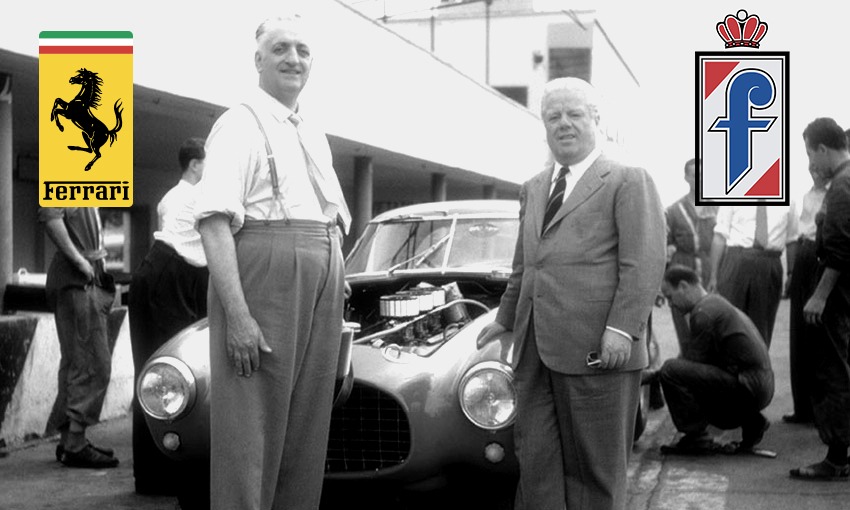
How a secret dinner, a bold promise, and a young Sergio Pininfarina led to six decades of Ferrari design greatness. This is the origin story every gearhead needs.
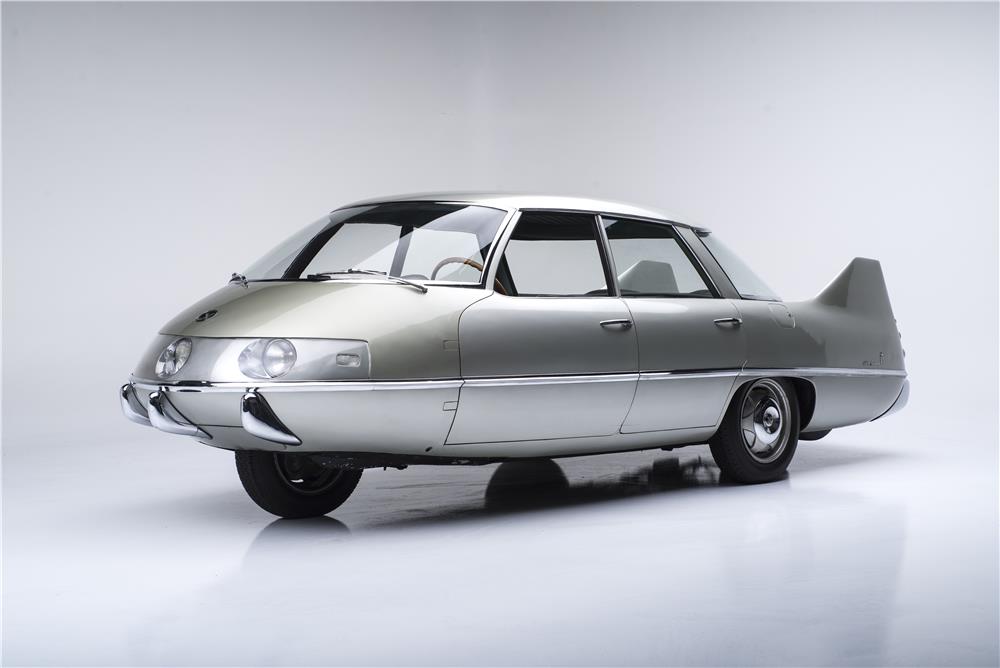
Read storyPininfarina, the venerable Italian design house, has left an indelible mark on the automotive world with its avant-garde concept cars. From the iconic Ferrari Modulo to the futuristic Pininfarina X, each creation…
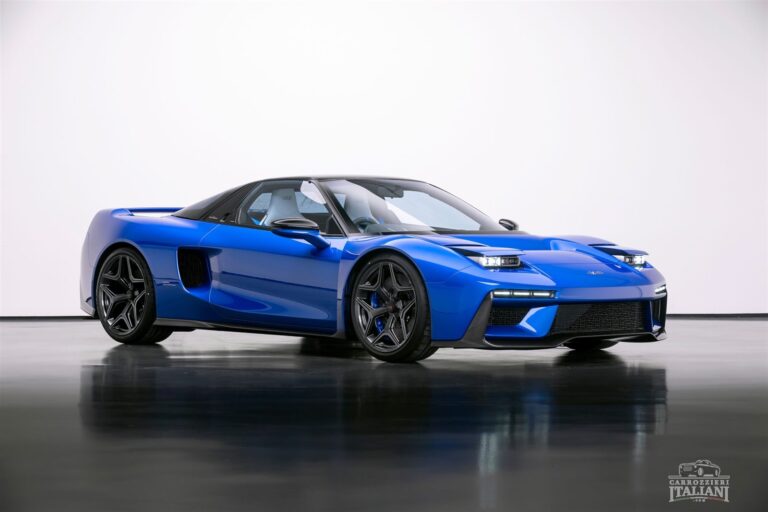
Read storyUnveiled on 8 October 2026, the JAS Tensei brings together the motorsport expertise of JAS Motorsport and the design heritage of Pininfarina, transforming the original Honda NSX into an exclusive, carbon-fibre-bodied supercar.…
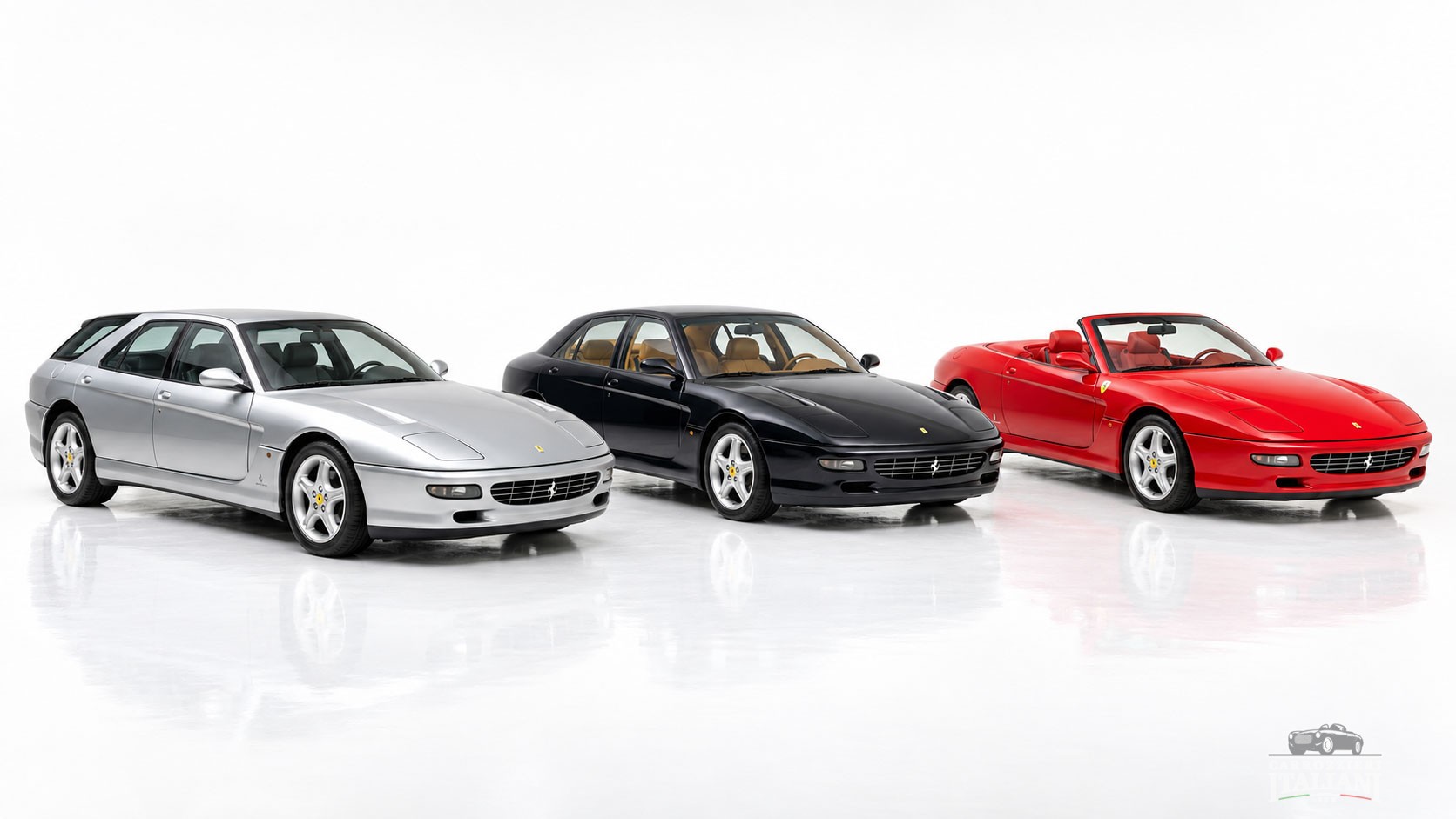
Read storyEstate, Saloon and Spider variants, Paolo Garella’s engineering role and the chassis currently documented by Carrozzieri-Italiani The Ferrari 456 GT was conceived as a modern return to Ferrari’s front-engined V12 2+2 tradition.…
Read story
THE CONVERSATION
Comments 0
Share a memory, a period photograph or a documented detail about this car.