
THE VEHICLE AT A GLANCE
Model dossier
- Production period
- 1995
- Body style
- Hatchback
- Engine
- 3-cylinder petrol
- Type
- Concept
- Production
- 1
THE PEOPLE BEHIND THE CAR
Coachbuilding, design & conversions
PRICE & SALES RECORD
Vehicle value
- Original price
- Not documented
- Latest recorded sale
- Not documented
01 / THE STORY
History & context
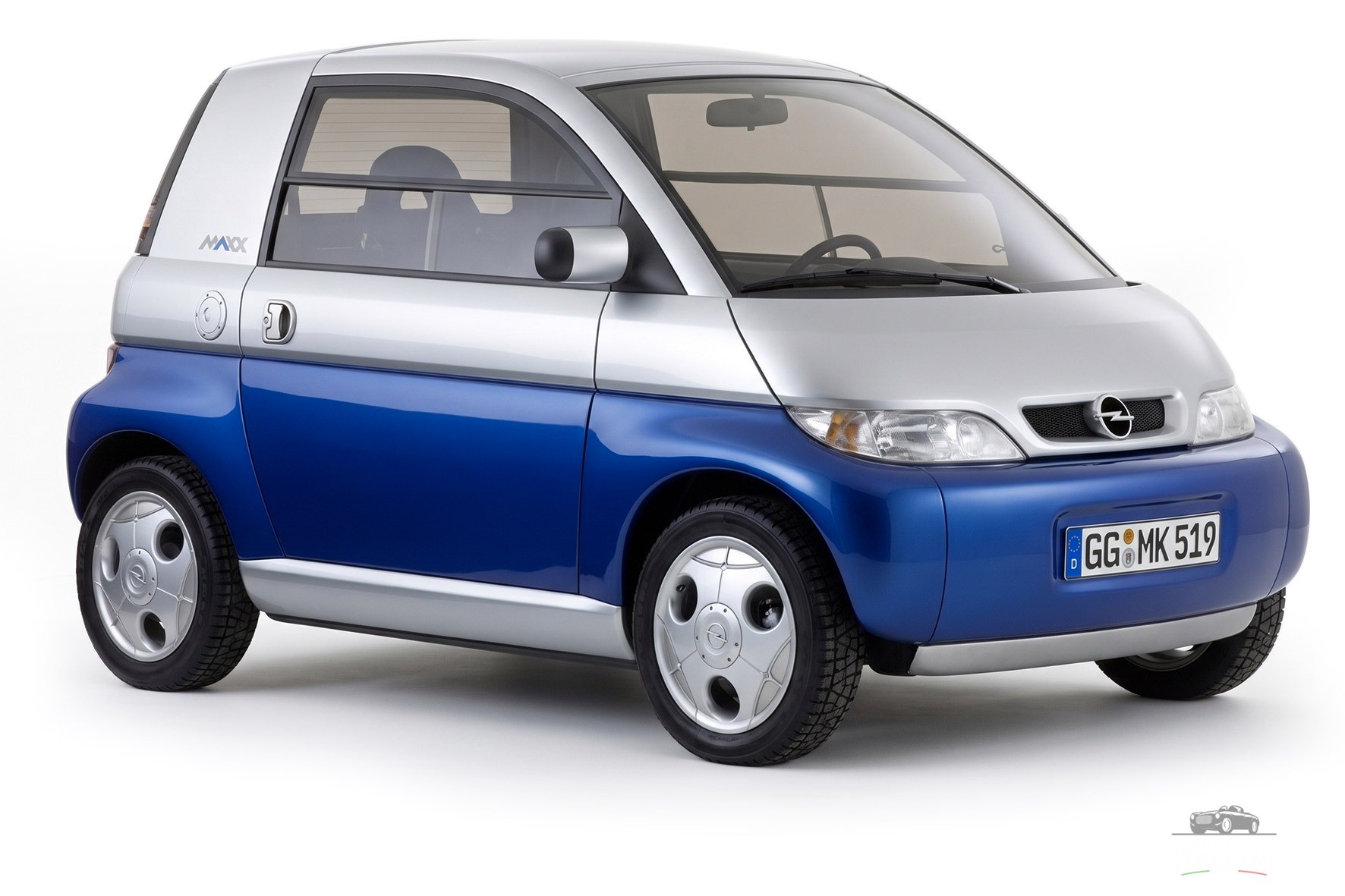
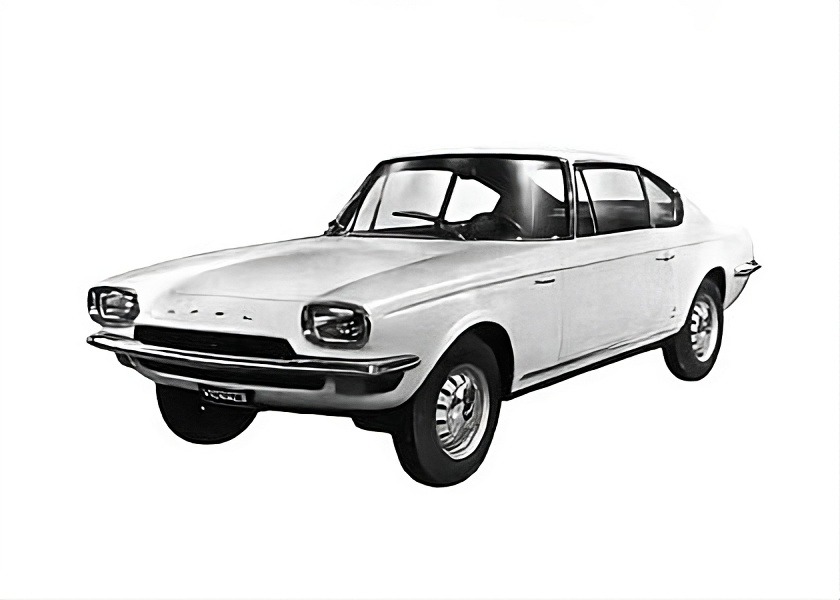
The Opel Maxx, unveiled at the 1995 Geneva Motor Show, was a forward-thinking concept car built by Bertone, exemplifying innovative design and engineering for city cars of its time. Powered by a three-cylinder gasoline engine, the Maxx was ahead of its era, embodying features and materials that promised efficiency and sustainability. The Opel Maxx stood out not only for its compact and practical design but also for its advanced use of materials. Unlike conventional cars of its time, which predominantly used steel, the Maxx’s body was constructed from aluminum sheet metal. This choice was pivotal in reducing the car’s overall weight and enhancing its modularity. The aluminum panels were meticulously welded together to form a robust cell structure. This structural cell was partially exposed, adding to the car’s unique aesthetic, and was integrated with the aluminum chassis. This innovative approach significantly contributed to the vehicle’s lightweight design, ensuring the Maxx weighed no more than 650 kg in running order. The Maxx’s lightweight construction had multiple benefits. It not only improved fuel efficiency but also contributed to better handling and performance, making it an ideal candidate for city driving. The reduction in weight allowed the three-cylinder engine to deliver adequate power while maintaining low emissions and fuel consumption, aligning with the increasing environmental concerns of the 1990s. Opel’s announcement at the Geneva Motor Show included intentions to bring the Maxx to market, highlighting its potential as a practical and sustainable urban vehicle. The concept generated significant interest due to its innovative design and forward-thinking engineering. However, despite the excitement and anticipation, the Maxx never made it to production. The Opel Maxx remains a significant example of automotive innovation, demonstrating how advanced materials and design can contribute to creating efficient and environmentally friendly vehicles. Its legacy continues to influence modern city car designs, reflecting the ongoing pursuit of lightweight, modular, and sustainable automotive solutions.
IN THE ARCHIVE
Coachbuilders & design studios
02 / TECHNICAL IDENTITY
Specifications & construction
Production & construction
- Production
- 1
- Production type
- Concept
- Production notes
- Official Opel history establishes the 1995 MAXX project and Geneva debut; CarStyling independently attributes design/build execution to Bertone. Preserve Opel as manufacturer/project owner and Bertone as concept design/prototype builder. NO_AUTO_INHERIT.
Engine & performance
- Engine configuration
- 3-cylinder petrol
- Specification notes
- Opel/Stellantis primary history confirms MAXX as the 1995 Geneva urban-car concept that debuted Opel's new naturally aspirated three-cylinder petrol engine. The cited primary release does not state a MAXX-specific displacement/output here, so secondary figures are not promoted.
Design & manufacture
- Coachbuilder / Body Builder · Documented
- Bertone
- Manufacturer · Documented
- Opel
06 / EVENTS & AWARDS
Events & awards
No events or documented awards are currently recorded for this vehicle.
07 / THE VEHICLE IN DETAIL
Photo gallery 4 photographs
08 / FROM THE ARCHIVE
Archive
References held in the vehicle dossier. Their inclusion does not establish that every historical claim has been independently verified.
| Reference | Source type |
|---|---|
| Opel / Stellantis Media — 30 Years Ago: MAXX Concept www.media.stellantis.com | Manufacturer official history |
| CarStyling — 1995 Opel Maxx (Bertone) www.carstyling.ru | Specialist design archive |
THE CONVERSATION
Comments 0
Share a memory, a period photograph or a documented detail about this car.