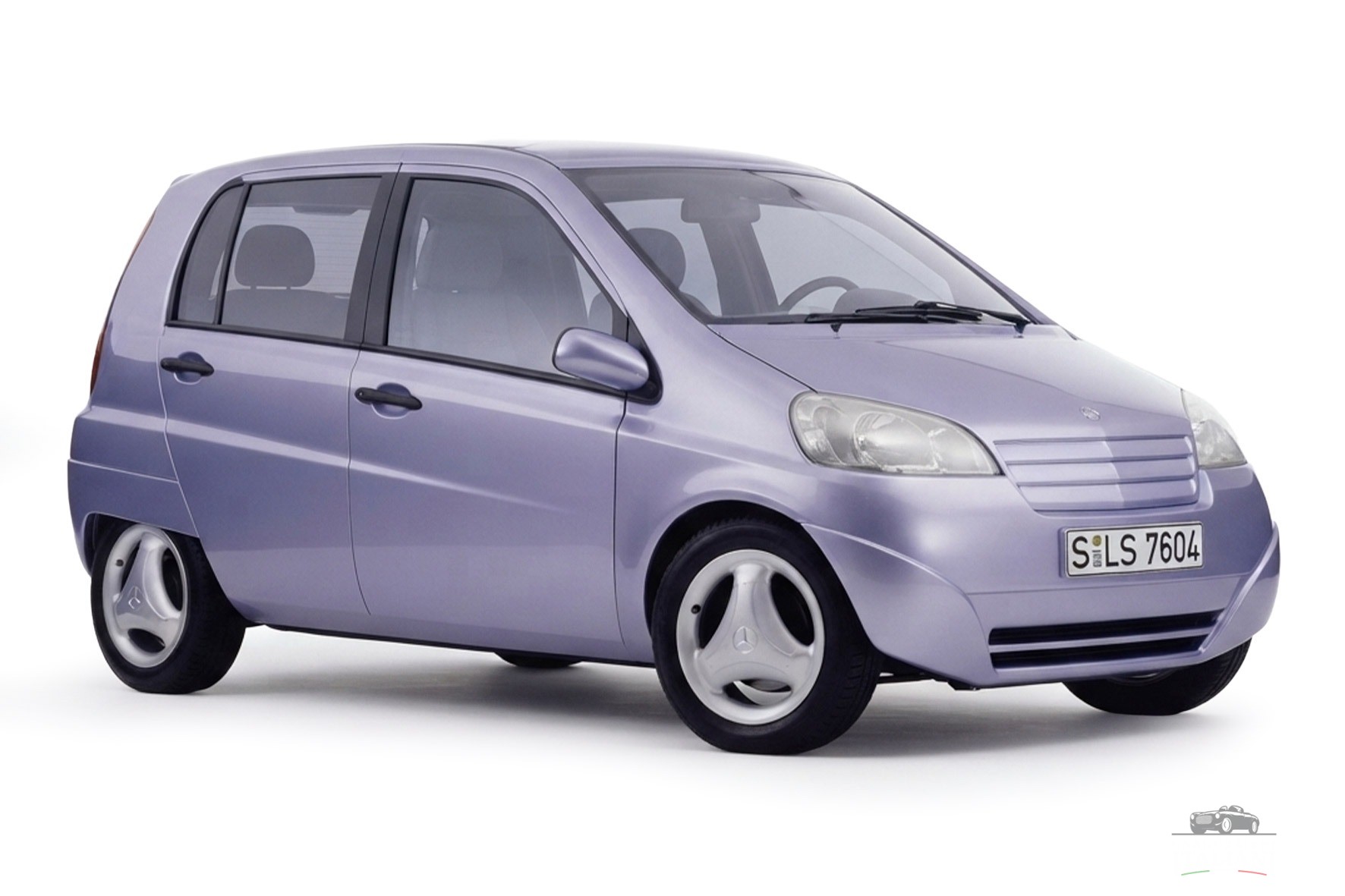

I.DE.A Institute
Design Studio / Engineering / Prototype builder · Documented
64 linked vehicles
Explore record ↗
1993
THE VEHICLE AT A GLANCE
THE PEOPLE BEHIND THE CAR
Design Studio / Engineering / Prototype builder · Documented
64 linked vehicles
Explore record ↗PRICE & SALES RECORD
01 / THE STORY
The Mercedes-Benz Vision A 93 marked a significant turning point for the brand, showcasing an advanced design direction that would redefine the company’s approach to compact vehicles. Unveiled at the Frankfurt Motor Show in 1993, the Vision A 93 was a bold departure from Mercedes-Benz’s traditional lineup, embodying the motto “Rethinking the car.” This concept car was a compact, front-wheel-drive vehicle that signaled a shift towards more innovative and versatile automotive solutions. Developed and built by the I.DE.A Institute, the Vision A 93 was offered in two versions: a hybrid engine model and a petrol version. Both prototypes highlighted Mercedes-Benz’s commitment to exploring new technologies and design philosophies. The reaction from the automotive world was immediate and mixed; many were surprised to see such a radical departure from Mercedes-Benz’s established image. Nevertheless, the public response was overwhelmingly positive, with 80 percent of show-goers expressing approval for the idea of a small Mercedes-Benz in the Vision A 93 mold. The concept car continued to garner acclaim when it reappeared at the 1994 Geneva Motor Show under the new name “Studie A.” It earned the title of “Best Concept Car 1994” from the American magazine “Motor Week,” reflecting the enthusiasm and support from the automotive community. This positive feedback played a crucial role in persuading the Mercedes-Benz Board of Management to greenlight production. The production version of the Vision A 93, the Mercedes-Benz A-Class, made its debut in 1998. Despite facing some initial challenges, the A-Class proved to be a significant success, paving the way for a new era of compact luxury vehicles. In 2004, the second generation, the W 169, was introduced, continuing the A-Class’s legacy and solidifying its position as a key player in Mercedes-Benz’s model range.
IN THE ARCHIVE
02 / TECHNICAL IDENTITY
06 / EVENTS & AWARDS
Preserved CI 1.0 relation. Evidence field: _yoast_wpseo_primary_events. No award inferred.
07 / THE VEHICLE IN DETAIL
08 / FROM THE ARCHIVE
References held in the vehicle dossier. Their inclusion does not establish that every historical claim has been independently verified.
| Reference | Source type |
|---|---|
| Story-Cars — 1993 Mercedes-Benz Vision A 93 by I.DE.A www.story-cars.com | Specialist automotive reference |
| Mercedes-Benz Vision A 93 historical technical summary www.carsinvasion.com | Manufacturer press material republication |
10 / CONNECTED HISTORY
CONTINUE READING
I.DE.A Institute – short for Institute of Development in Automotive Engineering – was founded in Turin, Italy in 1978 by Italian entrepreneur Franco Mantegazza together with famed architect Renzo Piano (designer of…
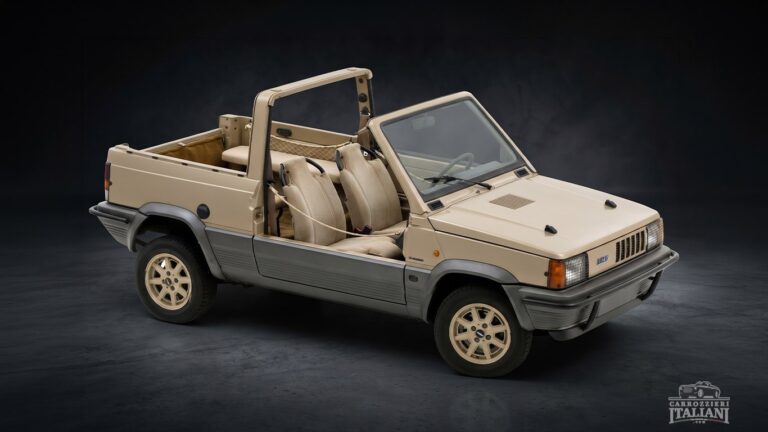
Read storyFrom Moretti’s Panda Rock to Italdesign’s experimental Strip, Maggiora’s four-wheel-drive convertible and Stola’s remarkable Destriero, the history of the open-top Panda reveals an unexpected chapter in Italian coachbuilding. When Giorgetto Giugiaro designed…
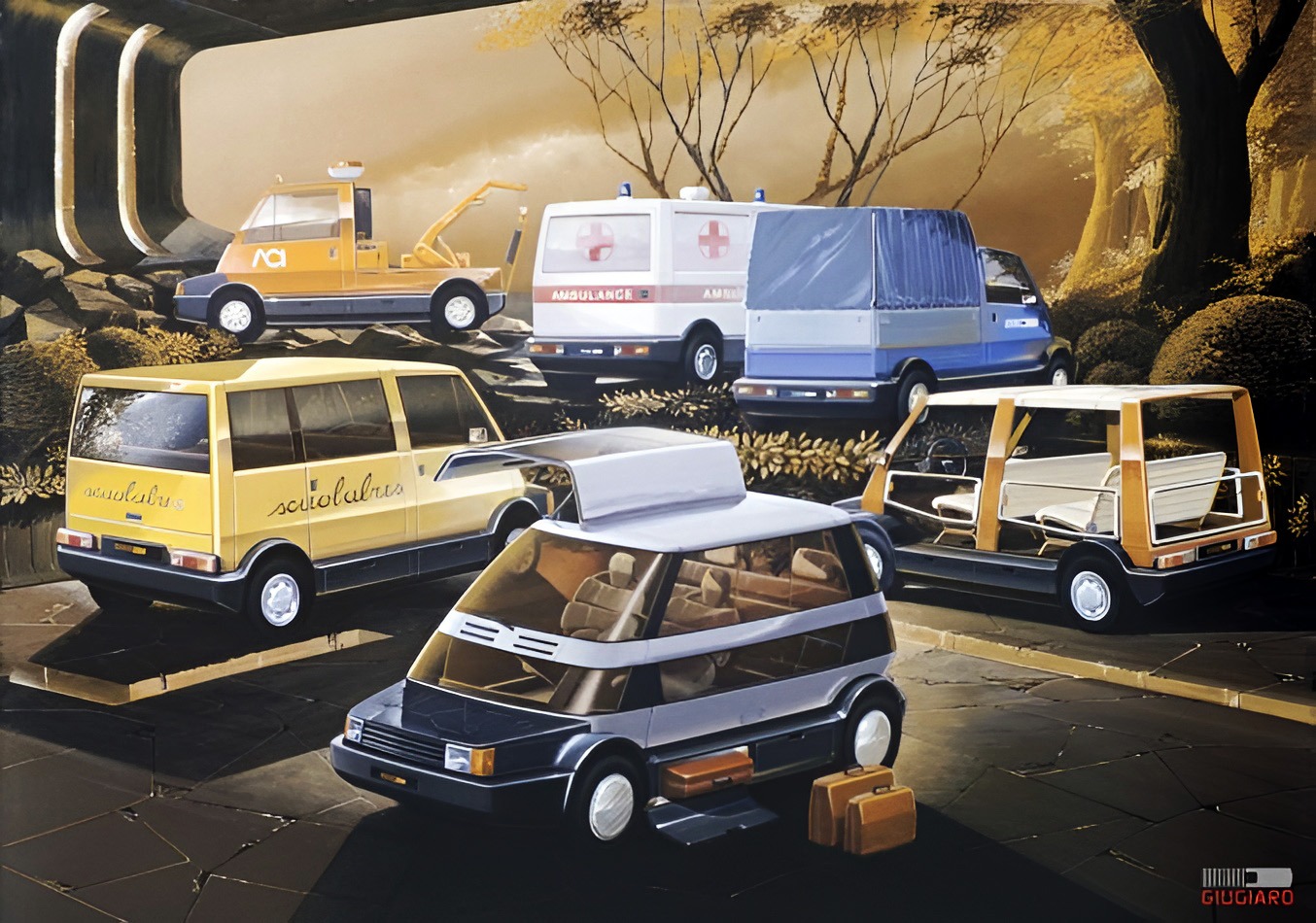
Read storyLong before MPVs filled suburban driveways, Italian designers were shaping the monovolume with prototypes that ranged from pragmatic to outright outrageous. Their work rewrote how space, style, and function could fit under…
Read storyWhen the precision of Mercedes-Benz met the artistry of Italy’s finest carrozzerie, a handful of rare machines were born—each a testament to vision, privilege, and design. From Castagna’s roaring ’20s town cars…
Read story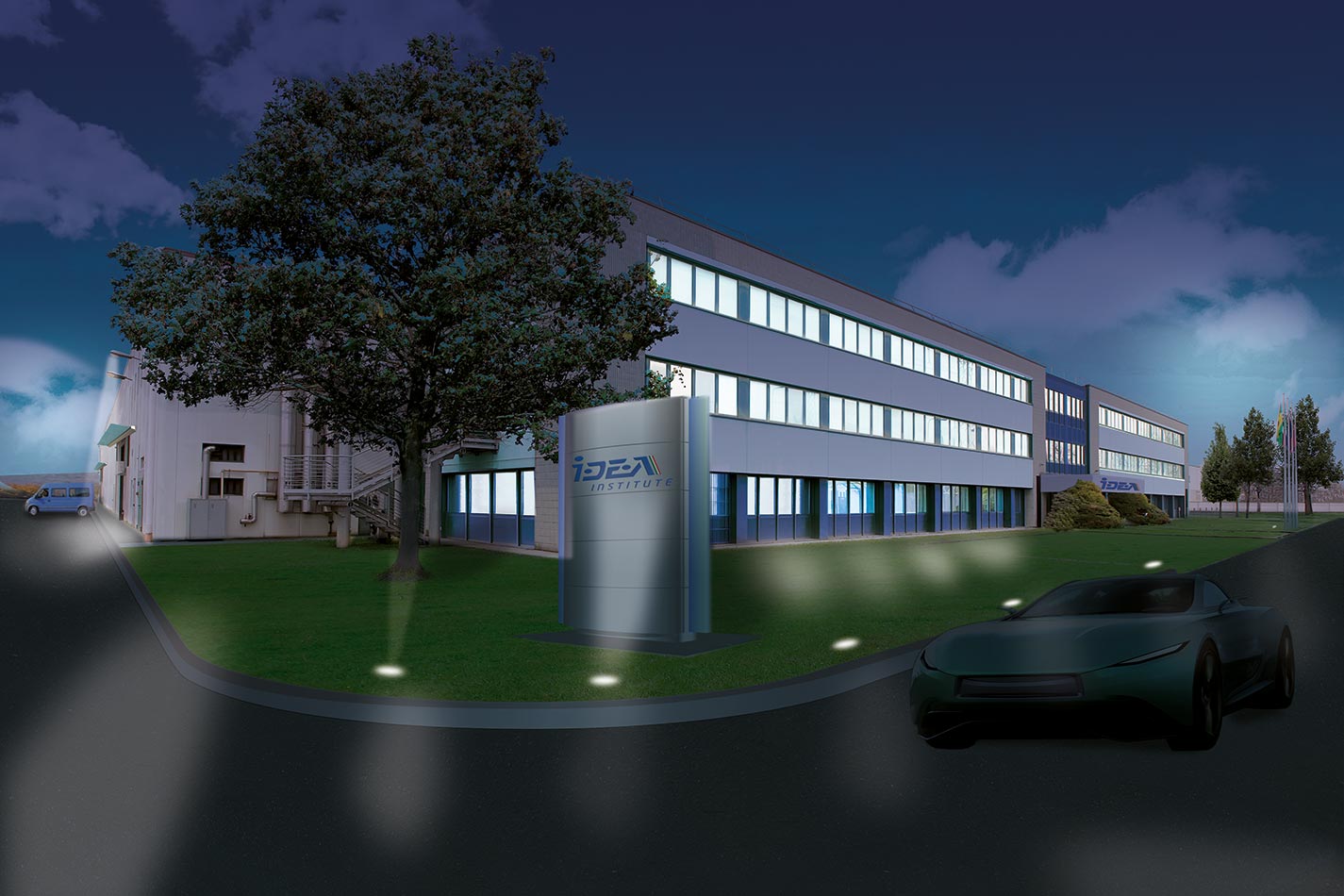
THE CONVERSATION
Comments 0
Share a memory, a period photograph or a documented detail about this car.