
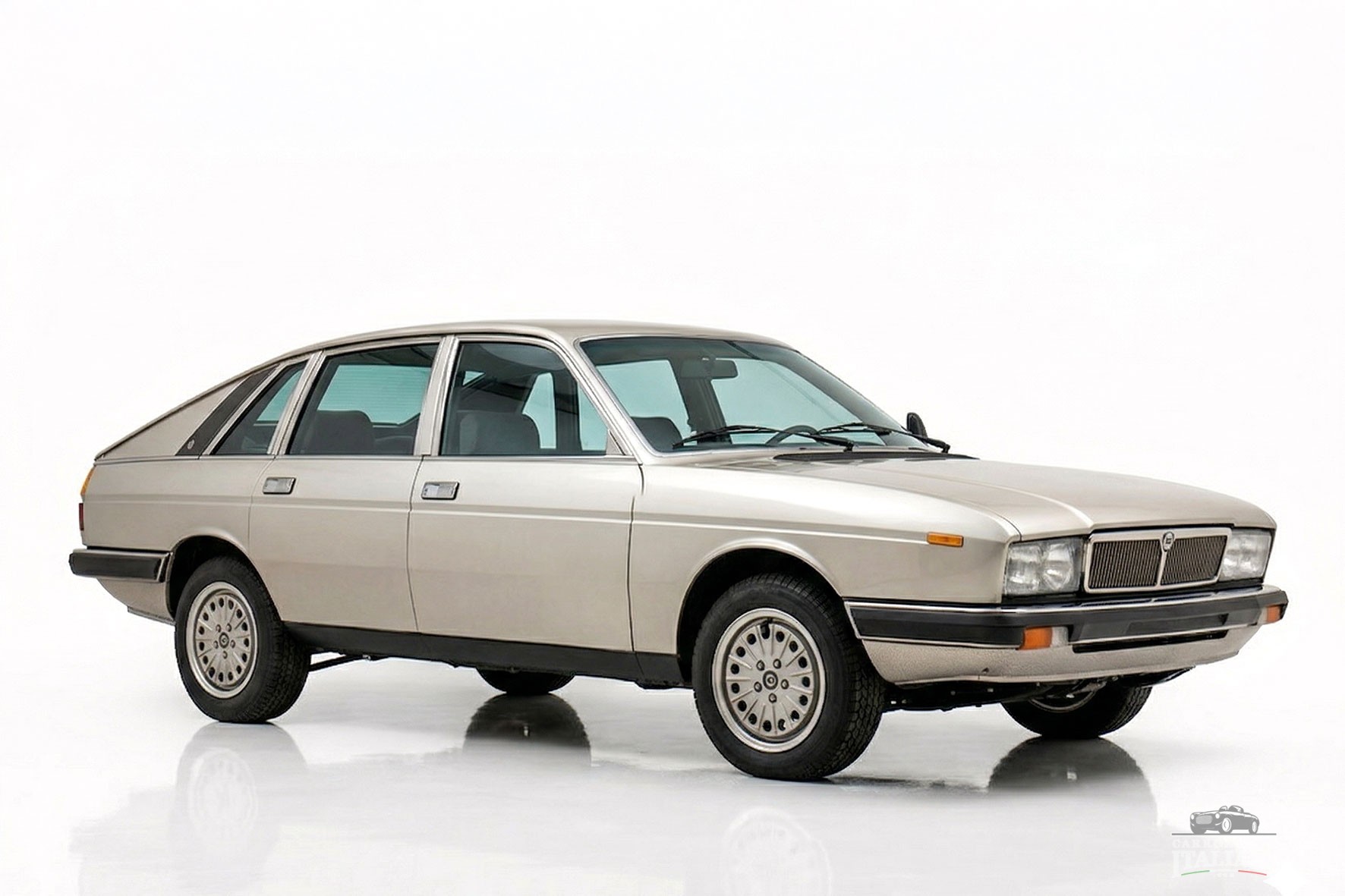
THE VEHICLE AT A GLANCE
Model dossier
- Production period
- 1976
- Body style
- Coupé / Fastback / Berlina
- Type
- Mass
- Production
- 22054
THE PEOPLE BEHIND THE CAR
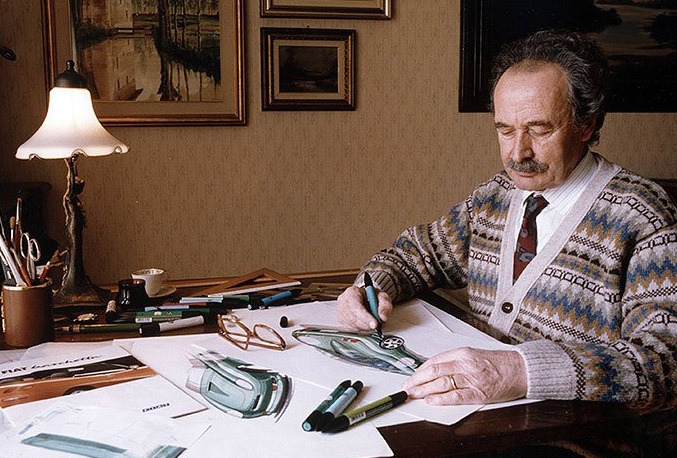
Coachbuilding, design & conversions

PRICE & SALES RECORD
Vehicle value
- Original price
- Not documented
- Latest recorded sale
- Not documented
01 / THE STORY
History & context
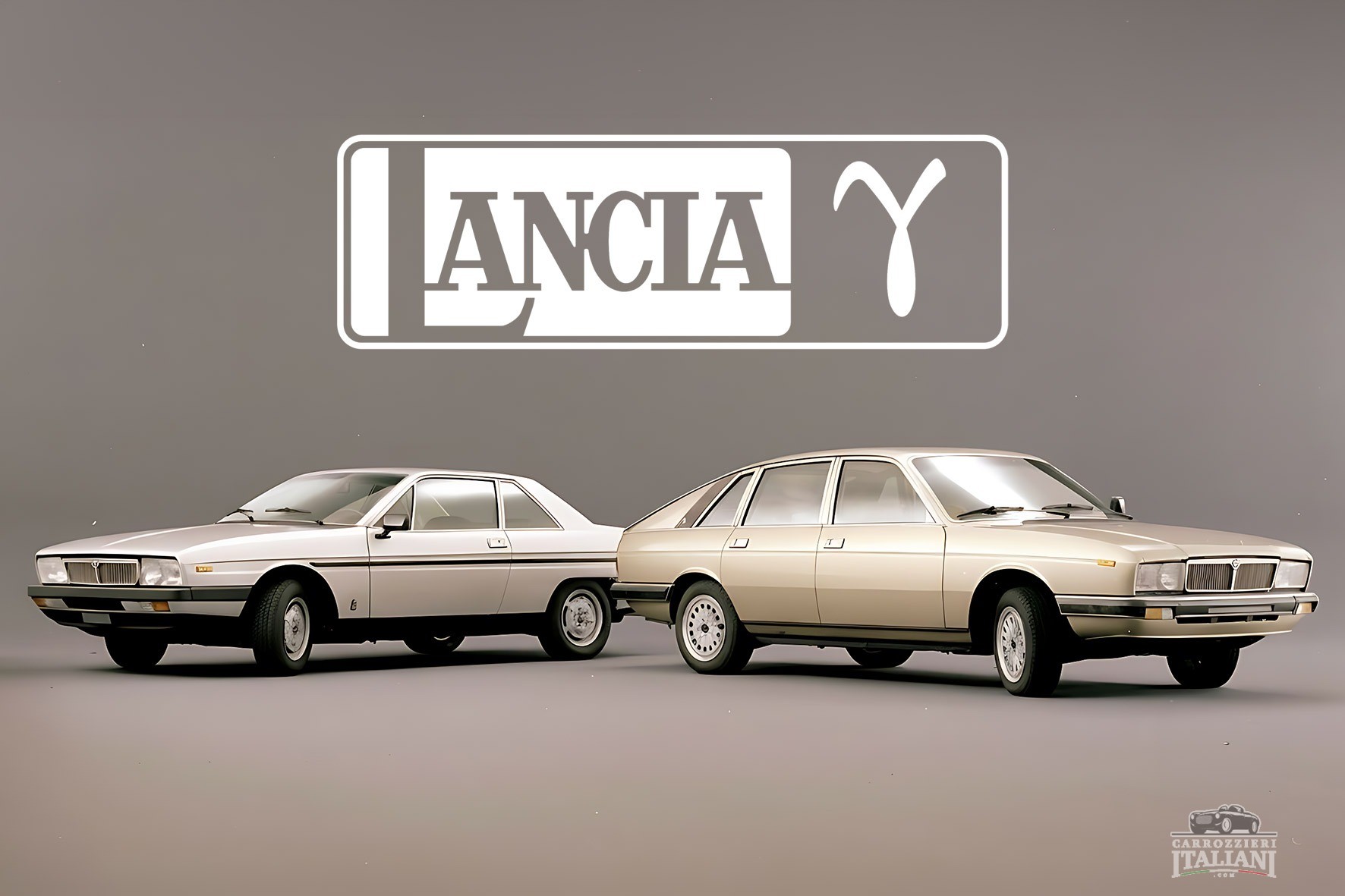
The Lancia Gamma (internal code Tipo 830), stylized as Lancia γ, was introduced by Lancia in 1976 and produced until 1984 as the company’s flagship model. Its development originated in the late 1960s, when Lancia’s presence in the upper segment declined following the withdrawal of the Lancia Flaminia and the progressive enlargement of the Lancia Flavia into the 2000. After the acquisition by Fiat, a new executive project designated Y2 was initiated to re-establish the marque in the high-end category. The engineering program evaluated several powertrain configurations, including developments of existing Lancia units and the adoption of engines from the Fiat group. The final solution consisted of a newly designed aluminium flat-four engine with overhead camshafts, derived conceptually from the Flavia architecture but extensively re-engineered. It was produced in 1999 cc and 2484 cc displacements, delivering approximately 120 hp and 140 hp respectively, with emphasis on torque at low engine speeds and smooth operation. The Gamma adopted a front-engine, front-wheel-drive layout, consistent with Lancia’s established engineering principles. The platform incorporated structural concepts developed within the Fiat-Citroën PARDEVI agreement, sharing certain design approaches with the Citroën CX while retaining independent mechanical solutions. The bodywork, designed and built by Pininfarina, featured a two-volume fastback configuration with a drag coefficient of approximately 0.37, prioritizing aerodynamic efficiency and interior accommodation. The Gamma berlina was presented at the 46th Geneva Motor Show in 1976 alongside the coupé variant, whose commercial introduction followed in 1977. Production of the first series continued until 1980, after which a revised second series introduced updates to exterior detailing, interior equipment, and mechanical systems. The principal technical modification was the adoption of Bosch L-Jetronic fuel injection on the 2.5-litre engine, while the 2.0-litre version remained carburetted for the domestic market due to taxation constraints. Manufactured at the Chivasso facility, total production amounted to 22,061 units across all versions. The model was discontinued in 1984 and replaced by the Lancia Thema.
IN THE ARCHIVE
Coachbuilders & design studios
02 / TECHNICAL IDENTITY
Specifications & construction
Production & construction
- Production
- 22054
- Production type
- Mass
Engine & performance
- Specification notes
- Generic Gamma record covers Berlina and Coupé/Fastback body forms. Legacy 4580 × 1730 × 1410 mm describes the Berlina only; it is not promoted to generic technical fields because Coupé dimensions differ.
Dimensions & accommodation
- Length
- 4,580 mm
- Width
- 1,730 mm
- Height
- 1,410 mm
Design & manufacture
- Manufacturer · Documented
- Lancia
- Coachbuilder / Body Builder · Documented
- Pininfarina
06 / EVENTS & AWARDS
Events & awards
No events or documented awards are currently recorded for this vehicle.
07 / THE VEHICLE IN DETAIL
Photo gallery 1 photographs
08 / FROM THE ARCHIVE
Archive
References held in the vehicle dossier. Their inclusion does not establish that every historical claim has been independently verified.
| Reference | Source type |
|---|---|
| Stellantis Heritage — Lancia Gamma: 50 anni di eleganza e innovazione dell’ammiraglia torinese www.media.stellantis.com | Manufacturer heritage official |
THE CONVERSATION
Comments 0
Share a memory, a period photograph or a documented detail about this car.