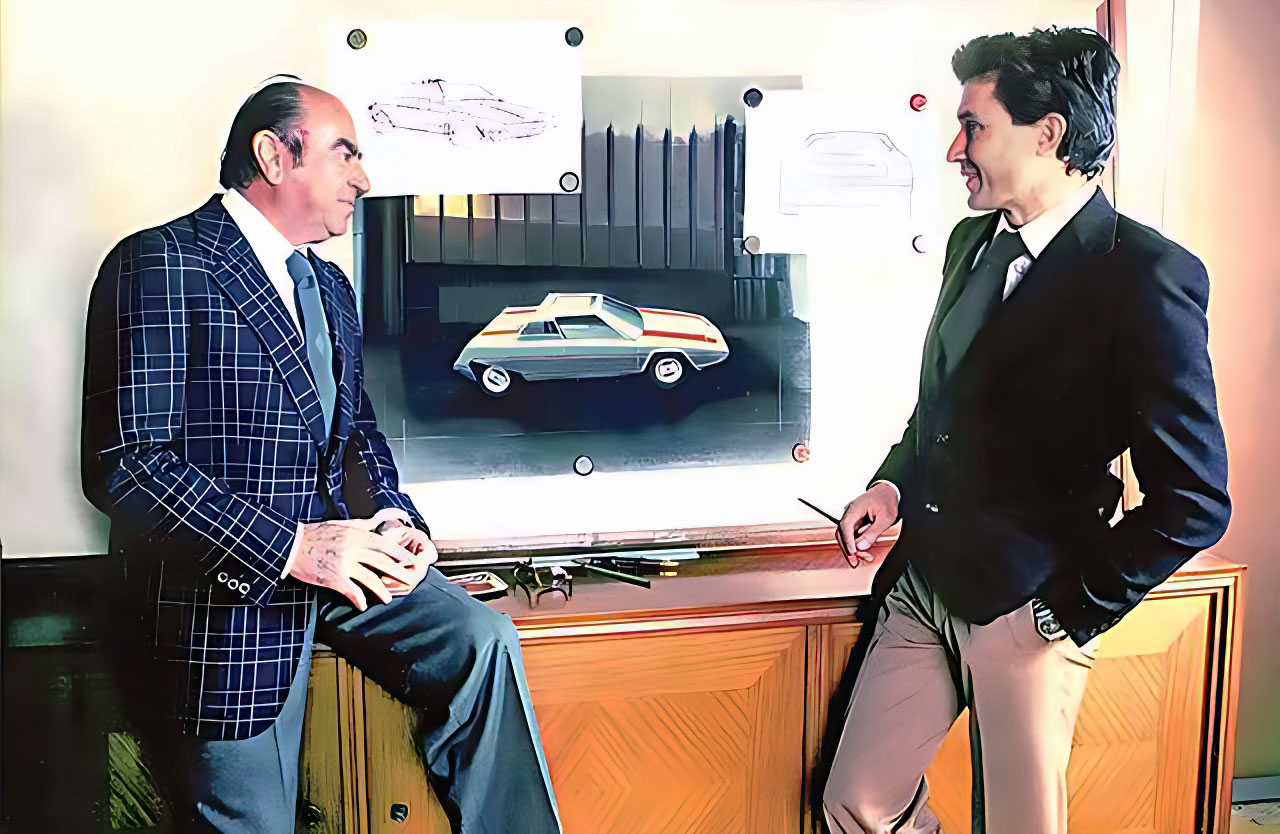
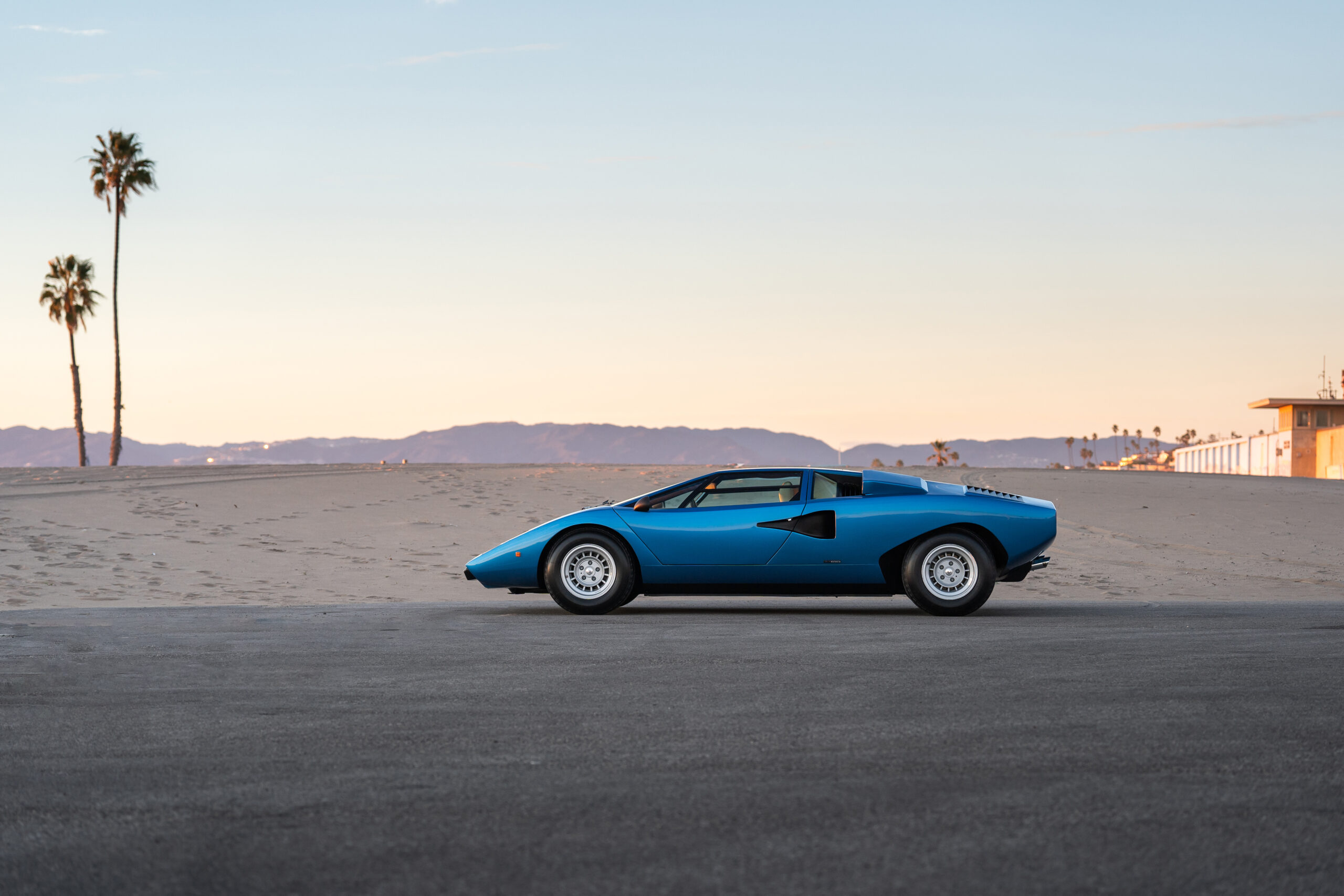
The Lamborghini Diablo stands as an iconic creation by the revered Italian automaker Lamborghini, produced between 1990 and 2001. Its name, Diablo, chosen through a vote among Lamborghini employees, stays true to Lamborghini’s tradition of drawing inspiration from the world of bullfighting, referencing the legendary El Diablo (The Devil in Spanish), a fierce bull known for its epic clash with the famed torero José Lara Jiménez, also known as El Chicorro, in 1869. The inception of the Diablo project dates back to 1985 when Lamborghini enlisted engineer Luigi Marmiroli with the task of designing a successor to the celebrated Countach. Spanning five years and navigating through various phases, the project culminated in the unveiling of the Diablo in 1990. Powered by a robust 7.0-liter Ford V8 engine, the Diablo promised exhilarating performance, succeeding the Countach’s legacy with its formidable presence. Originally penned by Marcello Gandini, the Diablo’s design faced scrutiny from Chrysler managers, Lamborghini’s owners at the time. To address concerns, Gandini collaborated with Chrysler’s styling department, resulting in a design that retained elements of the iconic Countach while incorporating modern aesthetics. The Diablo boasted remarkable technical specifications, including a 5.7-liter V12 engine with four valves per cylinder and dual overhead camshafts per bank, designated as the L522. Its performance was nothing short of extraordinary, accelerating from 0 to 100 km/h in just 4.09 seconds and reaching a top speed of 325 km/h, setting new standards for production cars. Crafted with a blend of materials such as steel, aluminum, and carbon fiber composites, the Diablo’s body was a testament to Lamborghini’s commitment to both performance and aesthetics. The interior, though minimalist in its standard configuration, offered optional upgrades including a bespoke driver’s seat, rear wing, luggage set, and a luxurious Breguet clock. The Diablo’s early models featured a basic equipment package, emphasizing weight reduction and performance. Notably absent were modern conveniences like power windows and ABS brakes, reflecting Lamborghini’s focus on raw driving experience over luxury amenities. Despite its initial quirks and challenges, the Lamborghini Diablo’s legacy endures as a symbol of automotive excellence, blending breathtaking performance with timeless design to captivate enthusiasts for generations to come.


THE CONVERSATION
Comments 0
Share a memory, a period photograph or a documented detail about this car.