
THE VEHICLE AT A GLANCE
Model dossier
- Production period
- 1999
- Body style
- Station Wagon / Berlina
- Type
- Mass
THE PEOPLE BEHIND THE CAR
Coachbuilding, design & conversions

PRICE & SALES RECORD
Vehicle value
- Original price
- Not documented
- Latest recorded sale
- Not documented
01 / THE STORY
History & context
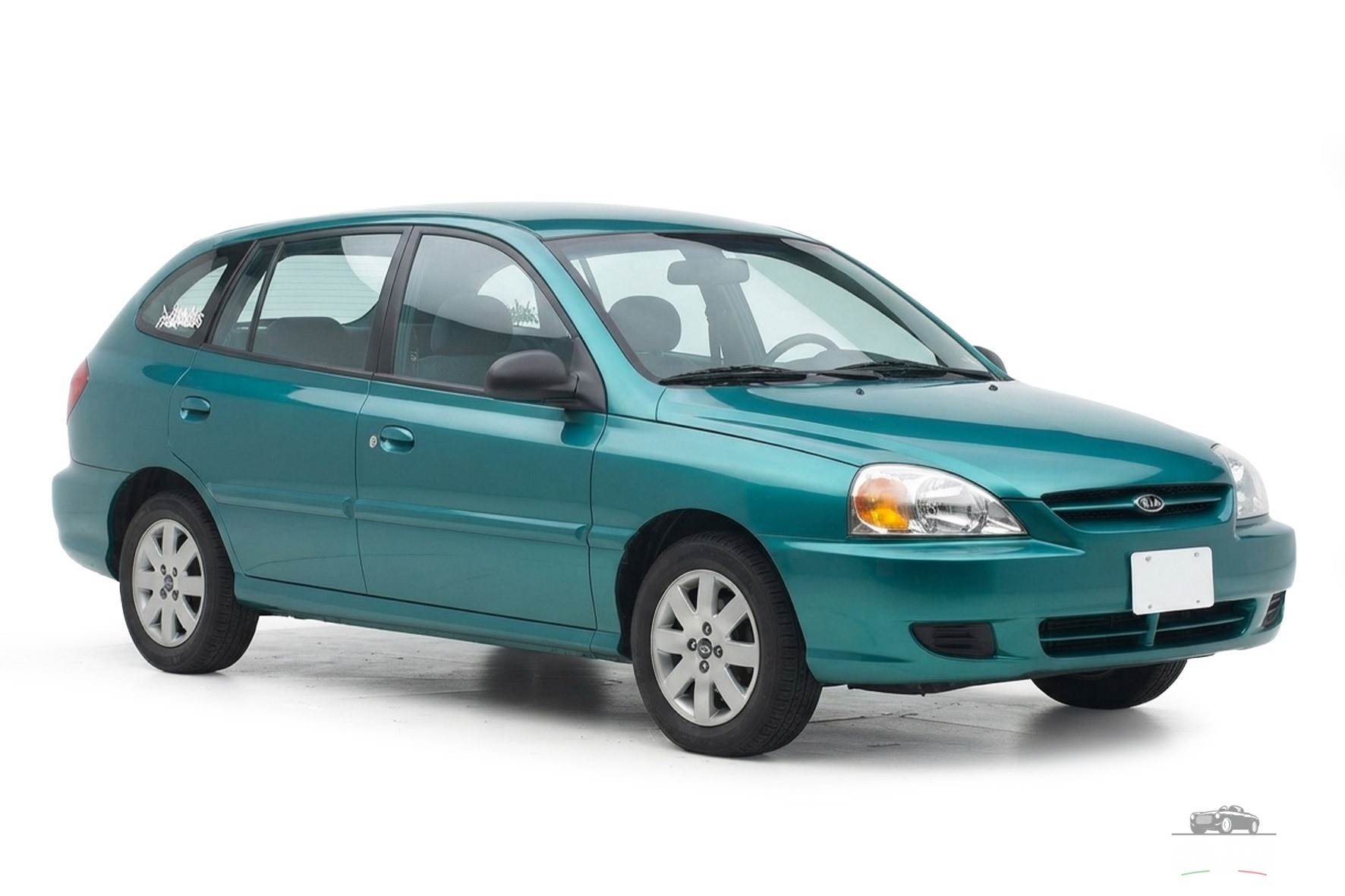
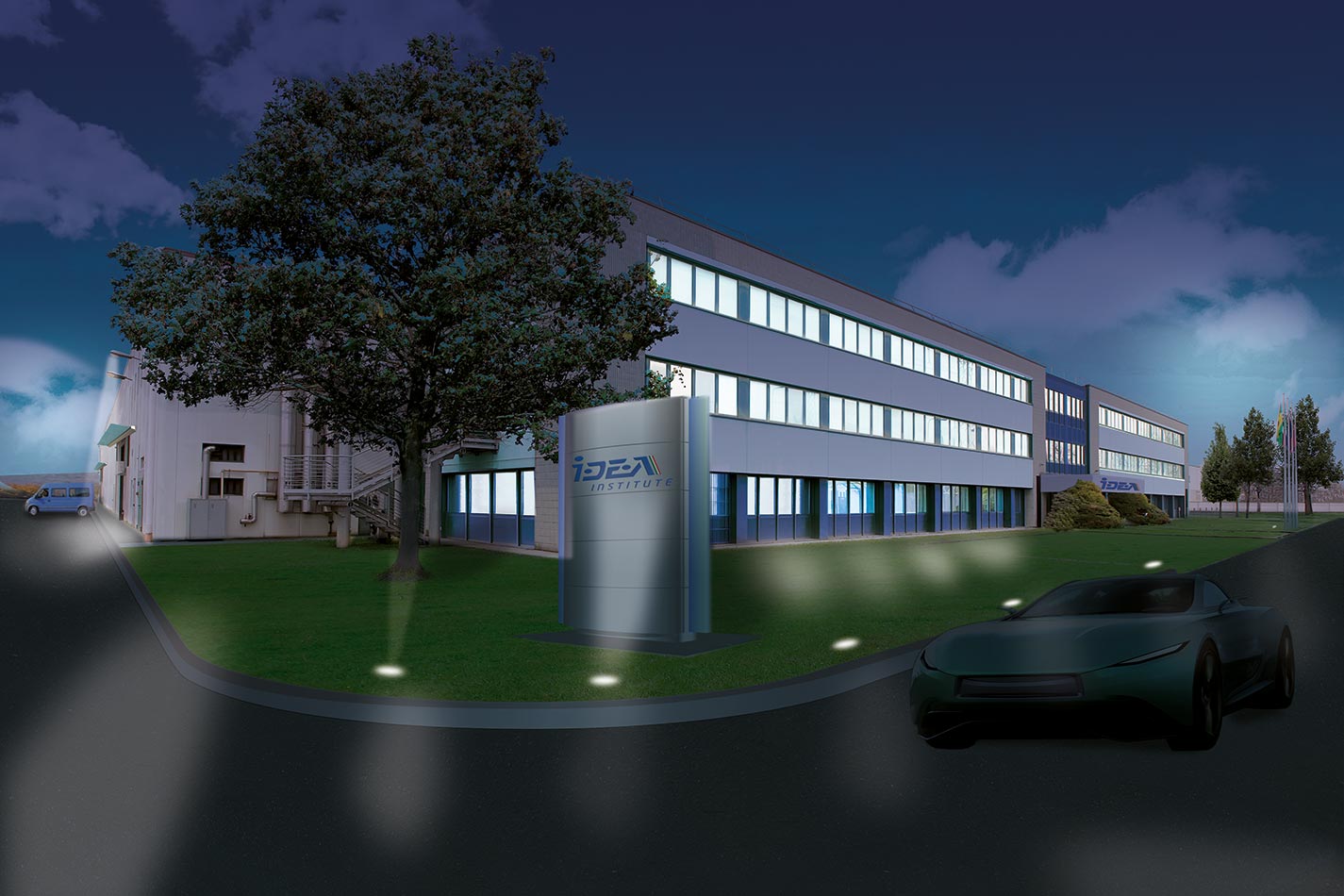
The first-generation Kia Rio Wagon, introduced in 2000, was designed by the Italian automotive design firm I.DE.A Institute. This collaboration marked an important step for Kia, which sought to expand its global presence with vehicles that combined affordability with contemporary European design influences. The Rio Wagon was the estate version of the first-generation Kia Rio sedan, and it was primarily aimed at international markets, including Europe and North America. I.DE.A Institute’s design for the Rio Wagon emphasized practicality and simplicity, with a clean and understated exterior that followed the compact proportions of the base sedan. The wagon body style extended the rear section to offer a larger cargo area, making it a more versatile option for buyers in need of extra space. The roofline was gently elongated without compromising the car’s compact footprint, contributing to a silhouette that was both functional and cohesive. The interior followed a similar philosophy, with straightforward ergonomics and a focus on usability. While materials and finishes were basic, the cabin offered adequate space for five occupants and a flexible cargo compartment. The rear seats could be folded to increase load capacity, highlighting the car’s practical orientation. Under the hood, the Rio Wagon was typically powered by a 1.3- or 1.5-liter inline-four engine, depending on the market, paired with either a five-speed manual or a four-speed automatic transmission. These powertrains prioritized fuel efficiency and low running costs, aligning with the model’s positioning as an entry-level compact car. The I.DE.A Institute’s influence was evident in the Rio Wagon’s balanced proportions and unpretentious styling, qualities that helped it stand out in a segment often defined by utilitarian design. Although the vehicle was not a major commercial breakthrough, it served as a functional and cost-effective solution for small families and budget-conscious drivers.
IN THE ARCHIVE
Coachbuilders & design studios
02 / TECHNICAL IDENTITY
Specifications & construction
Production & construction
- Production type
- Mass
Engine & performance
- Drive
- Front-wheel drive
- Specification notes
- TECH 2026-09-21 — first-generation Rio sedan and 5-door/wagon-hatchback catalogues share front-wheel drive. FWD is structured as the family invariant; dimensions and engines remain body/market/version level.
Design & manufacture
- Design Studio / Engineering · Documented
- I.DE.A Institute
- Manufacturer · Documented
- Kia
06 / EVENTS & AWARDS
Events & awards
No events or documented awards are currently recorded for this vehicle.
07 / THE VEHICLE IN DETAIL
Photo gallery
No publishable photographs are currently catalogued for this vehicle.
08 / FROM THE ARCHIVE
Archive
References held in the vehicle dossier. Their inclusion does not establish that every historical claim has been independently verified.
| Reference | Source type |
|---|---|
| AutoMotoKlassik – first-generation Kia Rio www.automotoklassik.pl | Automotive press |
| Kia Rio catalog archive oldcar-korea.tistory.com | Period catalog archive |
| Automobile-Catalog — first-generation Kia Rio sedan/hatchback www.automobile-catalog.com | Specialist period catalogue reference |
THE CONVERSATION
Comments 0
Share a memory, a period photograph or a documented detail about this car.