
THE VEHICLE AT A GLANCE
Model dossier
- Production period
- 1977
- Body style
- Hatchback
- Engine
- V12
- Type
- Concept
THE PEOPLE BEHIND THE CAR
Coachbuilding, design & conversions


PRICE & SALES RECORD
Vehicle value
- Original price
- Not documented
- Latest recorded sale
- Not documented
01 / THE STORY
History & context
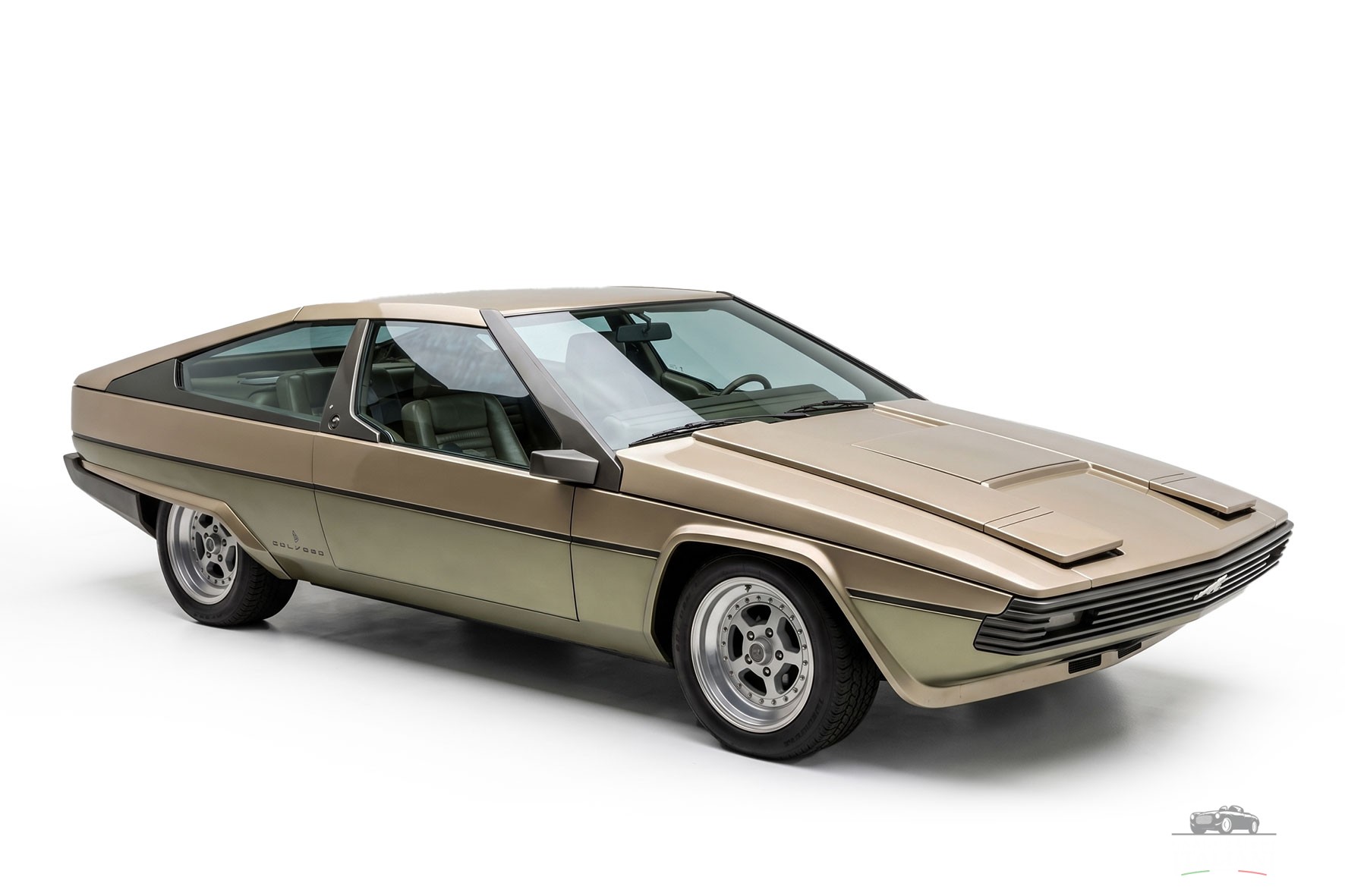
The Jaguar Ascot was based on the XJ-S platform with a V12 engine, and was presented by Bertone at the 1977 Geneva Auto Show. Typical 70s wedge shaped design with hard edges gave a sneak preview to the modern day 5 door coupés which became so popular some 30 years later. The Jaguar Ascot was unveiled by Bertone in 1977. Marcello Gandini was clearly in love with straight lines throughout the 1970s, because with his designs there wasn’t a curve in sight. If you had to hazard a guess as to what it was based on the chances are that you’d never guess it was the Jaguar XJ-S, and borrowed heavily from the style of Bertone’s Ferrari-based 308GT Rainbow from the previous year. As a result the Jaguar Ascot packed a 5.3-litre V12, there was hatchback practicality and an interior swathed in suede that looked nothing like the Jaguar offering. Creating a concept car based on Jaguars had always been very difficult, mainly because the Coventry cars had such a strong personality that whenever you strayed too far from the cars that came before, you risked losing that essence that made a Jaguar a Jaguar. Bertone, at that time, was in love with the wedge shape and applied the same pattern of styling and of to everything he produced. In 1977, designer Marcello Gandini was also in his prime for wedge lines, having designed the Alfa Romeo Carabo, the Lancia Stratos Zero, and the Lamborghini Countach. He thus tried to apply his signature style to a four-seat Jaguar coupe; the result was the Ascot. The Ascot was based on the shortened platform of the XJ-S. The concept, which had right-hand drive, featured Jaguar’s 5.3-liter V12 engine and automatic transmission. Compared to the basic XJ-S, the Jaguar Ascot was lighter, thanks to aluminum construction; it also had a hatchback styling with a tailgate, just as in the classic E-type. It sported a full-width front grille with the Jaguar crest in the center. A spoiler, below the lower grille, formed a surface that ran across the front of the car and over the front wheels. The hood was H-shaped to represent the shape of the V12 underneath, and concealed a set of pop-up headlights. The rear arches were cut out, in pure Gandini style, while the angular A, B and C-pillars were contrasting colors. For its debut at the show, the car had been painted white, but at a later date it was repainted. The interior of the Jaguar Ascot was a contemporary mix of light brown leather and brown suede, including a practical compartment on each door. The instrumentation, some auxiliary dials, and the T-shaped gear selector were all borrowed from the XJ-S. However, the rectangular shape of the dashboard was conceptually specific and included the ultimate in 1970s luxury: an integrated telephone.
IN THE ARCHIVE
Related people
IN THE ARCHIVE
Coachbuilders & design studios
02 / TECHNICAL IDENTITY
Specifications & construction
Production & construction
- Production type
- Concept
Engine & performance
- Engine configuration
- V12
Design & manufacture
- Coachbuilder / Body Builder · Documented
- Bertone
- Designer · Documented
- Marcello Gandini
- Manufacturer · Documented
- Jaguar
04 / INDIVIDUAL HISTORY
Chassis & provenance
Ownership & provenance
- Ownership & history · Legacy attribution
- Car Collection
06 / EVENTS & AWARDS
Events & awards
No events or documented awards are currently recorded for this vehicle.
07 / THE VEHICLE IN DETAIL
Photo gallery 11 photographs
Show 5 more photographs Show fewer photographs
08 / FROM THE ARCHIVE
Archive
References held in the vehicle dossier. Their inclusion does not establish that every historical claim has been independently verified.
| Reference | Source type |
|---|---|
| https://carolinajaguarclub.com/project/jaguar-ascot-concept-2/ carolinajaguarclub.com | External url |
THE CONVERSATION
Comments 0
Share a memory, a period photograph or a documented detail about this car.