
THE VEHICLE AT A GLANCE
Model dossier
- Production period
- 1958
- Body style
- Station Wagon
- Type
- Prototype
- Production
- 1
THE PEOPLE BEHIND THE CAR
Coachbuilding, design & conversions

PRICE & SALES RECORD
Vehicle value
- Original price
- Not documented
- Latest recorded sale
- Not documented
01 / THE STORY
History & context
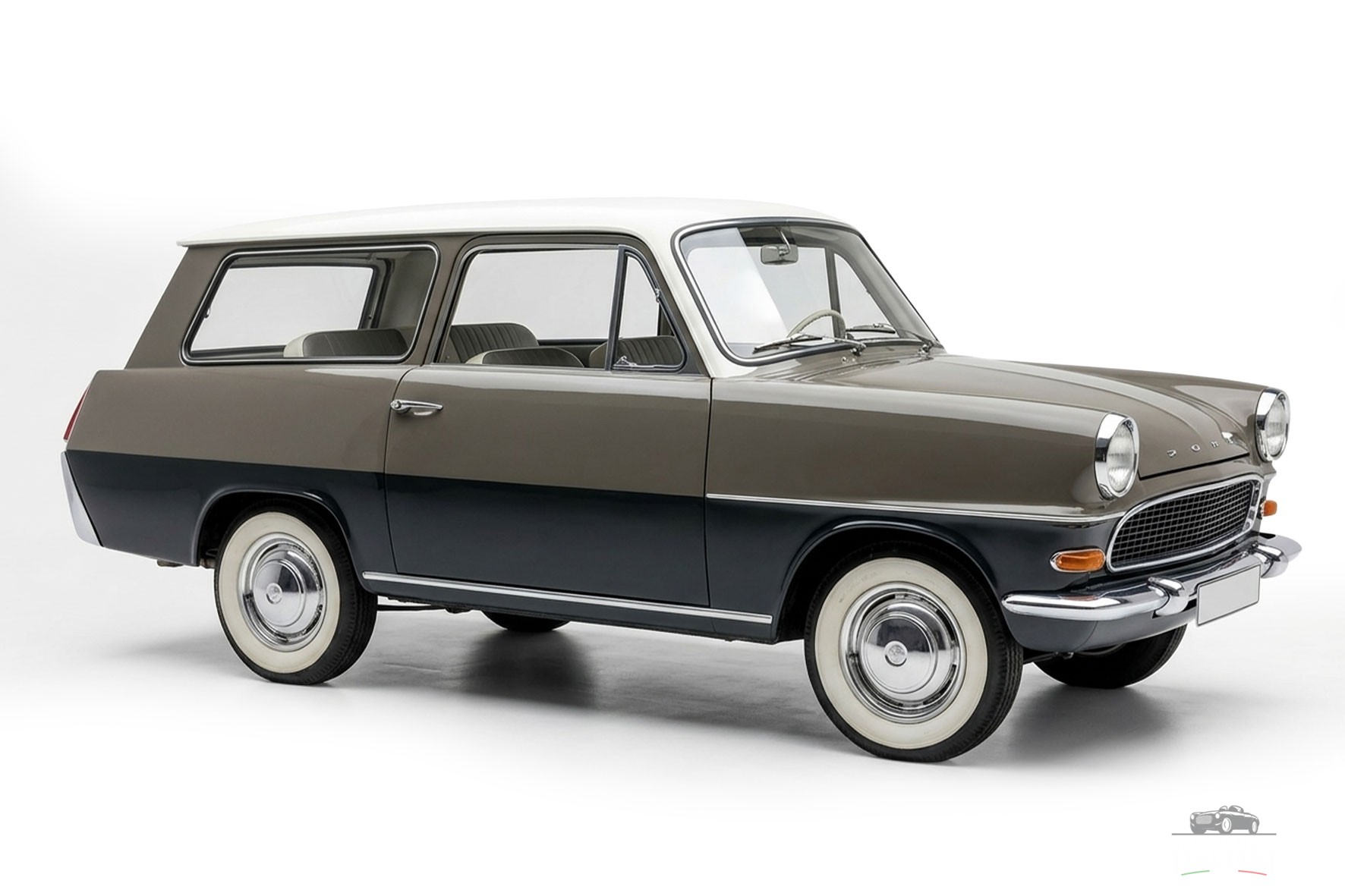
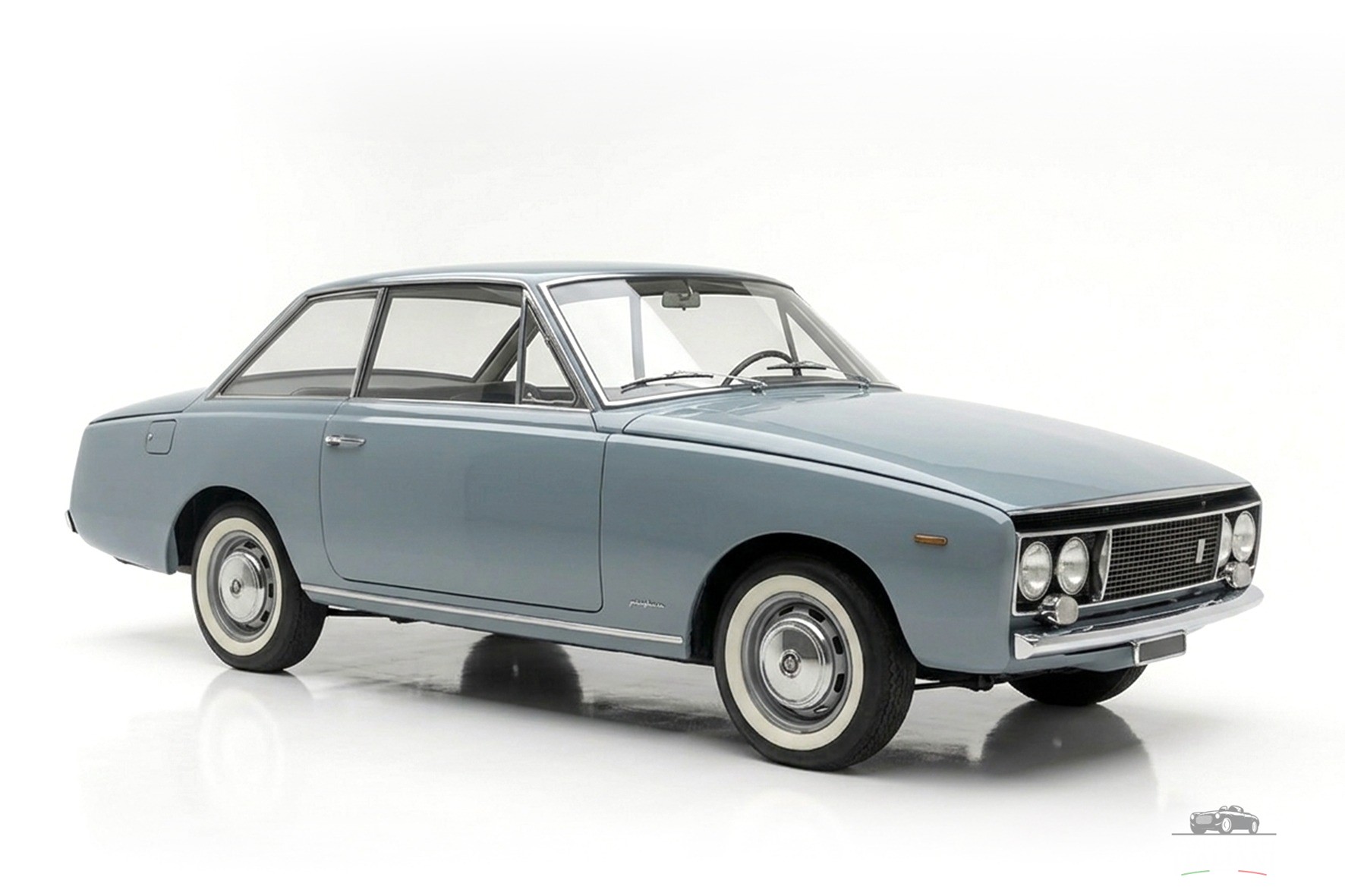
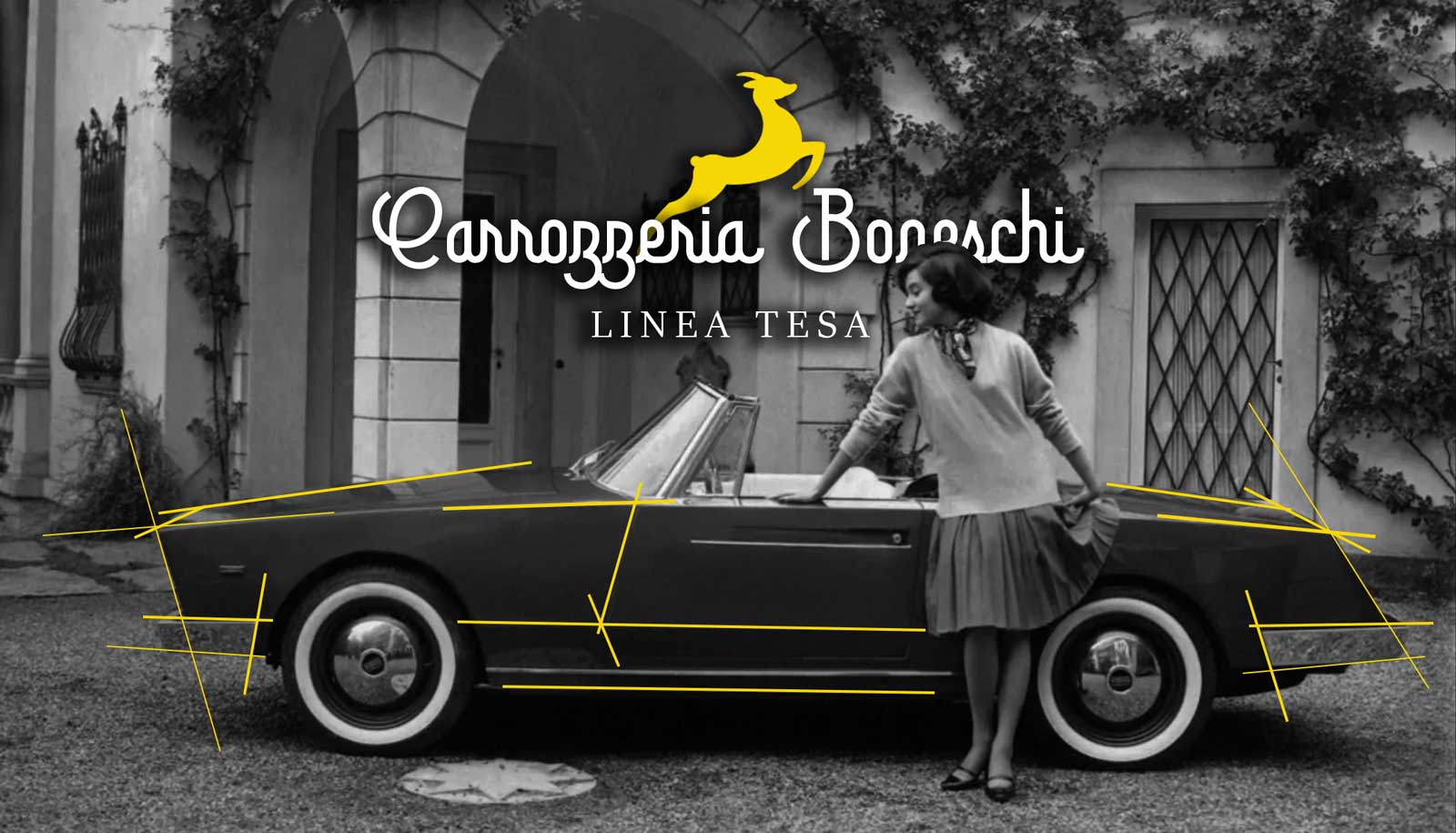
The Innocenti Goggomobil Weekend by Carrozzeria Boneschi was a compact station wagon prototype derived from the German-built Goggomobil platform, presented in the late 1950s as part of Innocenti’s broader efforts to expand its automotive offerings. This particular model was intended to explore the feasibility of combining minimal urban dimensions with increased utility and a more refined, Italian-styled body. Boneschi, known for its avant-garde approach and experimental forms, executed the design with its characteristic “linea tesa” approach, favoring geometric volumes and clean surfaces. The car retained the mechanical layout of the original Goggomobil microcar, including a rear-mounted two-stroke twin-cylinder engine of approximately 250 to 400 cc, depending on the base variant used. The design introduced a two-box configuration with extended roofline and vertical tailgate, resulting in increased luggage capacity compared to the standard Goggomobil saloon or coupé. The rear featured upright tailfins, integrated light clusters, and a large windowed hatch that emphasized practicality within a small footprint. The front and side treatments were characterized by flat panels, crisp creases, and a two-tone paint scheme that visually separated the roof from the body. Inside, the Goggomobil Weekend featured a minimal interior, in line with the economical nature of its platform, but benefited from improved seating and visibility due to the higher roofline and expanded glass area. As with many Boneschi prototypes of the era, the vehicle remained a one-off study and was not produced in series. Its purpose was primarily exploratory, aimed at testing public and industry interest in a refined yet functional micro-wagon concept. Though not adopted for production, the Goggomobil Weekend demonstrates a brief moment in postwar European automotive design when Italian coachbuilders experimented with adapting foreign mechanicals to meet evolving domestic needs. It reflects both Innocenti’s strategic partnership with Goggomobil and Boneschi’s ongoing exploration of rationalist design principles within the constraints of small car engineering.
Historical research note
The 1958 Goggomobil Weekend was a compact Giardinetta concept by Boneschi and Rodolfo Bonetto on Goggomobil mechanical basis, associated with the formative Linea Tesa phase. Independent Innocenti history confirms that Innocenti was actively evaluating a Glas/Goggomobil-based small car programme in 1957–58. No exact chassis is known.
Source: SRC-LINEATESA-INNOCENTI-GLAS-CONTEXT · DOC-BONESCHI-GOGGOMOBIL-WEEKEND-1958 · Prototype/design identity and programme context · Knowledge Facts r740 · Historical information awaiting independent verification.
IN THE ARCHIVE
Coachbuilders & design studios
02 / TECHNICAL IDENTITY
Specifications & construction
Production & construction
- Production
- 1
- Production type
- Prototype
- Mechanical platform
- Goggomobil mechanical basis
Engine & performance
- Specification notes
- TECH 2026-09-21 — Boneschi/Innocenti historical evidence identifies the 1958 Weekend as a compact Giardinetta concept on Goggomobil mechanical basis. The base is structured; exact chassis and production-Goggomobil technical values remain unprojected.
Design & manufacture
- Coachbuilder / Body Builder · Documented
- Boneschi
- Manufacturer · Documented
- Innocenti
- Designer · Documented
- Rodolfo Bonetto
- Design features · Legacy attribution
- Linea Tesa
06 / EVENTS & AWARDS
Events & awards
No events or documented awards are currently recorded for this vehicle.
07 / THE VEHICLE IN DETAIL
Photo gallery 1 photographs
08 / FROM THE ARCHIVE
Archive
No publishable archival references are currently catalogued for this vehicle.

THE CONVERSATION
Comments 0
Share a memory, a period photograph or a documented detail about this car.