
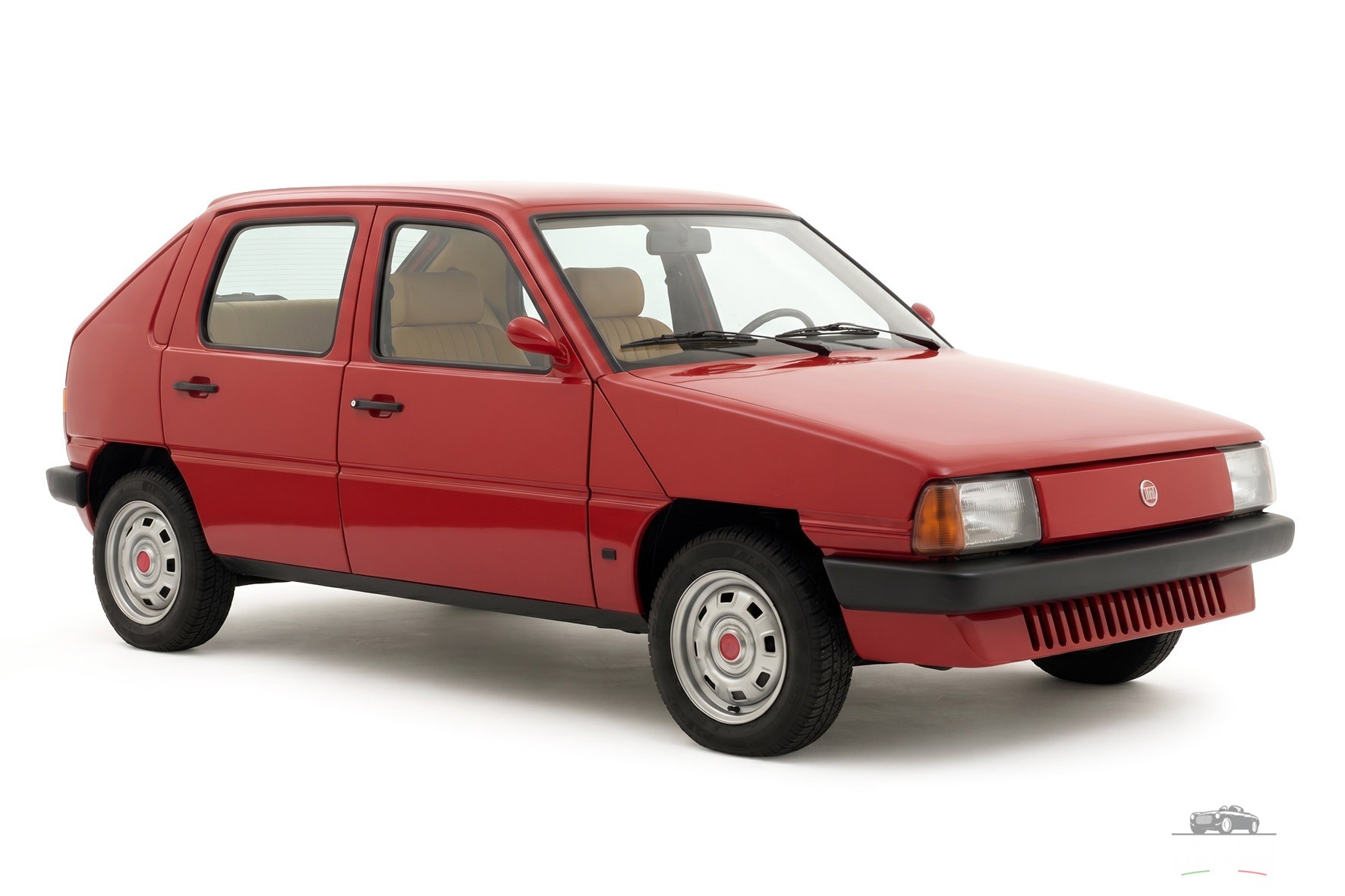
THE VEHICLE AT A GLANCE
Model dossier
- Production period
- 1981
- Body style
- Hatchback
- Type
- Prototype
THE PEOPLE BEHIND THE CAR
Coachbuilding, design & conversions

PRICE & SALES RECORD
Vehicle value
- Original price
- Not documented
- Latest recorded sale
- Not documented
01 / THE STORY
History & context
The Fiat VSS prototype, which was based on the Fiat Ritmo, emerged from a collaboration between Fiat, the I.D.E.A. Institute, and Renzo Piano’s team. This innovative prototype featured a steel spaceframe structure, with the body composed of plastic panels that had no load-bearing capacity. This design choice, which aimed to reduce vehicle weight and increase flexibility in terms of external shape, production, and assembly, marked a significant departure from traditional car manufacturing practices. The Fiat VSS’s approach was revolutionary for its time. The primary objective was to achieve a lightweight vehicle without compromising structural integrity, which was accomplished by using a non-load-bearing body made of plastic panels. These panels could be produced separately as complete “subsystems” and then assembled on a final production line. This modular approach allowed for greater flexibility in the design and manufacturing processes, paving the way for easier customization and more efficient production workflows. This method anticipated the future needs of the automotive industry by emphasizing weight reduction and modularity, issues that have since become crucial in car manufacturing. By using plastic panels, the Fiat VSS could achieve significant weight savings, contributing to better fuel efficiency and improved performance. Additionally, the ability to produce and assemble the vehicle’s external panels as separate components offered numerous advantages, including simplified logistics, reduced production times, and the potential for more diverse design options. Twenty years after the introduction of the Fiat VSS prototype, the automotive industry began to recognize the importance of the concepts it introduced. Many car manufacturers started to explore similar production philosophies, investigating ways to implement modular design and assembly processes to enhance efficiency and adaptability. The VSS’s influence is evident in contemporary automotive design and manufacturing, where the emphasis on lightweight materials, modularity, and flexible production methods continues to shape the industry. The Fiat VSS prototype stands as a testament to innovative thinking in automotive design. Its legacy lives on in the ongoing efforts to create more efficient, adaptable, and environmentally friendly vehicles. By anticipating and addressing key challenges in vehicle production, the Fiat VSS prototype helped set the stage for future advancements in the automotive world.
IN THE ARCHIVE
Coachbuilders & design studios
02 / TECHNICAL IDENTITY
Specifications & construction
Production & construction
- Production type
- Prototype
- Chassis construction
- Steel spaceframe with non-load-bearing plastic body panels
- Mechanical platform
- Fiat Ritmo
Engine & performance
- Specification notes
- The VSS technical architecture is project-specific: Fiat Ritmo basis, steel spaceframe and non-load-bearing plastic panels. No unverified experimental engine specification is promoted.
Design & manufacture
- Manufacturer · Documented
- Fiat
- Design Studio / Engineering · Documented
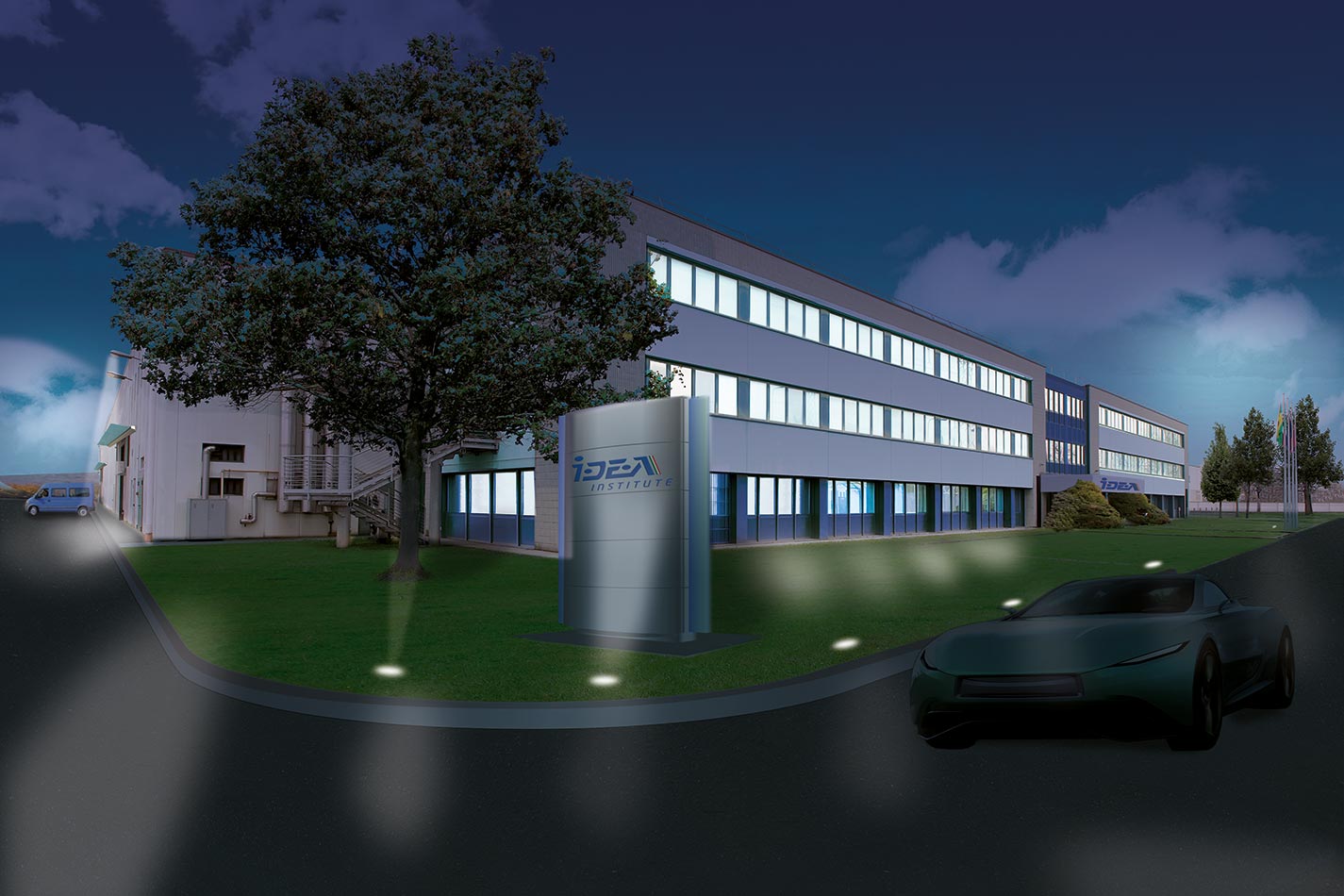
- I.DE.A Institute
06 / EVENTS & AWARDS
Events & awards
No events or documented awards are currently recorded for this vehicle.
07 / THE VEHICLE IN DETAIL
Photo gallery 4 photographs
08 / FROM THE ARCHIVE
Archive
References held in the vehicle dossier. Their inclusion does not establish that every historical claim has been independently verified.
| Reference | Source type |
|---|---|
| Car Design News — Fiat VSS / I.DE.A concept history www.cardesignnews.com | Design industry press |
| CarStyling — 1981 Fiat VSS (I.DE.A) carstyling.ru | Specialist design archive |
THE CONVERSATION
Comments 0
Share a memory, a period photograph or a documented detail about this car.