
THE VEHICLE AT A GLANCE
Model dossier
- Production period
- 2003
- Body style
- Hatchback
- Type
- Mass
THE PEOPLE BEHIND THE CAR
Coachbuilding, design & conversions

PRICE & SALES RECORD
Vehicle value
- Original price
- Not documented
- Latest recorded sale
- Not documented
01 / THE STORY
History & context
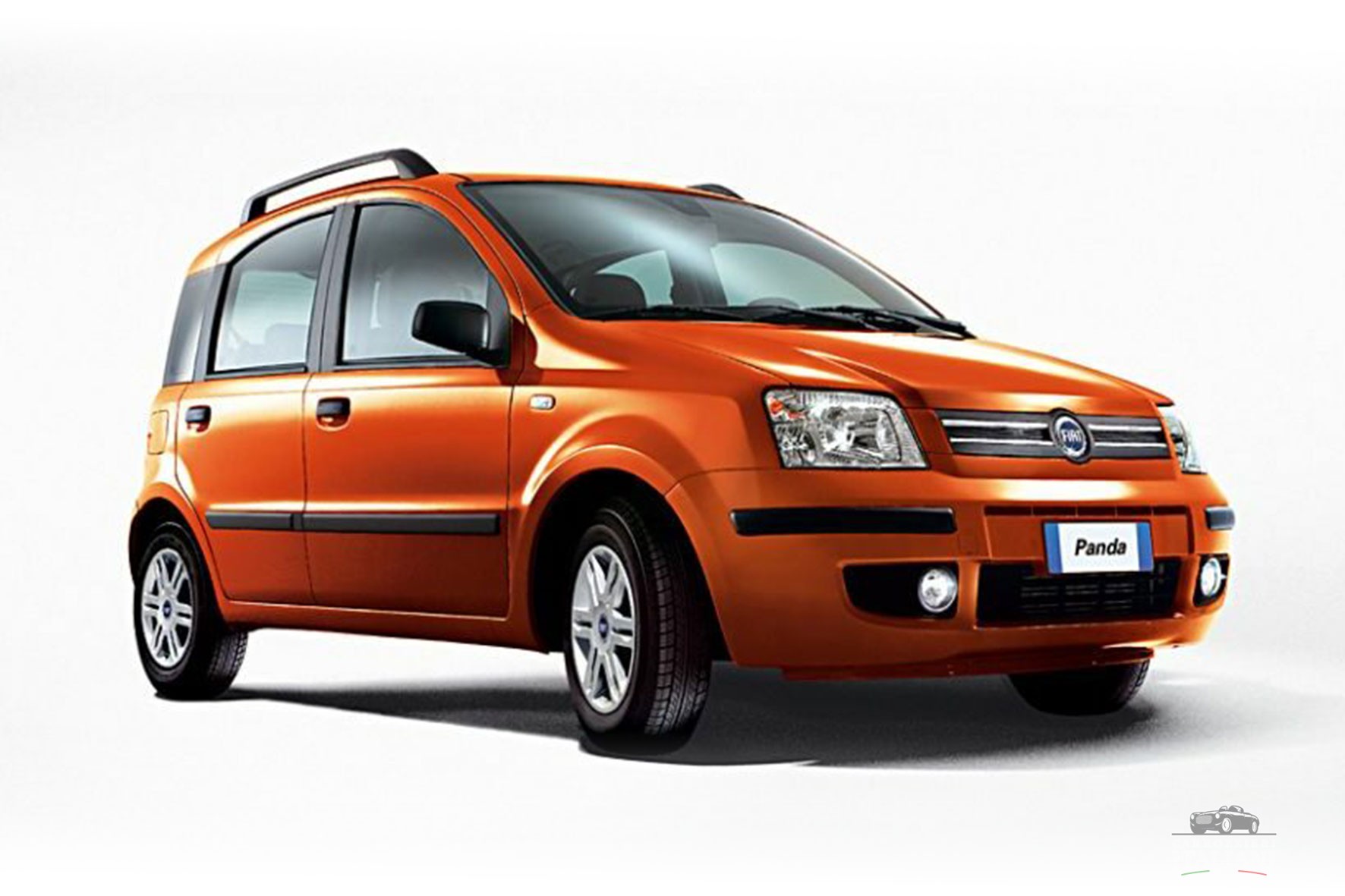
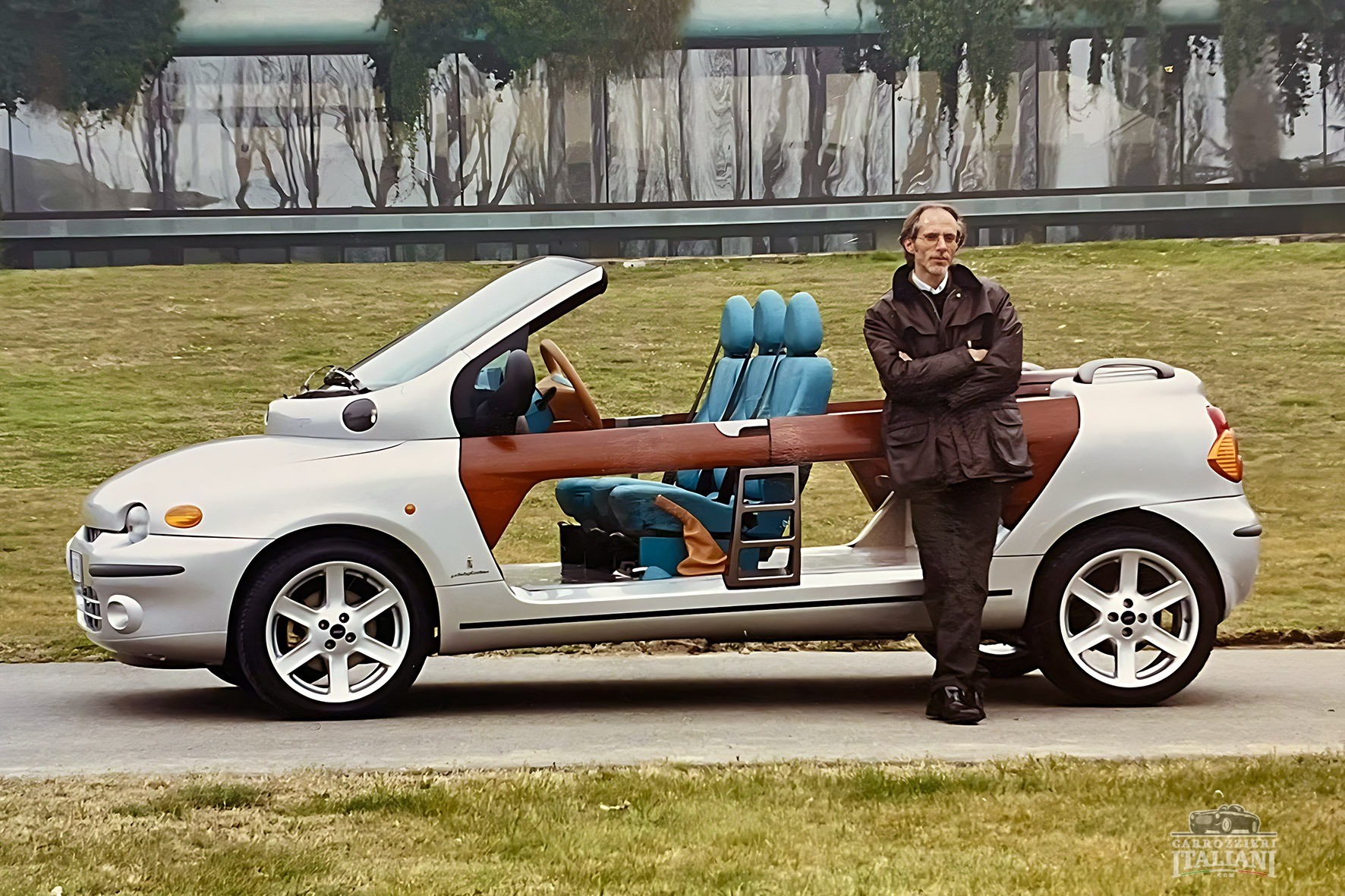
The 2nd generation Fiat Panda, conceived as the heir to the historic 1980 Panda, was initially unveiled at the 2003 Geneva motor show under the name Fiat Gingo. However, that appellation soon generated several issues: on the one hand, its close resemblance to the name of another small car, the Renault Twingo (a direct competitor of the new Fiat Panda), caused the French manufacturer to publicly warn the Italian one against using it, and also feared legal action if it was not withdrawn; on the other hand, in the weeks following the Geneva preview, various insiders and the public welcomed with much perplexity the use of the name Gingo, which was yes catchy, but without a history behind it, in place of Panda, a brand that over the decades had built an accredited reputation in the automotive field, carrying with it a great force of penetration on the public as well as having become a guarantee itself for the model. In the face of this, within a month of its debut in the markets, Fiat Auto backtracked and took over the name of the car that had just left production after a twenty-three-year career, becoming its de facto second series. Known as Project 169, it was sold in Italy starting in September 2003 supported by numerous events and advertising campaigns. In total, the Turin-based manufacturer invested the sum of 560 million euros in the design and industrialization of the car. The design of the Fiat Panda, the result of the Bertone style center, is 3.54 meters in length, ideal for tackling city streets, thanks in part to the reduced turning radius and the help of electric power steering (equipped with the City function, which makes it even more effective and lighter during delicate maneuvers). This, together with limited fuel consumption, good roominess for four people (thanks to a height of 1.54 meters) and not very high list prices, have decreed success for the second series of the Italian hatchback.
IN THE ARCHIVE
Coachbuilders & design studios
02 / TECHNICAL IDENTITY
Specifications & construction
Production & construction
- Production type
- Mass
Engine & performance
- Specification notes
- Official FIAT technical data verifies wheelbase 2299 mm, length 3538 mm and width 1589 mm across the documented Panda Classic configurations. Height varies by version and remains variant-level.
Dimensions & accommodation
- Wheelbase
- 2,299 mm
- Length
- 3,538 mm
- Width
- 1,589 mm
Design & manufacture
- Design Studio · Documented
- Bertone
- Manufacturer · Documented
- Fiat
- Designer · Candidate
- Giuliano Biasio
06 / EVENTS & AWARDS
Events & awards
Compasso d’Oro General · From the historical archive
- Date
- 2004
- Chassis
- General
07 / THE VEHICLE IN DETAIL
Photo gallery 4 photographs
08 / FROM THE ARCHIVE
Archive
References held in the vehicle dossier. Their inclusion does not establish that every historical claim has been independently verified.
| Reference | Source type |
|---|---|
| FIAT Panda Classic — Technisches Datenblatt 10.07.2012 www.media.stellantis.com | Manufacturer technical data sheet |

THE CONVERSATION
Comments 0
Share a memory, a period photograph or a documented detail about this car.