
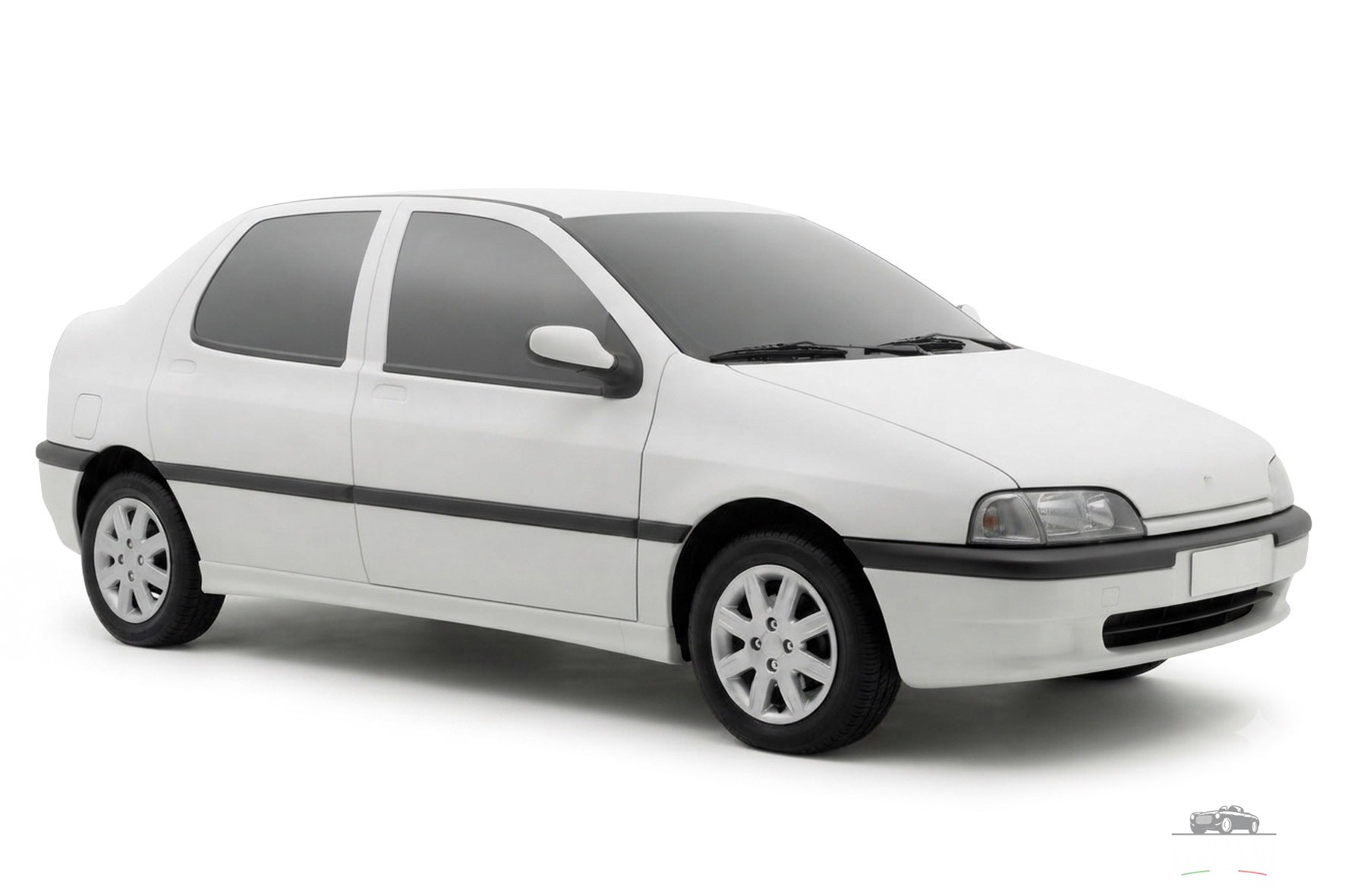
THE VEHICLE AT A GLANCE
Model dossier
- Production period
- 1992
- Body style
- Berlina
- Type
- Design-proposal
THE PEOPLE BEHIND THE CAR
Coachbuilding, design & conversions

PRICE & SALES RECORD
Vehicle value
- Original price
- Not documented
- Latest recorded sale
- Not documented
01 / THE STORY
History & context
In 1993, the Italian design and engineering firm I.DE.A Institute developed a design proposal for the Fiat Marea, intended as the successor to the Fiat Tempra in Fiat’s mid-size vehicle lineup. This concept formed part of a broader design evaluation process undertaken by Fiat, which included competing proposals from Italdesign and Fiat’s own in-house styling division, Centro Stile. The project was initiated during a period of transition within the Fiat Group, as the company sought to modernize its range with a new generation of more refined, internationally competitive models. The I.DE.A Institute’s proposal reflected the firm’s characteristic approach to automotive design—blending functionality with formal clarity. The design featured smooth, uninterrupted surfaces and a streamlined profile, in keeping with early 1990s trends toward more aerodynamic and visually restrained sedans. With a focus on balanced proportions and clean body surfacing, the I.DE.A concept aimed to present the Marea as a modern, efficient, and practical family car, while still offering a degree of visual sophistication. Although technically aligned with Fiat’s compact “Type Two” platform, shared with the Fiat Bravo and Brava, the I.DE.A version of the Marea emphasized a more refined sedan-like character, aimed at elevating the model’s perceived value and market position. The proposal also sought to enhance cabin spaciousness and driver visibility through clever packaging and proportioning. Despite the strong merits of the I.DE.A proposal, Fiat ultimately chose to proceed with the internal design developed by Centro Stile. The production Fiat Marea, launched in 1996, adopted a more conservative and brand-consistent appearance, better aligned with Fiat’s broader styling language at the time. It was offered in both sedan and station wagon variants and found modest success in various international markets. Although the Fiat Marea Berlina i.de.a design was not selected for production, it remains an instructive example of how automotive manufacturers engage with external studios to explore alternative design philosophies. The project reflects the creative depth of the Italian design landscape in the 1990s and the important, though sometimes unseen, role of independent studios like I.DE.A in shaping the evolution of mass-market European cars.
IN THE ARCHIVE
Coachbuilders & design studios
02 / TECHNICAL IDENTITY
Specifications & construction
Production & construction
- Production type
- Design-proposal
Engine & performance
- Specification notes
- Fiat Marea Berlina I.DE.A design proposal: the canonical record represents a styling/design-proposal stage rather than a uniquely specified running vehicle. The current source dossier does not establish a project-specific powertrain or technical package; production-model specifications are deliberately not inherited.
Design & manufacture
- Manufacturer · Documented
- Fiat
- Design Studio / Engineering · Documented
- I.DE.A Institute
06 / EVENTS & AWARDS
Events & awards
No events or documented awards are currently recorded for this vehicle.
07 / THE VEHICLE IN DETAIL
Photo gallery 1 photographs
08 / FROM THE ARCHIVE
Archive
References held in the vehicle dossier. Their inclusion does not establish that every historical claim has been independently verified.
| Reference | Source type |
|---|---|
| Auto&Design — Fiat Marea/Marea Weekend creative synergies autodesignmagazine.com | Design industry press |
THE CONVERSATION
Comments 0
Share a memory, a period photograph or a documented detail about this car.