
THE VEHICLE AT A GLANCE
Model dossier
- Production period
- 1969
- Body style
- Roadster
- Engine
- Inline-6
- Type
- Limited
THE PEOPLE BEHIND THE CAR
Coachbuilding, design & conversions

PRICE & SALES RECORD
Vehicle value
- Original price
- Not documented
- Latest recorded sale
- Not documented
01 / THE STORY
History & context
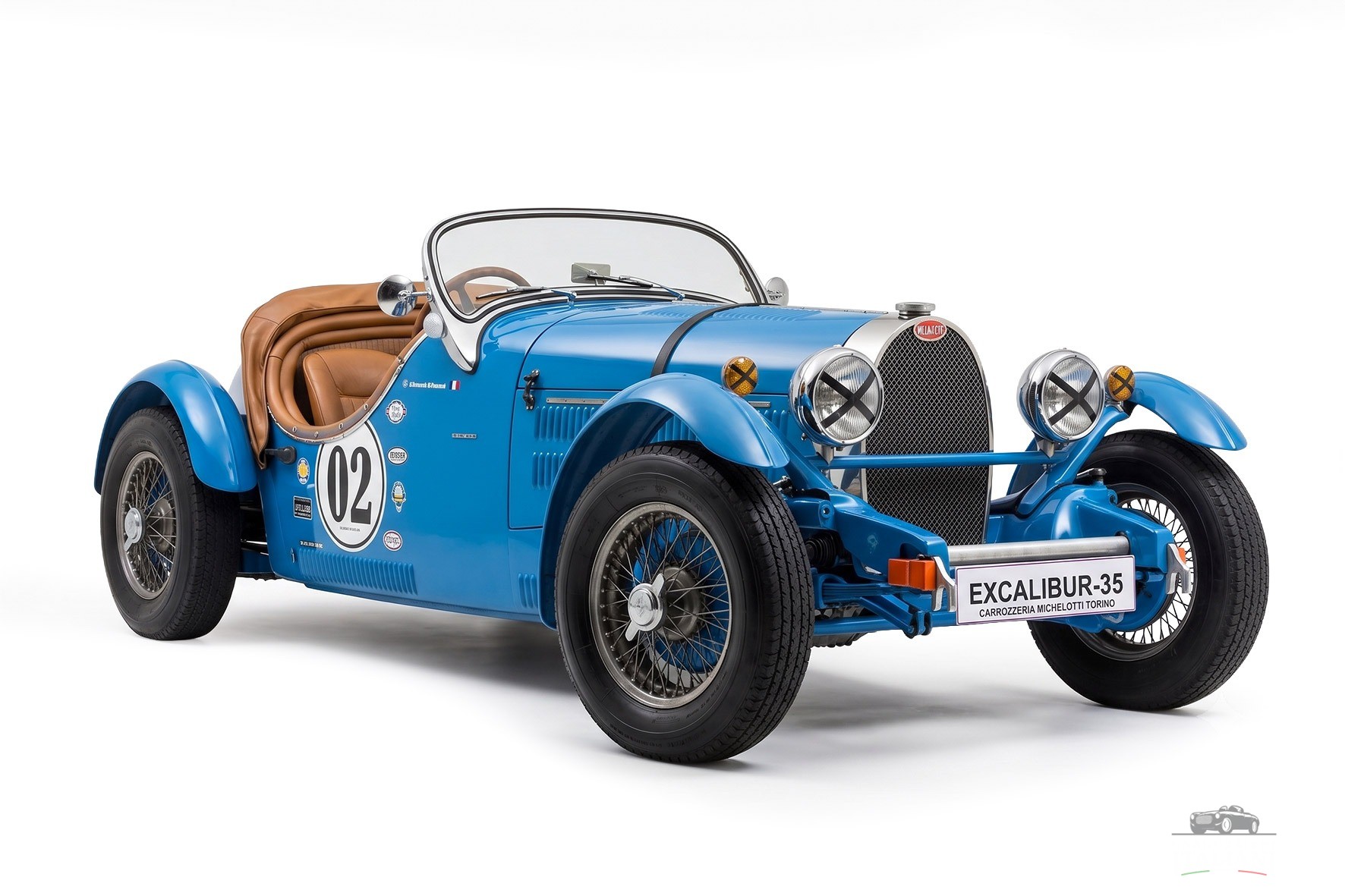
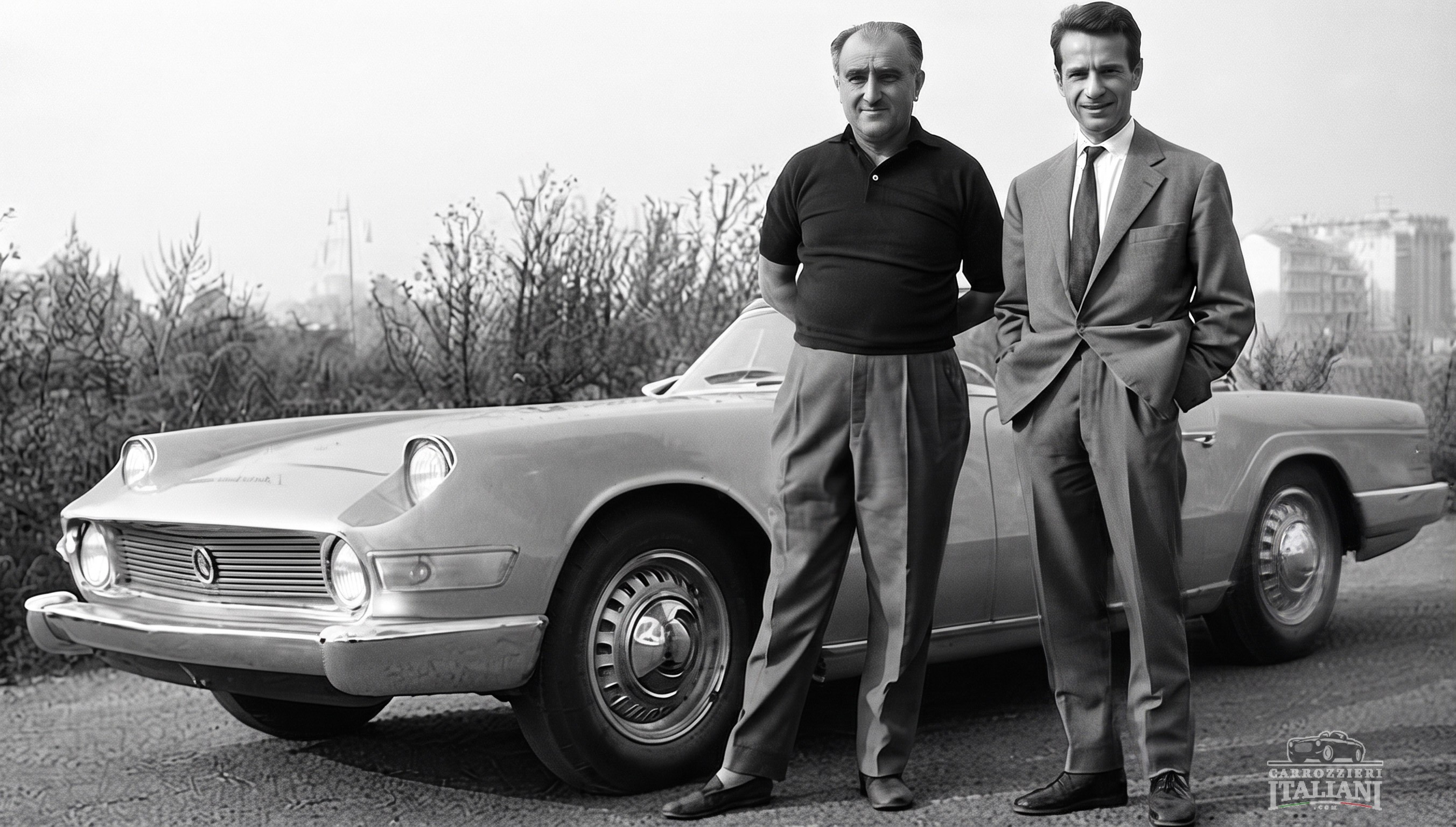
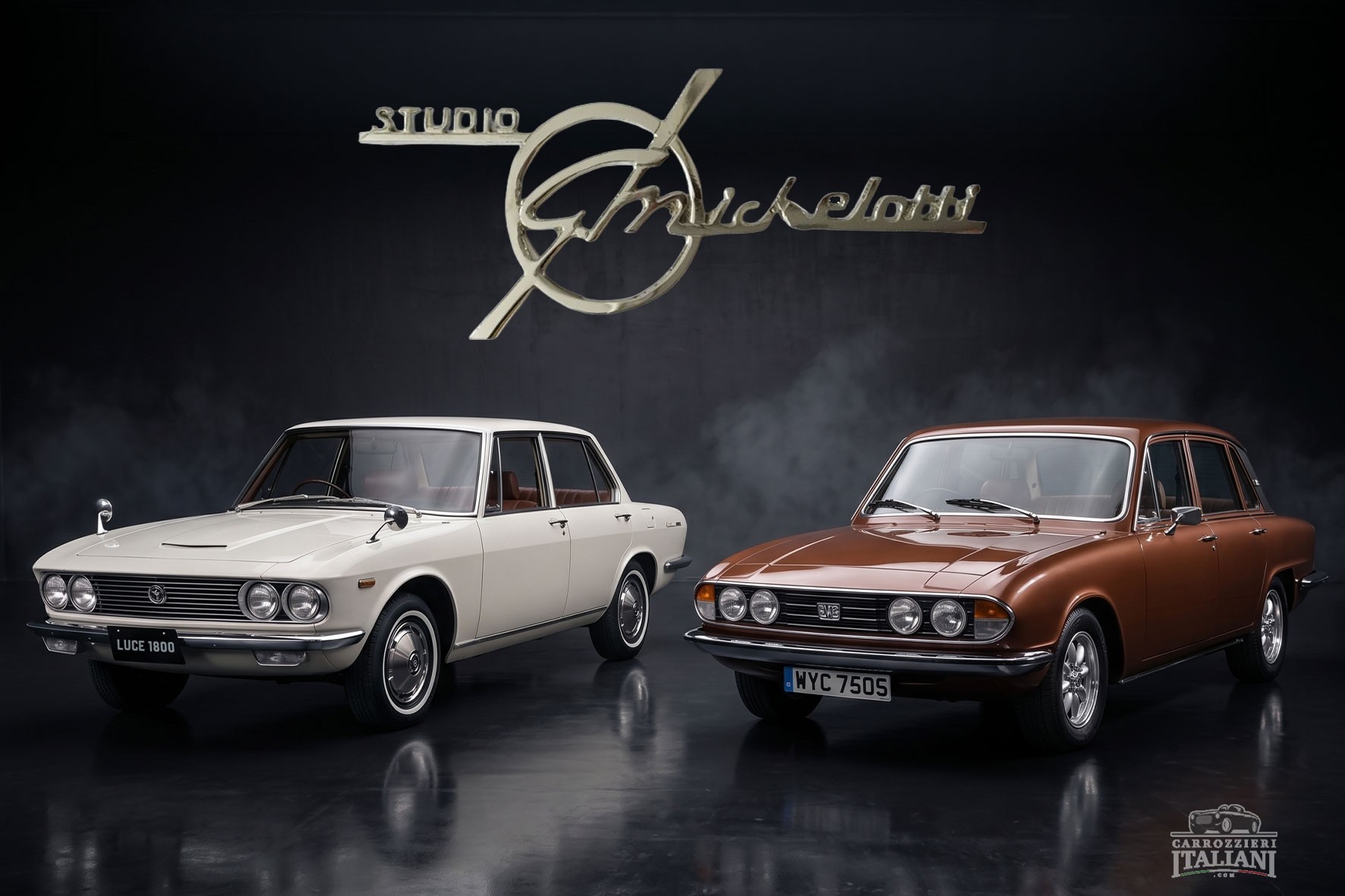
The Excalibur Type 35 X was developed in the late 1960s as a modern reinterpretation of the Bugatti Type 35, conceived within the broader context of neo-classical sports cars that revisited prewar racing imagery using contemporary mechanical foundations. The project originated from Guy Storr, European importer and promoter of Excalibur, who sought a model specifically tailored to European tastes and regulations. Production was entrusted to Carrozzeria Michelotti in Turin, where the steel bodywork was entirely hand-formed, reflecting Italian coachbuilding practice rather than industrial replication. The vehicle was mechanically based on Opel components, specifically the Opel Commodore GS powertrain. It employed an inline six-cylinder engine with overhead camshaft architecture and a displacement of approximately 2.5–2.6 litres. Output was rated at around 130 horsepower, a figure that, combined with a relatively low kerb weight, allowed sustained high-speed cruising and a top speed exceeding 200 km/h. Period documentation emphasized a power-to-weight ratio of approximately 6.5 kg per horsepower, positioning the Type 35 X well above most nostalgic recreations in terms of usable performance. Chassis dimensions were compact, with a wheelbase of roughly 2,560 mm and narrow track widths consistent with the visual language of late-1920s Grand Prix cars. Suspension and braking systems were modernized to ensure road usability, while traditional 15-inch Borrani wire wheels reinforced the historical reference. Each car underwent final inspection and dynamic calibration by Virgilio Conrero, a respected Italian engineer known for competition tuning, ensuring mechanical coherence prior to delivery. Stylistically, the body closely followed Bugatti Type 35 proportions, including the narrow fuselage, exposed front suspension, cycle-style fenders, and tapered tail. Unlike pure replicas, detailing was subtly adapted to meet contemporary safety and reliability expectations. Interior execution combined period-inspired instrumentation with improved seating and controls suited to extended road use. Total production reached 27 units, all assembled in Italy. The Excalibur Type 35 X belongs to a wider movement that included projects such as the Alfa Romeo Gran Sport developed by Zagato and Quattroruote in 1965, reflecting a shared interest in reinterpreting historic competition forms through modern engineering rather than reproducing them verbatim.actical and enjoyable driving experiences.
IN THE ARCHIVE
Coachbuilders & design studios
02 / TECHNICAL IDENTITY
Specifications & construction
Production & construction
- Production type
- Limited
Engine & performance
- Engine configuration
- Inline-6
Dimensions & accommodation
- Length
- 4,100 mm
- Width
- 1,600 mm
- Height
- 1,175 mm
Design & manufacture
- Body Builder · Documented
- Studio Michelotti
- Manufacturer · Documented
- Excalibur
06 / EVENTS & AWARDS
Events & awards
No events or documented awards are currently recorded for this vehicle.
07 / THE VEHICLE IN DETAIL
Photo gallery 3 photographs
08 / FROM THE ARCHIVE
Archive
No publishable archival references are currently catalogued for this vehicle.
THE CONVERSATION
Comments 0
Share a memory, a period photograph or a documented detail about this car.