
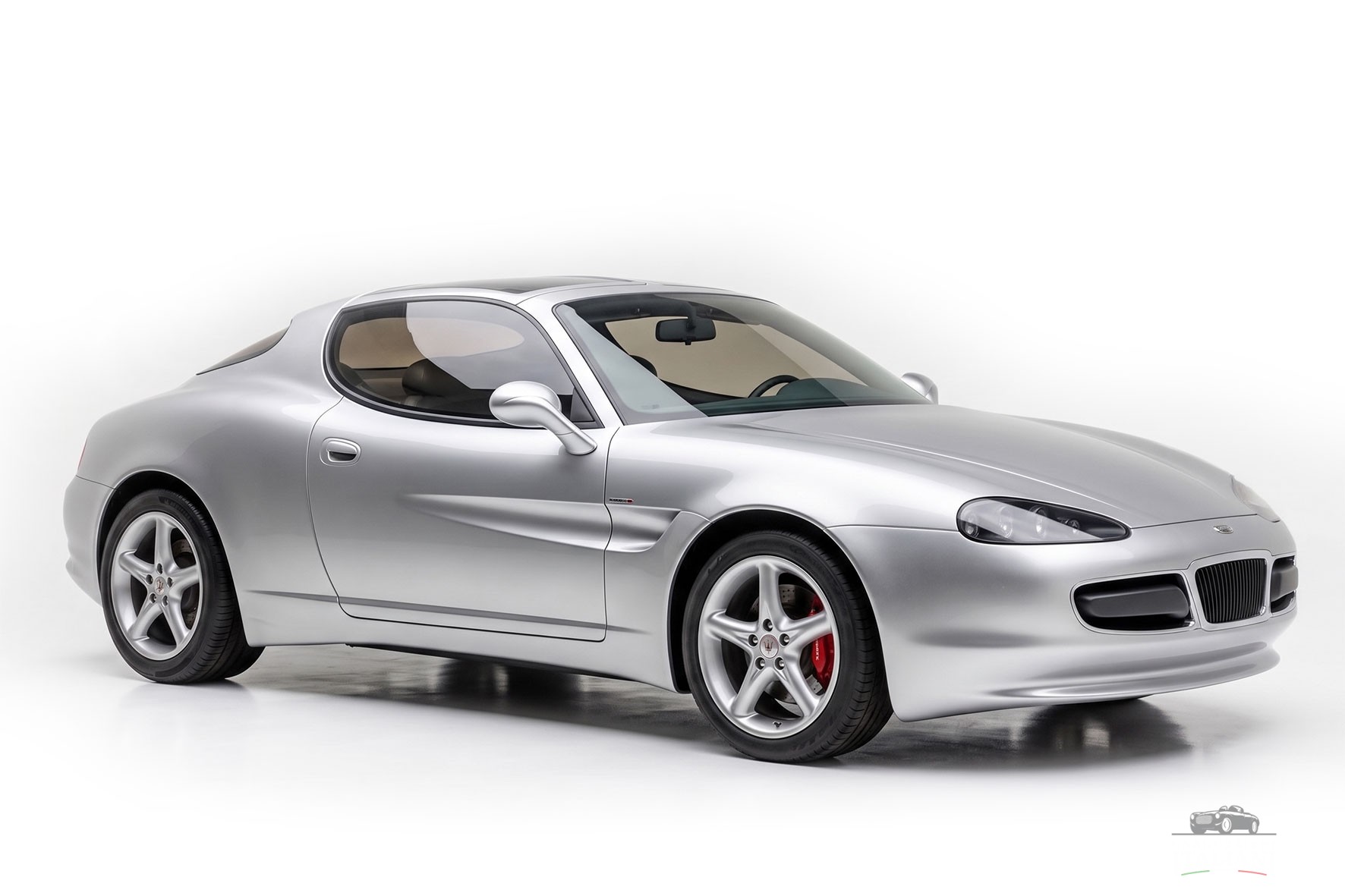
THE VEHICLE AT A GLANCE
Model dossier
- Production period
- 1995
- Body style
- Coupé
- Engine
- V6 3.2 litri, anteriore
- Type
- Concept
- Displacement
- 3,200 cc
- Power
- 240 hp
THE PEOPLE BEHIND THE CAR
Coachbuilding, design & conversions


PRICE & SALES RECORD
Vehicle value
- Original price
- Not documented
- Latest recorded sale
- Not documented
01 / THE STORY
History & context
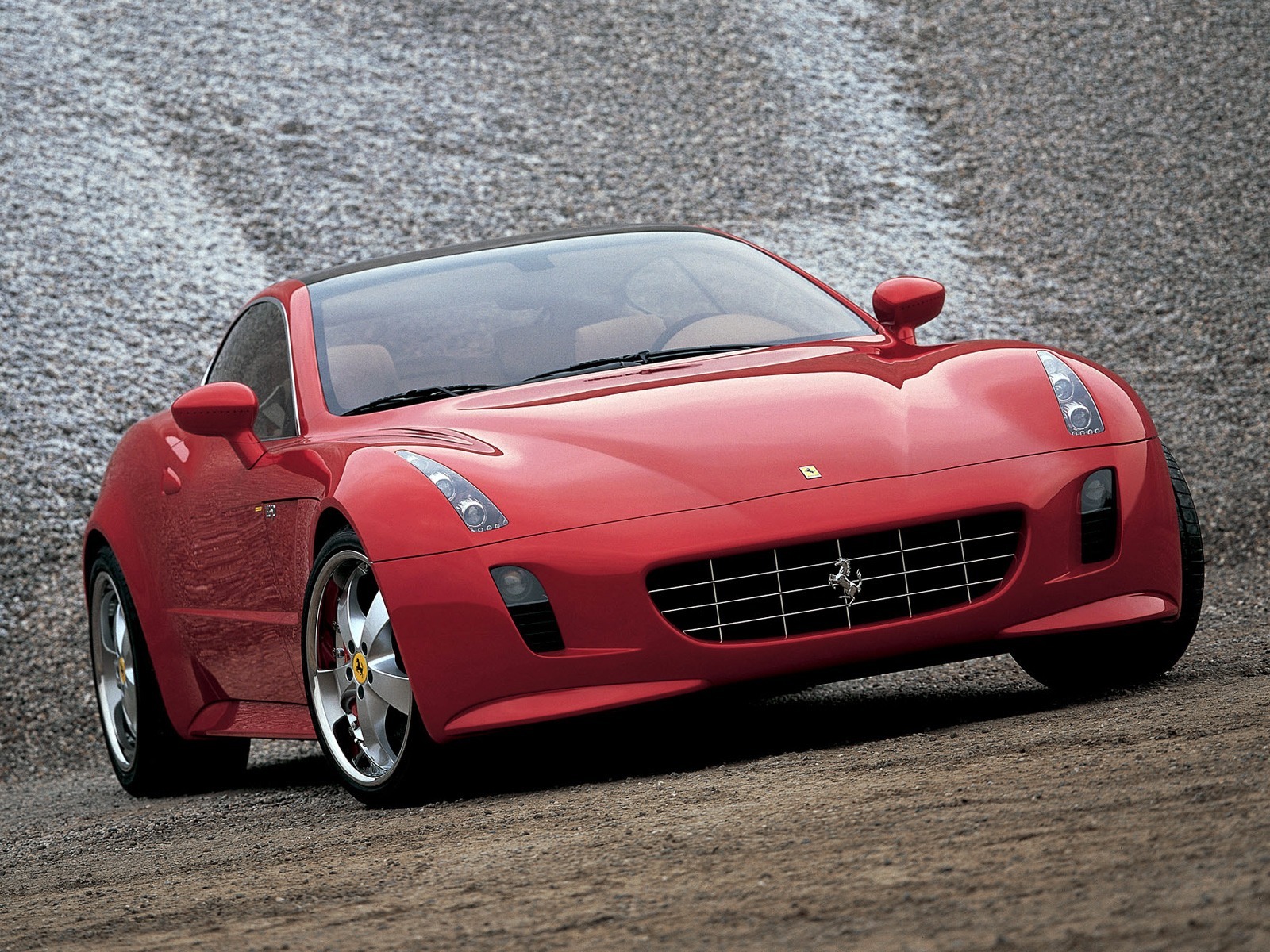
The Daewoo Bucrane, a mesmerizing concept car born from the collaborative efforts of Daewoo and Italdesign, made its grand debut in 1995, leaving an indelible mark on automotive design enthusiasts. Crafted with meticulous attention to detail, this avant-garde creation seamlessly blended the sleek lines of the 1960s with a touch of futuristic allure. Designed under the watchful eye of the renowned Italian styling house Italdesign, the Daewoo Bucrane bore a distinct and voluptuous coupe profile. The echoes of classic 1960s automotive design were evident in its long, low hood, muscular wheel arches, and an unorthodox curving B-pillar that lent a unique character to the side windows and rear section of the vehicle. The harmonious fusion of carbon fiber and steel in its body panels showcased a commitment to both performance and durability. One of the most striking features of the Daewoo Bucrane was its elaborate two-stage door opening mechanism. Akin to a carefully choreographed dance, the side window and roof section would gracefully lift upwards in a gull-wing manner, unveiling the car’s interior like a work of art. Subsequently, the door itself would swing open in a conventional manner, revealing the ambitious design’s complexity. While undeniably fancy and undoubtedly a testament to the engineering prowess of the time, this mechanism raised questions about its practicality in everyday use. The Daewoo Bucrane’s presence on the automotive stage was a celebration of artistic innovation and daring design choices. Though it never transitioned from concept to production, it left an enduring legacy as a symbol of automotive creativity, capturing the spirit of an era while pushing the boundaries of what was considered feasible in the realm of automobile design. The roof panels and windows of the Bucrane (except the windscreen!) could all be removed, effectively turning the car into a convertible. But thanks to the supporting pillars which remained, the chassis retained its rigidity. Powering the Daewoo Bucrane was a front-mounted 3.2 litre V6 which developed 240 horsepower. Despite its sporting appearance, power was sent to the front wheels through a 4-speed automatic transmission. As an interesting side note. Many people have noticed how the Maserati 3200 GT shares many styling traits with the Bucrane. And Italdesign have done work in the past for Maserati. Could this have been the starting point?
IN THE ARCHIVE
Related people
IN THE ARCHIVE
Coachbuilders & design studios
02 / TECHNICAL IDENTITY
Specifications & construction
Production & construction
- Production type
- Concept
- Body material
- carbon fibre / special steel mixed construction
Engine & performance
- Engine configuration
- V6 3.2 litri, anteriore
- Displacement
- 3,200 cc
- Power (hp)
- 240 hp
- Transmission
- 4-speed automatic
- Drive
- Front-wheel drive
- Specification notes
- KNOWLEDGE_TECH_PROJECTED — approved very-high-confidence concept fact: 1995 Italdesign Daewoo Bucrane used a front-mounted 3.2-litre 240-hp V6, front-wheel drive and four-speed automatic; mixed carbon-fibre/special-steel body construction.
Design & manufacture
- Designer · Candidate
- Giorgetto Giugiaro
- Design Studio · Documented
- Italdesign
- Manufacturer · Documented
- Daewoo
06 / EVENTS & AWARDS
Events & awards
No events or documented awards are currently recorded for this vehicle.
07 / THE VEHICLE IN DETAIL
Photo gallery 3 photographs
08 / FROM THE ARCHIVE
Archive
No publishable archival references are currently catalogued for this vehicle.

THE CONVERSATION
Comments 0
Share a memory, a period photograph or a documented detail about this car.