
THE VEHICLE AT A GLANCE
Model dossier
- Production period
- 1965
- Body style
- Station Wagon
- Engine
- Glas inline-four
- Type
- Concept
- Displacement
- 1,281 cc
- Power
- 60 CV
- Top speed
- 140 km/h
- Seats
- 5
THE PEOPLE BEHIND THE CAR
Coachbuilding, design & conversions

PRICE & SALES RECORD
Vehicle value
- Original price
- Not documented
- Latest recorded sale
- Not documented
01 / THE STORY
History & context
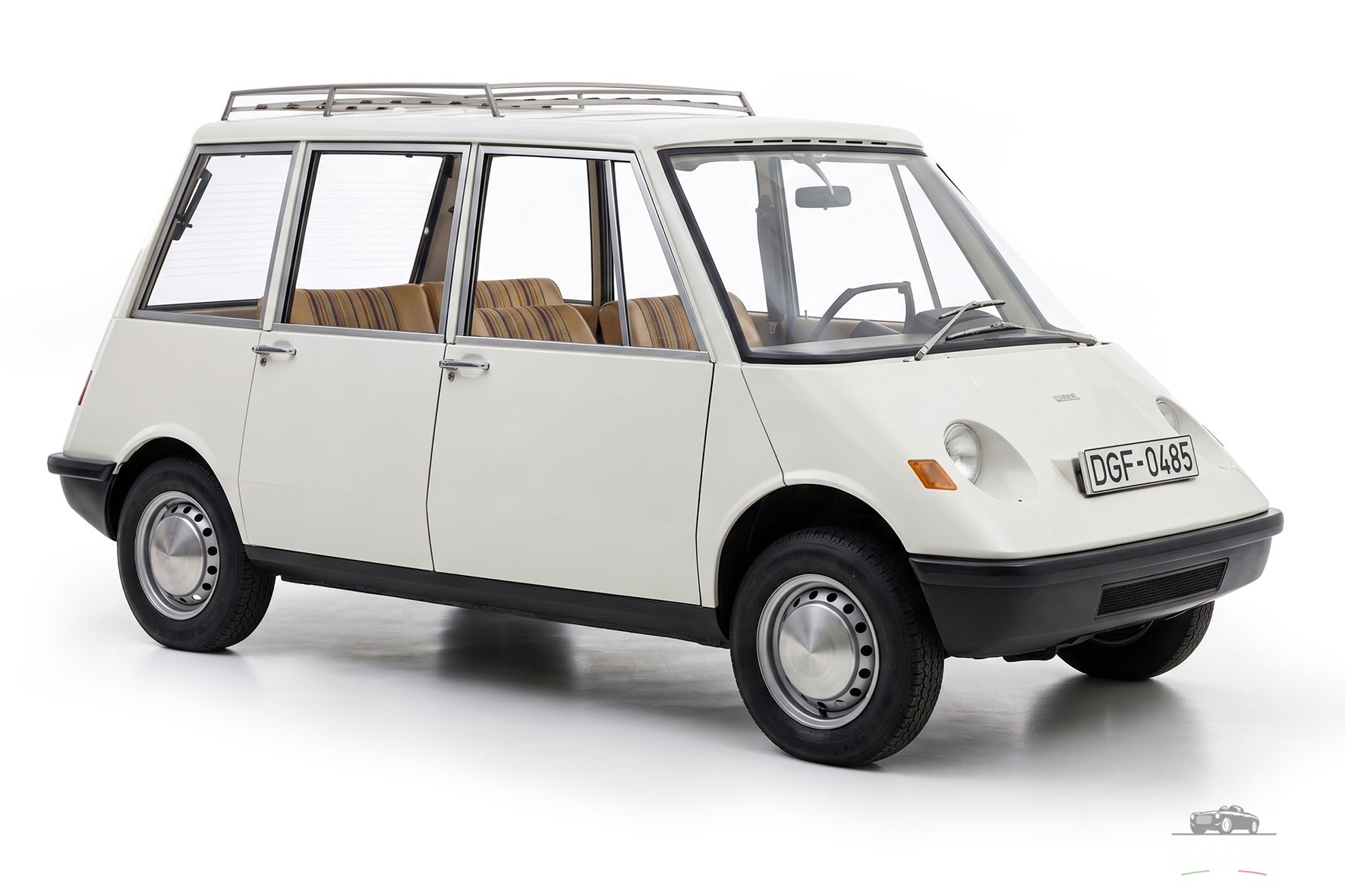
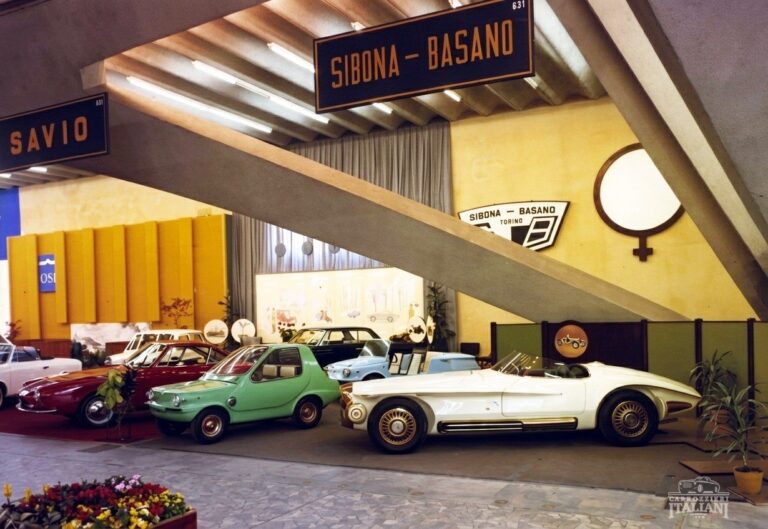
The Autonova Fam: Reflecting the guidelines of the Autonova project, the Fam (a contraction of familiare, i.e. a station wagon) was intended to be versatile, “logical in every detail”, as Pio Manzù and Michael Conrad were careful to note, a car for the community. It was compact outside (3.5 meters long and 1.6 wide) but offered plenty of room inside. This was achieved by making the most of the height, 1600 mm. The engine hood and trunk were absorbed into a single volume with a trapezoidal form. The cabin was lined with large windows and accommodated up to five passengers. It could be adapted to take different kinds of loads since all the seats were independent and the backs folded over. The raised driving position and height off the ground were considered significant factors making for comfort and safety on board. The technical features of the Autonova Fam anticipated certain ideas that have only recently been adopted on a large scale by the automobile industry. They included automatic electro hydraulic transmission, height adjustable suspension and progressive action steering. Of the Autonova’s numerous functional and technical-constructional features, the most striking were its rigorous formal synthesis, the simple, “modern” design of its different parts, from the lines that unite or segment the different sections of the body down to individual details like handles and switches and the most minute seams and welds. Both the Autonova prototypes are still surprising for their originality and coherence, even after this lapse of time. Pio Manzù and Michael Conrad’s project can still be seen as an exemplary contribution to the evolution of the automobile and car design, not only because of the results they achieved but also in terms of method and the development of radically innovative contents. The body was built by italian coachbuilder Sibona Basano.
IN THE ARCHIVE
Coachbuilders & design studios
02 / TECHNICAL IDENTITY
Specifications & construction
Production & construction
- Production type
- Concept
Engine & performance
- Engine configuration
- Glas inline-four
- Displacement
- 1,281 cc
- Power (CV)
- 60 CV
- Drive
- Rear-wheel drive
- Top speed
- 140 km/h
- Specification notes
- TECH 2026-09-21 — record-specific published data: Glas 1281 cc inline-four, 60 CV/PS, rear-wheel drive and 140 km/h. Cross-checked dimensions/weight: 3500 mm long, 1500 mm wide, 1500 mm high, 750 kg, 5 seats. Gearbox intentionally left unstructured because published accounts conflict on the exact automatic/automated transmission arrangement.
Dimensions & accommodation
- Length
- 3,500 mm
- Width
- 1,500 mm
- Height
- 1,500 mm
- Weight
- 750 kg
- Seats
- 5
Design & manufacture
- Coachbuilder / Body Builder · Documented
- Sibona & Basano
- Designer · Documented
- Pio Manzù
06 / EVENTS & AWARDS
Events & awards
No events or documented awards are currently recorded for this vehicle.
07 / THE VEHICLE IN DETAIL
Photo gallery 5 photographs
08 / FROM THE ARCHIVE
Archive
References held in the vehicle dossier. Their inclusion does not establish that every historical claim has been independently verified.
| Reference | Source type |
|---|---|
| Museo Omero – Pio Manzù museoomero.it | Museum biographical archive |
| Stellantis Heritage – mostra Che macchina! www.media.stellantis.com | Manufacturer heritage |
| l’Automobile Ancienne – NSU Autonova FAM (1965) lautomobileancienne.com | Specialist automotive history |
| Autonova overview de.wikipedia.org | Specialist secondary reference |
THE CONVERSATION
Comments 0
Share a memory, a period photograph or a documented detail about this car.