
THE VEHICLE AT A GLANCE
Model dossier
- Production period
- 1952
- Body style
- Coupé
- Type
- One-off
- Production
- 1
THE PEOPLE BEHIND THE CAR
Coachbuilding, design & conversions

PRICE & SALES RECORD
Vehicle value
- Original price
- Not documented
- Latest recorded sale
- Not documented
01 / THE STORY
History & context
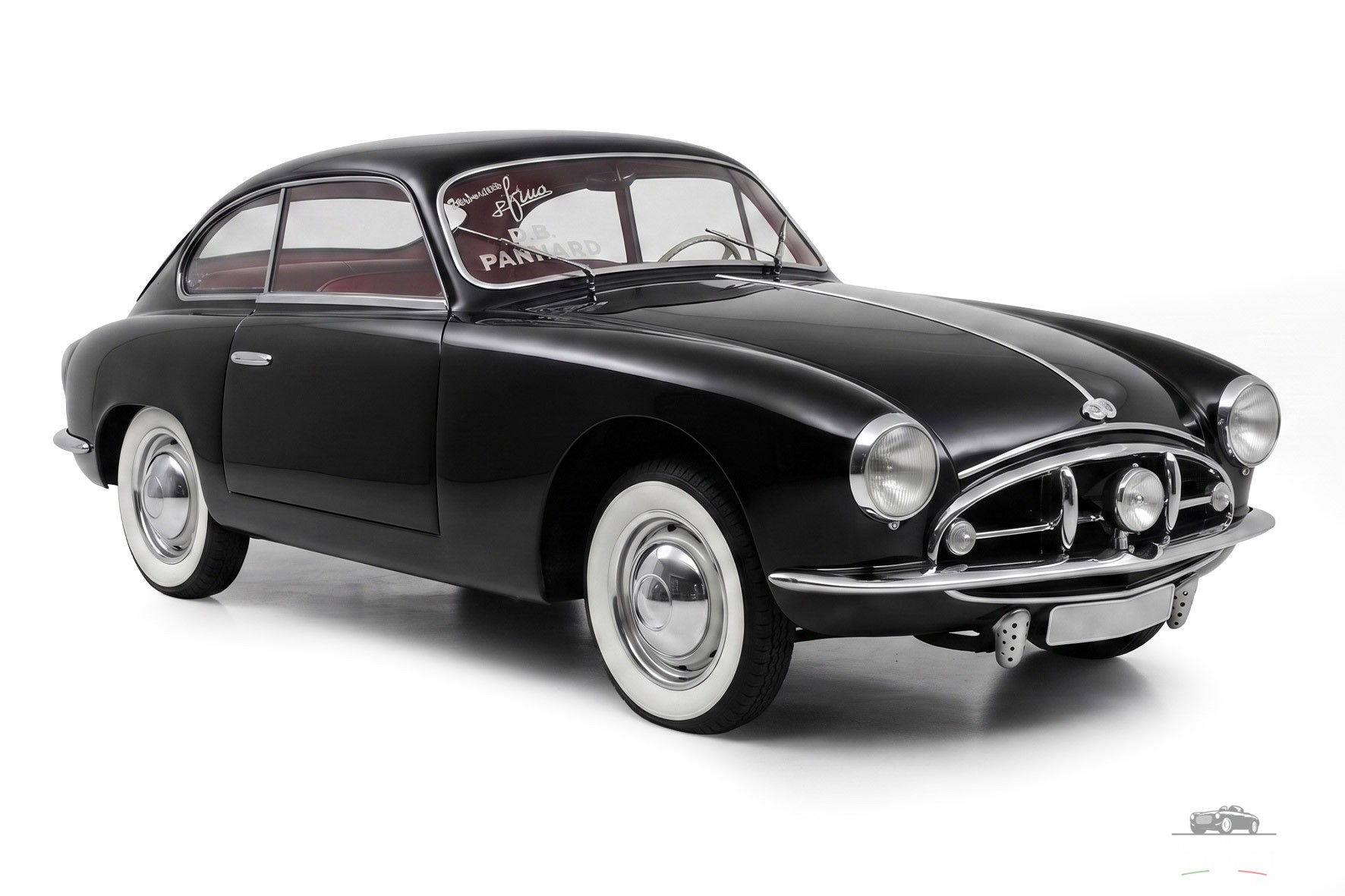
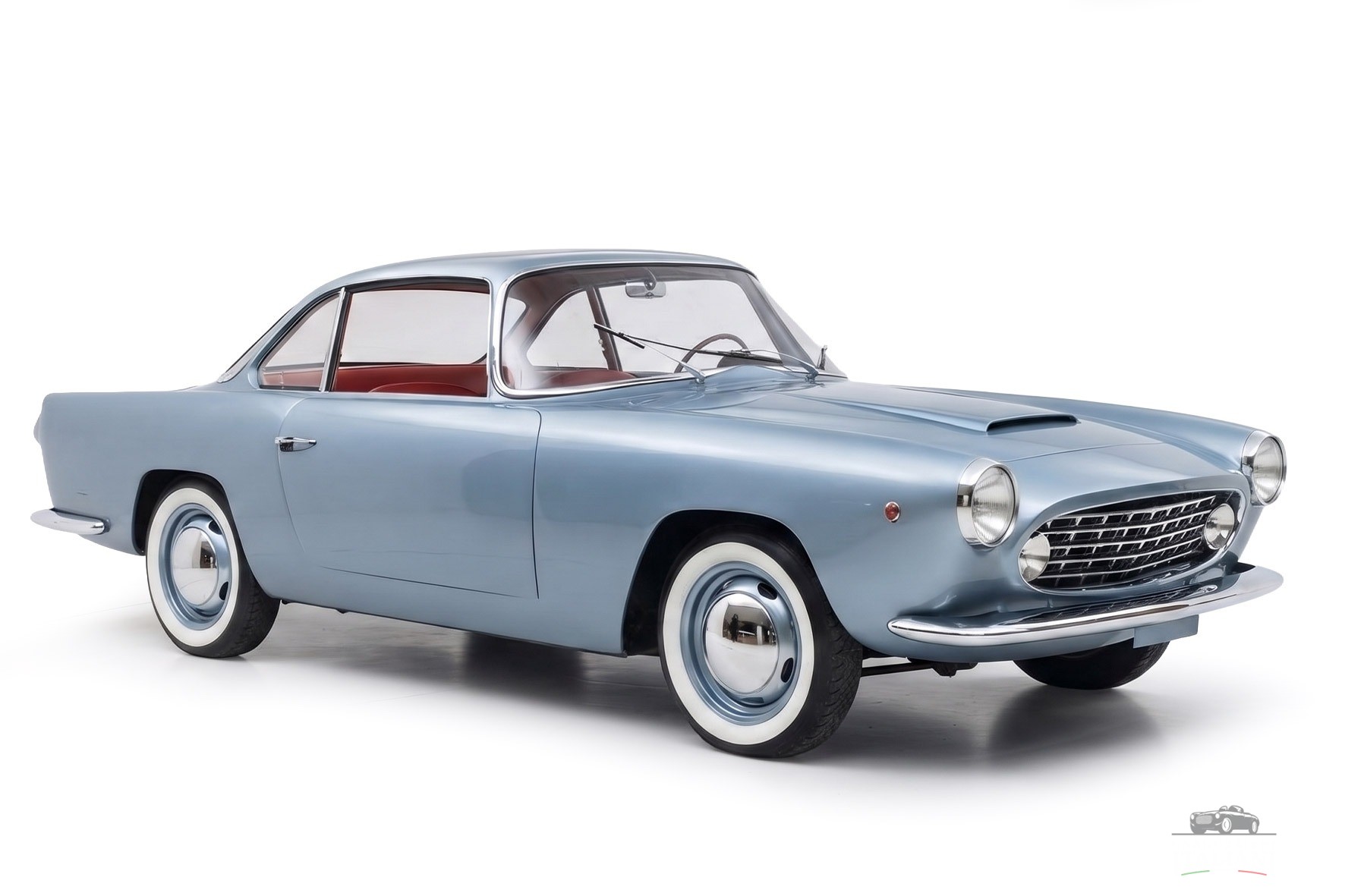
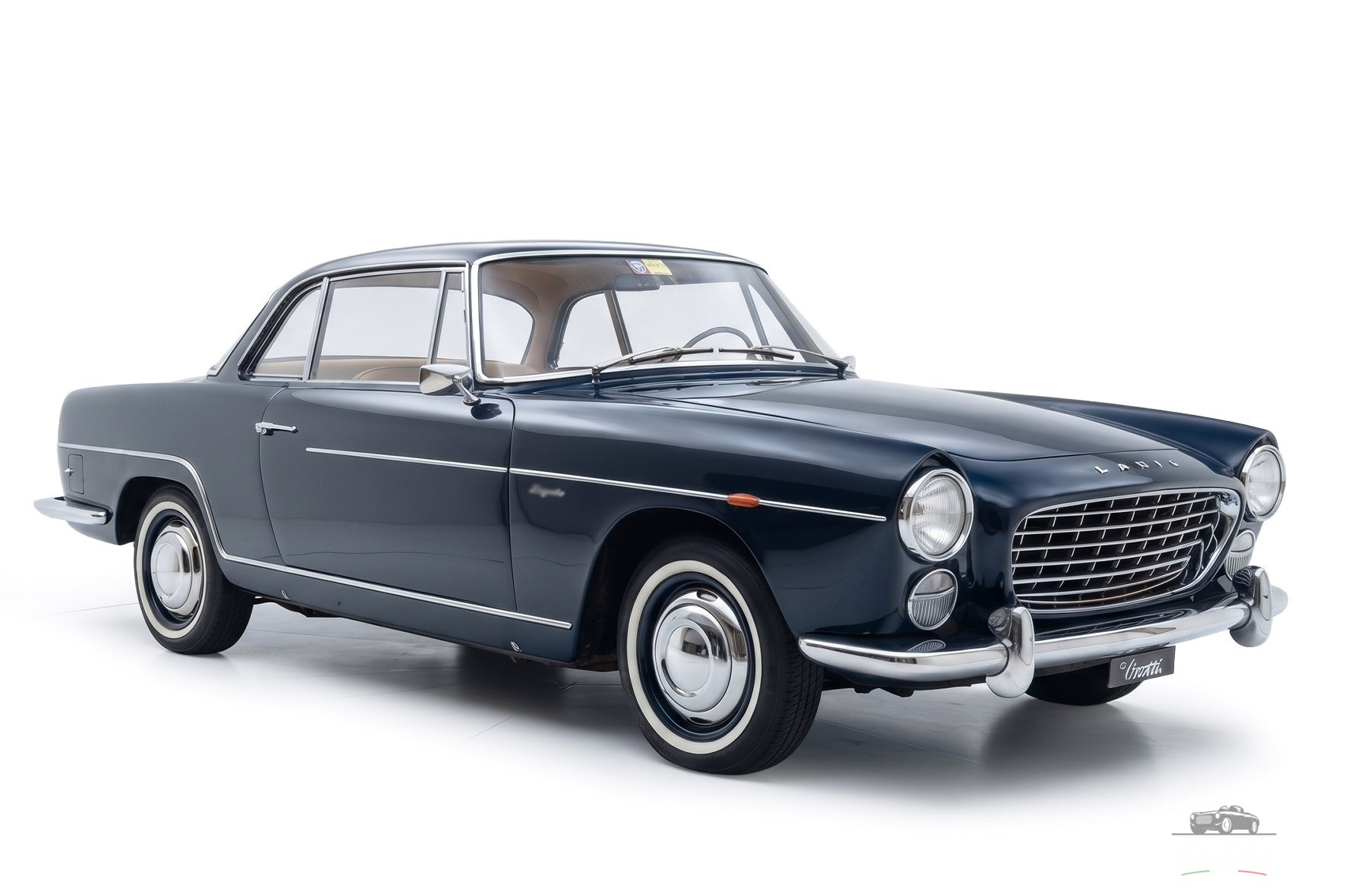
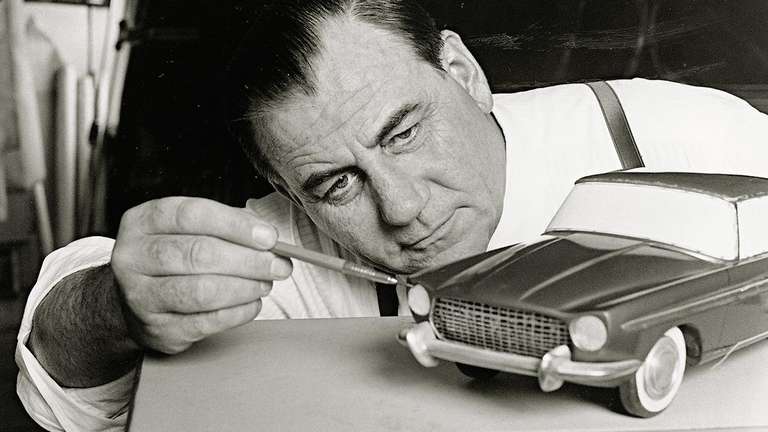
The Panhard 850 Coupé Frua was a limited-production sports car resulting from a collaboration between the French manufacturer Panhard and the Italian coachbuilder Pietro Frua. Developed in the early 1950s, the model was based on mechanical components derived from the Panhard Dyna X, particularly the front-engine, front-wheel-drive layout and lightweight construction principles that characterized Panhard engineering in the postwar period. The vehicle was equipped with an air-cooled, horizontally opposed two-cylinder engine with a displacement of approximately 745 cubic centimeters. Mounted at the front and paired with a manual gearbox, the engine was notable for its compact dimensions and modest output, which were offset by the car’s low mass and streamlined bodywork. The overall performance characteristics were consistent with lightweight European sports cars of the early 1950s, favoring agility and efficiency over outright power. Pietro Frua’s design for the coupé employed a restrained interpretation of early postwar Italian automotive aesthetics. The proportions were compact and balanced, featuring a gently sloping roofline, integrated front fenders, and a distinctive frontal treatment marked by horizontal grille elements and recessed headlamps. The design emphasized aerodynamic efficiency and visual elegance, with minimal decorative embellishments. The two-seat cabin offered a spartan yet considered arrangement, incorporating simple instrumentation and materials appropriate to the vehicle’s weight-conscious construction. The Panhard 850 Coupé Frua followed a series of earlier DB models, some of which had been bodied by the French coachbuilder Antem. The Frua-bodied variant, produced in significantly smaller numbers, was distinguished by its international origin and more refined stylistic execution. Total production is believed to have remained below one hundred units, reinforcing its position as a rare example of Franco-Italian postwar cooperation. The model exemplifies a transitional moment in European automotive history, when small-displacement vehicles were elevated through design and engineering into viable sports machines. Its limited production, distinctive styling, and connection to prominent figures in the coachbuilding and engineering spheres contribute to its enduring historical significance. It remains a testament to the aspirations of postwar automotive reconstruction and the pursuit of elegance within material constraint.
IN THE ARCHIVE
Related people
IN THE ARCHIVE
Coachbuilders & design studios
02 / TECHNICAL IDENTITY
Specifications & construction
Production & construction
- Production
- 1
- Production type
- One-off
Engine & performance
- Specification notes
- Confidence detail moved from confidence: high_disposition_only
Design & manufacture
- Coachbuilder / Body Builder · Documented
- Frua
- Designer · Documented
- Pietro Frua
- Manufacturer · Documented
- Panhard
06 / EVENTS & AWARDS
Events & awards
34° Salone Internazionale dell'Automobile – Torino General · From the historical archive
- Date
- 23 Apr 1952
- Chassis
- General
- Venue
- Torino Esposizioni / Palazzo delle Esposizioni · Torino
07 / THE VEHICLE IN DETAIL
Photo gallery 6 photographs
08 / FROM THE ARCHIVE
Archive
References held in the vehicle dossier. Their inclusion does not establish that every historical claim has been independently verified.
| Reference | Source type |
|---|---|
| Pietro Frua catalogue — 1950s creations www.pietro-frua.de | Designer specialist archive |

THE CONVERSATION
Comments 0
Share a memory, a period photograph or a documented detail about this car.