
THE VEHICLE AT A GLANCE
Model dossier
- Manufacturer
- Alfa Romeo
- Base model
- 6C 2500 Super Sport / Tipo 256
- Coachbuilt version
- Pinin Farina Cabriolet Sportivo
- Coachbuilder
- Pininfarina
- Production period
- 1939
- Body style
- Spider
- Chassis
- 915026
- Designer
- Mario Revelli di Beaumont
THE PEOPLE BEHIND THE CAR
Coachbuilding, design & conversions


PRICE & SALES RECORD
Vehicle value
- Original price
- Not documented
- Latest recorded sale
- Not documented
01 / THE STORY
History & context
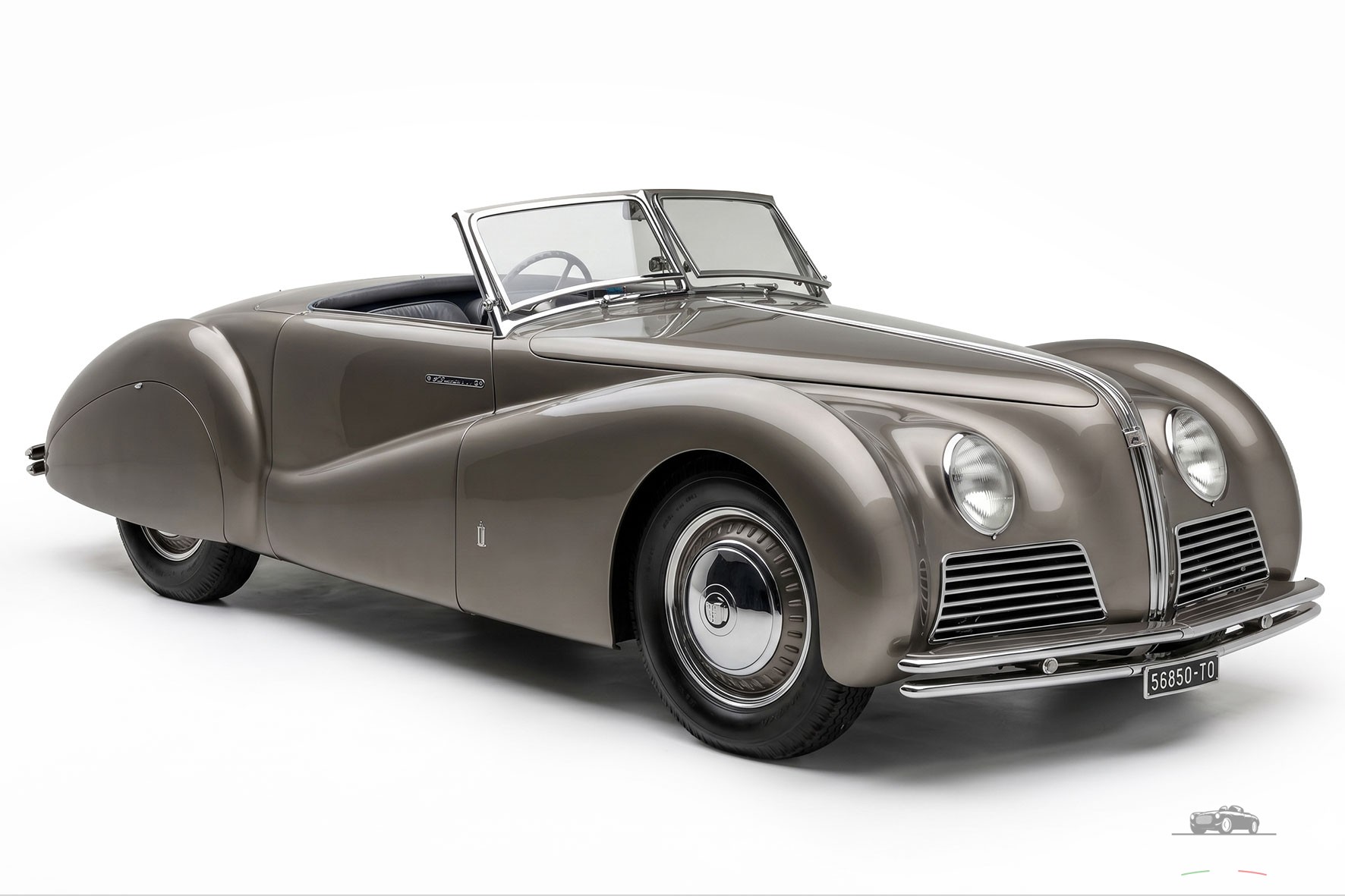
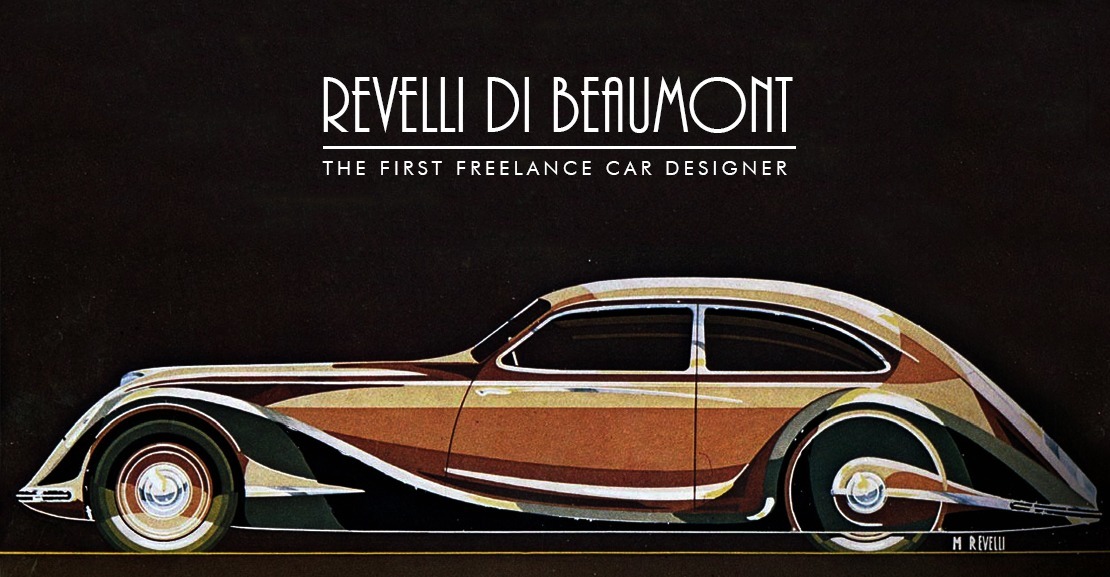
The Alfa Romeo 6C 2500 SS Cabriolet, chassis 915.026, is a stunning representation of Pininfarina’s craftsmanship and one of the most voluptuous designs to emerge from this era. Contrasting sharply with Pininfarina’s earlier, boxier Alfa designs, this two-seater cabriolet showcases a flowing, enveloping form with sinuous lines and curvaceous bodywork that exudes both elegance and aggression. Built on one of the first 6C 2500 SS chassis meant for private use, this cabriolet embodies the shift from Alfa Romeo’s competition-focused models towards more luxurious, road-going iterations. The 6C 2500 was originally introduced in 1939, with early Super Sports (SS) chassis built for racing, such as the Siluro open-body designs. Once Alfa Romeo’s racing obligations were fulfilled, the focus turned to production models like the LWB (long wheelbase) Turismo saloons and cabriolets. Chassis 915.026 was one of the first of these private SS models, and Pininfarina gave it a bold, sensual shape with pronounced curves, a low center of gravity, and a fully disappearing soft top. The design’s distinctiveness of the Alfa Romeo 6C 2500 915.026 lies in its wave-like wheel arches, which highlight the car’s voluminous form rather than minimizing it—a contrast to Touring’s more restrained designs and Boneschi’s classic mannerisms. This particular cabriolet is also notable for its incorporation of Count Mario Revelli di Beaumont‘s aerodynamic studies, which were at the forefront of automotive design in the late 1930s. Features like concealed headlights, thin pillars, and a subtle ship’s bow front give the car a sleek, wind-cheating profile. The aggressive front ventilation grilles break away from Alfa’s typical design language, adding to the car’s daring appearance. Powered by Ferrari-style 256 special tuning, the 6C 2500 SS could reach an impressive 170 kph. A few of these models were even exported to Germany before World War II halted production. Pininfarina’s collaboration with Revelli di Beaumont marked a pivotal moment in automotive design, blending front and rear volumes in a unified, sweeping form, though World War II interrupted the development of this bold aesthetic.
02 / TECHNICAL IDENTITY
Specifications & construction
Production & construction
- Production
- 1
- Production type
- Limited
Engine & performance
- Engine configuration
- Inline-6
03 / DESIGN, BODY & SUPPLIERS
Design, body & suppliers
Design & manufacture
- Designer · Candidate
- Mario Revelli di Beaumont
- Manufacturer · Documented
- Alfa Romeo
- Coachbuilder / Body Builder · Documented
- Pininfarina
Body form & construction
- Body style
- Spider
04 / EVENTS & CHRONOLOGY
Events & chronology
Concorso d'Eleganza Villa d'Este 915026 · legacy_preserved
- Date
- 2008
- Chassis
- 915026
Preserved CI 1.0 relation. Evidence field: list_of_awards_0_events. No award inferred.
Villa d’Este 915026 · From the historical archive
- Date
- 2008
- Chassis
- 915026
CHRONOLOGICAL RECORD
General chronology
Chronological history2 dated records
- 915026 · Event
Concorso d'Eleganza Villa d'Este
- 915026 · Event
Villa d’Este
06 / CHASSIS REGISTER
Chassis register
Chassis 915026
- Chassis number
- 915026
- Year
- 1939
08 / GALLERY
Photo gallery 2 photographs
09 / PERIOD ARCHIVE
Period photographs & advertising
The period archive gallery will show historical photographs, advertisements, brochures and press images once assets, provenance and usage rights have been recorded in the masterfile.

THE CONVERSATION
Comments 0
Share a memory, a period photograph or a documented detail about this car.