
THE VEHICLE AT A GLANCE
Model dossier
- Production period
- 1972
- Body style
- Coupé
- Engine
- Inline-4
- Type
- Prototype
- Production
- 2
THE PEOPLE BEHIND THE CAR
Coachbuilding, design & conversions
PRICE & SALES RECORD
Vehicle value
- Original price
- Not documented
- Latest recorded sale
- Not documented
01 / THE STORY
History & context
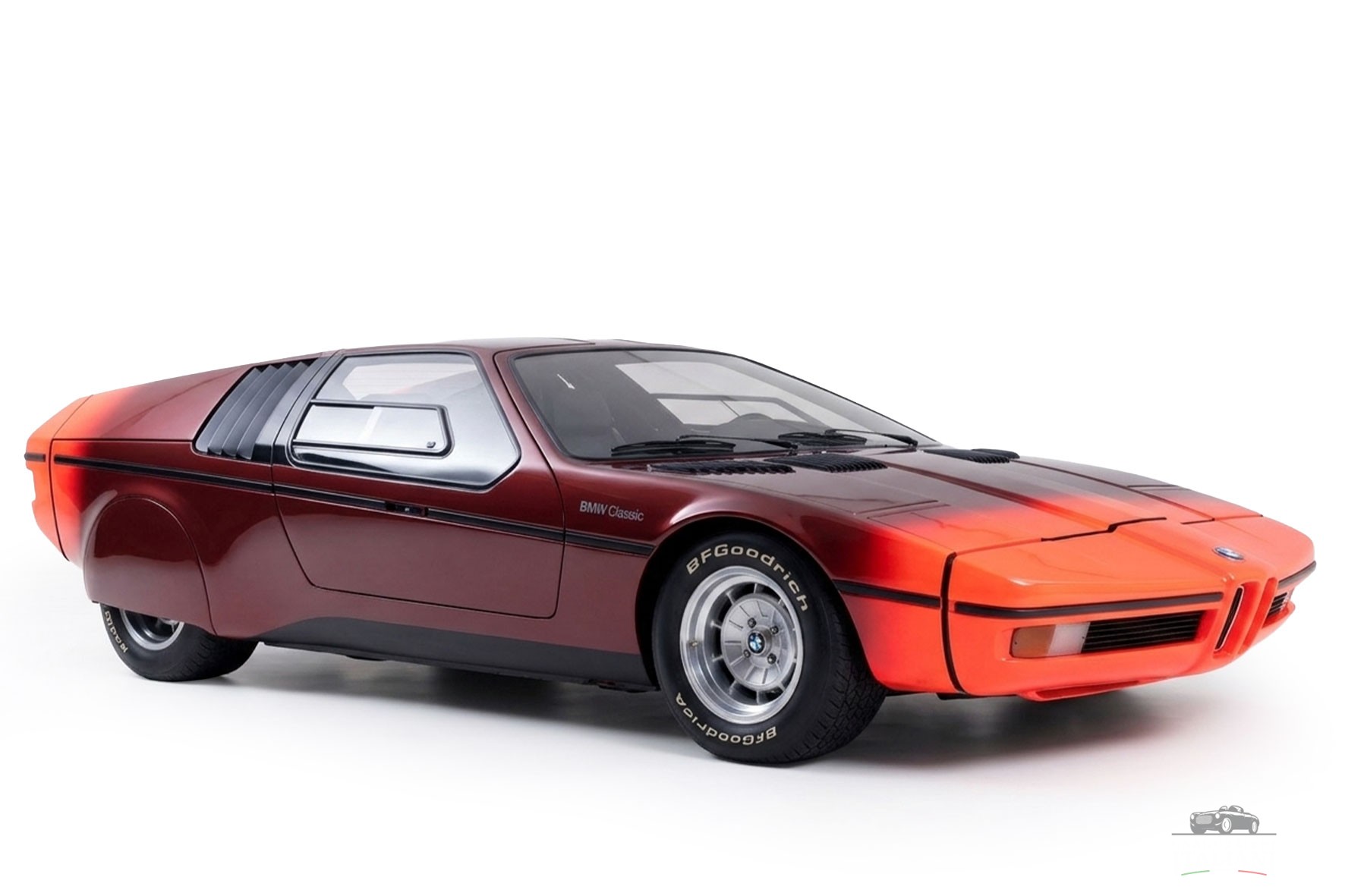
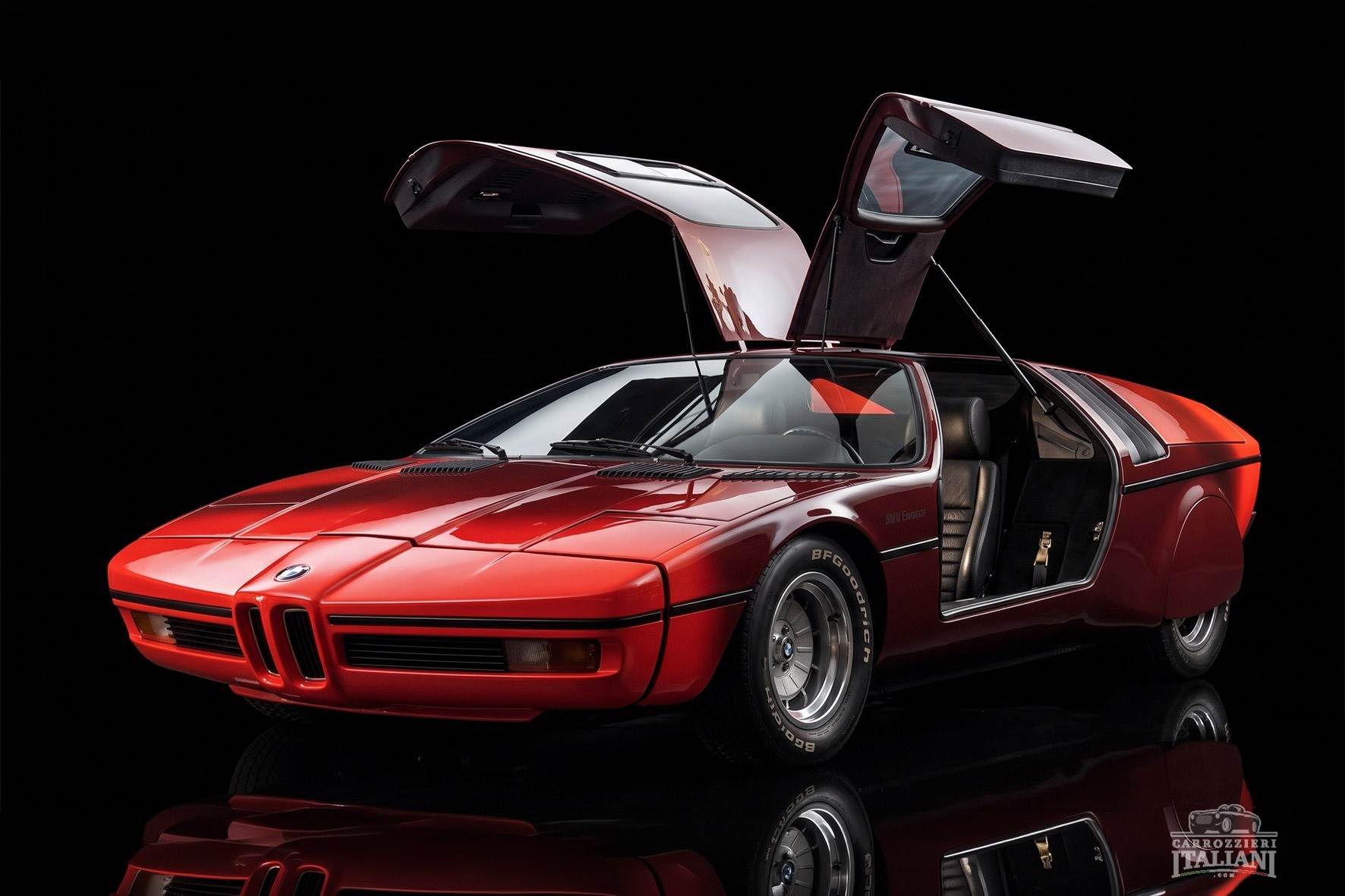
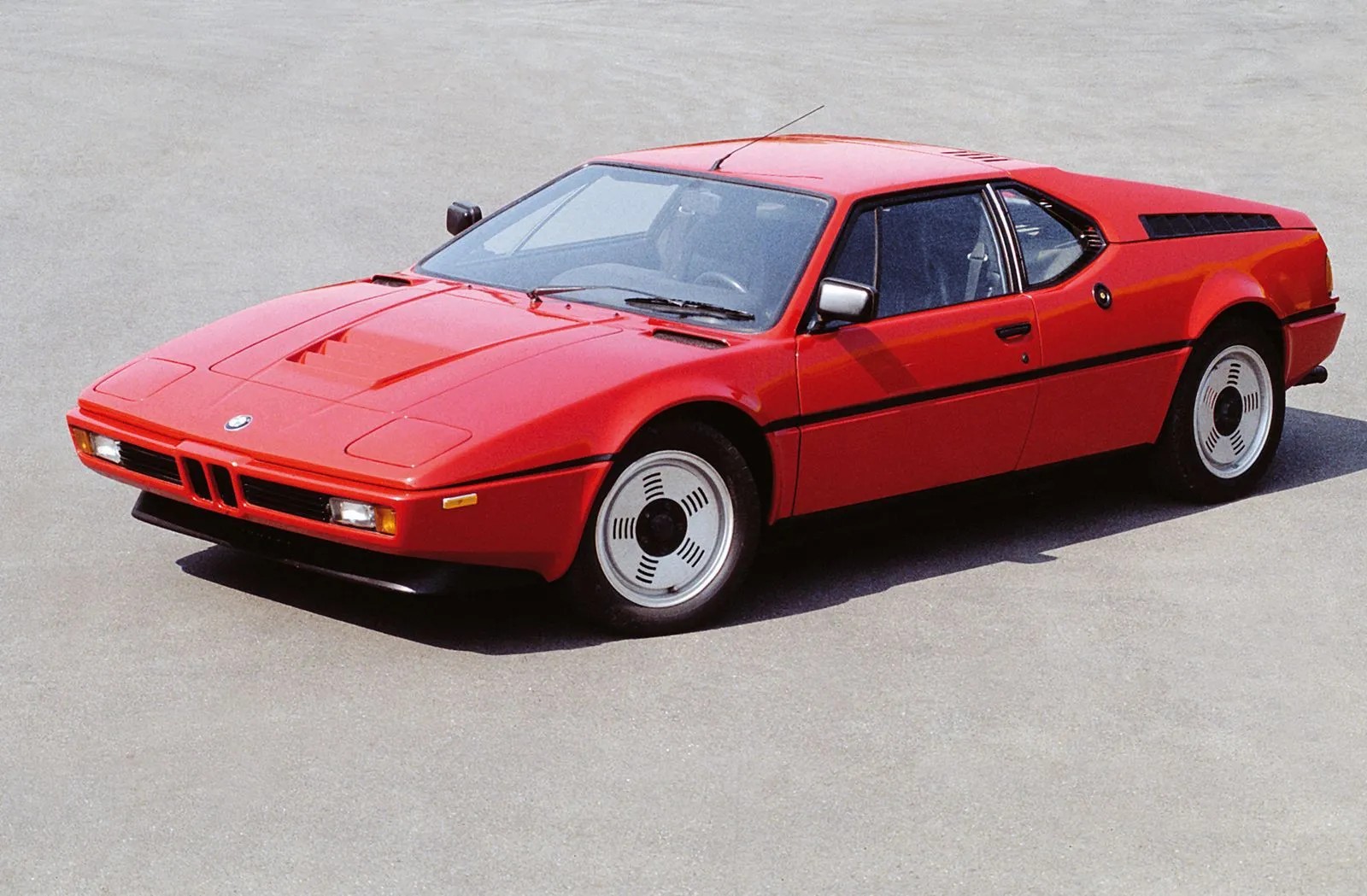
The BMW Turbo E25 was designed by Paul Bracq, head of BMW design. It was built by Michelotti in Turin around a modified 2002 unitary steel floorpan. The wheelbase was reduced to 2400mm (nearly 100mm shorter than standard) and the chassis modified to accommodate a mid-mounted engine. Suspension was via a MacPherson strut arrangement at the front and semi-trailing arms at the back. Visually Bracq’s design was a complete departure from anything BMW had produced before. Aside from the trademark kidney grilles there was nothing of BMW heritage. A wedge profile, retractable headlights and Gullwing doors were de rigueur for any mid-engined concept of the era. Where the BMW Turbo differed from its peers was its extensive adoption of innovative safety features. The Turbo (also called Turbo X1) was first presented to the public in 1972 in front of the new BMW high-rise, the so-called “four-cylinder”, and was intended exclusively as a technology carrier. It thus remained a prototype. The body was made of steel, while Europe’s first deformable bumpers (made of ABS foam) were used at the front and rear. It also featured radar sensors to warn of rear-end collisions. In the interior, BMW showed for the first time the center console slightly inclined towards the driver. Due to high demand from auto shows wanting to display the Turbo prototype, BMW made a second car. Its rear wheels were half covered to achieve better aerodynamics. These covers were replicated for the earlier prototype to achieve a uniform look. Another highlight was the gullwing doors, whose windows had a small sliding window on the second prototype built later. Many of the ideas and details gleaned from the car were carried over into the BMW M1 produced from the fall of 1978 to the end of 1981, such as the folding headlights and the BMW badges located on the left and right sides of the rear. The car’s engine came from the BMW 02 series. The engine, which was small for such a vehicle and had a displacement of only 2 liters, produced 206 kW/280 hp thanks to a turbocharger and accelerated the car to 250 km/h. As a rule, one of the two cars is at BMW in Munich, the other at the BMW center in Greer (South Carolina) in the USA.
IN THE ARCHIVE
Coachbuilders & design studios

02 / TECHNICAL IDENTITY
Specifications & construction
Production & construction
- Production
- 2
- Production type
- Prototype
- Production notes
- Two-car BMW Turbo E25 programme. BMW official history supports Paul Bracq authorship and two examples; Michelotti is retained only for documented prototype-construction contribution.
Engine & performance
- Engine configuration
- Inline-4
- Specification notes
- ROLE SPLIT — Paul Bracq = designer. Studio Michelotti = prototype builder/construction contributor. Available secondary accounts differ on whether Michelotti built both examples or specifically the later/second car, so no all-units build claim is made.
Dimensions & accommodation
- Length
- 4,155 mm
- Width
- 1,880 mm
- Height
- 1,880 mm
Design & manufacture
- Prototype builder · Documented
- Studio Michelotti
- Manufacturer · Documented
- BMW
- Designer · Documented
- Paul Bracq
06 / EVENTS & AWARDS
Events & awards
Paris General · legacy_preserved
- Date
- 1972
- Chassis
- General
Preserved CI 1.0 relation. Evidence field: _yoast_wpseo_primary_events. No award inferred.
07 / THE VEHICLE IN DETAIL
Photo gallery 8 photographs
Show 2 more photographs Show fewer photographs
08 / FROM THE ARCHIVE
Archive
References held in the vehicle dossier. Their inclusion does not establish that every historical claim has been independently verified.
| Reference | Source type |
|---|---|
| BMW M — The BMW Turbo www.bmw-m.com | Manufacturer official history |
| Carrozzieri Italiani — BMW Turbo E25 www.carrozzieri-italiani.com | Exact vehicle archive |
THE CONVERSATION
Comments 0
Share a memory, a period photograph or a documented detail about this car.