
THE VEHICLE AT A GLANCE
Model dossier
- Production period
- 1997
- Body style
- Berlina
- Engine
- Inline-4
- Type
- Mass
THE PEOPLE BEHIND THE CAR
Coachbuilding, design & conversions


PRICE & SALES RECORD
Vehicle value
- Original price
- Not documented
- Latest recorded sale
- Not documented
01 / THE STORY
History & context
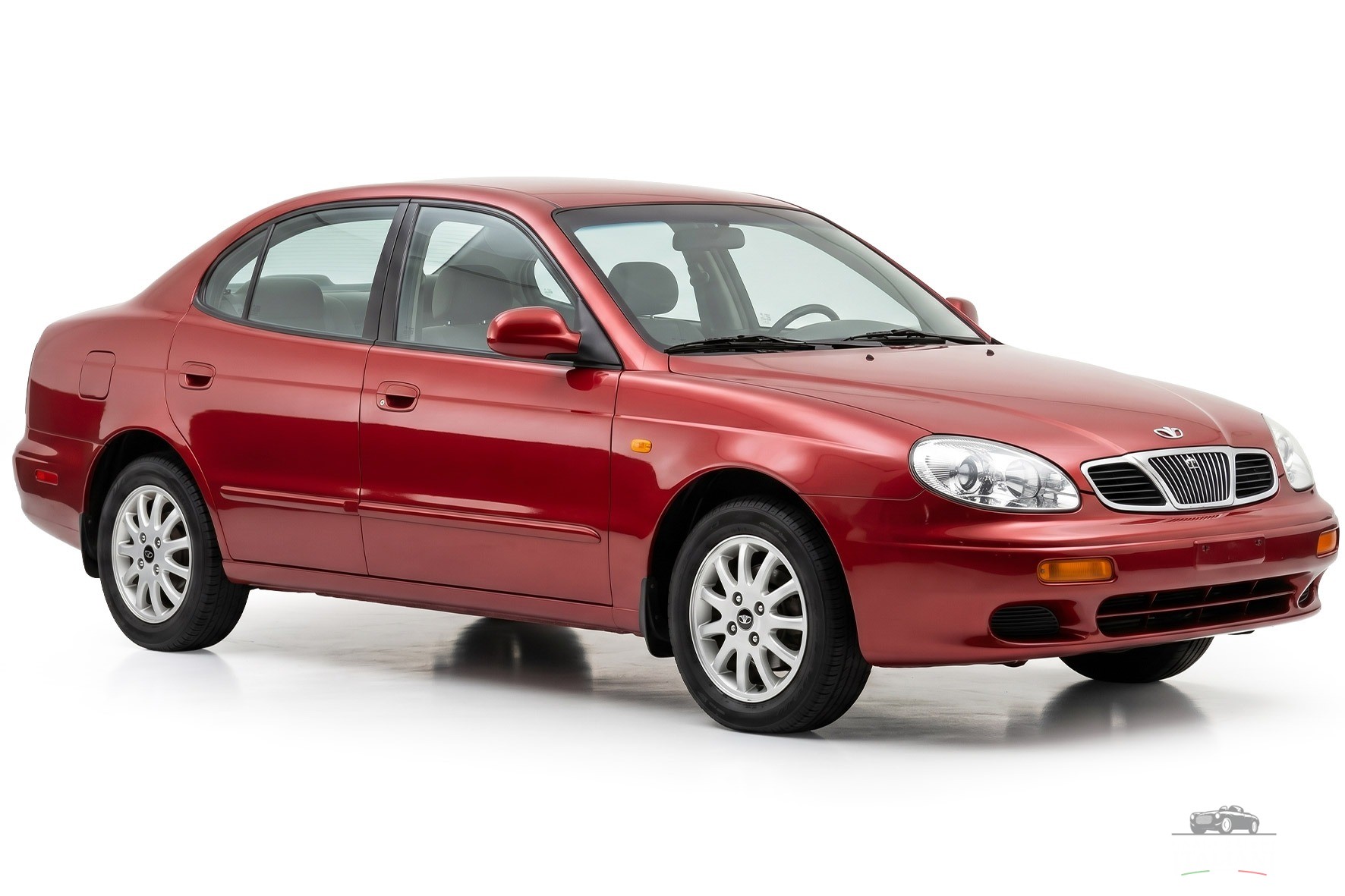
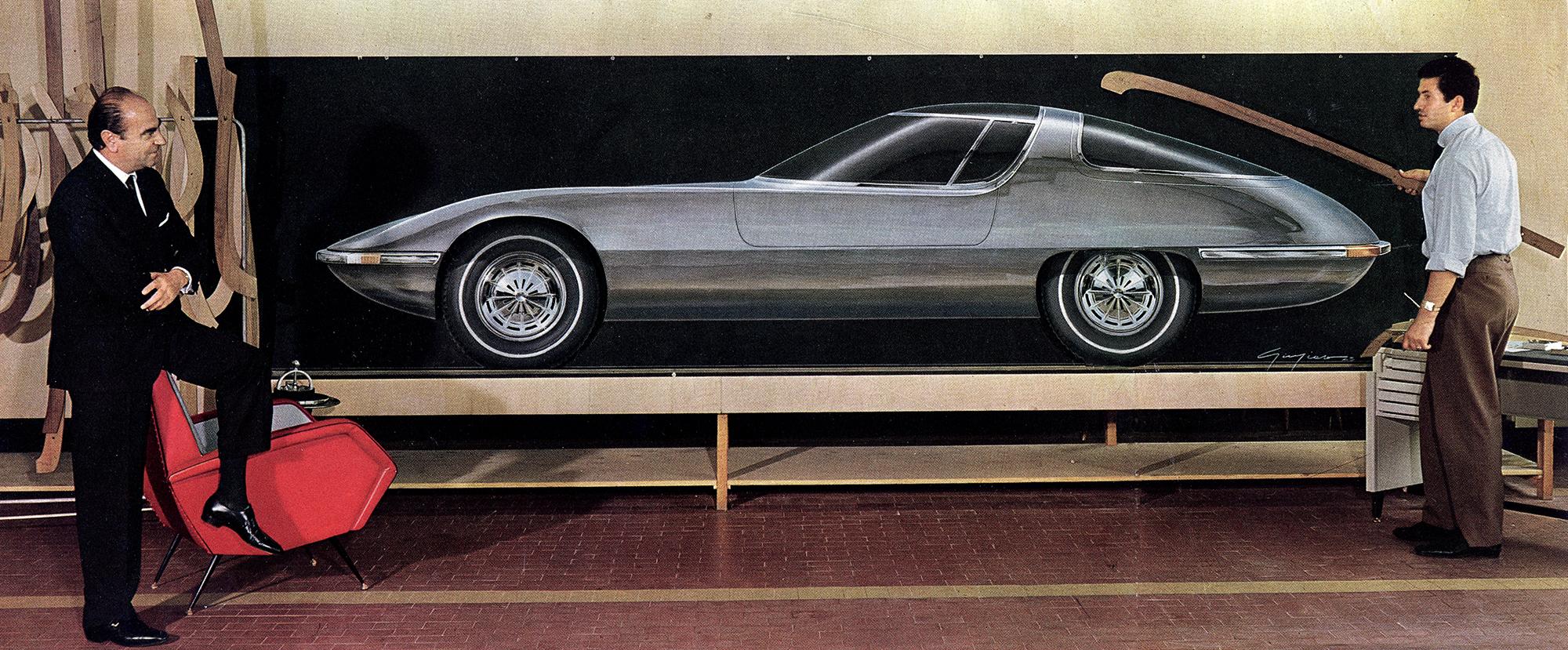
The Daewoo Leganza, a key model in the “x100” series developed by Daewoo in the early 1990s, was designed to replace earlier cars of the Korean automaker, which were based on General Motors-Opel technology and chassis. Positioned as a successor to the Daewoo Espero and Daewoo Prince, the Daewoo Leganza was developed to become the flagship of the brand. This ambitious project aimed to elevate Daewoo’s automotive offerings by integrating advanced engineering and innovative design. Under the leadership of Ulrich Bez, who brought significant experience from Porsche and BMW, Daewoo’s engineering department was tasked with creating a modern, competitive vehicle. The “x100” project included various models, and the Daewoo Leganza was assigned the design code V100. The development of the V100 project began in late 1993, and over the next 30 months, Daewoo invested approximately $500 million into bringing the model to life. This large-scale project involved numerous suppliers, ensuring the Daewoo Leganza was built with the latest automotive technologies and design elements. For the design of the Daewoo Leganza, Daewoo enlisted the expertise of Giorgetto Giugiaro’s Italdesign, a firm renowned for its innovative approach to car styling. By the spring of 1994, only three months after the project began, the final design was approved by Daewoo’s leadership. Giugiaro drew inspiration from his own Jaguar Kensington concept car from 1990 and the 1991 Lexus GS, adapting these influences to create a front-wheel-drive sedan with a distinct Korean identity. The design featured hallmark Daewoo styling elements, such as the oval grille adorned with chrome strips and round headlights, which contributed to the Daewoo Leganza’s unique family resemblance. The Daewoo Leganza was positioned as a stylish and affordable option in the midsize sedan segment, combining European design sophistication with Korean engineering. It represented Daewoo’s commitment to creating vehicles that appealed to both domestic and international markets, offering advanced features, a smooth driving experience, and distinctive design at a competitive price point. In summary, the Daewoo Leganza was an important milestone for Daewoo, marking the brand’s evolution from using GM-based designs to developing more independent, innovative vehicles. Through its collaboration with Italdesign and strategic investments in engineering, Daewoo was able to create a sedan that was both technologically advanced and stylishly unique. The Leganza remains a notable example of Daewoo’s push to build a stronger presence in the global automotive market.
IN THE ARCHIVE
Related people
IN THE ARCHIVE
Coachbuilders & design studios
02 / TECHNICAL IDENTITY
Specifications & construction
Production & construction
- Production type
- Mass
Engine & performance
- Engine configuration
- Inline-4
Dimensions & accommodation
- Length
- 4,671 mm
- Width
- 1,779 mm
- Height
- 1,437 mm
Design & manufacture
- Designer · Candidate
- Giorgetto Giugiaro
- Design Studio · Documented
- Italdesign
- Manufacturer · Documented
- Daewoo
06 / EVENTS & AWARDS
Events & awards
No events or documented awards are currently recorded for this vehicle.
07 / THE VEHICLE IN DETAIL
Photo gallery
No publishable photographs are currently catalogued for this vehicle.
08 / FROM THE ARCHIVE
Archive
References held in the vehicle dossier. Their inclusion does not establish that every historical claim has been independently verified.
| Reference | Source type |
|---|---|
| Italdesign official archive — Daewoo Leganza www.italdesign.it | Official first-party project archive |

THE CONVERSATION
Comments 0
Share a memory, a period photograph or a documented detail about this car.