
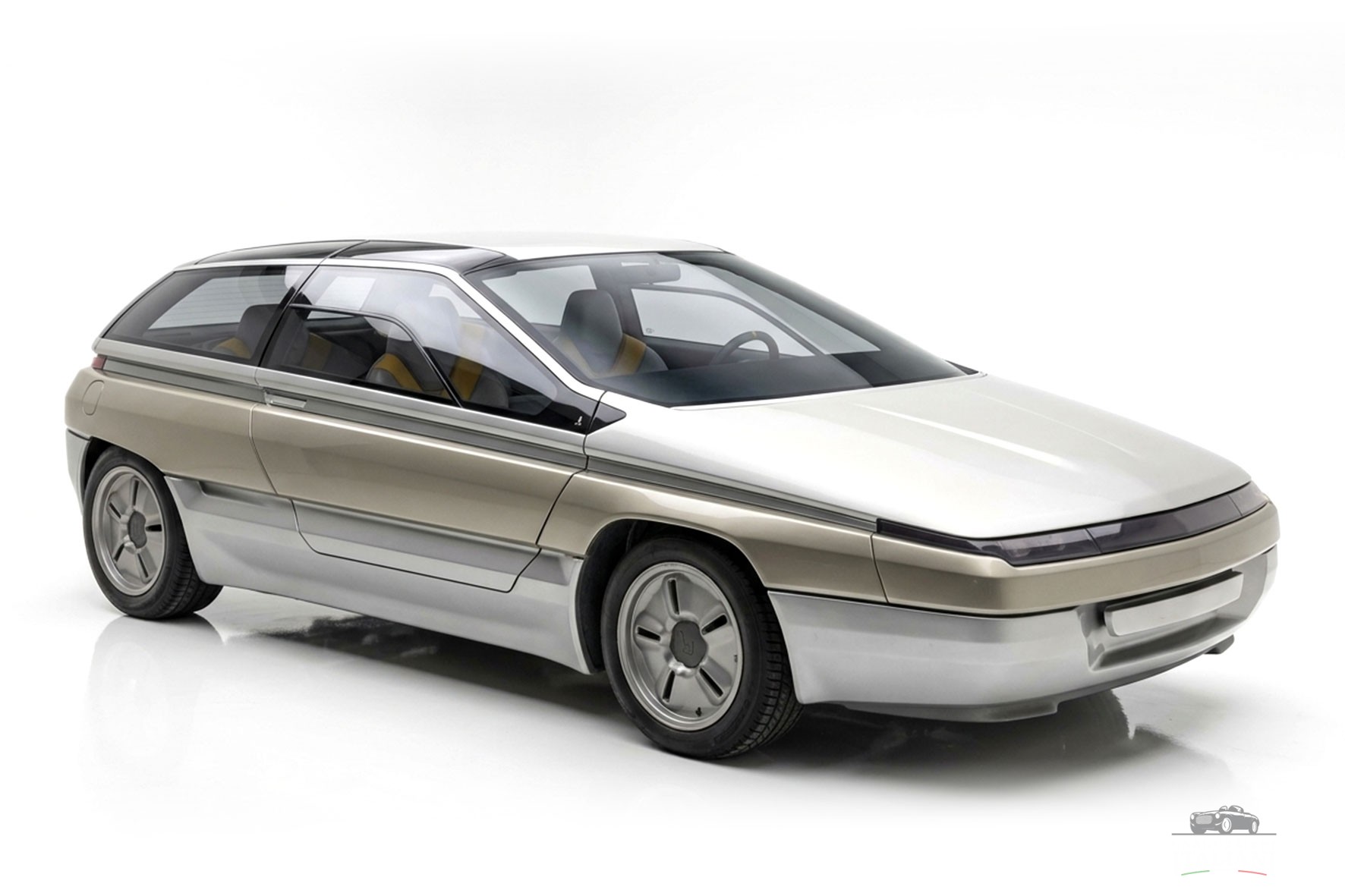
THE VEHICLE AT A GLANCE
Model dossier
- Production period
- 1986
- Body style
- Shooting Brake
- Engine
- Inline-4
- Type
- Concept
THE PEOPLE BEHIND THE CAR
Coachbuilding, design & conversions
PRICE & SALES RECORD
Vehicle value
- Original price
- Not documented
- Latest recorded sale
- Not documented
01 / THE STORY
History & context
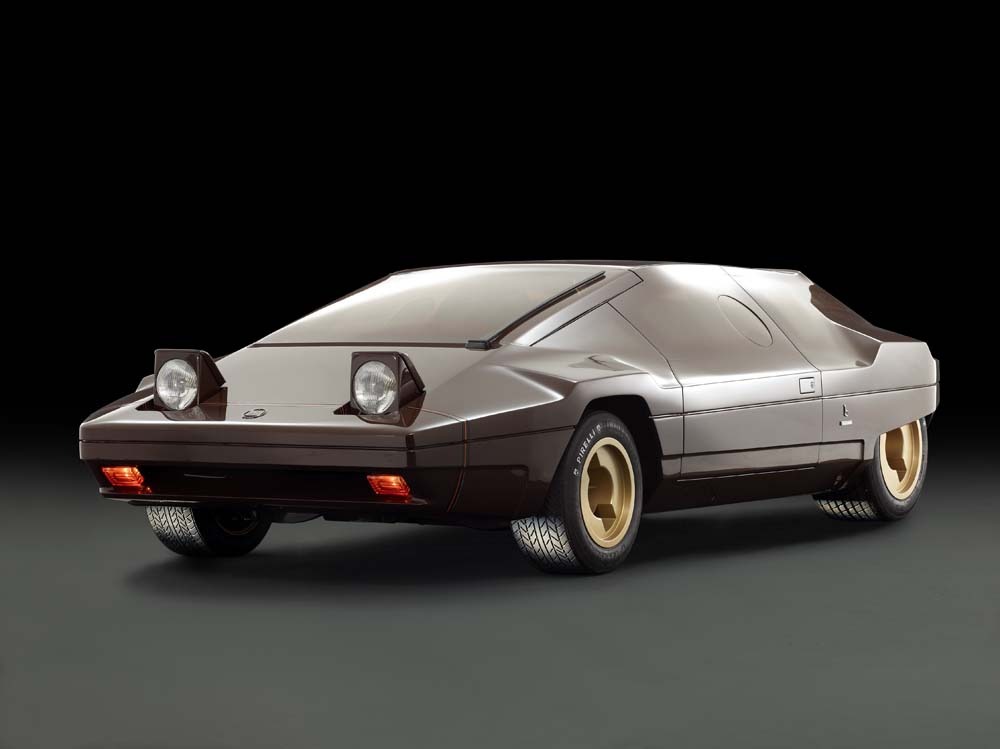
The Citroën Zabrus, designed by Bertone, is an experimental prototype born from the collaboration with the French manufacturer. Staying true to Bertone’s tradition, the Zabrus is not merely a design exercise but a fully-functional concept car with working mechanical components. Under the direction of Marc Deschamps, the Zabrus showcases an almost excessive styling that incorporates impactful design solutions, a hallmark of Bertone’s innovative approach. One of the most striking features of the Citroën Zabrus is its distinctive door design. These doors open forwards and upwards, a dramatic feature first seen on the 1968 Carabo and later implemented on the Lamborghini Countach in 1971. This unique door mechanism not only adds to the visual appeal but also enhances accessibility. The interior of the Zabrus is equally futuristic, featuring multi-functional electronic controls integrated into an innovative dashboard. This advanced instrumentation underscores the car’s forward-thinking design ethos. The front seats are designed to rotate outwards, facilitating easy access for passengers. Additionally, the driver’s seat is equipped with an automatic positioning system using infra-red beams to ensure optimal visibility for the driver. Despite its aggressive and avant-garde appearance, the Citroën Zabrus does not compromise on passenger space and comfort. The interior is spacious, ensuring a comfortable ride for all occupants. This blend of radical design and practical functionality highlights Bertone’s ability to push the boundaries of automotive design while maintaining usability. The Zabrus serves as a testament to Bertone’s creative prowess and the ability to create concept cars that are both visually striking and mechanically viable. It represents a vision of the future where design and technology seamlessly merge to create vehicles that are not only aesthetically pleasing but also functional and comfortable. The Citroën Zabrus remains a significant example of Bertone’s legacy in automotive innovation.
IN THE ARCHIVE
Coachbuilders & design studios
02 / TECHNICAL IDENTITY
Specifications & construction
Production & construction
- Production type
- Concept
- Mechanical platform
- Citroën BX 4TC mechanical basis
Engine & performance
- Engine configuration
- Inline-4
- Drive
- All-wheel drive
- Specification notes
- TECH 2026-09-21 — ASI and specialist Citroën documentation identify Zabrus as based on the four-wheel-drive BX 4TC architecture. BX 4TC basis and AWD are structured; exact engine output remains secondary-source only pending a stronger primary technical sheet.
Dimensions & accommodation
- Length
- 4,300 mm
- Width
- 1,880 mm
- Height
- 1,370 mm
Design & manufacture
- Coachbuilder / Body Builder · Documented
- Bertone
- Designer · Candidate
- Marc Deschamps
- Manufacturer · Documented
- Citroën
04 / INDIVIDUAL HISTORY
Chassis & provenance
Ownership & provenance
- Ownership & history · Legacy attribution
- Car Collection
06 / EVENTS & AWARDS
Events & awards
Torino General · legacy_preserved
- Date
- 1986
- Chassis
- General
Preserved CI 1.0 relation. Evidence field: _yoast_wpseo_primary_events. No award inferred.
07 / THE VEHICLE IN DETAIL
Photo gallery 6 photographs
08 / FROM THE ARCHIVE
Archive
References held in the vehicle dossier. Their inclusion does not establish that every historical claim has been independently verified.
| Reference | Source type |
|---|---|
| ASI — Collezione ASI Bertone, Citroën Zabrus asifed.it | Institutional collection reference |
| Citroën specialist archive — Zabrus by Bertone www.citroenet.org.uk | Specialist model archive |
THE CONVERSATION
Comments 0
Share a memory, a period photograph or a documented detail about this car.