
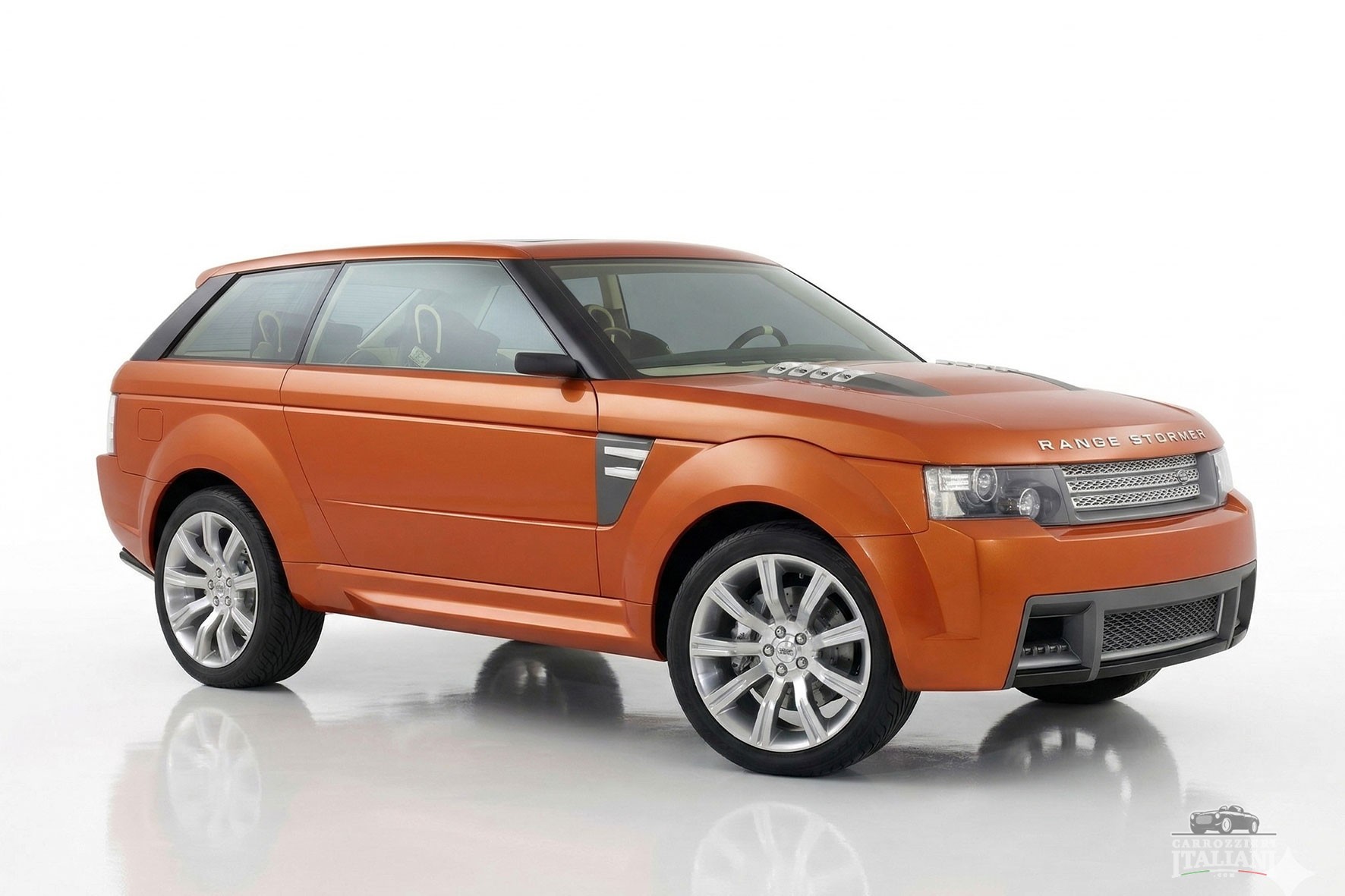
THE VEHICLE AT A GLANCE
Model dossier
- Manufacturer
- Land Rover
- Base model
- Range Rover Stormer
- Production period
- 2004
- Body style
- SUV
- Engine
- V8
- Type
- Prototype
- Production
- 1
THE PEOPLE BEHIND THE CAR
Coachbuilding, design & conversions

PRICE & SALES RECORD
Vehicle value
- Original price
- Not documented
- Latest recorded sale
- Not documented
01 / THE STORY
History & context
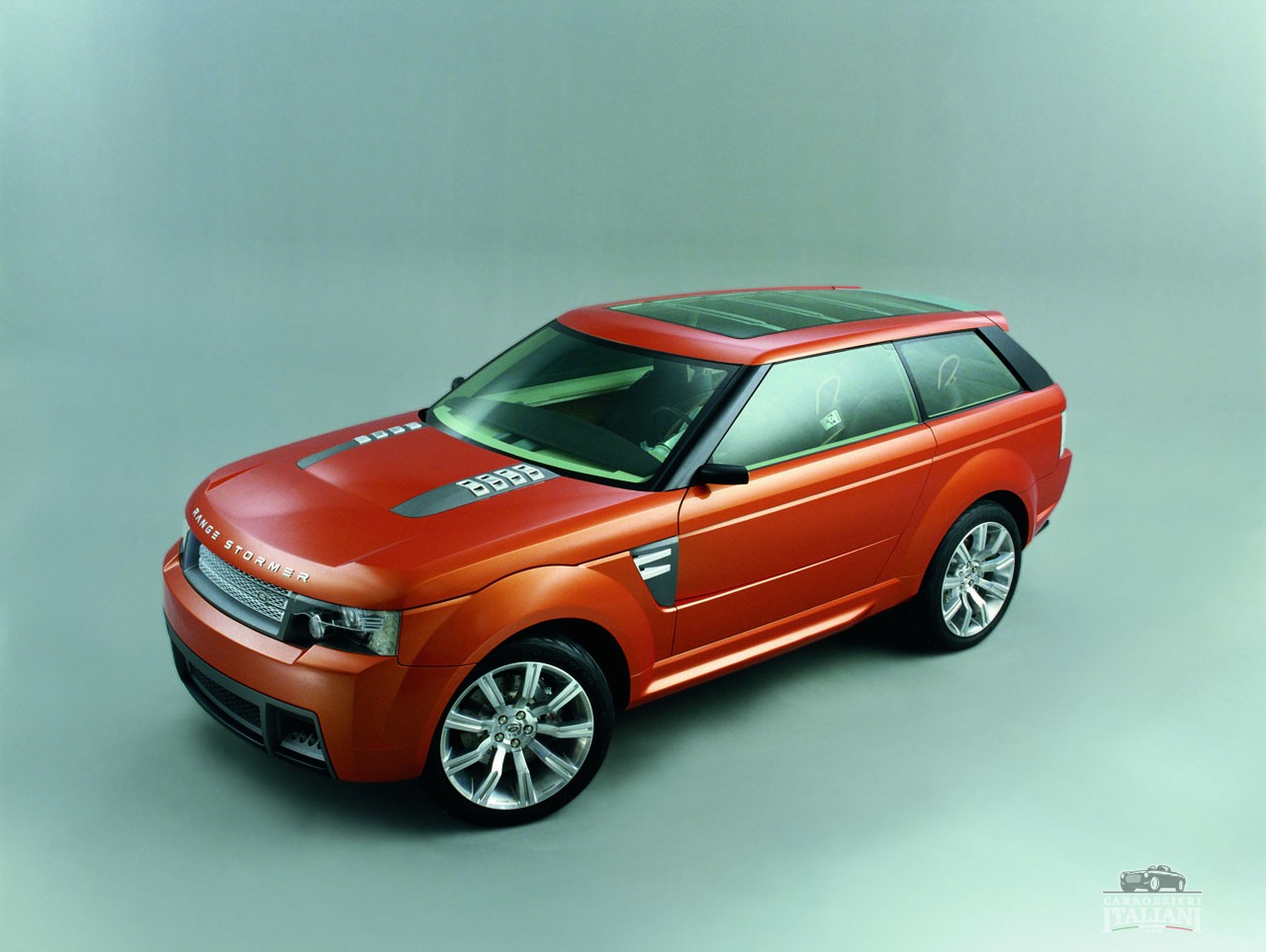
The Range Rover Stormer was developed as a three-door high-performance luxury SUV concept to present a potential future direction for the Range Rover product line. The vehicle debuted in 2004 and was constructed as a fully functional concept through a collaboration between Land Rover’s design studio in the United Kingdom and the Italian coachbuilder Stola in Rivoli, near Turin. Stola was responsible for the prototype engineering phase, exterior and interior model construction, component integration and final vehicle assembly based on digital surface data and engineering parameters supplied by Land Rover. The concept explored an integrated vehicle architecture combining structural rigidity similar to monocoque construction with durability characteristics associated with traditional body-on-frame sport utility vehicles. The drivetrain configuration included a supercharged V8 petrol engine derived from Jaguar powertrain architecture paired with a six-speed automatic transmission. Permanent four-wheel drive and electronically controlled air suspension with adjustable ride height were integrated into the concept platform. Stormer was used to demonstrate the Terrain Response control system, which allowed the driver to select specific operating modes for different driving surfaces through a central rotary selector. Each mode automatically adjusted drivetrain calibration, suspension behaviour and traction management parameters. The exterior design maintained several characteristic Range Rover elements including the clamshell bonnet, floating roof effect, straight beltline and pronounced shoulder geometry. The concept adopted a shortened wheelbase and increased track width relative to the contemporary Range Rover in order to emphasize a lower and more performance-oriented stance. The body configuration featured three doors and incorporated electrically powered two-piece side doors consisting of an upper lifting section and a lower folding section forming an integrated access step. The rear structure used an electrically actuated split tailgate with a lifting upper panel and a folding lower platform. The luggage compartment incorporated powered storage compartments integrated within the floor and side panels. Interior construction combined aluminium structural elements with natural materials including leather and oak wood trim. The seating system used lightweight structural frames with extensive saddle leather upholstery applied across seating surfaces, dashboard, centre console, door panels and floor coverings. Exterior equipment included forged aluminium 22-inch wheels, custom tyres and concept-specific lighting assemblies integrated into the body structure.
IN THE ARCHIVE
Coachbuilders & design studios
02 / TECHNICAL IDENTITY
Specifications & construction
Production & construction
- Production
- 1
- Production type
- Prototype
Engine & performance
- Engine configuration
- V8
Dimensions & accommodation
- Length
- 4,800 mm
- Width
- 2,015 mm
- Height
- 1,800 mm
Design & manufacture
- Prototype builder / Body Builder · Documented
- Stola
- Manufacturer · Documented
- Land Rover
06 / EVENTS & AWARDS
Events & awards
No events or documented awards are currently recorded for this vehicle.
07 / THE VEHICLE IN DETAIL
Photo gallery 17 photographs
Show 11 more photographs Show fewer photographs
08 / FROM THE ARCHIVE
THE CONVERSATION
Comments 0
Share a memory, a period photograph or a documented detail about this car.