
THE VEHICLE AT A GLANCE
Model dossier
- Manufacturer
- Lancia
- Base model
- Augusta Cabriolet
- Coachbuilder
- Stabilimenti Farina
- Production period
- 1935
- Body style
- Cabriolet
- Designer
- Pietro Frua
THE PEOPLE BEHIND THE CAR
Coachbuilding, design & conversions

PRICE & SALES RECORD
Vehicle value
- Original price
- Not documented
- Latest recorded sale
- Not documented
01 / THE STORY
History & context
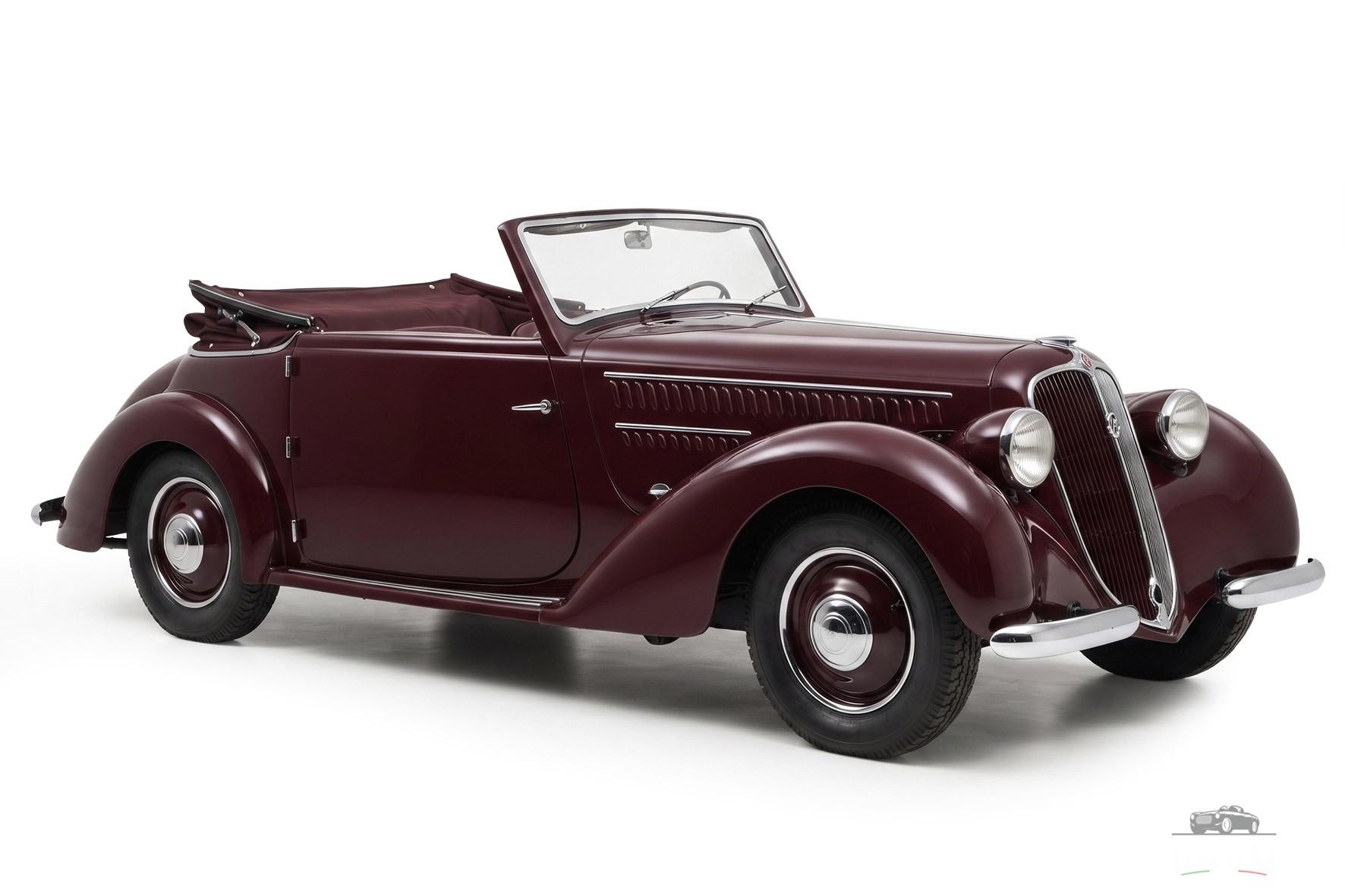
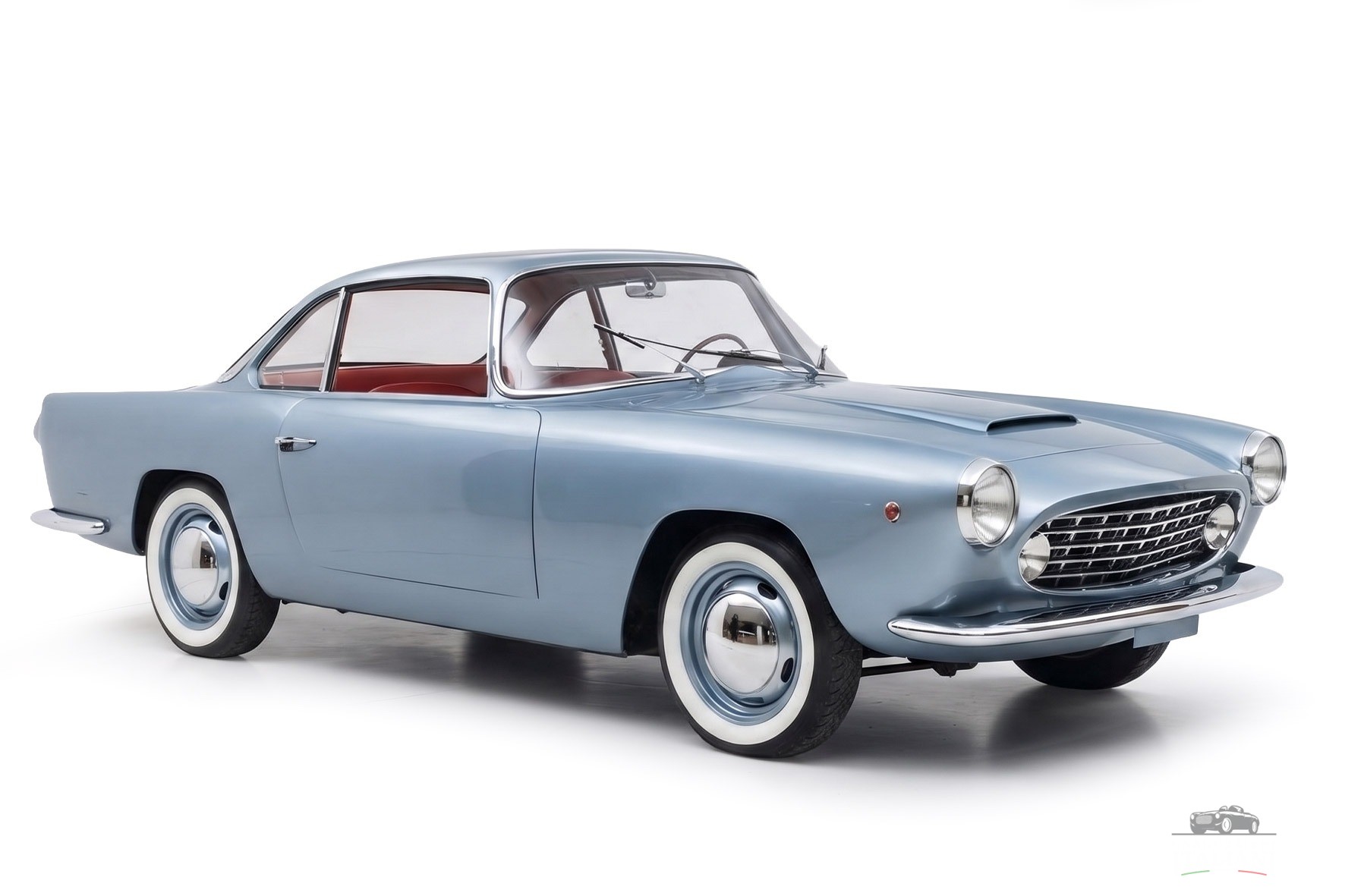
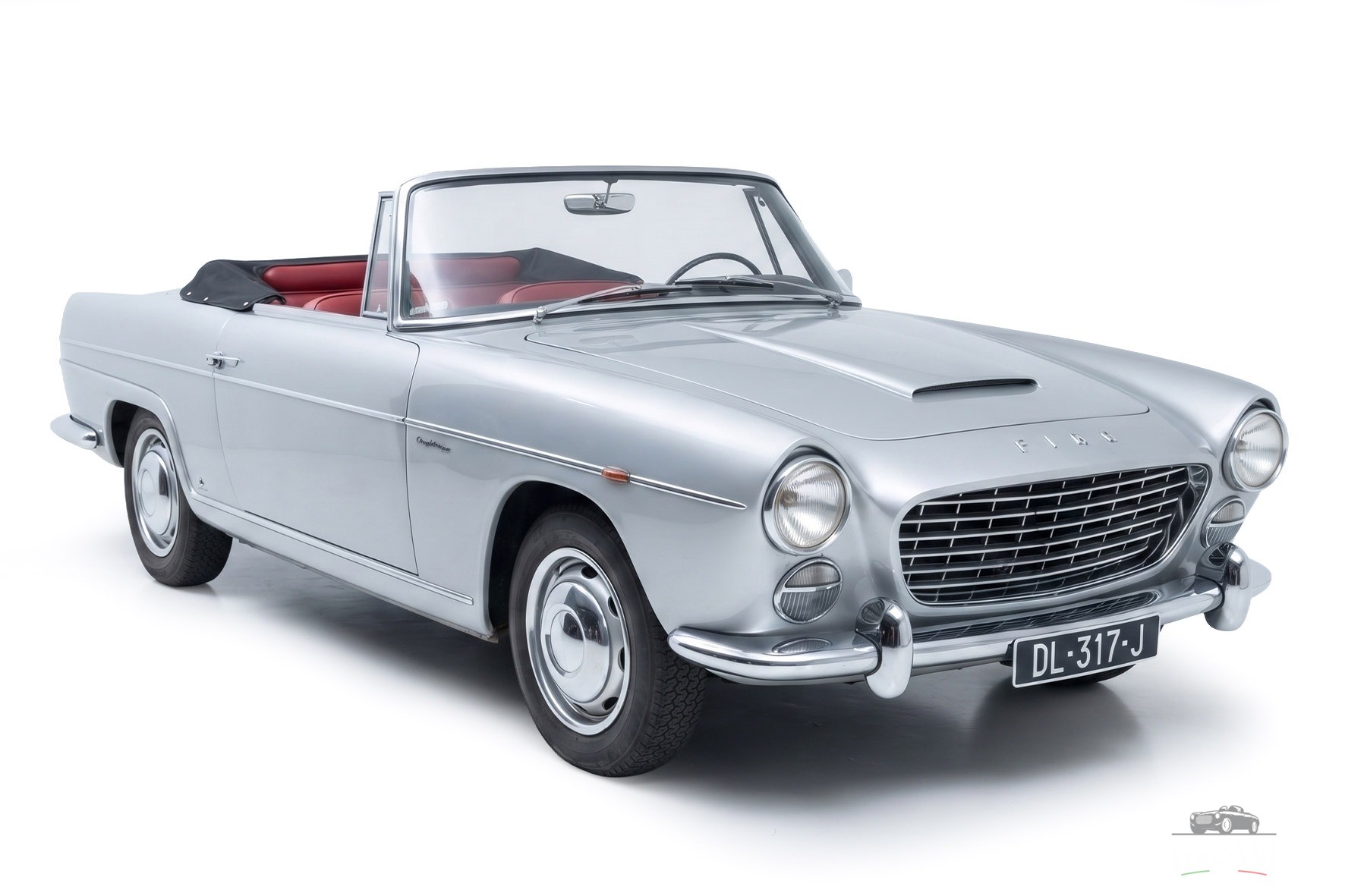
The 1935 Lancia Augusta Cabriolet by Stabilimenti Farina represents a refined example of pre-war Italian coachbuilding applied to a compact chassis. Commissioned for Baroness Elena Jellouschegg de Fischtenan, the car combines the engineering of the Lancia Augusta with bespoke open-body coachwork attributed to Pietro Frua, who was at the time a young designer working within the Stabilimenti Farina studio. His influence is evident in the body’s clean proportions, restrained detailing, and careful balance between structural clarity and decorative subtlety. Mechanically, the Augusta was equipped with Lancia’s narrow-angle V4 engine, displacing 1,196 cc and producing modest power within its category. It featured a three-speed gearbox, independent front suspension, and a monocoque-type chassistechnically advanced elements for a model of its class. The cabriolet configuration, though uncommon on the Augusta, offered a level of exclusivity aligned with upper-class private commissions of the time. The car received formal recognition shortly after completion. It was presented at the Concorso d’Eleganza di Como, held at Villa Olmo on 1415 September 1935. Entered as number 79 in Class XIII, reserved for transformable vehicles under 1,500 cc, the Augusta cabriolet was awarded the “Coppa di 1° grado” for its category. This distinction placed it among the most favorably judged entries in its class and emphasized the significance of its design and craftsmanship. While most Augusta models were delivered with factory-built saloon bodies, a limited number were turned over to external carrozzerie for custom treatment. The Stabilimenti Farina cabriolet remains one of the few known examples, further distinguished by its period provenance, concours participation, and association with Pietro Frua’s early stylistic contributions. It stands as a representative artifact of mid-1930s Italian automotive design, shaped by a collaboration between technical engineering and the emerging aesthetic direction of custom-bodied light automobiles.
02 / TECHNICAL IDENTITY
Specifications & construction
Production & construction
- Production
- 1
- Production type
- One-off
Engine & performance
- Engine configuration
- V4
- Displacement
- 1,196 cc
- Power (CV)
- 35 CV
- Engine speed
- 4,000 rpm
- Transmission
- Manual 4-speed
- Drive
- Rear-wheel drive
- Gearbox
- Manual 4-speed
- Drivetrain
- RWD
- Power RPM
- 4000 rpm
03 / DESIGN, BODY & SUPPLIERS
Design, body & suppliers
Design & manufacture
- Designer · Documented
- Pietro Frua
- Manufacturer · Documented
- Lancia
- Coachbuilder / Body Builder · Documented
- Stabilimenti Farina
Body form & construction
- Body style
- Cabriolet
04 / EVENTS & CHRONOLOGY
Events & chronology
Coppa d'Oro Principessa di Piemonte General · legacy_preserved
- Date
- 1935
- Chassis
- General
Preserved CI 1.0 relation. Evidence field: list_of_awards_0_events. No award inferred.
CHRONOLOGICAL RECORD
General chronology
Chronological history1 dated records
- Unassigned chassis · Event
Coppa d'Oro Principessa di Piemonte
08 / GALLERY
Photo gallery 1 photographs
09 / PERIOD ARCHIVE
Period photographs & advertising
The period archive gallery will show historical photographs, advertisements, brochures and press images once assets, provenance and usage rights have been recorded in the masterfile.


THE CONVERSATION
Comments 0
Share a memory, a period photograph or a documented detail about this car.