
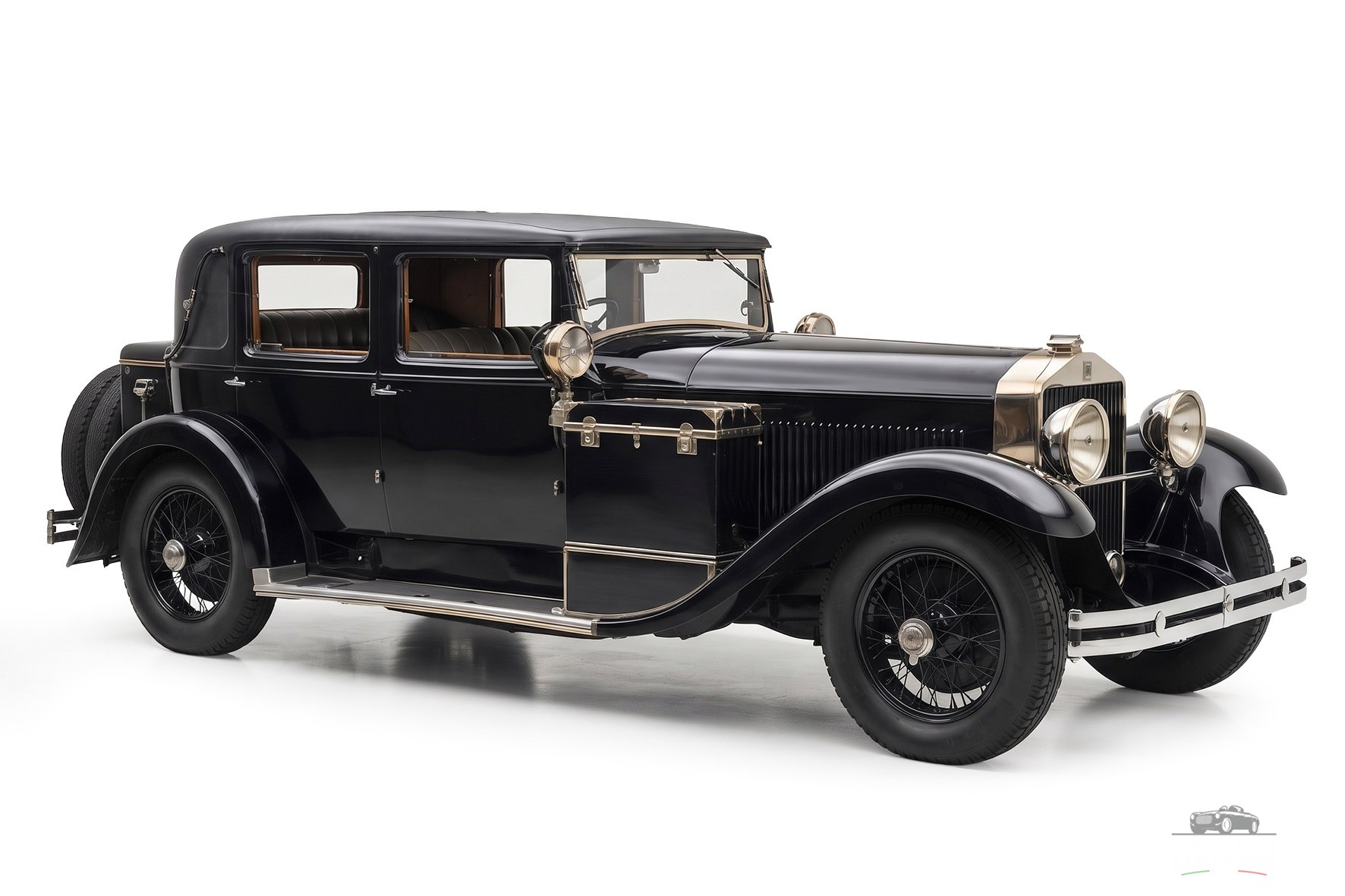
THE VEHICLE AT A GLANCE
Model dossier
- Production period
- 1928
- Body style
- Faux Cabriolet / Berlina
- Chassis
- 1423
- Engine
- Inline-8
- Type
- One-off
- Production
- 1
THE PEOPLE BEHIND THE CAR
Coachbuilding, design & conversions

PRICE & SALES RECORD
Vehicle value
- Original price
- Not documented
- Latest recorded sale
- Not documented
01 / THE STORY
History & context
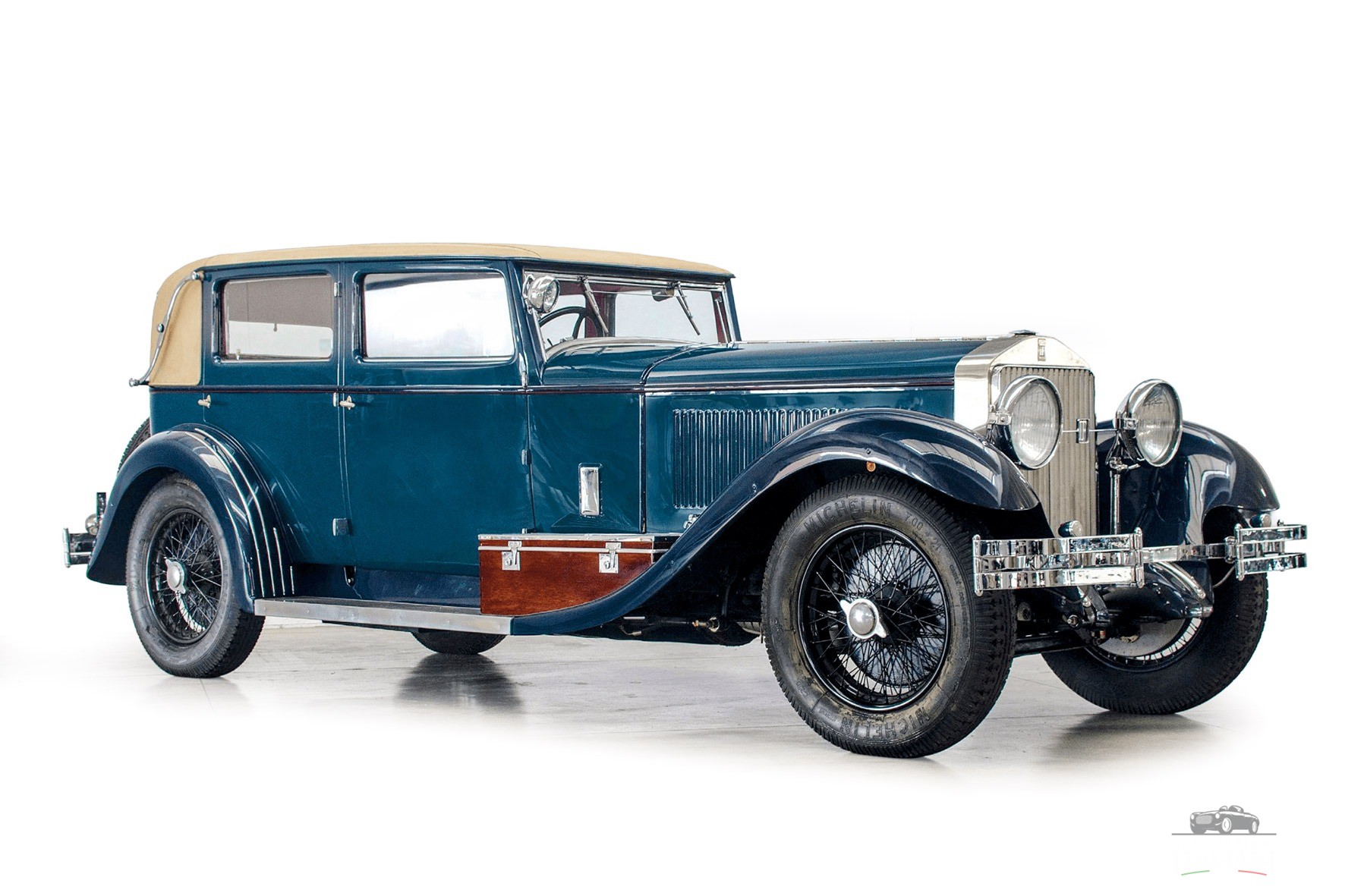
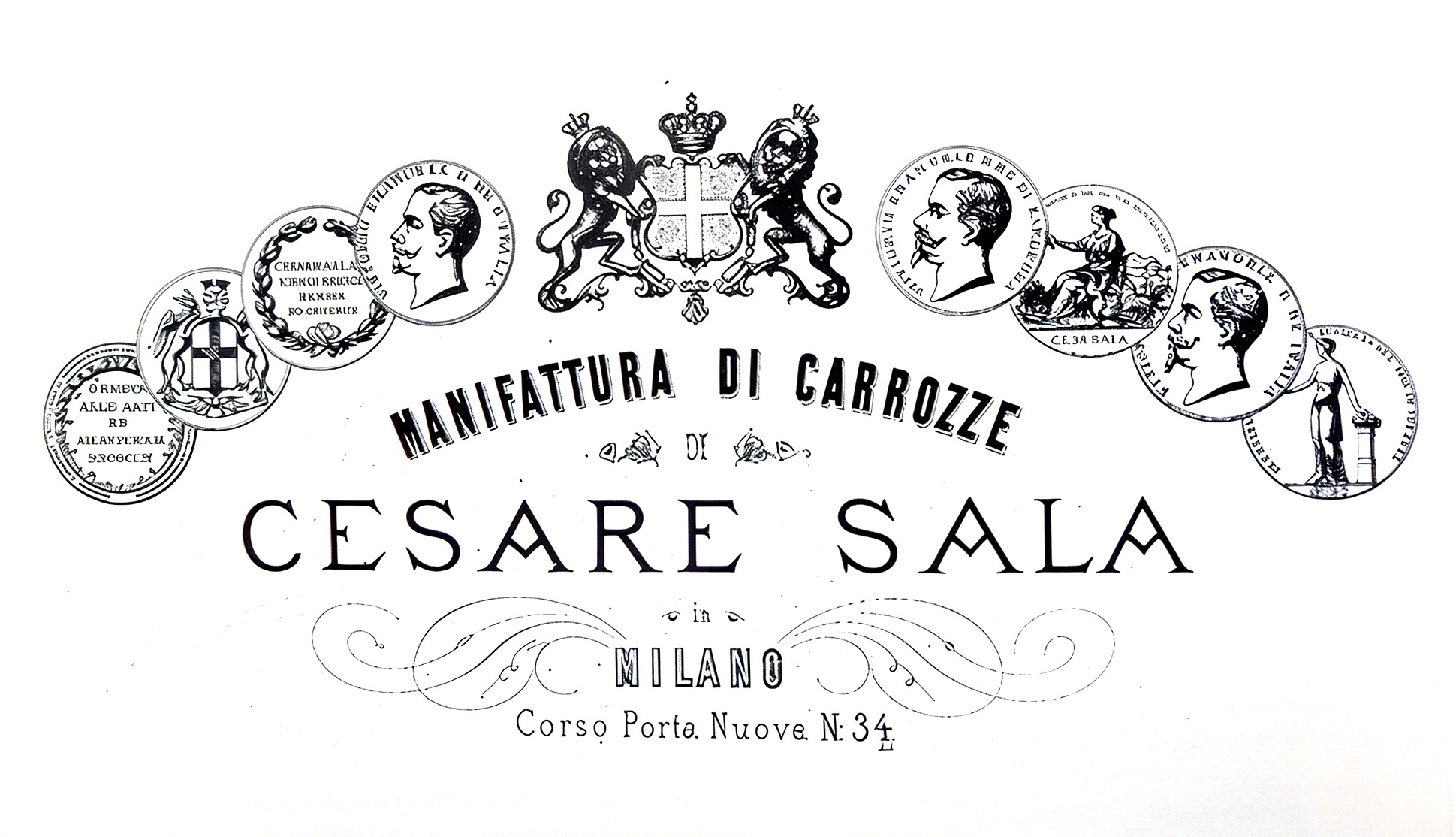
The Isotta Fraschini Tipo 8A SS, chassis 1423, was completed in 1928 with faux cabriolet coachwork by Cesare Sala of Milan for Marquis Francesco de Pinedo. The commission reflects the practice of supplying the Tipo 8A as a rolling chassis to be completed by independent coachbuilders according to the client’s requirements. Chassis 1423 belonged to the Super Sport (SS) specification, intended for lighter, more performance-oriented bodies within the Tipo 8A range. The Tipo 8A, introduced in 1924, represented Isotta Fraschini’s most advanced production chassis. It was powered by a 7.3-litre inline eight-cylinder engine with overhead valves, designed for smoothness and sustained high-speed travel rather than outright output. The chassis featured a long wheelbase, servo-assisted braking, and suspension calibrated for comfort on extended journeys, characteristics that made the 8A particularly attractive to high-profile private clients and official figures. Francesco de Pinedo, born in Naples in 1890, was one of Italy’s most prominent aviators of the interwar period. He achieved international recognition through long-distance flights in the 1920s and held senior positions within the Regia Aeronautica before resigning following disagreements with Italo Balbo. His status and public profile placed him among the typical clientele for Isotta Fraschini’s top-tier models. Cesare Sala’s body for chassis 1423 adopted the faux cabriolet format, combining the visual cues of an open car with the structural advantages of a closed saloon. The roofline simulated a folding top while remaining fixed, a solution that offered weather protection and reduced wind noise without sacrificing the appearance associated with sporting cabriolets. The body proportions emphasized a long bonnet, a defined passenger compartment, and a balanced rear volume. Rear wheel spats and restrained chrome detailing contributed to a streamlined yet formal presentation. Construction followed traditional coachbuilding practice, with a wooden frame covered by hand-formed metal panels. Interior layout prioritized rear passenger comfort, consistent with the owner’s status, while maintaining driver visibility and accessibility. The completed car was delivered to Marquis de Pinedo on 3 April 1928.
IN THE ARCHIVE
Coachbuilders & design studios
02 / TECHNICAL IDENTITY
Specifications & construction
Production & construction
- Production
- 1
- Production type
- One-off
Engine & performance
- Engine configuration
- Inline-8
Design & manufacture
- Coachbuilder / Body Builder · Documented
- Sala
- Designer · Candidate
- Oliviero Bergomi
- Manufacturer · Documented
- Isotta Fraschini
04 / INDIVIDUAL HISTORY
Chassis & provenance
Chassis 1423
- Chassis number
- 1423
- Engine number
- 1494
- Year
- 1928
06 / EVENTS & AWARDS
Events & awards
No events or documented awards are currently recorded for this vehicle.
07 / THE VEHICLE IN DETAIL
Photo gallery 2 photographs
08 / FROM THE ARCHIVE
Archive
No publishable archival references are currently catalogued for this vehicle.
THE CONVERSATION
Comments 0
Share a memory, a period photograph or a documented detail about this car.