
Which Covers Can Help Reduce Unexpected Expenses after a Major Accident?
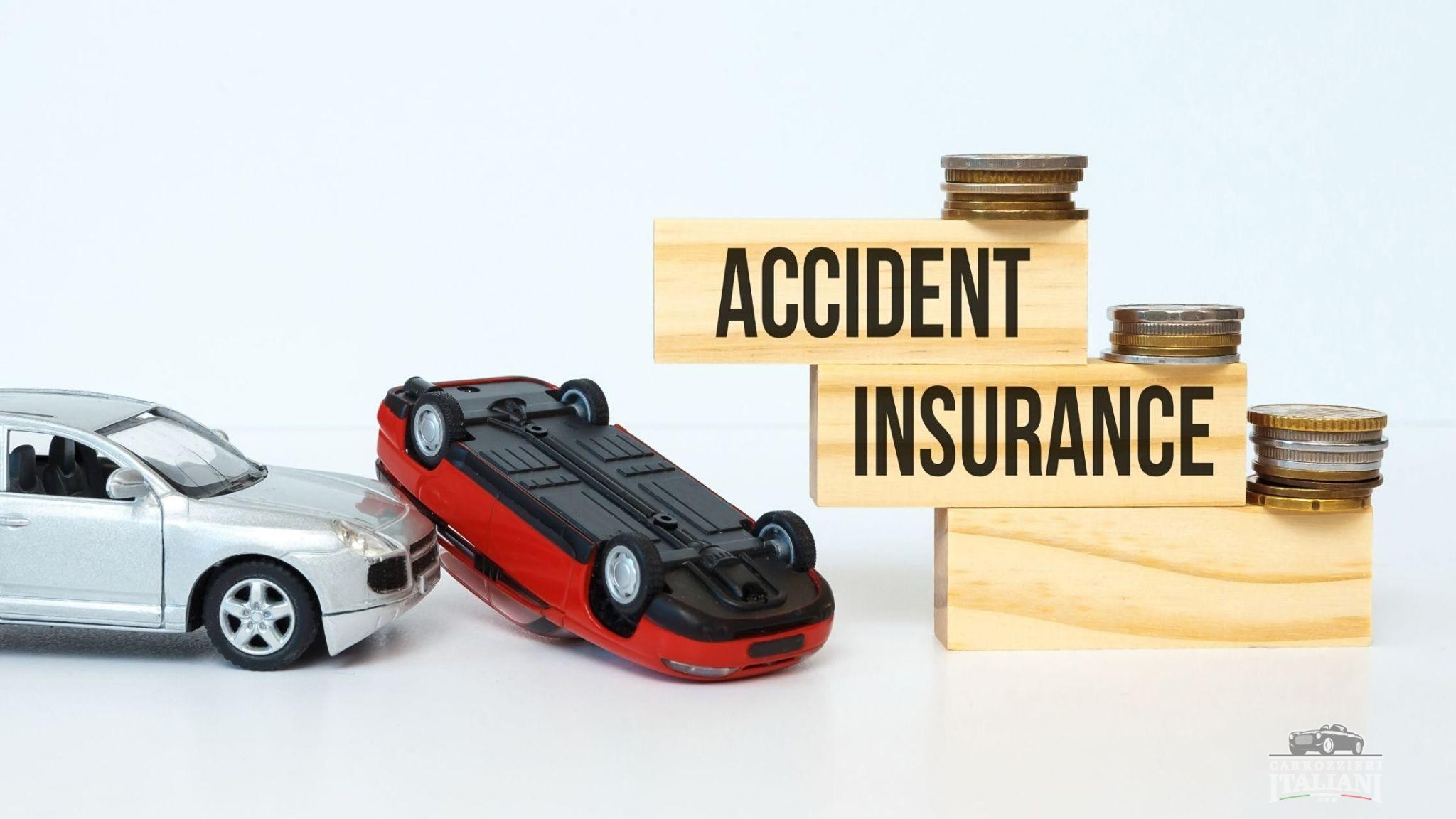
A major accident can lead to more than vehicle repair costs. You may also face third-party liabilities, towing charges, replacement of damaged parts, and other related expenses. Choosing suitable covers can help reduce the financial burden of these unexpected costs.
A well-planned car insurance policy can include protection for your own vehicle, liabilities towards others, and selected add-ons, depending on your needs, vehicle details, eligibility, and the terms and conditions of the policy.
Covers That Can Help after a Serious Accident
A major accident can create several financial losses. These covers address different expenses and can be considered according to your needs.
Own-Damage Protection for Repairs
If your car suffers accidental damage, own-damage cover can help pay for eligible repair or replacement expenses. It may be available through a comprehensive policy or as standalone own-damage protection alongside an active third-party policy.
This is useful when insured parts require repair after a collision. The claim amount remains subject to policy wording, deductibles, depreciation and the insurer’s assessment.
Third-Party Liability Protection
A serious accident may cause injury to another person or damage another vehicle or property. Third party car insurance helps address covered legal liabilities arising from such incidents. In India, third-party motor insurance is mandatory under applicable law. This cover focuses on liabilities to others rather than on repairs to your vehicle. Own-damage protection therefore serves a different purpose.
Personal Accident Cover for the Owner-Driver
A major accident can also cause bodily injury to the owner-driver. Personal accident cover can provide financial protection for specified accidental death or disability, subject to terms, eligibility requirements and policy conditions. This support may help the family manage certain financial responsibilities afterward.
Zero Depreciation Cover
Replacement of damaged parts may involve depreciation deductions during an own-damage claim. Zero depreciation cover can reduce or remove eligible depreciation deductions on covered parts, subject to policy conditions. This add-on can be useful after a collision where several components need replacement. Vehicle age and insurer eligibility rules can affect whether the add-on is available.
Consumables Cover
A major repair may require items such as nuts, bolts, lubricants, clips and other consumables. Together, these can add to the repair bill. Consumables cover can help with eligible consumable expenses during an approved repair. The covered items and claim conditions vary by policy, so review the wording before selecting it.
Engine Protection Cover
Engine or gearbox repairs can become significant when damage is linked to events covered under an engine protection add-on, such as water ingress or oil leakage. This cover may suit drivers who travel through waterlogging-prone areas. It does not apply to every type of engine damage, and covered causes depend on policy terms.
Return to Invoice Cover
If an accident is severe enough for the vehicle to be treated as a total loss, settlement is generally linked to the applicable insured value. For eligible vehicles, return-to-invoice cover can provide additional protection by considering the invoice value in specified total-loss or theft situations. It is generally more relevant for newer cars, while availability depends on vehicle age and insurer conditions.
Roadside Assistance
After a major accident, the car may not be safe to drive. Roadside assistance can provide towing or other specified emergency services, depending on the policy. This cover can make it easier to arrange immediate help. Before using roadside assistance, check the service limits, geographical availability, and any conditions that apply.
Downtime Protection
Major accident repairs can take time, during which you may need alternative transport for regular travel. Some policies offer downtime protection that can help with eligible transportation expenses while the insured vehicle is unavailable for covered repairs. Benefit limits, qualifying periods and conditions vary between insurers.
How to Choose the Right Combination
Consider these practical factors before selecting add-ons:
- Check your car’s age, value, daily usage, and driving location.
- Focus on covers that address realistic risks you may face.
- Review deductibles, claim limits, and eligibility requirements carefully.
- Understand how different covers work together under the policy.
- Select add-ons that support the financial risks most relevant to your needs.
Final Thoughts
A major accident can lead to repair costs, third-party liabilities and several related expenses. Own-damage cover, third-party protection and suitable add-ons can help manage these financial risks.
Zero depreciation, consumables, engine protection, return to invoice, roadside assistance and downtime cover may each serve a different purpose. Choose protection based on your vehicle and likely risks, while keeping policy terms, eligibility and claim conditions in mind.

ABOUT THE AUTHOR
Carrozzieri Italiani Editorial Team
Guides, practical advice and editorial contributions from the Carrozzieri Italiani team.
More stories by Carrozzieri Italiani Editorial Team ↗CONTINUE READING
Posts You Might Like
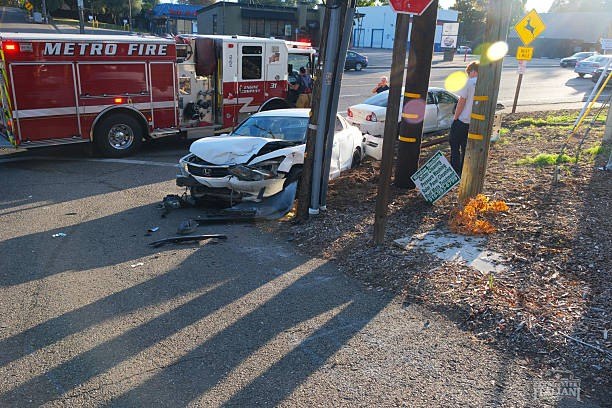
How Vehicle Design and Defective Components Can Contribute to Serious Car Accidents
A driver can do everything right and still end up in a hospital bed because a tire tread separated at highway speed. Federal crash investigators have spent decades tracing a measurable share…
Read story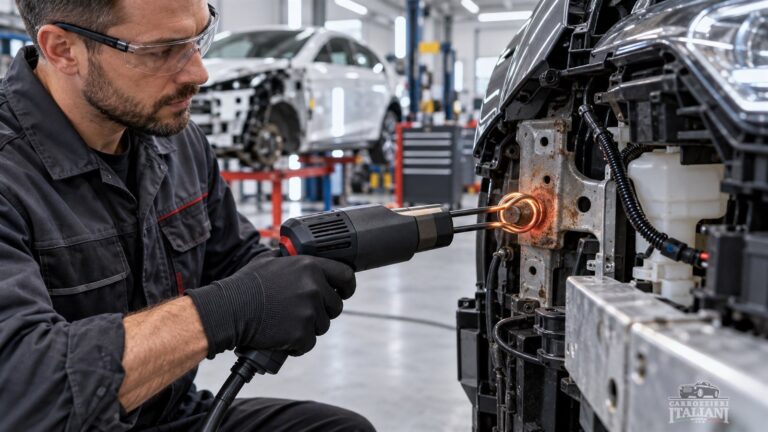
How Automotive Induction Heaters Improve Speed and Safety in Collision Repair
Collision repair has long relied on open-flame torches to loosen rusted bolts, soften adhesive, and free stuck body panels, but that approach carries real tradeoffs. Flame-based heating is slow to control precisely,…
Read story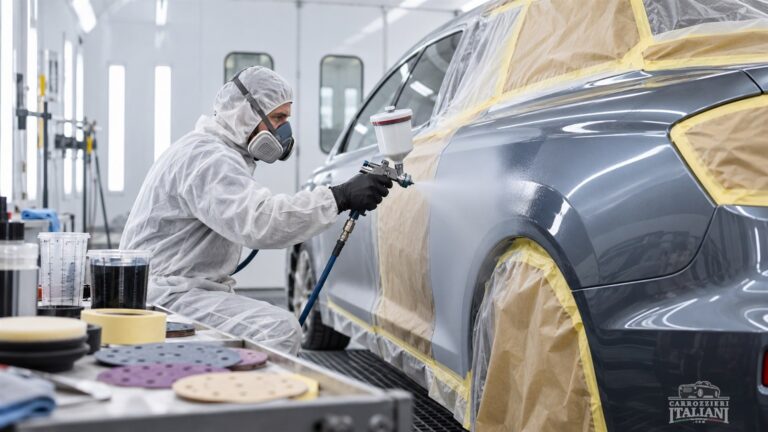
The Key Stages of a Professional Vehicle Paint Repair
Vehicle paintwork has to cope with stone chips, minor collisions, scratches, weather exposure, and everyday wear. When damage occurs, achieving a professional result involves far more than simply spraying fresh color over…
Read story
Il veicolo urbano dopo il viaggio: cosa distingue davvero un buon design per la città
Per gran parte della storia dell’automobile, il progetto di un veicolo è stato raccontato attraverso ciò che accade durante la guida: la velocità, la linea del cofano, il comportamento in curva, la…
Read story
THE CONVERSATION
Comments 0
Share a memory, a period photograph or a documented detail about this story.