
Why Consumables Cover is Often Understood Only during Repairs

Consumables are easy to overlook when a motor policy is purchased or renewed. They are items used during repair work, so their importance may become clear only when the workshop prepares the bill.
At that stage, an owner may notice several materials listed apart from the main parts. Understanding consumables cover earlier helps assess whether this optional protection suits the car, driving pattern and budget.
What Consumables Cover Generally Means
Consumables cover is an optional extension linked to eligible own-damage protection. It relates to certain materials used, replaced or replenished during an admissible repair.
Depending on the car insurance policy wording, these items may include engine oil, brake oil, coolant, lubricants, nuts, bolts, screws, washers, clips, grease and filters. They are not durable replacement parts in the usual sense. Instead, they support repair work and may need changing or refilling before the vehicle returns to the road.
The exact list can differ between policies. Owners should therefore read the add-on wording and schedule rather than relying on its name alone.
Why the Cover is Missed at Purchase
The main policy usually receives the most attention during purchase. Buyers often focus on the premium, insured declared value, claim support and major add-ons.
Consumables can seem minor when considered separately. Their combined role becomes clearer when repair work begins, and the estimate lists several materials linked to different tasks. Without prior understanding, the owner may not know why these entries appear separately or how the policy treats them.
The add-on therefore deserves a calm review before payment, even if it does not appear urgent.
Connect It with The Main Policy
Consumables cover does not operate as an independent policy. It generally works with eligible own-damage protection, subject to stated conditions.
While reviewing car insurance, check the base cover first. Then confirm whether the consumables add-on has been selected and appears in the policy schedule.
Read which materials may be considered and whether deductibles or other contributions remain payable. The issued schedule and policy wording should guide the understanding.
Keep Liability Cover Separate
Liability protection and consumables cover address different needs. Mixing the two may create incorrect expectations during repairs.
A third party insurance policy relates to legal liability involving another party, subject to applicable terms. Consumables cover, by contrast, is considered with eligible own-damage protection for the insured vehicle.
It should not be assumed to form part of liability-only cover. Checking the policy type before choosing an add-on keeps the decision clear.
Understand Why Repair Bills Feel Different
A repair invoice is more detailed than a policy summary. It may separate labour, replacement parts, fluids, fasteners and workshop materials.
This detail can surprise an owner who has considered only the visible damaged part. Repair work may require materials for fitting, cleaning, sealing, lubrication or fluid replacement. One item may appear small, but several entries can arise together.
Consumables cover is better understood as support for eligible repair materials rather than protection for one component.
Check The Conditions before Choosing
The add-on should be assessed through its wording, not through broad assumptions. Availability and scope may depend on policy and vehicle factors.
Review the following points:
-
Vehicle age and eligibility requirements
-
Materials listed within the cover
-
Events under which the add-on may apply
-
Claim limits or usage conditions
-
Deductibles and payable contributions
-
Documentation requested during a claim
-
Renewal availability as the car becomes older
Terms may vary, and claim settlement remains subject to policy conditions, inspection and the nature of the loss.
Decide According to Your Ownership Pattern
Not every owner will value the same optional cover. The choice should reflect vehicle use and comfort with repair-related payments.
Frequent driving, crowded roads, highway travel and dependence on authorised workshops may shape the review. Vehicle age, service habits and financial preferences may also matter. These factors do not suggest that a claim will occur. They simply place the add-on within an ownership context.
Review It Again at Renewal
An add-on selected once should not continue without thought. Renewal offers a chance to check its relevance, eligibility and terms.
Confirm that the cover still appears in the schedule and consider whether the car’s use has changed. Retaining or removing it should follow an informed assessment rather than habit.
Conclusion
Consumables cover is often understood only during repairs because workshop materials receive little attention when a policy is purchased. A repair bill makes their role more visible. Reviewing the add-on earlier helps owners understand what it is designed to address, how it connects with own-damage protection and which conditions apply.
The aim is not to select every optional cover, but to make a considered choice based on policy wording, vehicle use and financial comfort.

ABOUT THE AUTHOR
Carrozzieri Italiani Editorial Team
Guides, practical advice and editorial contributions from the Carrozzieri Italiani team.
More stories by Carrozzieri Italiani Editorial Team ↗CONTINUE READING
Posts You Might Like
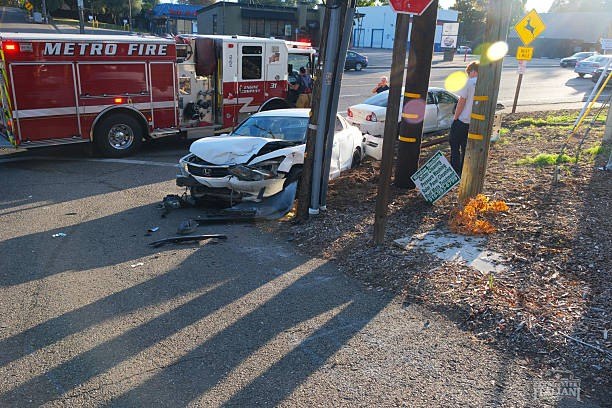
How Vehicle Design and Defective Components Can Contribute to Serious Car Accidents
A driver can do everything right and still end up in a hospital bed because a tire tread separated at highway speed. Federal crash investigators have spent decades tracing a measurable share…
Read story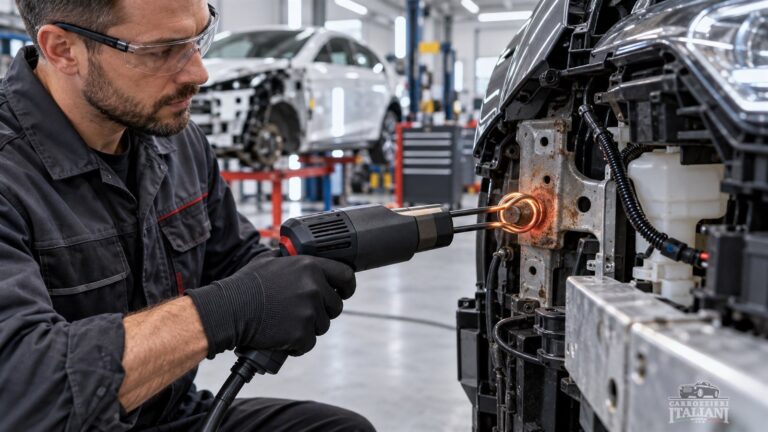
How Automotive Induction Heaters Improve Speed and Safety in Collision Repair
Collision repair has long relied on open-flame torches to loosen rusted bolts, soften adhesive, and free stuck body panels, but that approach carries real tradeoffs. Flame-based heating is slow to control precisely,…
Read story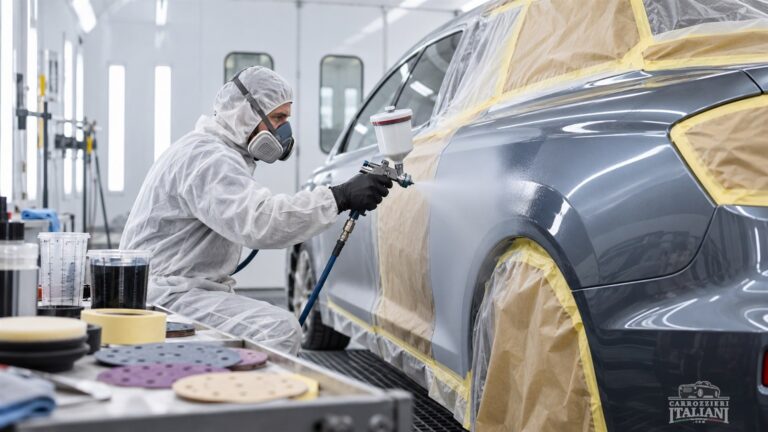
The Key Stages of a Professional Vehicle Paint Repair
Vehicle paintwork has to cope with stone chips, minor collisions, scratches, weather exposure, and everyday wear. When damage occurs, achieving a professional result involves far more than simply spraying fresh color over…
Read story
Il veicolo urbano dopo il viaggio: cosa distingue davvero un buon design per la città
Per gran parte della storia dell’automobile, il progetto di un veicolo è stato raccontato attraverso ciò che accade durante la guida: la velocità, la linea del cofano, il comportamento in curva, la…
Read story
THE CONVERSATION
Comments 0
Share a memory, a period photograph or a documented detail about this story.