
DISA Valve Rebuild Kit: Solving Intake Manifold Problems in Modern Engines
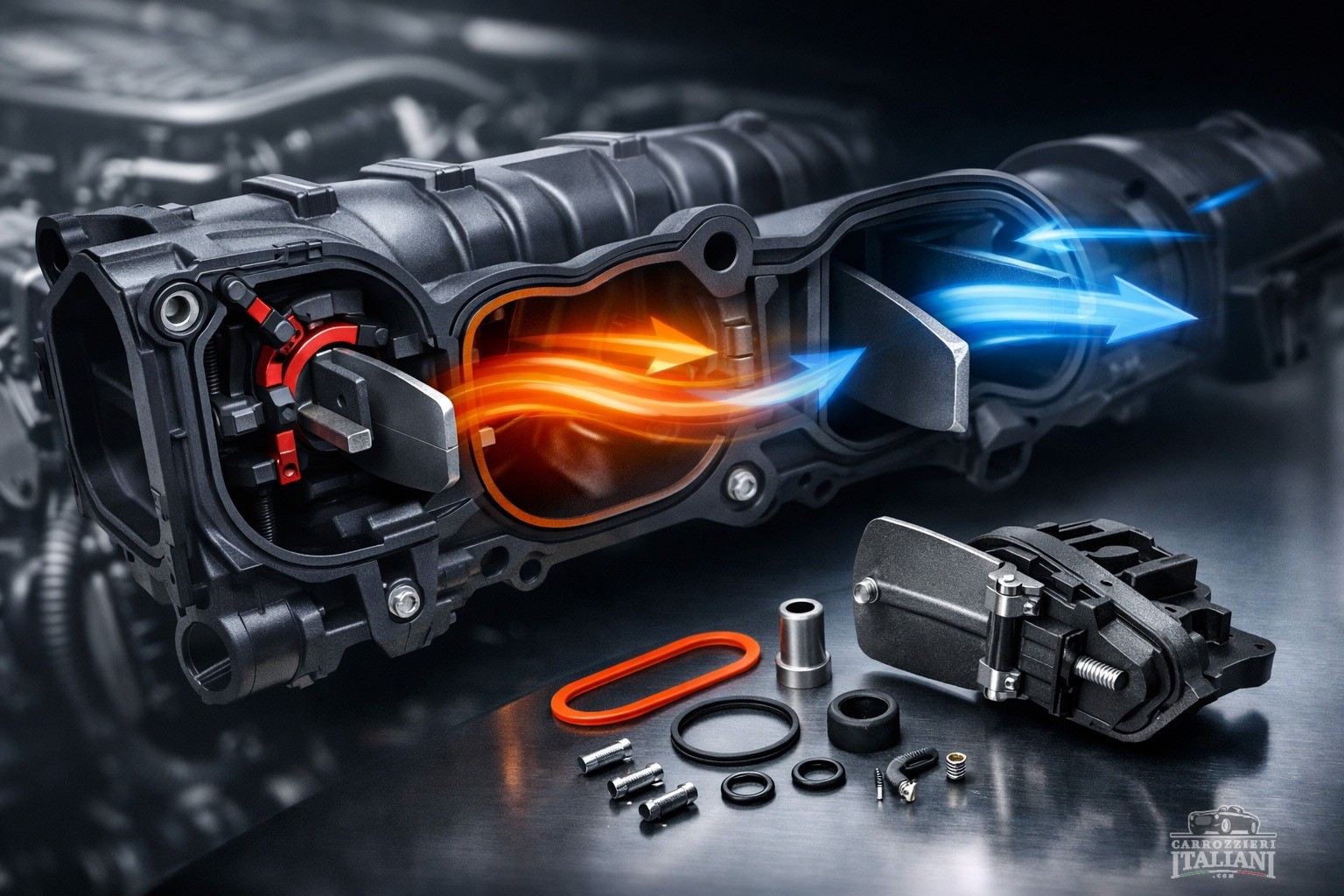
The DISA valve controls airflow through the intake manifold system to achieve maximum torque and power output. The system modifies effective path length to enhance torque performance at low RPMs and boost airflow capacity at high RPMs.
The primary cause of failure is damage to the pivots, flaps, and seals. The system experiences reduced flap accuracy, which causes unpredictable airflow patterns, decreases torque output, and creates inconsistent throttle response.
How the DISA Valve Controls Intake Airflow
The DISA valve contains a rotating flap. The flap closes during low RPM operation, which extends the intake path. This leads to better cylinder filling, which produces more torque.
The flap opens at high RPM to create a direct path that allows maximum airflow together with continuous power output. Flap movement relies on properly functioning pivots, bushings, and seals. The components face damage because of friction, heat, and vibration, which lead to their failure.
A DISA valve rebuild kit replaces worn pivots, bushings, and seals, restoring smooth rotation, alignment, and airtight operation. The correct flap movement stabilizes airflow while maintaining torque and producing a predictable throttle response.
Worn components cause flow irregularities, reducing vacuum efficiency. Even minor leaks impact throttle response, together with fuel delivery. The process of progressive wear leads to misalignment, which places additional strain on the remaining components.
Common DISA Valve Failures
DISA valves fail in predictable ways. Repeated flap movement, thermal stress, and pressure fluctuations cause wear.
Common failure points include:
- Flap breakage from repeated oscillation
- Worn pivots are causing misalignment or sticking.
- Degraded seals or O-rings are causing vacuum leaks.
- Binding from carbon buildup or debris
- Lateral play producing rattling or vibration.
Even minor defects reduce torque and smoothness. Failures often occur without triggering engine codes. Detection requires inspection or performance testing.
What a DISA Valve Rebuild Kit Includes
Rebuild kits replace only worn parts that affect flap function. Components typically include reinforced flap assemblies, pivot bushings or bearings, seals and O-rings, fasteners and spacers for alignment, and anti-rattle inserts.
Housing, rotor, and sensors remain. The kit restores rotation precision, airtight sealing, and alignment. Proper installation ensures silent operation and consistent airflow under all engine loads.
DISA Valve Rebuild Overview
The valve is removed from the intake manifold. The flap assembly is separated from the housing.
Worn pivots, bushings, seals, and the flap are replaced using the rebuild kit. Flap rotation is tested for smooth, full-range movement. Fasteners are torqued to specification.
The vacuum test results demonstrate that the system functions without any air leaks. After the reinstallation, the system should be tested for torque, throttle response, and idle stability.
Rebuilt valves function properly because they eliminate flap noise. The system maintains steady airflow while maintaining combustion stability across all operating conditions.
Rebuild steps:
- Remove the valve from the intake manifold and disconnect all vacuum lines.
- The flap assembly needs to be taken apart from its housing.
- Clean all surfaces and inspect for wear or debris.
- The rebuild kit will be used to replace all pivots, bushings, seals, and flap components.
- Reassemble all parts, ensuring correct rotation and proper alignment.
- Perform vacuum testing to confirm airtight operation.
- Reinstall the valve and reconnect all lines.
- Monitor engine performance for torque and airflow consistency.
Performance Improvements After Rebuild
Rebuilt valves restore precise airflow. Low-RPM torque returns to design levels. Acceleration from idle improves.
High-RPM airflow becomes consistent, sustaining peak power. Throttle response is smooth and predictable. Noise and vibration from the flap are eliminated.
Air-fuel mixture stability improves, enhancing fuel efficiency. Emissions devices receive a stable vacuum, maintaining compliance. Rebuilt valves reduce stress on intake components, extending manifold service life.
DISA valve wear leads to decreased torque performance and disrupted airflow consistency, which results in reduced engine operation smoothness. The DISA valve rebuilding process uses a rebuild kit to replace worn components, which enables complete airflow system restoration without needing full assembly replacement.
The rebuilt valves provide dependable airflow, which supports constant combustion and effective engine performance while reducing operational expenses and material waste.

ABOUT THE AUTHOR
Carrozzieri Italiani Editorial Team
Guides, practical advice and editorial contributions from the Carrozzieri Italiani team.
More stories by Carrozzieri Italiani Editorial Team ↗CONTINUE READING
Posts You Might Like
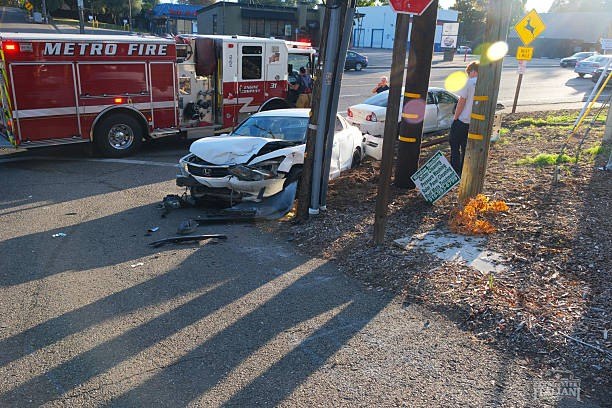
How Vehicle Design and Defective Components Can Contribute to Serious Car Accidents
A driver can do everything right and still end up in a hospital bed because a tire tread separated at highway speed. Federal crash investigators have spent decades tracing a measurable share…
Read story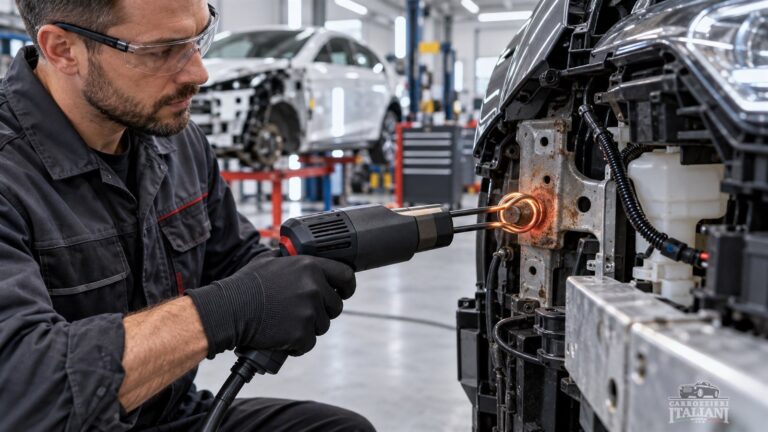
How Automotive Induction Heaters Improve Speed and Safety in Collision Repair
Collision repair has long relied on open-flame torches to loosen rusted bolts, soften adhesive, and free stuck body panels, but that approach carries real tradeoffs. Flame-based heating is slow to control precisely,…
Read story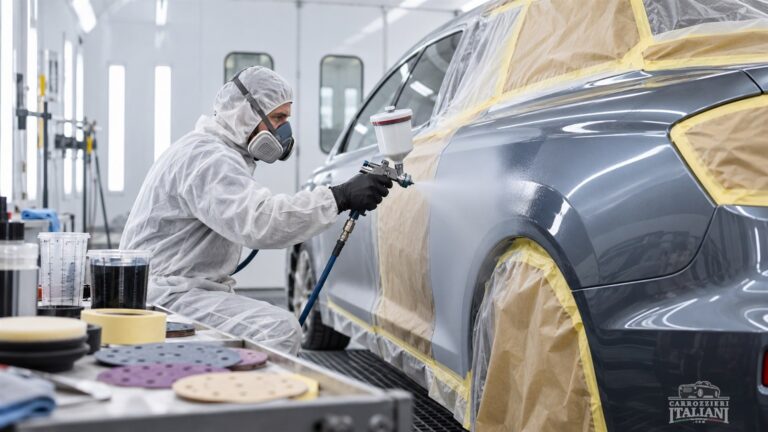
The Key Stages of a Professional Vehicle Paint Repair
Vehicle paintwork has to cope with stone chips, minor collisions, scratches, weather exposure, and everyday wear. When damage occurs, achieving a professional result involves far more than simply spraying fresh color over…
Read story
Il veicolo urbano dopo il viaggio: cosa distingue davvero un buon design per la città
Per gran parte della storia dell’automobile, il progetto di un veicolo è stato raccontato attraverso ciò che accade durante la guida: la velocità, la linea del cofano, il comportamento in curva, la…
Read story
THE CONVERSATION
Comments 0
Share a memory, a period photograph or a documented detail about this story.