
7 Basic Truck Care Tips for Beginners

Owning a truck is a significant investment, whether you use it for work, weekend adventures, or daily driving. Unlike smaller vehicles, trucks require specific maintenance attention to keep them running smoothly and to preserve their value over time. If you’re new to truck ownership, the maintenance requirements might seem overwhelming at first. However, taking care of your truck doesn’t have to be complicated. These seven essential care tips will help you maintain your vehicle’s performance and longevity without getting lost in technical jargon.
Check Your Fluids Regularly
Your truck relies on several fluids to operate properly, and checking them should become part of your routine. Engine oil is the lifeblood of your vehicle, lubricating moving parts and preventing excessive wear. Check it at least once a month using the dipstick, and change it according to your manufacturer’s recommendations. Don’t forget about coolant, brake fluid, power steering fluid, and transmission fluid. Each plays a crucial role in your truck’s operation. Make it a habit to inspect these levels every few weeks, especially before long trips. Low fluid levels can indicate leaks or other problems that need immediate attention.
Monitor Tire Pressure and Condition
Tires are your truck’s only contact with the road, making them critical for safety and performance. Check your tire pressure monthly using a reliable gauge, and always inflate to the pressure specified in your owner’s manual or on the sticker inside the driver’s door. Underinflated tires wear faster, reduce fuel efficiency, and can be dangerous. While checking pressure, inspect the tread depth and look for signs of uneven wear, cracks, or embedded objects. Rotate your tires every six thousand to eight thousand miles to ensure even wear. Proper tire maintenance not only extends their lifespan but also improves your truck’s handling and fuel economy.
Keep Your Truck Clean Inside and Out
Regular cleaning does more than keep your truck looking good. Washing the exterior removes dirt, salt, and chemicals that can corrode the paint and undercarriage. Pay special attention to the wheel wells and underside, especially if you drive in areas where roads are salted during winter. Wax your truck a few times a year to protect the paint. Inside, vacuum regularly and wipe down surfaces to prevent buildup that can damage upholstery and create unpleasant odors. If you haul cargo in the bed, rinse it out periodically to remove debris and prevent rust formation.
Pay Attention to Your Brakes
Your braking system is essential for safety, and trucks put extra demands on brakes due to their weight and towing capacity. Listen for unusual sounds like squealing or grinding, which indicate worn brake pads. If your brake pedal feels soft or sinks to the floor, have your system inspected immediately. You should also notice if your truck pulls to one side when braking, as this suggests uneven brake wear or other issues. Have your brakes inspected at least once a year, and replace pads and rotors as needed. Never postpone brake maintenance, as compromised brakes put you and others at risk.
Maintain Your Battery
A dead battery can leave you stranded, but simple maintenance can prevent most battery problems. Check the battery terminals regularly for corrosion, which appears as white or greenish deposits. Clean terminals with a wire brush and a mixture of baking soda and water if needed. Ensure the connections are tight and secure. Most batteries last three to five years, so be aware of your battery’s age and consider testing it annually, especially before winter. If your truck struggles to start or electrical components seem weak, have the battery and charging system tested at an auto parts store or repair shop.
Don’t Ignore Warning Lights
Modern trucks have sophisticated computer systems that monitor various functions and alert you to problems through dashboard warning lights. Never ignore these signals. While some lights indicate minor issues, others point to serious problems that can cause expensive damage if left unaddressed. The check engine light, in particular, can indicate anything from a loose gas cap to major engine trouble. When a warning light appears, consult your owner’s manual to understand its meaning, and have the issue diagnosed promptly. Many auto parts stores offer free diagnostic scans to identify the problem.
Consider Practical Upgrades
As you become more familiar with your truck, you might identify areas where practical upgrades can improve functionality. For drivers who travel long distances or work in remote areas, auxiliary fuel tanks for pickup trucks can be a game-changing addition. These supplementary tanks extend your driving range significantly, reducing the need for frequent fuel stops and providing peace of mind when traveling through areas with limited gas stations. When considering any upgrade, research options that suit your specific needs and ensure professional installation for safety and warranty protection.
Taking care of your truck doesn’t require mechanical expertise, just consistency and attention to detail. By following these basic maintenance tips, you’ll catch small problems before they become major repairs, improve your truck’s reliability, and maintain its resale value. Set reminders for regular checks, keep records of maintenance performed, and develop a relationship with a trusted mechanic for tasks beyond your comfort level. Your truck is built to handle tough jobs and last for many years, and with proper care, it will serve you reliably for the long haul.

ABOUT THE AUTHOR
Carrozzieri Italiani Editorial Team
Guides, practical advice and editorial contributions from the Carrozzieri Italiani team.
More stories by Carrozzieri Italiani Editorial Team ↗CONTINUE READING
Posts You Might Like

How Vehicle Design and Defective Components Can Contribute to Serious Car Accidents
A driver can do everything right and still end up in a hospital bed because a tire tread separated at highway speed. Federal crash investigators have spent decades tracing a measurable share…
Read story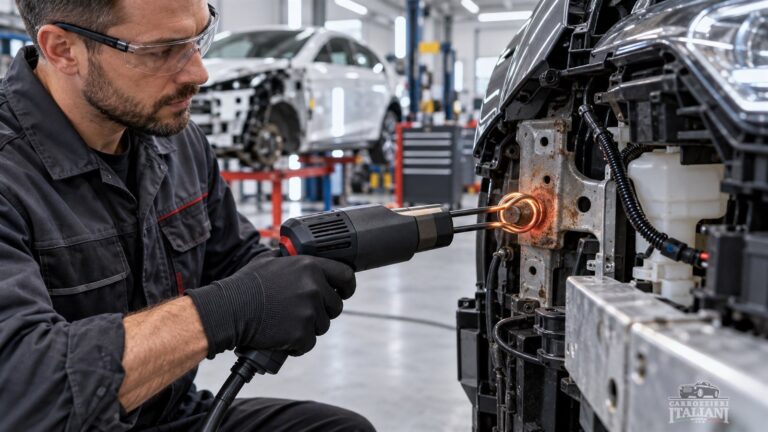
How Automotive Induction Heaters Improve Speed and Safety in Collision Repair
Collision repair has long relied on open-flame torches to loosen rusted bolts, soften adhesive, and free stuck body panels, but that approach carries real tradeoffs. Flame-based heating is slow to control precisely,…
Read story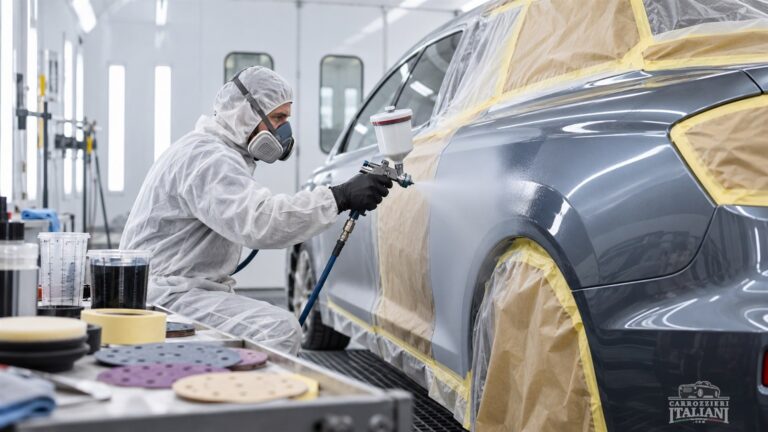
The Key Stages of a Professional Vehicle Paint Repair
Vehicle paintwork has to cope with stone chips, minor collisions, scratches, weather exposure, and everyday wear. When damage occurs, achieving a professional result involves far more than simply spraying fresh color over…
Read story
Il veicolo urbano dopo il viaggio: cosa distingue davvero un buon design per la città
Per gran parte della storia dell’automobile, il progetto di un veicolo è stato raccontato attraverso ciò che accade durante la guida: la velocità, la linea del cofano, il comportamento in curva, la…
Read story
THE CONVERSATION
Comments 0
Share a memory, a period photograph or a documented detail about this story.