
The Essential Guide to Third-Party Four-Wheeler Insurance and Why It’s Legally Mandatory

One sudden mistake on a busy Indian road can leave people facing medical bills and repairs. Before any journey begins, the law expects a basic safeguard that looks after those losses.
That safeguard is car insurance. Many owners see the policy as routine paperwork, yet the real value lies in knowing what the mandatory cover does, what it does not do, and how to keep it active without a last-minute rush.
This guide covers rule meaning, legal basis, inclusions, exclusions, pricing, renewals, common mistakes, and the ownership checklist.
What Third-Party Four-Wheeler Insurance Means
Third-party four-wheeler insurance is the statutory policy required for a private car on Indian roads. It responds when the insured vehicle causes injury, death, or damage to someone else or to their property.
At the centre of this protection is liability coverage, which settles amounts a policyholder becomes legally responsible to pay a third party after an insured incident.
Why is it Legally Mandatory
The rule ensures legal compliance for every vehicle that uses public roads. It creates a common floor of protection so that people affected by a collision have a recognised path for assessment and settlement.
By requiring third-party car insurance, regulators spread the financial impact of road risk across all motorists and keep compensation from depending on chance.
What the Policy Includes
The mandatory policy focuses on third-party interests. Common inclusions are:
• Injury or death of a third party arising from the use of the insured vehicle.
• Third-party property damage up to the limit shown in the schedule.
• Legal defence costs for covered claims, in line with the policy wording.
These features keep attention on liability coverage for others rather than the insured car.
What the Policy Does Not Include
Owners sometimes assume the base plan pays for everything. It does not. Typical exclusions are:
• Damage to the insured vehicle, which falls under own damage cover, not this base.
• Personal accident benefits beyond what is specifically provided or opted for.
• Add-ons or optional benefits not listed in the schedule.
Understanding limits avoids disputes and keeps car insurance expectations clear.
Third-Party Versus Comprehensive: Beyond the Legal Minimum
Third party car insurance
fulfils the statutory need by protecting third-party interests only. A comprehensive plan joins this base with its own damage cover for the insured vehicle and optional add-ons where suitable.
The choice rests on the car’s age, usage pattern, and appetite for wider protection beyond what legal compliance requires.
Who Must Hold It, and How to Keep Legal Compliance Continuous
Every vehicle on public roads must carry a live third-party policy at all times. Owners should arrange third-party four-wheeler insurance before the car is used and renew it on time to avoid any gap.
Allowing a lapse can lead to penalties and may complicate checks or claim handling. Continuous cover supports legal compliance and keeps routine verification straightforward.
How Third-Party Premium is Set
The vehicle category and engine capacity influence pricing for the statutory portion within the prevailing regulatory framework. Broader claim trends and location can shape segment rates over time.
For many motorists, the mandatory slice of car insurance reflects the vehicle class more than past personal claims.
Renewal Hygiene for Legal Compliance
Simple habits reduce friction and protect continuity:
- Confirm registration number, chassis details, and owner particulars before payment.
- Check start and end dates so protection does not lapse.
- Keep a digital copy on the phone and a printed copy in the car for on-road checks.
Good records help when liability coverage needs to be assessed after an incident.
Frequent Errors that Risk Non-Compliance
Avoid pitfalls that often cause trouble:
- Missing the renewal date and losing legal compliance.
- Assuming the base policy pays for repairs to the insured car.
- Forgetting to update the address or ownership details after a change.
- Misplacing proof of cover during routine verification.
- Overlooking the limits of liability coverage and facing surprise shortfalls.
A clear understanding prevents delays and keeps car insurance administration tidy.
Checklist for Buying or Renewing Third-Party Four-Wheeler Insurance
Use this quick run-through to stay on track:
- Ensure the schedule states third-party four-wheeler insurance clearly.
- Read the liability coverage wording and note the limits and conditions.
- Verify dates to maintain unbroken legal compliance.
- Review the claims initiation steps and documents usually requested.
- Consider comprehensive protection if cover for the insured vehicle is needed in addition to the statutory base.
- Store soft and hard copies so they are easy to produce during checks.
Conclusion
The mandatory layer of car insurance acts as a safety net for people who suffer loss because of a vehicle on the road. Keeping this cover active, knowing its scope, and maintaining accurate records are the essentials for lawful and orderly ownership. With those pieces in place, third-party car insurance does its job and motoring stays prepared for the unexpected.

ABOUT THE AUTHOR
Carrozzieri Italiani Editorial Team
Guides, practical advice and editorial contributions from the Carrozzieri Italiani team.
More stories by Carrozzieri Italiani Editorial Team ↗CONTINUE READING
Posts You Might Like
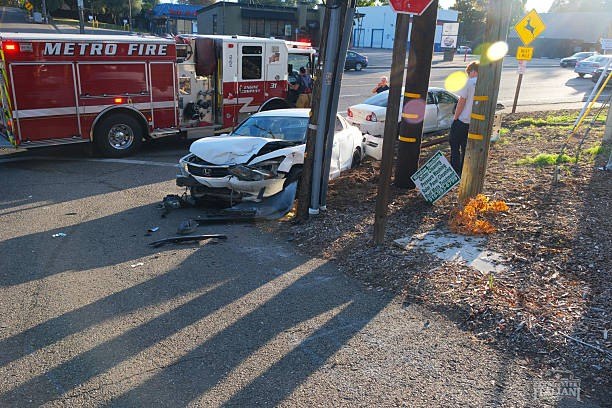
How Vehicle Design and Defective Components Can Contribute to Serious Car Accidents
A driver can do everything right and still end up in a hospital bed because a tire tread separated at highway speed. Federal crash investigators have spent decades tracing a measurable share…
Read story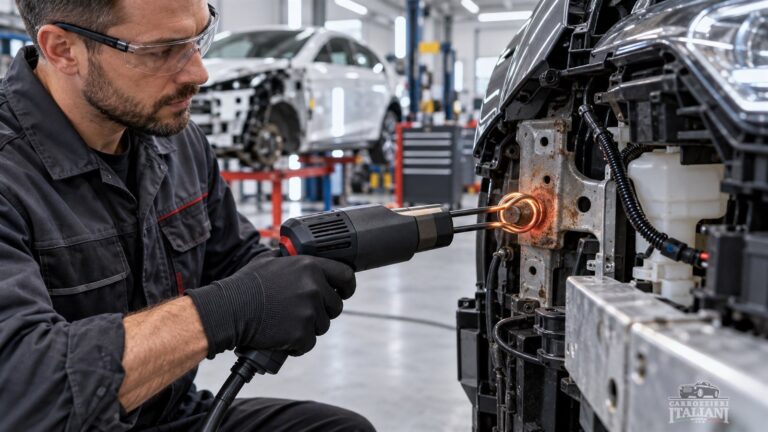
How Automotive Induction Heaters Improve Speed and Safety in Collision Repair
Collision repair has long relied on open-flame torches to loosen rusted bolts, soften adhesive, and free stuck body panels, but that approach carries real tradeoffs. Flame-based heating is slow to control precisely,…
Read story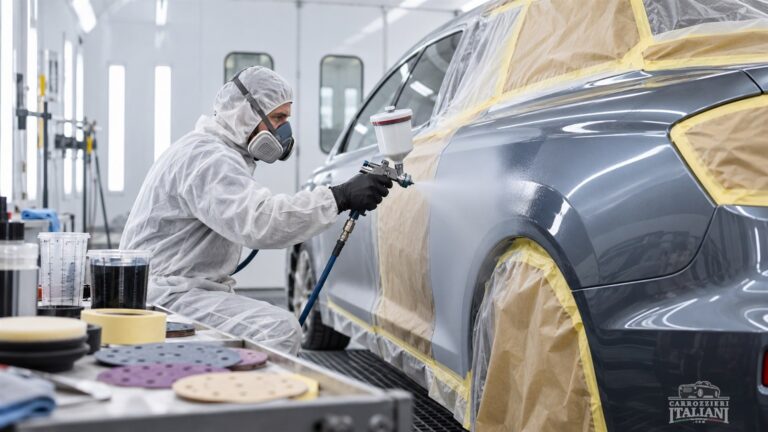
The Key Stages of a Professional Vehicle Paint Repair
Vehicle paintwork has to cope with stone chips, minor collisions, scratches, weather exposure, and everyday wear. When damage occurs, achieving a professional result involves far more than simply spraying fresh color over…
Read story
Il veicolo urbano dopo il viaggio: cosa distingue davvero un buon design per la città
Per gran parte della storia dell’automobile, il progetto di un veicolo è stato raccontato attraverso ciò che accade durante la guida: la velocità, la linea del cofano, il comportamento in curva, la…
Read story
THE CONVERSATION
Comments 0
Share a memory, a period photograph or a documented detail about this story.