
How Automation is Revolutionizing Trailer Production Processes
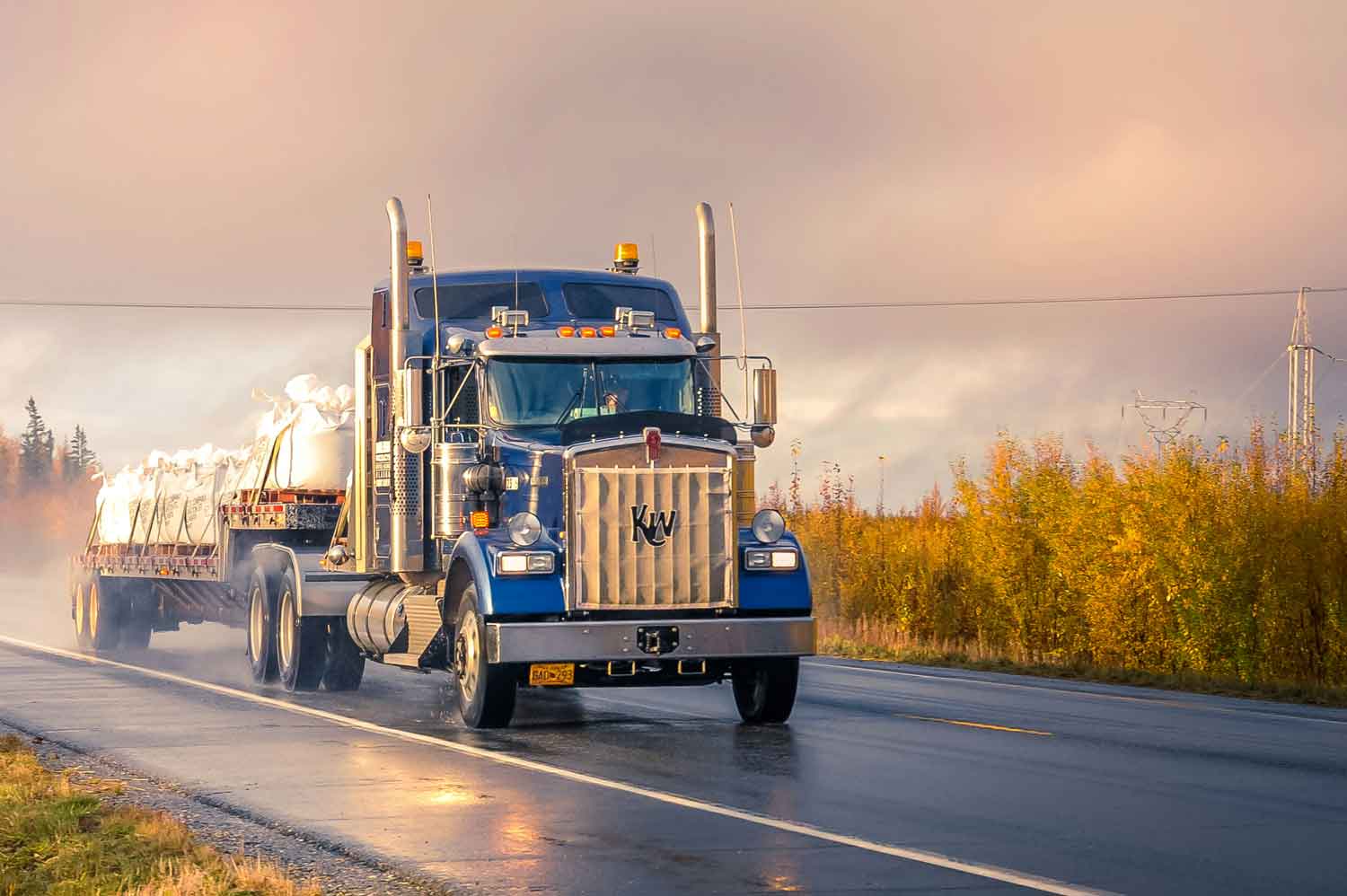
What’s the one thing that is going to change commercial trailer manufacturing forever?
The one thing all trailer manufacturers want to be able to do is build better trailers faster and cheaper. After all:
- Faster production = higher profit margins
- Faster production = faster delivery times
The issue is… manufacturing is traditionally expensive and slow. To compete with other companies in today’s market, you need to be investing in commercial trailer manufacturing automation.
If you don’t automate, you just can’t compete
Automation is going to revolutionize trailer manufacturing over the next five years. In fact, it’s already underway.
It’s not just some new-fangled tech trend either — automation is the next big thing because it’s becoming a total necessity if you want to survive.
Today I want to take you through exactly how automation is going to change every aspect of trailer production.
Key insights you’ll discover:
- Why Commercial Trailer Manufacturing Needs Automation
- The Real Impact of Automation on Production Speed
- 5 Game-Changing Automation Technologies
- What This Means for the Future
Why Commercial Trailer Manufacturing Needs Automation
Automation has all sorts of benefits when it comes to trailer production. If you haven’t started automating your manufacturing processes already, here are three reasons you should.
Slash Production Costs
Cutting costs is one of the major reasons why companies choose to automate.
Why? Automated systems work more quickly, more accurately, and don’t need breaks! When you invest in high-quality automation equipment — your production costs dramatically decrease.
And you know what that means…
Low production costs = Higher profit margins.
Look at what’s happening in the wider manufacturing industry. Businesses choosing to automate saw a 30% higher average growth rate than those that had stuck with manual processes in 2022.
Manufacturers like those that build a Dennison trailer take their production processes seriously. And when you invest in smart automation systems, there are two things you’ll see happen:
- Production speeds increase drastically
- Quality control is more consistent
Makes sense right? Automated manufacturing is one of the fastest ways to improve your:
- Efficiency
- Consistency
- Profitability
Increase Production Speed & Accuracy
Automation is like having superhuman workers on your team that never get tired.
Manufacturers need to know that they can be 100% sure that they are going to be able to deliver trailers of consistent quality, on time.
But how can you know that your production line isn’t going to break down or slow to a crawl during your busiest period?
By automating with systems that do the heavy lifting for you. Building automation is the best way to increase production capacity while still maintaining quality standards.
One thing to keep in mind:
If your trailer manufacturing facility still relies mostly on manual processes and you automate — production capacity in your facility will increase dramatically.
Automated systems already handle complex jobs that would take manual human workers much, much longer. When manufacturers see how automation technology can be trusted to deliver results, they start to invest.
Stay Competitive in a Changing Market
One of the biggest underlooked benefits of automation is competitive advantage.
After all, your production costs will decrease and your workers will have lower labour overheads. This means you can offer more competitive pricing without sacrificing profit margins.
Win-win.
When automated systems take care of the routine and menial tasks, your skilled workers can focus on higher-value activities like innovation and quality assurance.
Automate for the processes where precision and consistency really matter most and you’ll be able to deliver high-quality products while also keeping your prices competitive.
The Real Impact of Automation on Production Speed
Automation for trailer manufacturing is different. Modern trailer production facilities must have automated systems for a whole load of complex processes at the same time.
Things like:
- Welding operations
- Material handling
- Quality inspection
- Assembly processes
Automation is huge on its own… But when you start to integrate multiple automated systems working in unison, that is when the real transformation happens.
The key to successful automation is seamless integration between different automated processes.
This is different to traditional manufacturing where you might choose to automate one process at a time. In today’s world of modern trailer production, fully integrated automation systems are a must.
5 Game-Changing Automation Technologies
Ok, let’s get into the specifics. What exactly are these automation technologies? What specific technologies are other companies in the industry using to get incredible results:
If they can do it… You can too. Read through all the technologies, select which ones suit your operation best and implement until you see results. Successful automation is that simple!
Robotic Welding Systems
When it comes to trailer manufacturing… Precision welding is key.
The best way to ensure consistent weld quality is through automated robotic welding systems.
These systems will give you precise, repeatable welds that your human welders simply won’t be able to match reliably.
600,000 automation units are predicted to be installed globally in 2024 across all manufacturing industries.
Focus on high-volume welding operations that need precision, are repetitive and crucial for structural integrity.
Automated Material Handling
Speeding up production throughput? Automated material handling may just be what you need.
Production delays often happen when materials need to be moved from one place to another. Automated systems transport materials faster and more efficiently than manual processes. Automated systems also work 24/7 without needing breaks.
Focus on these two key approaches:
- Automated guided vehicles (AGVs)
- Smart conveyor systems
AGVs will transport materials without human assistance. They move materials along predetermined paths that can be adapted to production schedules.
Smart conveyors will automatically route materials to the right stations at the right time.
Computer-Controlled Cutting Systems
Precision cutting systems can massively improve cutting precision and speed with a simple change in programming.
Cutting systems are used to handle complex cutting patterns with incredible accuracy, providing consistency that manual cutting cannot match.
Focus on cutting operations that require a high level of precision, complex geometries and need to optimize material usage.
Quality Inspection Automation
Automated inspection systems will help catch defects that human inspectors can sometimes miss.
These systems use advanced sensors and cameras to detect defects early on. Automated inspection systems can include vision systems for dimensional checks, sensor arrays for structural integrity and automated testing protocols with real-time data collection.
Integrated Production Management Systems
The HARO stands for — Help A Reporter Out.
Oh no! Let me start that over…
Integrated Production Management Systems
Trailer production these days requires complex coordination between automated systems.
A centralized production management system will coordinate all automated processes, optimizing production flow and minimizing delays while also tracking progress in real time.
Integrated automation systems deliver optimized scheduling, reduced waste, improved quality control, better resource utilization and real-time visibility.
What This Means for the Future
The automation revolution in trailer manufacturing is just starting. About 60% of all occupations could automate at least 30% of their tasks, and trailer manufacturing is no exception.
The companies that start implementing automation early will have a huge competitive advantage.
Manufacturers in the commercial trailer industry — automation is no longer optional. The market is demanding higher quality trailers, faster delivery times and competitive pricing — and automation is the only way to do all three.
Wrapping It Up
So you now know how automation is going to revolutionize trailer production.
I know that just jumping into automation seems like an overwhelming task, but you need to just start somewhere and build up.
Lots of trailer manufacturers get in touch with automation specialists who really understand trailer production requirements. These experts can come in and help you identify the best opportunities and then implement the systems that are going to give you real results.
The companies that take action now will be market leaders in 5 years. So start with one system, prove your ROI, then expand from there. That’s how you build a world-class automated operation.

ABOUT THE AUTHOR
Carrozzieri Italiani Editorial Team
Guides, practical advice and editorial contributions from the Carrozzieri Italiani team.
More stories by Carrozzieri Italiani Editorial Team ↗CONTINUE READING
Posts You Might Like
How Vehicle Design and Defective Components Can Contribute to Serious Car Accidents
A driver can do everything right and still end up in a hospital bed because a tire tread separated at highway speed. Federal crash investigators have spent decades tracing a measurable share…
Read story
How Automotive Induction Heaters Improve Speed and Safety in Collision Repair
Collision repair has long relied on open-flame torches to loosen rusted bolts, soften adhesive, and free stuck body panels, but that approach carries real tradeoffs. Flame-based heating is slow to control precisely,…
Read story
The Key Stages of a Professional Vehicle Paint Repair
Vehicle paintwork has to cope with stone chips, minor collisions, scratches, weather exposure, and everyday wear. When damage occurs, achieving a professional result involves far more than simply spraying fresh color over…
Read story
Il veicolo urbano dopo il viaggio: cosa distingue davvero un buon design per la città
Per gran parte della storia dell’automobile, il progetto di un veicolo è stato raccontato attraverso ciò che accade durante la guida: la velocità, la linea del cofano, il comportamento in curva, la…
Read story
THE CONVERSATION
Comments 0
Share a memory, a period photograph or a documented detail about this story.