
Electric Vehicles and Auto Insurance: What You Should Expect
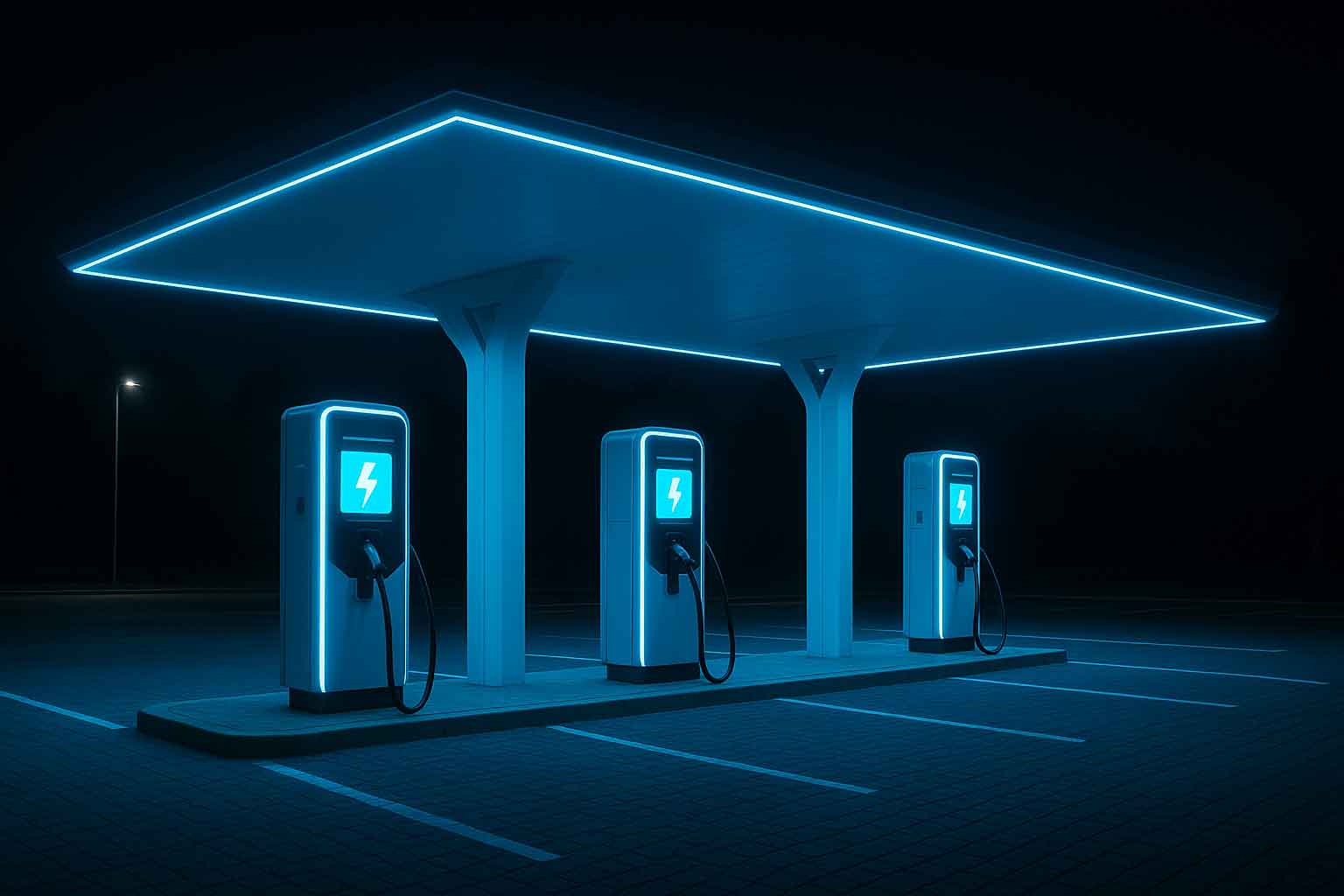
The rise of electric vehicles (EVs) marks one of the most transformative shifts in transportation history. With automakers worldwide committing to phasing out internal combustion engines and governments offering incentives to accelerate EV adoption, the market has been expanding at unprecedented rates.
For consumers, EV ownership brings many new benefits: lower emissions, reduced fuel costs, and a smoother driving experience. Yet, alongside these positives comes an equally important consideration—auto insurance, which plays a key role in protecting both the vehicle and its long-term value.
While EVs share many coverage principles with traditional cars, their unique design, cost structures, and risk profiles reshape what drivers should expect when purchasing policies. Understanding these differences is essential for both current EV owners and those planning to make the switch in the near future.
Why EVs Are Different from Conventional Cars?
Electric vehicles are not just another version of cars with engines replaced by batteries; they represent a different ecosystem of technology, costs, and repair practices.
Battery Costs and Repair Challenges
EV batteries are expensive, often accounting for 30–40% of the vehicle’s total price. A collision that damages the battery pack can result in higher repair bills than similar incidents in gasoline-powered cars.
Adding to this challenge is the fact that specialized technicians and equipment are required, limiting repair shop availability.
Advanced Technology
Many EVs come equipped with sophisticated driver assistance systems and connectivity features. These add to repair costs if damaged, as recalibration requires precision tools and certified professionals.
Environmental and Policy Factors
Governments may provide insurance incentives or discounts to promote green mobility. At the same time, regulatory frameworks in different regions are adapting quickly to address unique risks such as charging infrastructure failures or battery fires.
How Insurers Evaluate EV Risks?
When assessing premiums, insurers look at claims data, repair costs, safety records, and risk exposure. For EVs, the profile looks distinct.
- Repair Costs vs. Operating Risks: While EVs typically cost more to fix after an accident, they have fewer moving parts, which reduces the likelihood of mechanical breakdowns. Advanced braking systems and sensors may actually reduce accident rates.
- Battery Fire Concerns: Early media coverage focused on battery fires, but research indicates these incidents are statistically less common than fires in gasoline cars.
Data Refinement: As insurers collect more claims and telematics data, pricing becomes more accurate. Some EVs already benefit from lower premiums compared to similar gas models thanks to their strong safety records.
Market Trends in EV Insurance Costs
Recent years have shown dynamic changes in how insurers treat EV ownership.
Premiums were noticeably higher during the early adoption phase, largely because insurers lacked sufficient claims data. By 2024, however, coverage costs in many regions had started aligning more closely with traditional cars.
Specialized policies now also include coverage for charging equipment, battery replacement, and software-related failures.
Regional variation plays a large role. In Europe, especially in Norway and the Netherlands, premiums are competitive because the insurance market has matured alongside EV adoption.
In the United States, premiums remain slightly higher on average, mainly due to limited repair networks. In Asia, China’s massive EV market has normalized coverage quickly, benefiting from economies of scale.
According to BloombergNEF’s 2024 EV Outlook, EV sales are projected to represent 33% of global passenger vehicle sales by 2030, up from 14% in 2023. This shift guarantees that insurance products will continue evolving in response.
The Place of Auto Insurance in EV Ownership
Insurance providers are steadily adapting their models to serve the EV sector more effectively, and here is where the traditional concept of auto insurance finds new meaning. Policies now go beyond standard coverage for collisions and liability, encompassing specific elements unique to EVs such as battery protection, charging station coverage, and even specialized roadside assistance for situations like depleted batteries.
By redefining their offerings in this way, insurers acknowledge that electric mobility requires an updated approach rather than a simple copy of legacy frameworks. For EV owners, this means greater clarity on what is protected and assurance that their evolving needs are being addressed.
What EV Drivers Should Prepare For
Instead of one-size-fits-all coverage, EV policies are increasingly tailored. Drivers should expect:
- Coverage for batteries, including degradation, replacement, or damage during charging.
- Protection for charging equipment, whether at home or portable chargers.
- Software-related coverage, ensuring updates and recalibrations are handled after repairs.
Beyond policies, insurers are partnering with automakers to streamline repair claims, directing drivers to certified service centers and requiring OEM-approved parts. Possible incentives are also emerging, from discounts tied to renewable charging sources to lower premiums for safe driving through telematics.
Benefits and Key Considerations for Consumers
For consumers, the balance of benefits and considerations is clear.
Benefits include:
- Specialized protection for high-value EV components like batteries.
- Expanded policy features that reflect real-world EV usage.
- Potential discounts linked to safety and sustainability programs.
- Access to emerging perks such as bundled home charger coverage, roadside assistance tailored for EV-specific needs, and even incentives for drivers who charge their vehicles during off-peak hours, helping reduce grid strain. These additions ensure that coverage is not only comprehensive but also aligned with the unique lifestyle of EV ownership.
Key considerations include:
- Premiums may remain slightly higher in the short term, though lower maintenance and fuel costs often balance this out over years of ownership.
- Policy terms should be reviewed carefully to confirm coverage for charging infrastructure, software protections, and any exclusions related to specialized components.
- Repair delays are still common because the number of certified service centers is limited, particularly in rural or less densely populated regions.
Navigating the Future of EV Coverage
The road ahead suggests that electric mobility will only continue to expand. As insurers adapt to this new landscape, EV owners can expect evolving coverage structures, more competitive pricing, and additional benefits that align with environmental goals. For now, the most important step is to stay informed.
Comparing policies, understanding coverage details, and being aware of regional trends ensures that drivers remain protected while enjoying the benefits of electric mobility. Those who embrace this shift with knowledge and preparation will be better equipped to navigate the future of personal transportation.

ABOUT THE AUTHOR
Carrozzieri Italiani Editorial Team
Guides, practical advice and editorial contributions from the Carrozzieri Italiani team.
More stories by Carrozzieri Italiani Editorial Team ↗CONTINUE READING
Posts You Might Like
How Vehicle Design and Defective Components Can Contribute to Serious Car Accidents
A driver can do everything right and still end up in a hospital bed because a tire tread separated at highway speed. Federal crash investigators have spent decades tracing a measurable share…
Read story
How Automotive Induction Heaters Improve Speed and Safety in Collision Repair
Collision repair has long relied on open-flame torches to loosen rusted bolts, soften adhesive, and free stuck body panels, but that approach carries real tradeoffs. Flame-based heating is slow to control precisely,…
Read story
The Key Stages of a Professional Vehicle Paint Repair
Vehicle paintwork has to cope with stone chips, minor collisions, scratches, weather exposure, and everyday wear. When damage occurs, achieving a professional result involves far more than simply spraying fresh color over…
Read story
Il veicolo urbano dopo il viaggio: cosa distingue davvero un buon design per la città
Per gran parte della storia dell’automobile, il progetto di un veicolo è stato raccontato attraverso ciò che accade durante la guida: la velocità, la linea del cofano, il comportamento in curva, la…
Read story
THE CONVERSATION
Comments 0
Share a memory, a period photograph or a documented detail about this story.