
THE VEHICLE AT A GLANCE
Model dossier
- Production period
- 1931
- Body style
- Berlina
- Engine
- V8
- Type
- One-off
- Production
- 1
- Displacement
- 3,960 cc
- Power
- 100 CV
THE PEOPLE BEHIND THE CAR
Coachbuilding, design & conversions
PRICE & SALES RECORD
Vehicle value
- Original price
- Not documented
- Latest recorded sale
- Not documented
01 / THE STORY
History & context
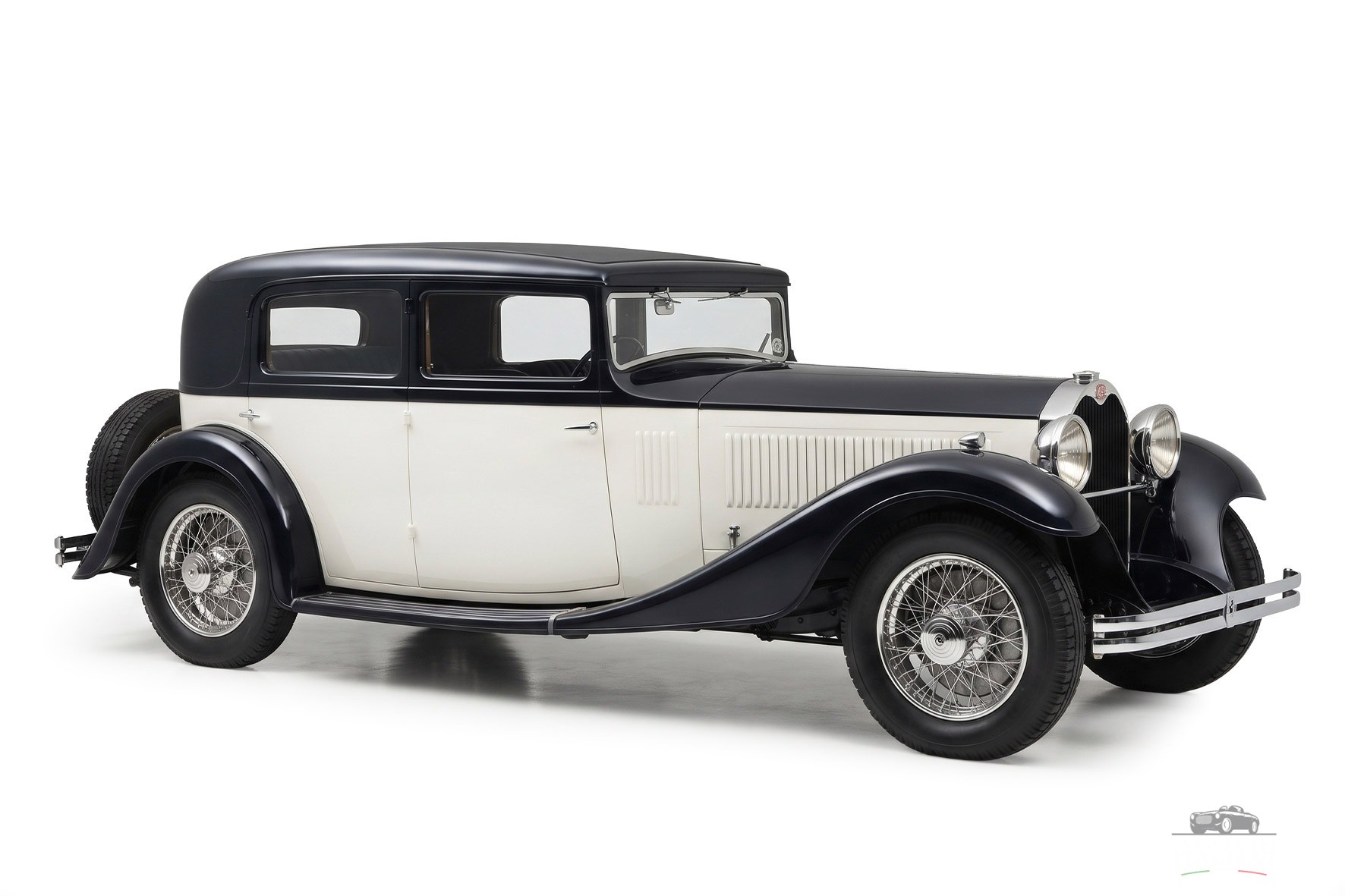
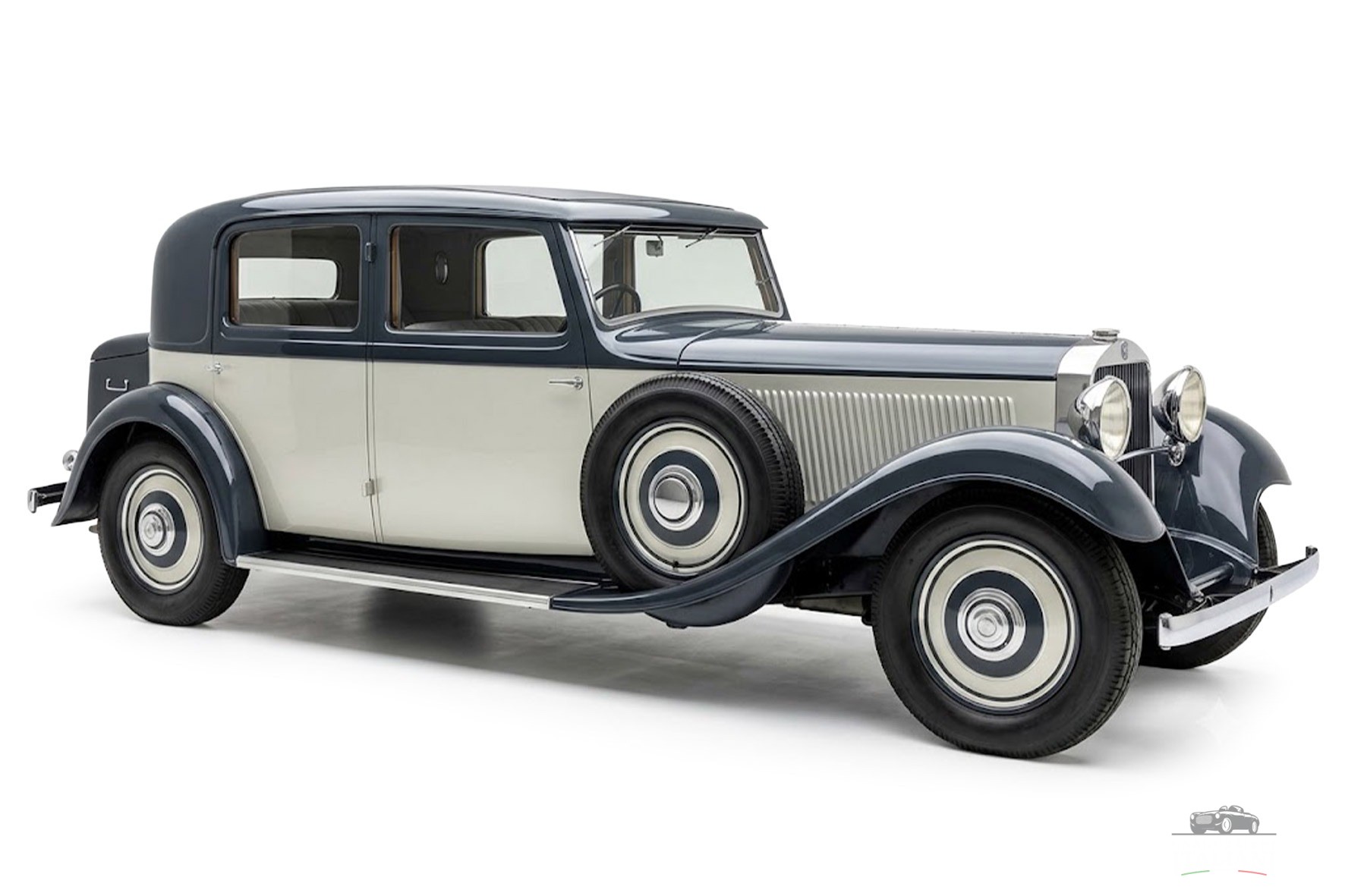
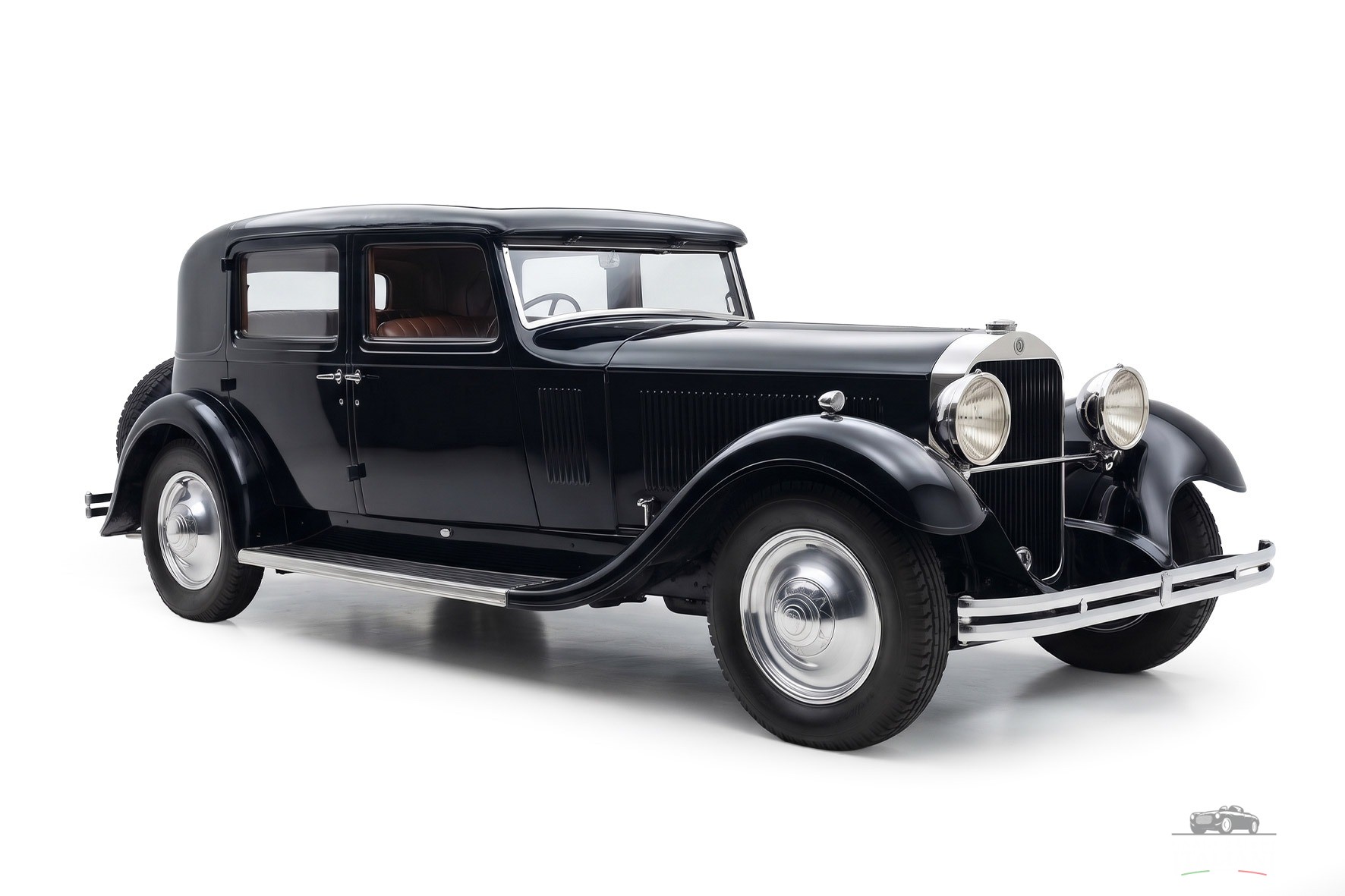
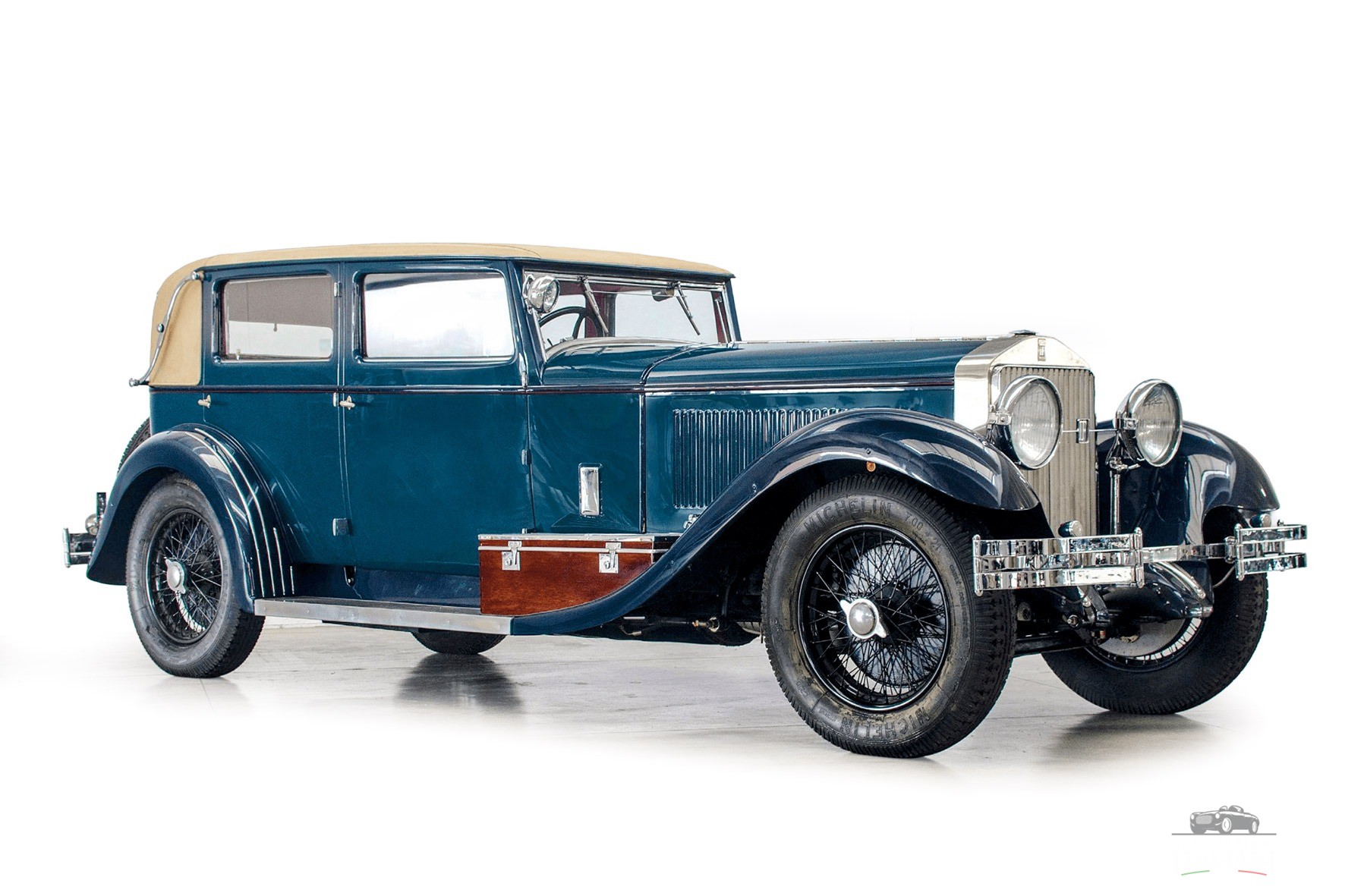
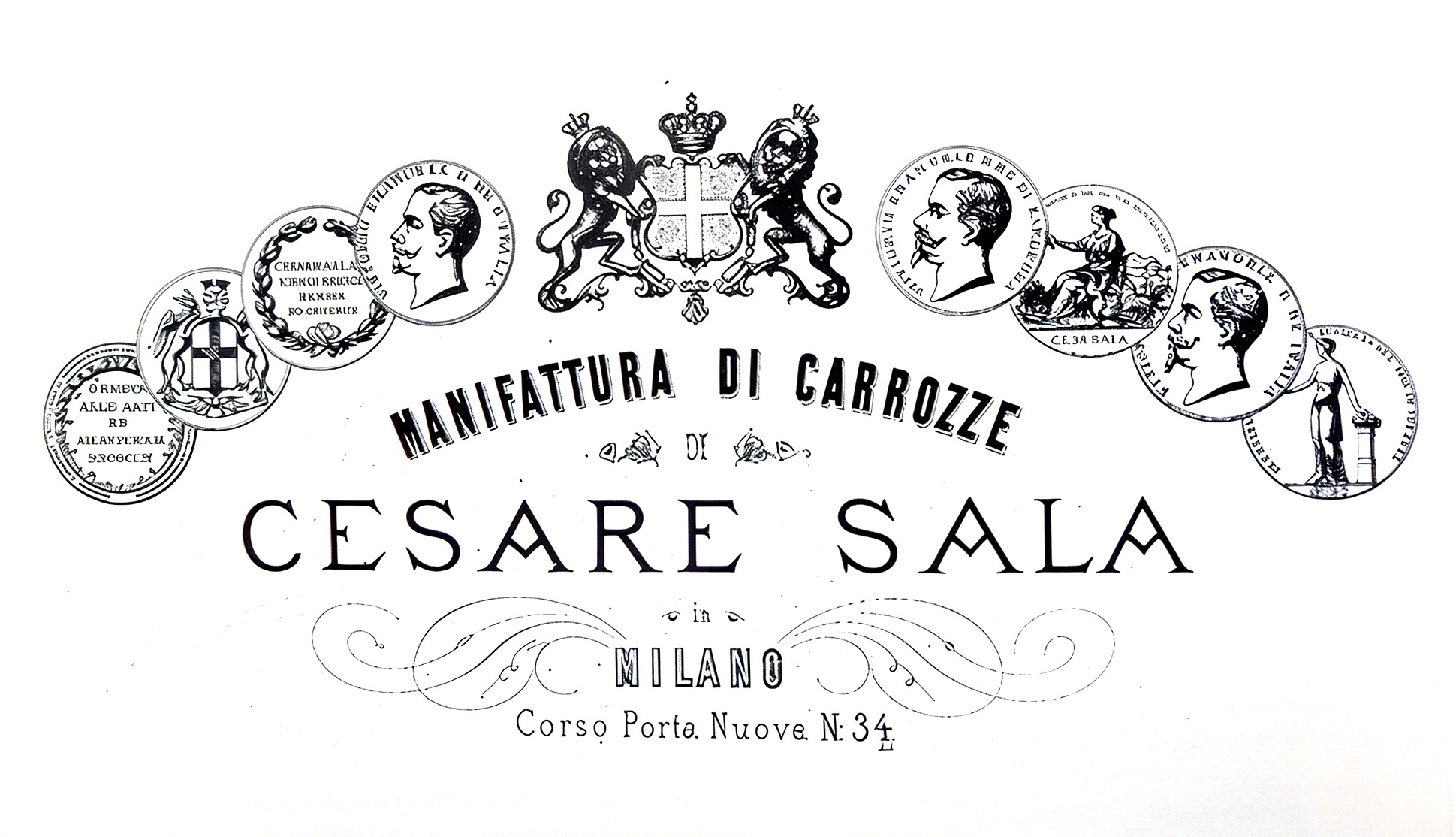
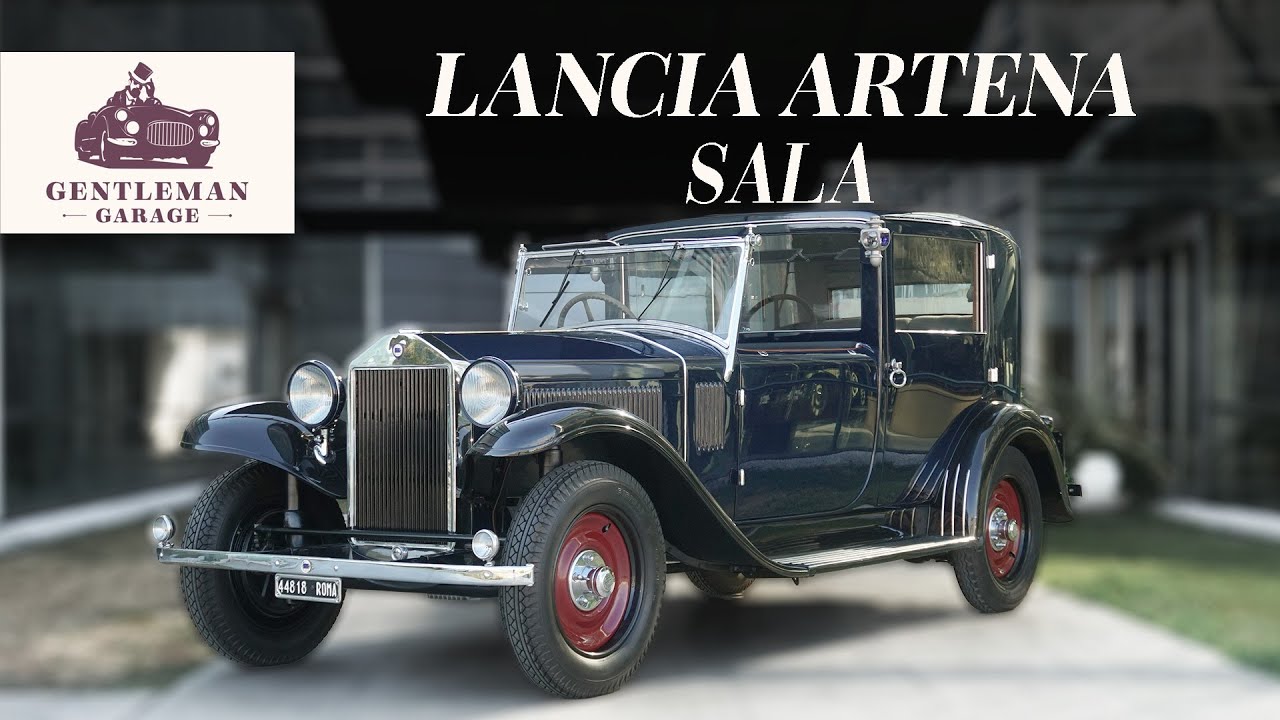
The Lancia Dilambda Guida Interna by Cesare Sala was a formal six-passenger saloon constructed on the long-wheelbase chassis of the second-series Dilambda. Presented at the 1931 Salone dell’Automobile di Milano, the specimen shown was finished in black with fine contrasting pinstripes, reflecting the restrained aesthetic typical of official and representational vehicles of the period. The guida interna configurationfeaturing an integrated passenger and driver compartmentwas intended for private use or discreet institutional service, offering a degree of privacy and refinement aligned with the expectations of high-level clientele. Cesare Sala, among the most established Milanese coachbuilders, maintained a close relationship with Lancia during this era. His execution of the Dilambda’s coachwork followed a conservative idiom: high rooflines, broad glass surfaces, minimal exterior ornamentation, and balanced proportions anchored in functional clarity. The coachbuilder’s approach remained rooted in the formal tradition of Italian carriage design, adapted for motorized use but still favoring elegance through discretion rather than stylistic innovation. The Lancia Dilambda itself was conceived as a grand touring chassis capable of accommodating a wide range of custom bodies. Equipped with a 4-litre narrow-angle V8 engine and independent front suspensionan advanced feature at the timethe Dilambda provided a solid mechanical foundation for high-quality coachwork. Sala’s berlina body, in its 1931 show presentation, illustrated the continued relevance of the vettura di rappresentanza within the broader shift toward more streamlined and performance-oriented designs. Though lacking the flamboyance of contemporaneous work by Castagna or Touring, the Sala-bodied Dilambda Guida Interna remains a notable example of Italian formalism in early 1930s automotive design. Its presence at the 1931 Milan Auto Salon situates it within the final phase of interwar classicism, before the gradual standardization of body types and the full emergence of modern automotive styling.
IN THE ARCHIVE
Coachbuilders & design studios
02 / TECHNICAL IDENTITY
Specifications & construction
Production & construction
- Production
- 1
- Production type
- One-off
Engine & performance
- Engine configuration
- V8
- Displacement
- 3,960 cc
- Power (CV)
- 100 CV
- Engine speed
- 4,000 rpm
- Transmission
- Manual 4-speed
- Drive
- Rear-wheel drive
Design & manufacture
- Manufacturer · Documented
- Lancia
- Coachbuilder / Body Builder · Documented
- Sala
- Designer · Candidate
- Oliviero Bergomi
06 / EVENTS & AWARDS
Events & awards
No events or documented awards are currently recorded for this vehicle.
07 / THE VEHICLE IN DETAIL
Photo gallery 1 photographs
08 / FROM THE ARCHIVE
Archive
References held in the vehicle dossier. Their inclusion does not establish that every historical claim has been independently verified.
| Reference | Source type |
|---|---|
| Museo Nicolis – Lancia Dilambda www.museonicolis.com | Museum reference |
| Museo Nicolis / Epocauto — Lancia Dilambda technical history www.museonicolis.com | Museum technical article |
THE CONVERSATION
Comments 0
Share a memory, a period photograph or a documented detail about this car.